Diabetes has become a common health concern worldwide. You might have heard about it in news reports, or even someone close to you might be living with it. One important term often linked with diabetes is GMI, but many are unsure about what it stands for and how it connects to diabetes management.
In this article, we will break down everything you need to know about GMI Diabetes—what it is, how it affects people, and why it’s important for managing diabetes. Whether you’re new to the concept or seeking more in-depth information, this guide is designed to give you clear, simple answers.
What Is GMI Diabetes?
GMI stands for Glycated Mean Index. It’s a metric used to track and manage diabetes. GMI is similar to A1C (Hemoglobin A1C), a common test that measures the average blood sugar levels over the past 2 to 3 months. However, GMI offers a more accurate and clearer understanding of how well someone’s blood sugar is controlled over time.
The Glycated Mean Index is calculated using continuous glucose monitoring (CGM) data, which provides real-time glucose readings. GMI helps to estimate the person’s average blood sugar levels and helps in assessing their risk for long-term complications due to diabetes.
In simple terms, GMI is a tool used to understand a person’s blood glucose control over time, which is important for both type 1 and type 2 diabetes.
How Is GMI Diabetes Calculated?
To understand GMI better, it’s essential to know how it’s calculated. The process involves using continuous glucose monitoring data, which tracks a person’s glucose levels throughout the day. Here’s a simplified breakdown of how it works:
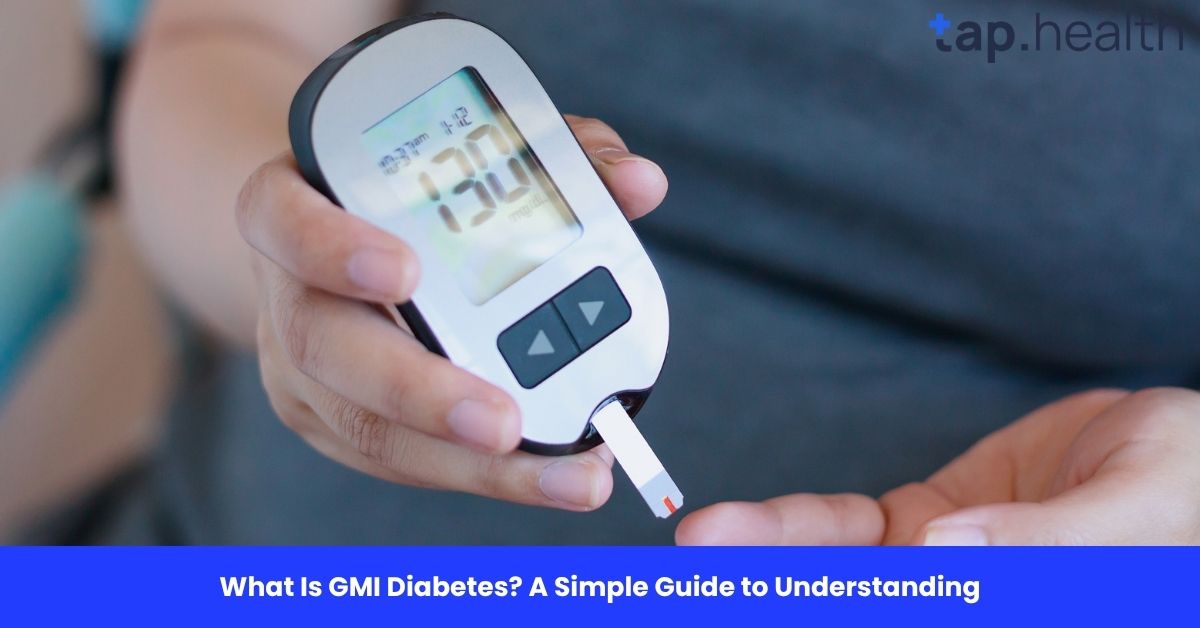
- Continuous Glucose Monitoring (CGM): A small sensor is placed under the skin to measure glucose levels in the interstitial fluid (the fluid between the cells). This sensor sends data to a receiver or smartphone, providing real-time glucose readings.
- Average Blood Glucose Calculation: The GMI formula takes these readings and calculates an average blood glucose level over a specified period—usually 14 or 30 days.
- Conversion to A1C Equivalent: GMI uses these average glucose levels and converts them into an A1C equivalent, which is a percentage that reflects the long-term blood glucose control.
The result is an estimate that helps doctors and healthcare providers assess how well a person’s diabetes is being managed.
GMI Diabetes vs A1C: What’s the Difference?
Many people are familiar with the A1C test, a standard test used to diagnose and manage diabetes. So, how does GMI compare to A1C? Let’s take a look:
1. Measurement Method
- A1C Test: Measures the percentage of glycated hemoglobin in the blood (blood sugar attached to hemoglobin).
- GMI: Based on continuous glucose monitoring (CGM) data and gives a more real-time view of glucose trends.
2. Accuracy
- A1C Test: It can be affected by factors like anemia or blood disorders. It reflects the average glucose over 2 to 3 months but doesn’t capture daily variations.
- GMI: Offers a more accurate and up-to-date view of blood glucose levels over time, as it’s based on CGM data.
3. Use in Diabetes Management
- A1C: Commonly used in routine check-ups and diagnoses. It gives a general picture of how well a person has managed their diabetes.
- GMI: More precise for individuals who use CGM systems, as it reflects more dynamic changes in blood glucose and can help with fine-tuning treatment plans.
Why Is GMI Important for Diabetes Management?
Diabetes is a condition where the body struggles to regulate blood sugar levels. Over time, uncontrolled blood sugar can lead to serious health complications, such as heart disease, nerve damage, kidney problems, and vision issues. Monitoring blood sugar is crucial for preventing these complications.
GMI provides a better understanding of how a person’s blood glucose behaves throughout the day, allowing for:
- Timely adjustments: If GMI readings show that blood glucose is consistently high or low, adjustments can be made to diet, medication, or insulin therapy.
- Personalized treatment: Since GMI reflects more detailed information about blood sugar fluctuations, doctors can offer more targeted advice for managing diabetes.
- Predicting risks: GMI can help predict the likelihood of future complications, allowing for earlier interventions.
In short, GMI provides more personalized and real-time insights into how diabetes is being managed, helping to keep it under control.
What Are the Benefits of Using GMI for Diabetes?
1. Better Blood Sugar Control
By using GMI, individuals with diabetes can achieve better control over their blood sugar levels. Real-time data can show the effects of specific foods, exercise routines, or medications on glucose levels, helping to make more informed decisions.
2. Improved Quality of Life
Living with diabetes can be challenging, but having access to accurate and timely information about your blood sugar can make managing the condition less stressful. GMI helps to avoid the uncertainty that often comes with traditional blood sugar monitoring methods.
3. Early Detection of Issues
Because GMI is calculated over time, it allows for the early detection of blood glucose issues before they become serious. This means that people with diabetes can adjust their management plan sooner, reducing the risk of complications.
How Can You Monitor GMI?
Monitoring GMI requires the use of continuous glucose monitoring (CGM) devices. These devices include sensors that continuously measure your glucose levels throughout the day. Here’s what you need to know:
- Wearable Sensors: These sensors are typically worn on the skin, often on the arm or abdomen. They are small and discreet, and they send glucose data to a smartphone or another device.
- Mobile App: The data collected by the CGM sensor is displayed on a mobile app, making it easy to track glucose levels in real-time.
- Alerts: CGM devices can alert you when your glucose is too high or too low, helping to prevent dangerous fluctuations.
How Does GMI Help People with Type 1 Diabetes?
For those with Type 1 Diabetes, GMI can be particularly helpful. Type 1 diabetes is an autoimmune condition where the body doesn’t produce insulin, meaning people need to take insulin regularly. GMI helps Type 1 diabetics by:
- Tracking insulin effectiveness: It shows how well the insulin is working to regulate blood glucose over time.
- Identifying patterns: GMI can reveal trends in blood glucose spikes or dips, helping to fine-tune insulin doses and meal planning.
How Does GMI Help People with Type 2 Diabetes?
Type 2 Diabetes is a condition where the body doesn’t use insulin properly. GMI can assist people with Type 2 diabetes by:
- Assessing blood sugar control: For people taking oral medications or insulin, GMI helps assess how effective their treatment is.
- Guiding lifestyle changes: Since GMI offers detailed glucose information, it can help people with Type 2 diabetes make lifestyle changes (diet and exercise) based on real data.
Common Questions About GMI Diabetes
What Is a Normal GMI Level?
A normal GMI level usually correlates with an A1C of about 5.7% or lower, which is considered within the normal range for blood sugar. However, the exact “normal” range can vary depending on individual factors like age, health status, and diabetes management goals.
How Often Should You Check Your GMI?
If you are using a CGM system, your GMI levels are being monitored continuously. However, it’s important to work with your doctor to decide how frequently you should review your GMI data to manage your diabetes effectively.
Can GMI Be Used for Diagnosing Diabetes?
No, GMI is primarily used for monitoring blood glucose levels in people already diagnosed with diabetes. It helps manage the condition but is not used as a diagnostic tool.
Conclusion
GMI (Glycated Mean Index) is an innovative tool that helps individuals with diabetes manage their blood glucose levels with more precision. By using data from continuous glucose monitoring devices, GMI offers a clearer picture of how well a person’s diabetes is being controlled, making it easier to adjust treatment plans, diet, and lifestyle. For both Type 1 and Type 2 diabetes, GMI can be a game-changer in managing this chronic condition and improving long-term health outcomes.
If you or someone you know has diabetes, incorporating GMI into your diabetes care routine could help take your management to the next level.
FAQ on What Is GMI Diabetes? A Simple Guide to Understanding
1. What is GMI in simple terms?
GMI (Glycated Mean Index) is a way to measure average blood sugar levels over time using continuous glucose monitoring. It’s similar to the A1C test but offers more accurate, real-time data.
2. How is GMI different from A1C?
While both GMI and A1C measure blood sugar control, GMI is based on continuous glucose monitoring and provides more detailed, real-time insights compared to the A1C test, which reflects long-term blood glucose levels.
3. Can GMI help in controlling diabetes?
Yes, by providing accurate data on blood glucose levels throughout the day, GMI helps people with diabetes make more informed decisions about their insulin, diet, and lifestyle, leading to better blood sugar control.
4. Is GMI only for people with diabetes?
No, GMI is a tool for monitoring blood sugar in people with diabetes, but it can be useful for anyone looking to track their blood sugar levels more closely, especially if they are managing their condition with medication or insulin.
5. Can I use GMI without a CGM device?
No, GMI requires continuous glucose monitoring (CGM) devices to track real-time glucose data, which is then used to calculate the GMI value.