Vitamin C is one of the most popular and essential vitamins for maintaining good health. It supports immune function, promotes skin health, and helps with the absorption of iron. But did you know that not all vitamin C supplements are the same? Enter liposomal vitamin C—a more advanced form of vitamin C that promises better absorption and effectiveness. If you’re curious about what liposomal vitamin C is and how it works, this guide will walk you through everything you need to know.
What is Liposomal Vitamin C?
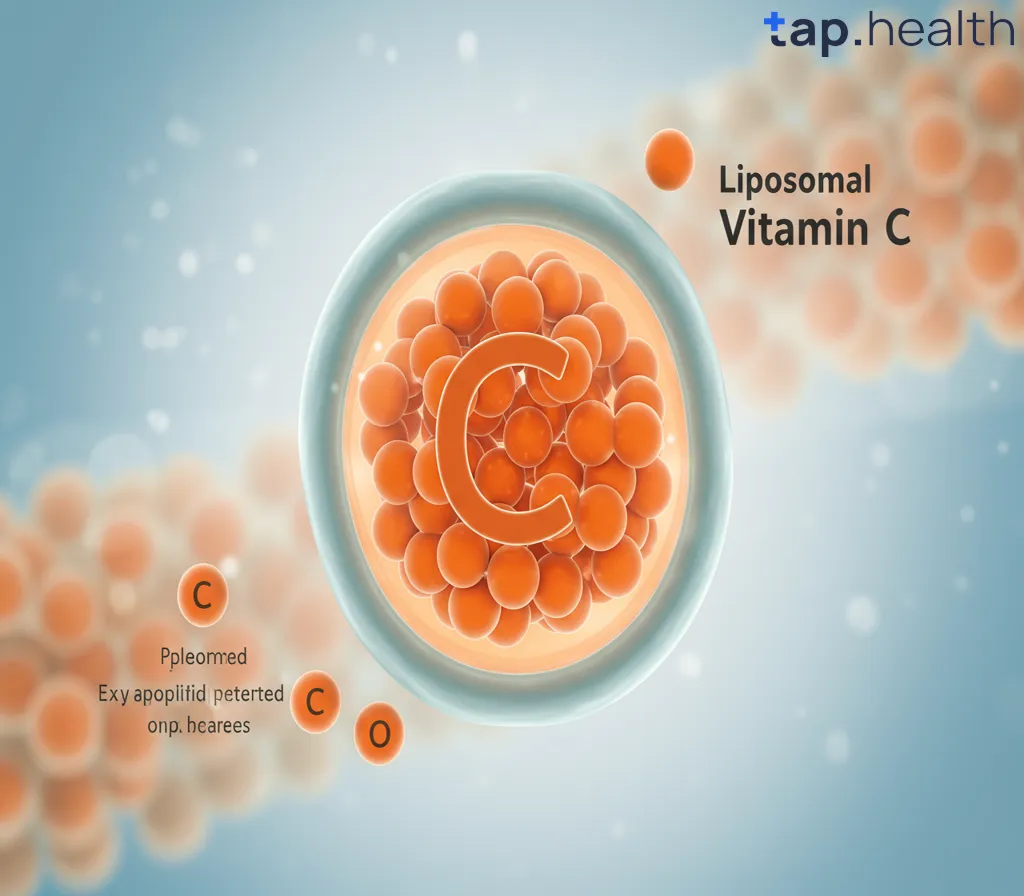
Liposomal vitamin C is a form of vitamin C that is encapsulated in liposomes—tiny, fat-soluble particles that protect the vitamin as it travels through the digestive system. This liposomal delivery system makes the vitamin C more bioavailable, meaning it’s more easily absorbed and utilized by the body compared to regular vitamin C (ascorbic acid).
The Liposome: What Is It?
A liposome is essentially a microscopic bubble made of phospholipids, which are fatty molecules. These liposomes are similar to the cell membranes in your body, making them an excellent delivery system for vitamins and nutrients. When vitamin C is encapsulated in liposomes, it is protected from stomach acid and digestive enzymes, allowing it to pass through the gastrointestinal tract more efficiently.
The liposomal form ensures that more of the vitamin C reaches the bloodstream in its active form, improving its effectiveness.
How Does Liposomal Vitamin C Work?
The main benefit of liposomal vitamin C lies in its enhanced absorption. Regular vitamin C supplements are water-soluble, which means they can be easily broken down and often don’t reach the bloodstream in large amounts. As a result, much of the vitamin C you ingest is excreted through urine rather than being absorbed by your cells.
However, liposomal vitamin C bypasses this issue by being encapsulated in liposomes. These fat-based particles are better able to pass through the stomach and cell membranes. Once in the bloodstream, the liposomes break apart, releasing the vitamin C directly into the cells that need it.
The Role of Liposomes in Vitamin C Absorption
Liposomes protect vitamin C from the harsh digestive process, such as stomach acid. This protection ensures that a higher percentage of the vitamin reaches the bloodstream, where it can be transported to tissues and cells that require it. As a result, liposomal vitamin C has the potential to be much more effective than regular vitamin C supplements, providing faster and more sustained results.
Why Choose Liposomal Vitamin C?
While vitamin C is readily available in many forms, liposomal vitamin C offers a variety of benefits that make it a superior choice for those looking to boost their health. Here are the main reasons why people choose liposomal vitamin C:
1. Improved Absorption
The liposomal delivery system significantly enhances the bioavailability of vitamin C. Because the vitamin is encapsulated in liposomes, it is less likely to be destroyed by stomach acid or digestive enzymes, which results in higher absorption rates.
2. Better Bioavailability
Bioavailability refers to the amount of a substance that enters the bloodstream and becomes available to the body. Liposomal vitamin C is more bioavailable than regular vitamin C because it is delivered directly to cells via the liposomes, ensuring that a larger portion of the vitamin C is absorbed.
3. Higher Dosage with Less Irritation
Regular vitamin C can sometimes cause stomach irritation, especially at high doses. Liposomal vitamin C, on the other hand, is gentler on the stomach. The liposomes help prevent stomach upset by providing a protective barrier for the vitamin, allowing people to take higher doses without discomfort.
4. More Effective for Immune Support
Liposomal vitamin C is often used to support immune function. Its enhanced absorption means that the body can better use the vitamin for immune responses, helping to fight off infections and illnesses.
5. Supports Skin Health and Anti-Aging
Vitamin C is essential for collagen production, which helps maintain the elasticity and firmness of your skin. Liposomal vitamin C delivers higher amounts of vitamin C directly to the skin cells, potentially improving skin texture, reducing wrinkles, and promoting a youthful appearance.
6. Stronger Antioxidant Protection
Vitamin C is a powerful antioxidant that helps neutralize free radicals, which are harmful molecules that can damage cells and contribute to aging and chronic diseases. Liposomal vitamin C provides stronger antioxidant protection due to its enhanced absorption, helping to reduce oxidative stress in the body.
How to Take Liposomal Vitamin C
Liposomal vitamin C is available in various forms, including liquid, gel, and capsules. Here’s how to take it:
1. Liquid Form
Liposomal vitamin C in liquid form is often preferred because it is absorbed quickly and can be adjusted based on your dosage needs. Simply take the recommended amount on an empty stomach for maximum absorption.
2. Capsules or Softgels
Liposomal vitamin C capsules are convenient and easy to swallow. Make sure to follow the recommended dosage on the product label, as different brands may have varying concentrations of vitamin C.
3. Gel or Powder
Some liposomal vitamin C supplements come in gel or powder form. These can be mixed with water or other liquids for easier consumption. Again, be sure to follow the dosage instructions for optimal results.
Benefits of Liposomal Vitamin C
Liposomal vitamin C has a range of potential benefits, from boosting your immune system to enhancing skin health. Let’s take a closer look at the main benefits:
1. Boosts Immune System Function
Vitamin C is well-known for its role in supporting the immune system. Liposomal vitamin C delivers a higher dose of vitamin C directly to immune cells, increasing the body’s ability to fight infections and reducing the severity and duration of common illnesses like the flu or cold.
2. Supports Collagen Production
Collagen is essential for maintaining healthy skin, joints, and tissues. Vitamin C is required for the synthesis of collagen, and liposomal vitamin C ensures that your body gets the full benefit of this important nutrient. Regular use may improve skin elasticity, reduce fine lines and wrinkles, and promote wound healing.
3. Reduces Inflammation and Oxidative Stress
Chronic inflammation is linked to many health issues, including heart disease, arthritis, and diabetes. Liposomal vitamin C’s antioxidant properties help fight oxidative stress, which reduces inflammation and supports overall health.
4. Enhances Skin Health
Because liposomal vitamin C is better absorbed, it can more effectively target skin cells. It helps with collagen production, reduces sun damage, and may promote a more youthful appearance by minimizing wrinkles and fine lines.
5. Supports Heart Health
Vitamin C plays a role in supporting blood vessel health by promoting the production of collagen in blood vessel walls. This may help reduce the risk of heart disease and improve circulation. Liposomal vitamin C ensures that the vitamin reaches the bloodstream more efficiently.
Potential Side Effects of Liposomal Vitamin C
While liposomal vitamin C is generally safe, it’s important to be aware of any potential side effects, especially if taken in excess. These may include:
- Stomach discomfort: Though liposomal vitamin C is easier on the stomach than regular vitamin C, very high doses can still cause mild stomach upset or diarrhea.
- Kidney stones: Extremely high doses of vitamin C over a long period of time may increase the risk of developing kidney stones in some people.
To avoid side effects, it’s always recommended to follow the dosage instructions on the product label and consult with a healthcare provider before starting any supplement regimen.
Is Liposomal Vitamin C Better Than Regular Vitamin C?
Liposomal vitamin C is considered superior to regular vitamin C for a few reasons:
- Better absorption: Liposomal vitamin C is absorbed more effectively, leading to higher bioavailability.
- Less irritation: Liposomal vitamin C is gentler on the stomach, even at higher doses.
- More effective: Liposomal vitamin C provides a higher concentration of vitamin C to the body’s cells, resulting in faster and more noticeable benefits.
For those who have trouble absorbing regular vitamin C or want more effective results, liposomal vitamin C is often the better choice.
Frequently Asked Questions (FAQs) on What is Liposomal Vitamin C?
1. What is the difference between liposomal vitamin C and regular vitamin C?
The main difference is the delivery system. Liposomal vitamin C is encapsulated in liposomes, allowing it to be absorbed more efficiently by the body. Regular vitamin C is water-soluble and often doesn’t reach the bloodstream as effectively.
2. Is liposomal vitamin C safe to take daily?
Yes, liposomal vitamin C is generally safe to take daily, but it’s important to follow the recommended dosage on the product label. Consult a healthcare provider if you plan on taking it in high doses or have underlying health conditions.
3. How much liposomal vitamin C should I take per day?
The recommended dosage can vary based on the product and your health needs. Generally, a dose of 500 mg to 1,000 mg per day is common, but always refer to the product’s label or consult a doctor for personalized recommendations.
4. Can liposomal vitamin C help with skin aging?
Yes, liposomal vitamin C promotes collagen production, which helps maintain skin elasticity and reduce wrinkles. Its antioxidant properties also help protect the skin from free radical damage, slowing down the aging process.
5. Can I take liposomal vitamin C with other supplements?
Liposomal vitamin C can generally be taken with other supplements. However, it’s a good idea to consult with your healthcare provider to ensure that there are no interactions with any medications or supplements you are currently taking.
Conclusion
Liposomal vitamin C is a powerful, bioavailable form of vitamin C that offers numerous health benefits, including improved immune function, better skin health, and reduced inflammation. Its advanced delivery system ensures that more of the vitamin is absorbed by the body, making it a superior choice for those seeking the maximum benefit from their vitamin C supplementation.
Whether you’re looking to boost your immune system, improve your skin, or reduce inflammation, liposomal vitamin C may be the best choice for you. Be sure to follow recommended dosages and consult with your healthcare provider for optimal results.