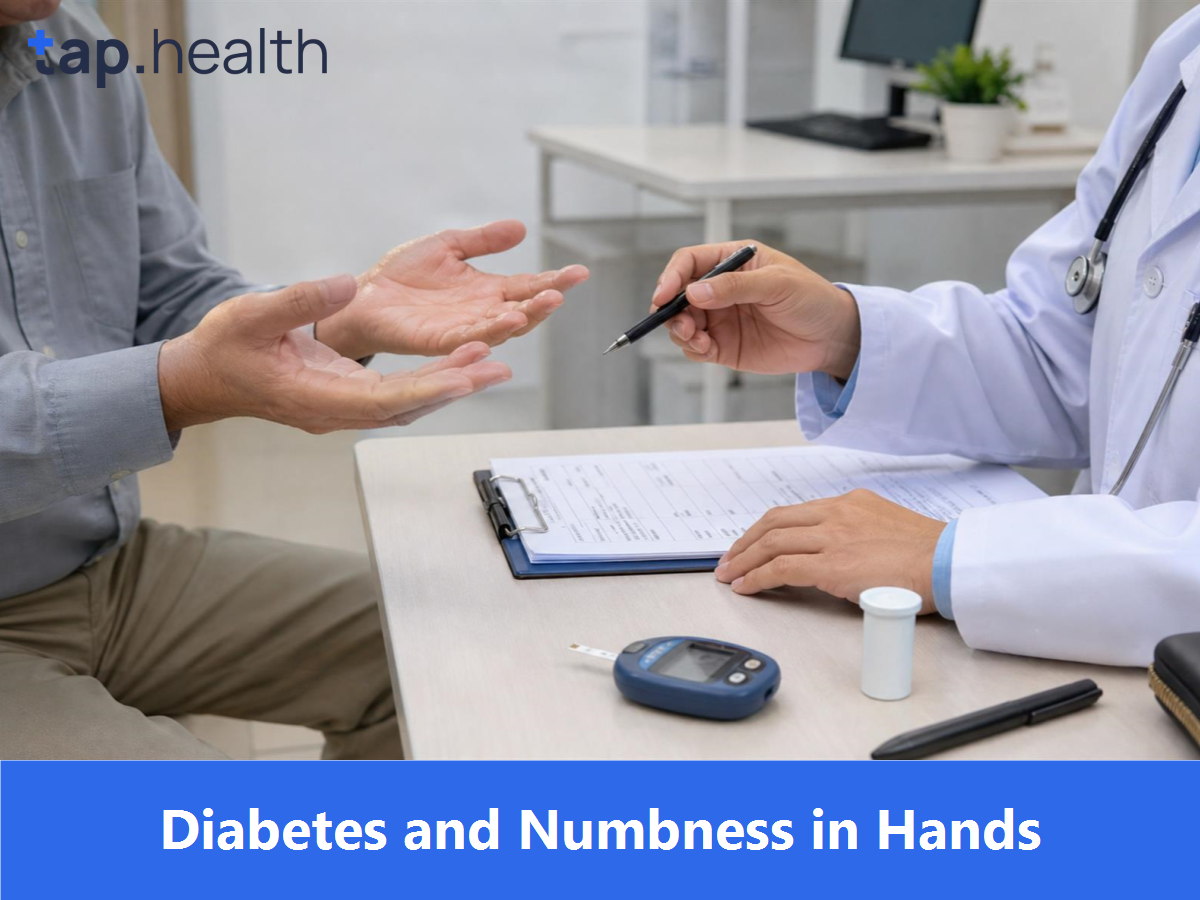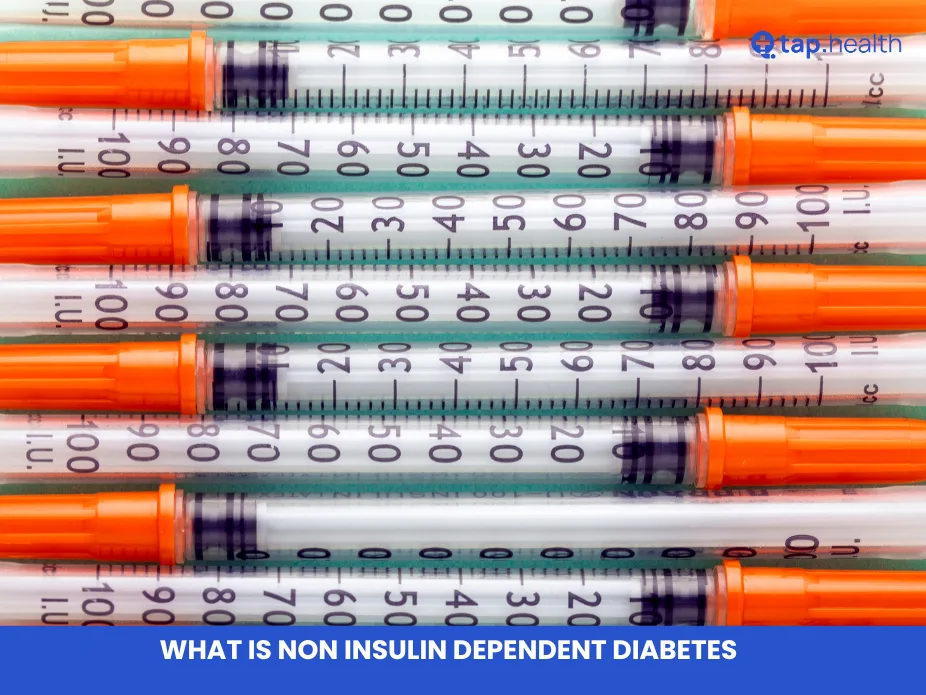
When we think of diabetes, the first thing that might come to mind is insulin injections. But did you know that not all types of diabetes require insulin? One of the most common types of diabetes that doesn’t rely on insulin injections is known as non-insulin dependent diabetes. This condition, more commonly referred to as Type 2 diabetes
, affects millions of people worldwide. But what does it really mean? In simple terms, non-insulin dependent diabetes occurs when the body is no longer able to effectively use insulin, or when the body doesn’t produce enough insulin to keep up with its needs.
This type of diabetes is manageable, especially if it’s caught early. But understanding what it is and how it develops is crucial for making informed decisions about managing your health. Let’s dive into the details!
How Non-Insulin Dependent Diabetes Works
Type 2 diabetes, or non-insulin dependent diabetes, is a condition where the body becomes resistant to insulin or does not produce enough of it. Insulin is a hormone that helps regulate blood sugar levels by allowing the sugar to enter your cells and provide energy. When the body becomes resistant to insulin, sugar builds up in the bloodstream, leading to higher blood sugar levels.
This happens because insulin, which should be helping to regulate blood sugar, can’t work effectively. Over time, this high blood sugar can cause complications, such as heart disease, kidney problems, and nerve damage.
Symptoms of Non-Insulin Dependent Diabetes
Recognizing the symptoms of non-insulin dependent diabetes early is crucial for managing it effectively. Here are some common signs that you may be developing Type 2 diabetes:
- Increased Thirst: If you’re constantly feeling thirsty, it may be a sign that your blood sugar is high.
- Frequent Urination: High blood sugar can cause your kidneys to work harder, leading to more frequent bathroom visits.
- Fatigue: Your body isn’t able to use sugar for energy as efficiently, which can make you feel tired all the time.
- Blurry Vision: High blood sugar can lead to fluid changes in your eyes, affecting your vision.
- Slow Healing Wounds: High blood sugar can impair your body’s ability to heal wounds.
- Numbness or Tingling: Nerve damage from prolonged high blood sugar can lead to numbness or tingling in your hands and feet.
If you notice any of these symptoms, it’s important to consult a healthcare professional for a proper diagnosis and treatment plan.
Real-Life Scenario: Ramesh’s Journey with Non-Insulin Dependent Diabetes
Let’s take the example of Ramesh, a 45-year-old man from Bangalore, India. Ramesh had been experiencing symptoms like frequent urination, extreme thirst, and fatigue. Initially, he dismissed them, thinking it was just stress from his job. But as time went on, these symptoms worsened. Finally, Ramesh went for a routine checkup and discovered that he had Type 2 diabetes.
With the help of his doctor, Ramesh learned about lifestyle changes that could help manage his diabetes without the need for insulin injections. Through diet changes, regular exercise, and medication, Ramesh has been able to keep his blood sugar levels in check.
This is a real-life example of how Type 2 diabetes can be managed through lifestyle modifications, which is a key aspect of non-insulin dependent diabetes.
Causes and Risk Factors for Non-Insulin Dependent Diabetes
Non-insulin dependent diabetes can be caused by several factors. Understanding these causes and risk factors can help you take preventative measures. Here are the most common ones:
- Genetics: Family history plays a significant role in the development of Type 2 diabetes. If someone in your family has had diabetes, you may be at a higher risk.
- Obesity: Carrying excess weight, especially around the abdomen, can increase the risk of developing Type 2 diabetes. Fat cells can release hormones that affect insulin resistance.
- Physical Inactivity: Lack of exercise can lead to weight gain and insulin resistance, both of which are major risk factors for Type 2 diabetes.
- Age: People over the age of 45 are at a higher risk, although younger individuals can also develop Type 2 diabetes.
- Poor Diet: A diet high in processed foods, sugars, and unhealthy fats can contribute to obesity and insulin resistance.
It’s important to note that while genetics can play a part, lifestyle choices have a huge impact on whether or not you develop Type 2 diabetes.
How Non-Insulin Dependent Diabetes is Diagnosed
Diagnosing Type 2 diabetes typically involves a blood test to check your blood sugar levels. Some of the most common tests include:
- Fasting Blood Sugar Test: This measures your blood sugar levels after fasting for at least eight hours. A reading of 126 mg/dL or higher suggests diabetes.
- Oral Glucose Tolerance Test (OGTT): After fasting, you’ll drink a sugary drink, and your blood sugar levels will be measured at different intervals. A reading of 200 mg/dL or higher after two hours suggests diabetes.
- A1C Test: This test measures your average blood sugar levels over the past two to three months. A result of 6.5% or higher indicates diabetes.
If you’re at risk for Type 2 diabetes, it’s essential to get screened regularly. Early detection is key to managing the condition and preventing complications.
Expert Contributions: Dr. Meera Desai’s Insights on Non-Insulin Dependent Diabetes
Dr. Meera Desai, a leading endocrinologist in Mumbai, emphasizes the importance of early lifestyle interventions in managing Type 2 diabetes. According to Dr. Desai, “Dietary changes, increased physical activity, and weight management can significantly delay or even prevent the onset of Type 2 diabetes. Medications are helpful, but they should be used in conjunction with lifestyle changes.”
This expert advice highlights the importance of a holistic approach to managing Type 2 diabetes.
Treatment and Management of Non-Insulin Dependent Diabetes
Managing non-insulin dependent diabetes involves a combination of lifestyle changes and medications. Here are some key aspects:
- Diet and Nutrition: Eating a balanced diet that focuses on whole grains, vegetables, lean proteins, and healthy fats can help regulate blood sugar levels. It’s important to avoid sugary foods and refined carbohydrates.
- Exercise: Regular physical activity can help reduce insulin resistance and maintain a healthy weight. Aim for at least 30 minutes of moderate activity, like walking, five days a week.
- Medications: If lifestyle changes aren’t enough to control blood sugar, your doctor may prescribe oral medications. Some medications help the body use insulin more effectively, while others can help reduce sugar production in the liver.
- Regular Monitoring: Checking your blood sugar levels regularly is important for keeping track of your condition. You may also need to monitor your A1C levels to ensure that your treatment plan is working.
By combining these strategies, people with Type 2 diabetes can live a healthy, active life.
Recommendations Based on Proven Research and Facts
- Maintain a Healthy Weight: Losing even a small amount of weight can improve insulin sensitivity and blood sugar control.
- Eat Fiber-Rich Foods: Foods high in fiber, such as vegetables, fruits, and whole grains, help regulate blood sugar levels.
- Limit Processed Foods: Avoid foods that are high in sugar, fat, and salt. Opt for fresh, whole foods instead.
- Stay Active: Exercise helps your muscles use glucose for energy, improving blood sugar control.
These recommendations are backed by proven research and are essential for managing non-insulin dependent diabetes effectively.
FAQ on Non-Insulin Dependent Diabetes
1. Can Type 2 diabetes be reversed?
While Type 2 diabetes can’t be fully reversed, it can be managed and, in some cases, put into remission through lifestyle changes like weight loss, healthy eating, and regular exercise.
2. What is the difference between Type 1 and Type 2 diabetes?
Type 1 diabetes is an autoimmune condition where the body doesn’t produce insulin, while Type 2 diabetes is a condition where the body either doesn’t produce enough insulin or becomes resistant to it.
3. How can I prevent Type 2 diabetes?
By maintaining a healthy weight, eating a balanced diet, exercising regularly, and avoiding smoking, you can reduce your risk of developing Type 2 diabetes.