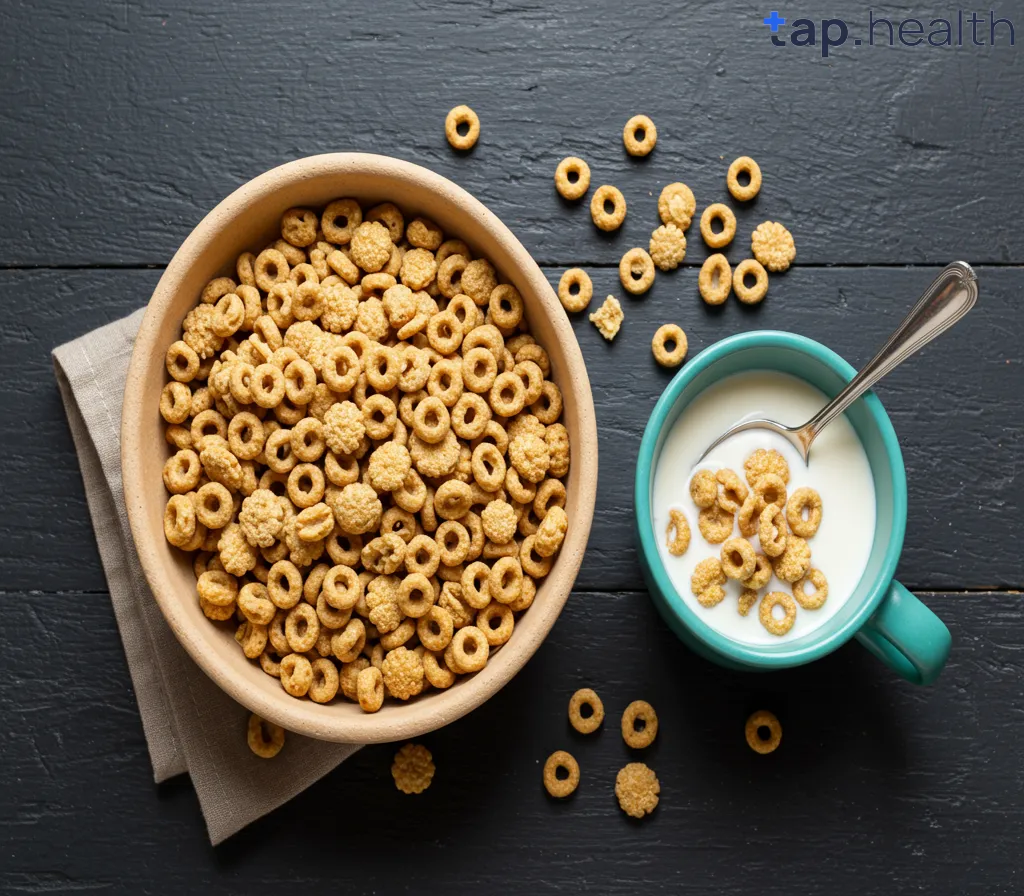
Breakfast is a favorite meal for many people. And for a lot of us, that means cereal.
But if you have diabetes—type 1, type 2, or prediabetes—you might look at that colorful box on the shelf and wonder:
Can I eat this? Will it spike my blood sugar? Is there a safe cereal for me?
The good news is: Yes, people with diabetes can eat cereal—but not all cereals are created equal.
Some are loaded with sugar and refined carbs that send blood glucose soaring. Others are packed with fiber and healthy ingredients that help keep blood sugar steady.
So, what kind of cereal can diabetics eat?
In this guide, we’ll break it all down in plain, easy-to-understand language. No confusing terms. No jargon. Just real, practical advice based on trusted health sources like the American Diabetes Association, Mayo Clinic, and Harvard Health.
We’ll cover:
- Why most store-bought cereals are risky for diabetics
- The best types of cereal for blood sugar control
- How to read nutrition labels like a pro
- Top 10 diabetic-friendly cereals (with real brand names)
- Healthy cereal swaps and homemade options
- Common myths about cereal and diabetes
- And answers to all the top questions people are searching for
Why Most Cereals Are Not Good for Diabetics
You’ve probably seen cereals that claim to be “whole grain” or “fortified with vitamins.” But don’t be fooled.
Many popular breakfast cereals—even ones that seem healthy—are actually sugar bombs in disguise.
Take a look at some common offenders:
- Frosted Flakes: 12g of sugar per cup
- Honey Nut Cheerios: 12g of sugar per ¾ cup
- Froot Loops: 12g of sugar per cup
- Cinnamon Toast Crunch: 9g of sugar per cup
That’s as much sugar as a candy bar—before you even add milk!
And it’s not just the sugar. Most of these cereals are made with refined grains, like white rice or corn flour. These break down into sugar very quickly in your body, causing a fast spike in blood glucose.
For someone with diabetes, that’s a problem.
Your body either doesn’t make enough insulin (type 1) or can’t use insulin properly (type 2). So when blood sugar spikes, it stays high longer, which can lead to complications over time.
That’s why choosing the right cereal matters.
What Makes a Cereal Diabetic-Friendly?
Not all cereals are bad. The key is knowing what to look for.
A diabetes-safe cereal should have:
- Low sugar
- High fiber
- Made from whole grains
- No artificial ingredients or added sugars
Let’s break down each of these.
Low Sugar: Keep It Under 5 Grams Per Serving
The American Diabetes Association recommends choosing cereals with less than 8 grams of sugar per serving—but ideally under 5 grams.
Why? Because every gram of sugar counts when you’re managing blood glucose.
Check the “Added Sugars” line on the Nutrition Facts label. That’s the real enemy.
Natural sugars (like those in unsweetened dried fruit or milk) are less of a concern, but added sugars—like corn syrup, cane sugar, honey, or fruit juice concentrate—should be avoided.
High Fiber: Aim for at Least 3–5 Grams Per Serving
Fiber is your friend if you have diabetes.
It slows down the digestion of carbs, which means sugar enters your bloodstream more slowly. This helps prevent sharp spikes in blood sugar.
Look for cereals with at least 3 grams of fiber per serving. Better yet, aim for 5 grams or more.
Good sources of fiber include:
- Oats (especially steel-cut or old-fashioned)
- Bran (wheat, oat, or rice bran)
- Chia seeds, flaxseeds, or psyllium
- Whole grains like barley or quinoa
Made from Whole Grains, Not Refined Grains
“Whole grain” means the entire grain kernel is used—bran, germ, and endosperm. This keeps the fiber and nutrients intact.
“Refined grains” have had the bran and germ removed, leaving mostly starch. That means they digest quickly and spike blood sugar.
On the ingredient list, make sure the first ingredient is a whole grain, like:
- Whole wheat
- Steel-cut oats
- Brown rice
- Oat bran
- Barley
Avoid cereals that list “enriched flour,” “wheat flour,” or “corn flour” first—those are refined.
Best Types of Cereal for Diabetics
Now that you know what to look for, here are the best types of cereal that are safe and satisfying for people with diabetes.
1. High-Fiber Bran Cereals
Cereals like 100% bran or All-Bran are excellent choices.
They’re packed with fiber (up to 10g per serving) and very low in sugar.
Example:
Kellogg’s All-Bran Original
- 50 calories per ½ cup
- 10g fiber
- 6g sugar (but only 1g added sugar)
- Made from wheat bran
It’s not the sweetest, but you can add fresh berries or a sprinkle of cinnamon to make it tastier.
2. Steel-Cut or Rolled Oats (Not Instant)
Oatmeal is a classic diabetic-friendly breakfast—but not all oatmeal is equal.
- Steel-cut oats: Least processed, lowest glycemic index (GI), slowest to digest
- Rolled oats (old-fashioned): Also good, but slightly faster to digest
- Instant oats: Often loaded with sugar and salt—avoid these
Stick to plain, unsweetened oats. Add your own flavor with:
- Cinnamon
- Fresh fruit (like blueberries or strawberries)
- A spoon of nut butter (peanut or almond)
- Chia or flaxseeds
This gives you control over sugar and boosts nutrition.
3. High-Protein Cereals
Some newer cereals are made with plant-based protein like soy, pea, or nuts. These help keep you full and stabilize blood sugar.
Examples:
- Kashi Go Rise & Shine (pumpkin pepita flavor)
- 14g protein, 7g fiber, 6g sugar per serving
- Catalina Crunch (high-protein, keto-friendly)
- 12g protein, 11g fiber, 0–1g sugar (sweetened with monk fruit)
These are more expensive but great for blood sugar control.
4. Low-Carb, Keto-Style Cereals
If you’re following a low-carb or ketogenic diet, these are perfect.
They’re made from ingredients like:
- Almond flour
- Coconut
- Soy protein
- Soluble fiber (like chicory root)
Brands to try:
- Magic Spoon
- 11g protein, 0–1g sugar, 13g carbs (but 10g fiber, so only 3g net carbs)
- Pioneer Valley Keto Cereal
- 10g protein, 0g sugar, 4g net carbs
These taste sweet (thanks to natural sweeteners like monk fruit or stevia) but won’t raise blood sugar.
Top 10 Diabetic-Friendly Cereals (With Real Brands)
Here’s a quick list of cereals that meet the criteria: low sugar, high fiber, whole grains.
| 1 | All-Bran Original | 6g (1g added) | 10g | High fiber, affordable |
| 2 | Wheaties | 3g | 3g | Low sugar, fortified with vitamins |
| 3 | Shredded Wheat (Original) | 0g | 6g | Just whole wheat and no sugar |
| 4 | Kashi 7 Whole Grain | 6g | 6g | Mix of whole grains and fiber |
| 5 | Oats (Plain Steel-Cut) | 0g | 4g | Cook yourself, control ingredients |
| 6 | Catalina Crunch (Honey Almond) | 1g | 11g | Low-carb, keto-friendly |
| 7 | Magic Spoon (Blueberry) | 0g | 10g | High protein, no sugar |
| 8 | Fiber One Original | 0g | 14g | Super high fiber, very low sugar |
| 9 | Nature’s Path Organic Optimum Power | 4g | 6g | Organic, sprouted grains |
| 10 | Post Shredded Wheat Wheat’N Bran | 4g | 6g | Mix of bran and whole wheat |
Tip: Always check the label. Recipes change, and some “healthy” cereals sneak in extra sugar.
How to Read Cereal Labels Like a Pro
Just because a box says “low fat,” “gluten-free,” or “natural” doesn’t mean it’s good for diabetes.
Here’s how to read the nutrition label the right way.
Step 1: Check the Serving Size
Some boxes list a “serving” as ½ cup—but you might pour 1 or 1.5 cups. That doubles the carbs and sugar.
Always multiply the numbers by how much you actually eat.
Step 2: Look at Total Carbohydrates
Carbs turn into sugar in your body. For blood sugar control, total carbs matter most.
Aim for cereals with 20–30 grams of carbs or less per serving.
If you’re counting carbs for insulin, this number is key.
Step 3: Subtract Fiber to Get Net Carbs
Net carbs = Total carbs – Fiber
Fiber doesn’t raise blood sugar, so you can subtract it.
Example:
Cereal has 30g carbs and 10g fiber → Net carbs = 20g
This is the number that affects your blood sugar.
Step 4: Check for Added Sugars
Look for the “Added Sugars” line. Avoid cereals with more than 5g.
Watch for hidden sugar names:
- High-fructose corn syrup
- Dextrose, maltose, sucrose
- Fruit juice concentrate
- Honey, agave, molasses
Step 5: Scan the Ingredient List
Ingredients are listed from most to least.
If sugar or refined flour is in the top 3, skip it.
Look for:
✅ Whole grains first
✅ Seeds or nuts
✅ Natural sweeteners (like stevia)
❌ “Flavor,” “cinnamon,” or “honey” in the name (usually means added sugar)
Healthy Cereal Swaps and Alternatives
If you’re tired of the same old cereal, try these smart swaps.
1. Make Your Own Muesli
Muesli is a Swiss-style cereal made from raw oats, nuts, seeds, and dried fruit.
Diabetes-friendly recipe:
- ½ cup rolled oats
- 1 tbsp chia seeds
- 1 tbsp chopped almonds
- 1 tsp cinnamon
- ¼ cup unsweetened coconut flakes
- ½ cup unsweetened almond milk or Greek yogurt
Mix and let sit overnight (overnight oats) or eat dry with milk.
Low sugar, high fiber, filling.
2. Try Chia Pudding
Chia seeds absorb liquid and form a pudding-like texture.
Recipe:
- 3 tbsp chia seeds
- 1 cup unsweetened almond milk
- ½ tsp vanilla extract
- ½ cup fresh berries
Stir and refrigerate for 2+ hours. Top with nuts.
- High in fiber and omega-3s
- Almost no sugar
- Keeps you full for hours
3. Use Low-Carb Milk or Milk Alternatives
Regular milk has about 12g of natural sugar (lactose) per cup.
Better options:
- Unsweetened almond milk: 1–2g carbs
- Soy milk: 4–6g carbs, high in protein
- Coconut milk (unsweetened): 1–2g carbs
Avoid “original” or “vanilla” flavored milks—they often have added sugar.
4. Add Protein and Healthy Fats
Pair your cereal with:
- A hard-boiled egg
- A spoon of peanut butter
- A handful of walnuts
- A side of Greek yogurt (unsweetened)
Protein and fat slow down carb absorption and prevent blood sugar spikes.
What About Granola?
Granola sounds healthy, but most store-bought kinds are loaded with sugar and oil.
A ½ cup of regular granola can have:
- 200+ calories
- 10–15g of sugar
- 20–30g of carbs
That’s like eating dessert for breakfast.
If you love granola, try this:
- Buy low-sugar or unsweetened granola
- Make your own with oats, nuts, seeds, and a little olive oil
- Use natural sweeteners like cinnamon or a tiny bit of maple syrup (1 tsp max)
- Sprinkle a small amount (2 tbsp) on Greek yogurt or chia pudding
Portion control is key.
Can Diabetics Eat Honey, Maple Syrup, or Brown Sugar on Cereal?
Short answer: Not regularly.
Honey, maple syrup, and brown sugar are still sugar. They raise blood glucose just like white sugar.
A teaspoon of honey has about 5g of carbs and 4g of sugar.
If you want sweetness, use:
- Cinnamon (actually helps lower blood sugar)
- Vanilla extract
- Fresh fruit (like berries, which are low in sugar and high in fiber)
- Stevia or monk fruit (zero-calorie, natural sweeteners)
Small amounts are okay occasionally, but don’t make it a habit.
What Time of Day Is Best to Eat Cereal?
Morning is usually best.
Your body is more sensitive to insulin in the morning, so it handles carbs better.
Eating a carb-containing meal like cereal at breakfast is less likely to spike blood sugar than eating the same thing at night.
Plus, you’ll burn more energy during the day.
Tip: Pair cereal with protein (like eggs or yogurt) to further stabilize blood sugar.
Common Myths About Cereal and Diabetes
Let’s clear up some confusion.
Myth 1: “All whole grain cereals are healthy.”
Not true. Many “whole grain” cereals still have 10+ grams of added sugar. Always check the label.
Myth 2: “Diabetics can’t eat any sugar.”
False. You can have small amounts of sugar as part of a balanced meal. It’s about portion and timing.
Myth 3: “Gluten-free means low sugar.”
Nope. Gluten-free cereals can be just as sugary—or more—than regular ones.
Myth 4: “Eating cereal causes diabetes.”
Not exactly. Eating sugary, processed cereals daily can contribute to weight gain and insulin resistance, which raises the risk of type 2 diabetes. But cereal itself isn’t the cause.
What About Kids with Diabetes?
Parents often worry about what their child can eat for breakfast.
The same rules apply: low sugar, high fiber, whole grains.
Good options for kids:
- Shredded Wheat with berries
- Plain oatmeal with cinnamon and apple
- Kashi Go (chocolate or vanilla)
- Homemade muesli with a few dark chocolate chips
Avoid cartoon-branded cereals—they’re almost always high in sugar.
Let kids help make their own cereal mix. They’ll be more excited to eat it.
Can Diabetics Eat Cold Cereal Every Day?
Yes, but only if it’s the right kind.
Eating a healthy, high-fiber, low-sugar cereal daily can be part of a balanced diet.
Just avoid falling into the trap of the same sugary brand every morning.
Rotate your choices and add variety with:
- Nuts
- Seeds
- Fresh fruit
- Different milk alternatives
And always monitor your blood sugar after eating to see how your body responds.
Sample Diabetic-Friendly Breakfast Ideas
Need inspiration? Here are 5 easy breakfasts using safe cereals.
1. Berry Oat Bowl
- ½ cup steel-cut oats (cooked)
- ½ cup blueberries
- 1 tbsp chia seeds
- 1 tsp cinnamon
- 1 tbsp almond butter
2. High-Fiber Crunch
- ½ cup All-Bran
- ½ cup unsweetened almond milk
- 1 hard-boiled egg on the side
3. Protein Power Bowl
- ¾ cup Magic Spoon cereal
- ½ cup unsweetened soy milk
- 1 tbsp flaxseed
- Side of turkey slices
4. Overnight Chia Pudding
- 3 tbsp chia seeds
- 1 cup unsweetened coconut milk
- ½ tsp vanilla
- Top with raspberries
5. DIY Muesli Mix
- ½ cup rolled oats
- 1 tbsp sunflower seeds
- 1 tbsp chopped walnuts
- ¼ cup unsweetened coconut
- ½ cup Greek yogurt
Frequently Asked Questions (FAQ) on What Kind of Cereal Can Diabetics Eat?
Can diabetics eat Cheerios?
Plain Cheerios have 1g of sugar and 3g of fiber per cup—so yes, in moderation. But avoid Honey Nut Cheerios (12g sugar). Stick to the original.
Is oatmeal OK for diabetics?
Yes, especially steel-cut or rolled oats. Avoid instant oatmeal with added sugar. Add fiber and protein to balance it.
What is the best low-sugar cereal?
Top picks: All-Bran, Shredded Wheat, Fiber One, and Catalina Crunch.
Can diabetics eat cornflakes?
No. Cornflakes are made from refined corn and have 4g sugar and only 1g fiber per cup. They spike blood sugar fast.
What cereal has no sugar?
Fiber One Original, Shredded Wheat, and plain steel-cut oats have 0g of added sugar.
How much cereal can a diabetic eat?
Stick to the serving size on the box—usually ½ to 1 cup. Pair with protein to avoid spikes.
Is Special K good for diabetics?
Original Special K has 4g sugar and 1g fiber—better than most, but not great. Choose higher-fiber options when possible.
Can I eat cereal with milk if I have diabetes?
Yes, but use unsweetened almond, soy, or oat milk to reduce carbs. Or use half milk, half water.
What is a good substitute for cereal?
Try Greek yogurt with nuts and berries, scrambled eggs with veggies, or avocado toast on whole grain bread.
Does cereal raise blood sugar?
Yes, if it’s high in sugar and refined carbs. But low-sugar, high-fiber cereals have a much smaller impact.
Can diabetics eat granola?
Only low-sugar or homemade granola, and in small amounts (1–2 tablespoons).
Is peanut butter and cereal OK for diabetics?
Yes! Peanut butter adds protein and fat, which slows sugar absorption. Just use unsweetened peanut butter and a low-sugar cereal.
Final Thoughts: What Kind of Cereal Can Diabetics Eat?
So, to answer the big question: What kind of cereal can diabetics eat?
You can enjoy cereal—with smart choices.
Stick to cereals that are:
- Low in sugar (under 5g per serving)
- High in fiber (3–10g or more)
- Made from whole grains
- Free of added sugars and artificial junk
And don’t forget to:
- Read labels carefully
- Watch portion sizes
- Add protein and healthy fats
- Test your blood sugar to see how your body reacts
Breakfast doesn’t have to be boring or unsafe. With the right cereal, you can start your day strong—without the blood sugar spike.