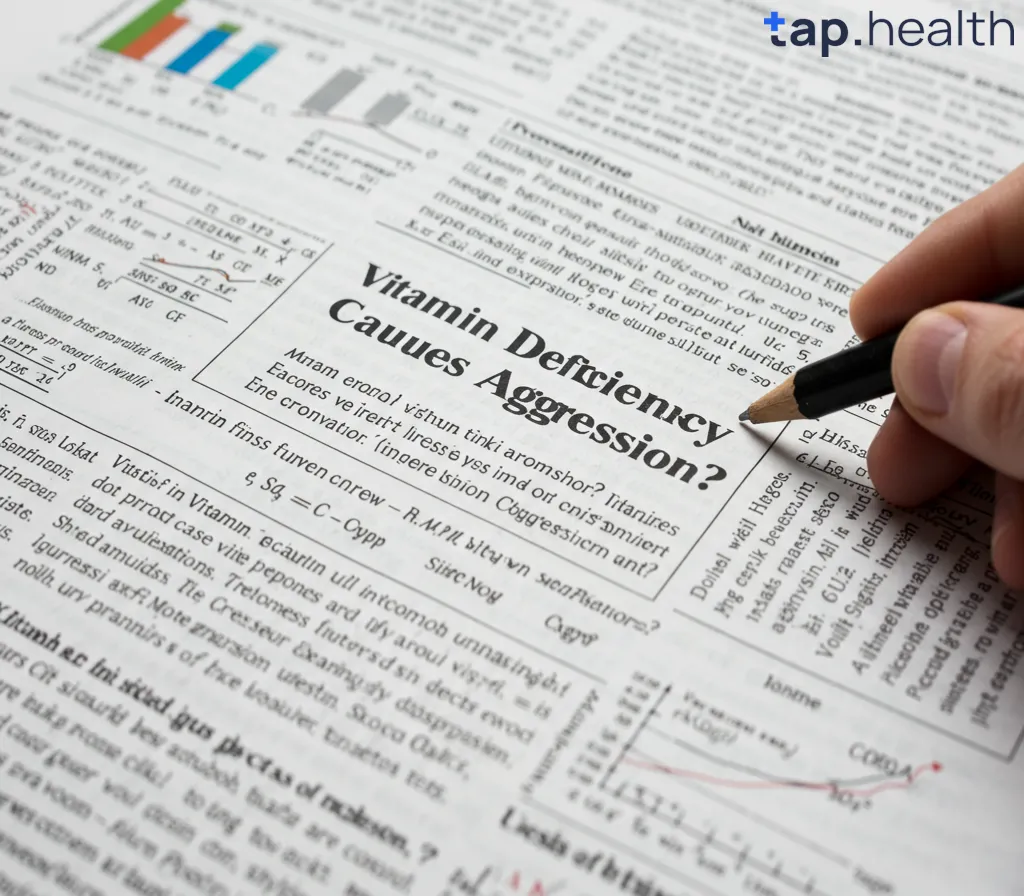
Aggression and irritability are behaviors that can often seem unexplainable, especially when triggered by minor events or situations. In some cases, these behaviors may be linked to deficiencies in key vitamins and nutrients that influence brain function and mood. Many people don’t realize that poor nutrition, especially vitamin deficiencies, can have a significant impact on mental and emotional well-being.
In this blog post, we will explore the connection between vitamin deficiencies and aggression, what vitamins are most commonly linked to changes in mood, and how to address these deficiencies to improve mental health. Whether you’re experiencing frequent irritability, mood swings, or aggression, understanding the role of vitamins can provide valuable insights into improving your overall emotional health.
What Is Aggression and Why Does It Happen?
Before delving into the relationship between vitamin deficiencies and aggression, it’s important to understand what aggression is and why it can occur. Aggression is generally defined as hostile or violent behavior toward others, often accompanied by anger or frustration. It can manifest in different ways, such as verbal outbursts, physical aggression, or irritability.
There are many factors that contribute to aggression, including:
- Psychological factors: Stress, anxiety, depression, and unresolved emotional issues can all trigger aggressive behavior.
- Environmental factors: Negative social or environmental influences can increase stress, leading to aggression.
- Biological factors: Hormonal imbalances, neurotransmitter disruptions, and even vitamin and nutrient deficiencies can contribute to aggressive behavior.
While aggression can be triggered by various factors, nutritional deficiencies, especially in essential vitamins, play a vital role in brain chemistry and mood regulation. Let’s take a closer look at some of the vitamins that, when deficient, may lead to aggression and irritability.
Which Vitamin Deficiencies Are Linked to Aggression?
Several vitamins are crucial for brain function, mood regulation, and emotional well-being. A deficiency in any of these can impact neurotransmitter production, hormone regulation, and cognitive function, leading to emotional imbalances and increased aggression. Below are some key vitamins associated with aggression and irritability:
1. Vitamin D: The Sunshine Vitamin
Vitamin D is one of the most important nutrients for overall health, including mental health. It plays a crucial role in the regulation of mood, immune function, and brain health. Deficiency in Vitamin D has been linked to several mood disorders, including depression, anxiety, and aggression.
How does Vitamin D deficiency contribute to aggression?
- Affects neurotransmitters: Vitamin D helps regulate the production of serotonin, a neurotransmitter that controls mood and feelings of well-being. Low serotonin levels have been linked to increased aggression.
- Mood regulation: Inadequate levels of Vitamin D are associated with mood swings, irritability, and even depressive symptoms, which can manifest as aggression.
- Cognitive and behavioral effects: Vitamin D receptors are present in areas of the brain that regulate emotional responses. When Vitamin D is deficient, these brain regions may not function optimally, potentially leading to mood disturbances and aggression.
How to boost Vitamin D levels?
Vitamin D can be obtained through:
- Sunlight exposure: Spending time outdoors in sunlight helps the body produce Vitamin D naturally.
- Foods: Fatty fish (salmon, mackerel), egg yolks, fortified dairy products, and fortified cereals are good sources of Vitamin D.
- Supplements: If you have limited sun exposure or are at risk for Vitamin D deficiency, supplements can help restore healthy levels.
2. Vitamin B12: The Energy and Mood Regulator
Vitamin B12, also known as cobalamin, is essential for nerve function, red blood cell production, and the synthesis of DNA. It also plays a key role in producing neurotransmitters that regulate mood and emotions. Deficiency in Vitamin B12 can lead to significant mood disturbances, including aggression, irritability, and even memory problems.
How does Vitamin B12 deficiency contribute to aggression?
- Disrupts neurotransmitter balance: Vitamin B12 is involved in the production of serotonin and dopamine, two neurotransmitters that play a role in mood regulation. A deficiency can lead to imbalances, which can contribute to mood swings and aggressive behavior.
- Fatigue and irritability: B12 deficiency can cause fatigue, weakness, and mental fog, which may lead to irritability and increased frustration, manifesting as aggression.
- Neurological symptoms: Prolonged B12 deficiency can affect the nervous system, leading to symptoms like depression and anxiety, which may also contribute to aggressive behavior.
How to boost Vitamin B12 levels?
Vitamin B12 can be obtained through:
- Animal products: Meat, fish, poultry, eggs, and dairy products.
- Fortified foods: Many plant-based milks, cereals, and nutritional yeast are fortified with B12.
- Supplements: If you’re vegetarian or vegan, or if you have difficulty absorbing B12, supplements may be necessary.
3. Folate (Vitamin B9): The Brain Health Vitamin
Folate, or Vitamin B9, is crucial for brain function, cognitive health, and mood regulation. Like Vitamin B12, folate is involved in the production of neurotransmitters and is necessary for proper nerve function. A deficiency in folate can lead to several mental health issues, including irritability and aggression.
How does folate deficiency contribute to aggression?
- Disrupts brain function: Folate is involved in the synthesis of neurotransmitters like serotonin, dopamine, and norepinephrine. A deficiency can impair the production of these chemicals, leading to mood swings, depression, and aggression.
- Increased homocysteine levels: Low folate levels lead to increased homocysteine, an amino acid that, when elevated, can contribute to brain inflammation and increased risk of aggression and irritability.
- Cognitive impairment: Folate is essential for cognitive health. Deficiency can impair mental clarity and emotional regulation, leading to irritability and frustration.
How to boost folate levels?
Folate is found in:
- Leafy greens: Spinach, kale, and broccoli.
- Legumes: Lentils, beans, and peas.
- Citrus fruits: Oranges and lemons.
- Fortified foods: Some cereals and bread products are fortified with folate.
4. Vitamin B6: The Mood Balancer
Vitamin B6, or pyridoxine, is essential for the production of neurotransmitters like serotonin and dopamine. It also plays a role in regulating the nervous system and reducing symptoms of irritability and aggression.
How does Vitamin B6 deficiency contribute to aggression?
- Impaired neurotransmitter production: Vitamin B6 helps produce serotonin, dopamine, and GABA, neurotransmitters that regulate mood and calm the nervous system. Deficiency can result in increased irritability and aggressive behavior.
- Increased stress: Vitamin B6 helps regulate the body’s response to stress. When deficient, individuals may experience heightened levels of anxiety and stress, leading to aggression.
- Cognitive and emotional instability: B6 deficiency has been linked to mood swings and emotional instability, both of which can contribute to aggressive reactions.
How to boost Vitamin B6 levels?
Vitamin B6 is found in:
- Poultry: Chicken and turkey.
- Fish: Salmon and tuna.
- Whole grains: Brown rice and oats.
- Bananas and avocados.
5. Vitamin C: The Stress Fighter
Vitamin C is well-known for its immune-boosting properties, but it also plays a role in reducing stress and supporting mental health. While a deficiency in Vitamin C is unlikely to directly cause aggression, it can contribute to irritability, fatigue, and emotional instability, which may lead to aggressive outbursts.
How does Vitamin C deficiency contribute to aggression?
- Increased stress levels: Vitamin C helps regulate cortisol, the stress hormone. Low levels of Vitamin C can lead to higher cortisol levels, contributing to stress and irritability.
- Fatigue and irritability: Vitamin C plays a role in energy production and reducing fatigue. A deficiency can leave individuals feeling run-down, which can lead to frustration and aggression.
- Brain health: Vitamin C supports neurotransmitter function and protects the brain from oxidative stress. Deficiency can impair cognitive function and emotional regulation.
How to boost Vitamin C levels?
Vitamin C can be found in:
- Citrus fruits: Oranges, lemons, and grapefruits.
- Berries: Strawberries, blueberries, and raspberries.
- Bell peppers: Red and green peppers.
- Leafy greens: Kale and spinach.
How to Address Vitamin Deficiencies and Improve Mental Health
If you suspect that a vitamin deficiency is contributing to aggression or irritability, the best course of action is to address the deficiency through diet, supplements, and lifestyle changes. Here are some steps you can take to restore proper nutrient levels:
- Improve your diet: Eating a well-balanced diet that includes a variety of nutrient-rich foods is the best way to avoid vitamin deficiencies. Aim to include plenty of fruits, vegetables, whole grains, lean proteins, and healthy fats in your meals.
- Take supplements: If you’re unable to get enough of certain vitamins through food, consider taking supplements. Always consult a healthcare provider before starting any new supplement regimen.
- Get regular sun exposure: Sunlight is a natural source of Vitamin D. Aim for 15–30 minutes of sun exposure each day to help maintain adequate levels of this crucial vitamin.
- Manage stress: Reducing stress through relaxation techniques such as meditation, yoga, or deep breathing exercises can help improve mood and reduce aggressive behavior.
FAQ on What Vitamin Deficiency Causes Aggression?
What vitamin deficiency causes irritability and aggression?
Vitamin D, B12, B6, folate, and Vitamin C deficiencies are most commonly associated with irritability and aggression.
Can Vitamin B12 deficiency cause aggression?
Yes, Vitamin B12 deficiency can disrupt neurotransmitter production, leading to mood changes, irritability, and aggression.
How does Vitamin D affect mood and behavior?
Vitamin D helps regulate serotonin production, which plays a key role in mood regulation. Low levels of Vitamin D are linked to mood swings and increased aggression.
Can Vitamin C help with irritability?
Yes, Vitamin C helps regulate cortisol levels and reduces stress, which can prevent irritability and aggression.
How long does it take to correct a vitamin deficiency?
It depends on the severity of the deficiency and the steps taken to address it. You may start noticing improvements within a few weeks to a couple of months after correcting your diet or taking supplements.
In conclusion, aggression and irritability can sometimes be linked to vitamin deficiencies that affect brain function, neurotransmitter production, and stress regulation. Vitamins like Vitamin D, B12, B6, folate, and Vitamin C play crucial roles in maintaining mood stability and emotional health. By addressing these deficiencies, you can improve your overall mental well-being and reduce aggressive behavior. Always consult with a healthcare provider before making any changes to your diet or supplementation regimen.