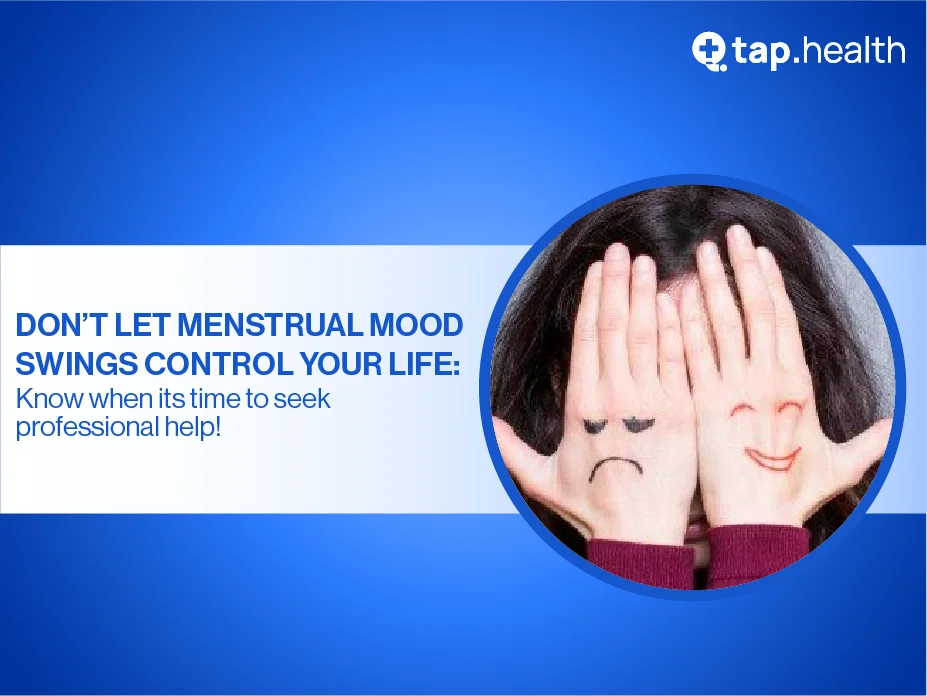
Mood swings during periods can be a challenging experience for many women. The hormonal changes that occur during this time can affect not only our physical well-being but also our emotional state. However, there are several strategies that can help us manage mood swings and maintain emotional stability throughout our menstrual cycle.
Understanding the Science Behind Mood Swings
Before exploring the strategies to control mood swings during periods, it is important to understand the science behind these fluctuations. Hormones play a crucial role in regulating our moods, and during our menstrual cycle, these hormones undergo significant changes.
Estrogen, often referred to as the “female hormone,” is not only involved in the development of female sexual characteristics but also plays a key role in mood regulation. It helps in the production of serotonin, a neurotransmitter that contributes to feelings of well-being and happiness. On the other hand, progesterone, another hormone that increases after ovulation, can have a calming effect on the brain but may also lead to drowsiness and mood changes.
The Role of Hormones in Mood Regulation
Hormones such as estrogen and progesterone interact with neurotransmitters in our brain that are responsible for regulating our emotions. Fluctuations in these hormones can lead to mood swings and emotional instability.
Moreover, cortisol, known as the stress hormone, can also impact our mood during the menstrual cycle. High levels of cortisol, often triggered by stress, can interfere with the balance of other hormones, exacerbating mood swings and feelings of anxiety or irritability.
The Connection Between Menstrual Cycle and Mood Swings
It is important to note that mood swings during periods are not solely attributed to hormonal changes. Factors such as stress, lifestyle, and individual differences can also contribute to emotional fluctuations. However, understanding the connection between our menstrual cycle and mood swings can help us develop effective coping mechanisms.
Furthermore, research suggests that the menstrual cycle can affect cognitive functions such as memory and attention. During certain phases of the cycle, women may experience difficulties in concentration and memory retrieval, which can impact their overall mood and emotional well-being. By recognizing these cognitive changes, individuals can better prepare and manage their tasks accordingly.
Dietary Management for Hormonal Balance
Managing our diet is a crucial aspect of controlling mood swings during periods. Certain foods can help regulate our hormones and promote emotional well-being.
Understanding the impact of different food groups on our hormonal balance can significantly influence our emotional health. By making informed choices about what we eat, we can support our body’s natural processes and maintain a more stable mood throughout the month.
Foods to Include for Hormonal Health
Incorporating foods rich in omega-3 fatty acids, such as salmon and flaxseeds, can help reduce inflammation and promote hormonal balance. These essential fatty acids play a vital role in supporting brain function and can contribute to a more positive outlook on life. Furthermore, consuming foods high in vitamin B6, such as bananas and spinach, can regulate serotonin levels and improve mood. Serotonin is often referred to as the “feel-good” neurotransmitter, and maintaining its balance is key to managing mood swings effectively.
Adding a variety of colorful fruits and vegetables to your diet can also provide essential vitamins and minerals that support hormonal health. For example, berries are rich in antioxidants that help combat oxidative stress in the body, while leafy greens like kale and broccoli offer a wealth of nutrients that support overall well-being.
Foods to Avoid During Menstruation
While it is essential to include certain foods in our diet, it is equally important to avoid foods that can exacerbate mood swings. Caffeine and refined sugars, for example, can disrupt hormonal balance and trigger emotional instability. Opting for herbal teas and limiting processed foods can help alleviate mood swings. Additionally, reducing the intake of alcohol and high-fat foods during menstruation can further support hormonal balance and reduce the severity of mood fluctuations.
By paying attention to how different foods make us feel and incorporating a variety of nutrient-dense options into our diet, we can empower ourselves to manage hormonal fluctuations more effectively. Experimenting with different recipes and meal plans that prioritize hormonal health can lead to a greater sense of emotional stability and well-being throughout the menstrual cycle.
The Role of Exercise in Emotional Health
A sedentary lifestyle can intensify mood swings during periods. Engaging in regular physical activity has numerous benefits for emotional well-being.
Exercise is not only crucial for physical health but also plays a significant role in maintaining emotional well-being. The connection between exercise and mental health is well-documented, with studies showing that regular physical activity can help alleviate symptoms of anxiety and depression. By incorporating exercise into our daily routine, we can experience improved mood, increased energy levels, and better stress management.
Benefits of Regular Physical Activity
Exercise stimulates the release of endorphins, also known as “feel-good” hormones, which can naturally elevate our mood and reduce stress. Furthermore, regular exercise enhances blood circulation and oxygen supply, promoting overall mental well-being.
In addition to the immediate mood-boosting effects, regular physical activity can also lead to long-term benefits for emotional health. Engaging in exercise can help build resilience against mental health disorders and improve self-esteem. The sense of accomplishment and empowerment that comes from setting and achieving fitness goals can have a profound impact on our emotional well-being.
Suitable Exercises During Menstruation
While exercising during periods may seem challenging, gentle exercises such as walking and yoga can help alleviate mood swings without causing discomfort. It is important to listen to our bodies and engage in activities that make us feel good while respecting our limitations.
During menstruation, the body undergoes hormonal changes that can affect energy levels and mood. Gentle exercises like stretching or low-impact aerobics can help relieve menstrual cramps and reduce feelings of fatigue. It’s essential to prioritize self-care during this time and choose exercises that provide comfort and relaxation.
Mind-Body Techniques for Emotional Stability
Practicing mind-body techniques can significantly contribute to emotional stability during periods. These techniques allow us to connect with our inner selves, reduce stress, and promote a positive mindset.
Emotional stability is crucial for navigating the ups and downs of daily life, especially during challenging periods. By incorporating various mind-body techniques into our routine, we can cultivate resilience and inner peace.
The Power of Meditation and Yoga
Meditation and yoga have been proven to reduce stress and anxiety, providing a sense of calmness and emotional stability. These ancient practices not only benefit our mental well-being but also enhance our physical health. Through mindful movement and focused breathing, individuals can tap into their inner strength and find balance amidst chaos.
Furthermore, the practice of yoga encourages self-awareness and self-compassion, fostering a deeper connection with oneself and others. By embracing mindfulness and gentle movement, individuals can release tension held in the body and mind, promoting emotional healing and stability.
Breathing Techniques for Stress Management
Deep breathing exercises, such as diaphragmatic breathing and alternate nostril breathing, can help regulate our nervous system and reduce stress levels. By focusing on the breath, we can anchor ourselves in the present moment and alleviate overwhelming emotions. These simple yet powerful techniques serve as anchors during turbulent times, offering a sense of grounding and clarity.
Moreover, conscious breathing practices not only calm the mind but also oxygenate the body, promoting relaxation and vitality. By incorporating breathwork into our daily routine, we can cultivate a sense of inner peace and emotional resilience, empowering us to navigate life’s challenges with grace and strength.
The Importance of Good Sleep Hygiene
Sleep plays a vital role in our emotional well-being. Poor sleep quality can exacerbate mood swings and impact our ability to manage emotions effectively.
The Link Between Sleep and Mood
A lack of quality sleep can disrupt the balance of hormones that regulate our mood. It can also affect cognitive function and increase feelings of irritability and anxiety. Prioritizing good sleep hygiene is essential for maintaining emotional stability during periods.
Tips for Improving Sleep Quality
Establishing a consistent sleep schedule, creating a comfortable sleeping environment, and practicing relaxation techniques before bed can significantly improve sleep quality. Limiting exposure to screens, avoiding caffeine before sleep, and engaging in a soothing bedtime routine can also contribute to a restful night’s sleep.
Herbal Remedies and Supplements
In addition to lifestyle modifications, certain herbal remedies and supplements have been found to help manage mood swings during periods.
Creating a Supportive Environment
Surrounding ourselves with a supportive network of family and friends who understand our experiences can positively impact our emotional well-being during periods. Engaging in open conversations and seeking emotional support when needed can make a significant difference.
When to Consult a Healthcare Professional
If mood swings during periods significantly interfere with daily activities and quality of life, it is important to consult a healthcare professional. They can provide further guidance, evaluate any underlying conditions, and recommend appropriate treatment options.
Conclusion
Controlling mood swings during periods requires a holistic approach that addresses hormonal changes, diet, exercise, and mind-body techniques. By implementing these strategies, we can enhance our emotional well-being and navigate our menstrual cycle with greater ease. Remember, it is essential to be patient and kind to ourselves during this time, as self-care plays a crucial role in managing mood swings and maintaining overall emotional stability.