tap.health logo
  • Diabetes Management
  • Health Assistant
  • About Us
  • Blog
  • Contact Us
Get Plan
  • Diabetes Management
  • Health Assistant
  • About Us
  • Blog
  • Contact Us
  • All Blogs
  • Product
  • The role of exercise in a balanced diet

The role of exercise in a balanced diet

Product
February 19, 2024
• 4 min read
Tap Health
Written by
Tap Health
ChatGPT Perplexity WhatsApp LinkedIn X Grok Google AI
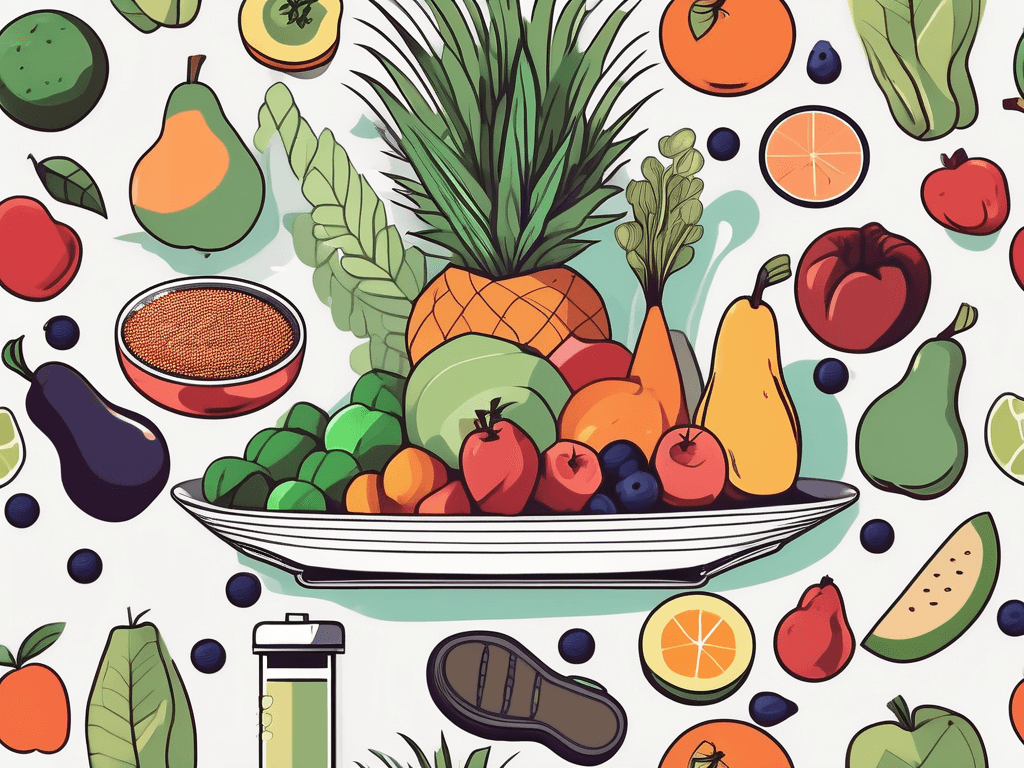
A variety of colorful fruits

A balanced diet is the cornerstone of good health, providing essential nutrients to fuel the body, support growth, and reduce chronic disease risk. When paired with regular exercise, a nutrient-rich diet becomes even more powerful, promoting physical and mental well-being. This blog explores the interplay of exercise and a balanced diet, the importance of essential nutrients, practical tips for maintaining a healthy lifestyle, and how physical activity enhances nutrient absorption.

What Is a Balanced Diet and Why Is It Important?

A balanced diet includes a variety of foods from different food groups in appropriate proportions, ensuring the body receives adequate carbohydrates, proteins, fats, vitamins, minerals, and fiber. It’s not just about what you eat but also how much, with portion control playing a critical role in preventing overeating or nutrient deficiencies.

Key Components of a Balanced Diet

  • Fruits and Vegetables: Rich in vitamins, minerals, antioxidants, and fiber, these support immune function and digestion.
  • Whole Grains: Provide complex carbohydrates for sustained energy and fiber for gut health.
  • Lean Proteins: Essential for tissue repair and muscle growth, found in meats, beans, and nuts.
  • Healthy Fats: Support brain health and nutrient absorption, sourced from avocados, olive oil, and seeds.
  • Hydration: Water aids digestion, nutrient absorption, and temperature regulation.

A balanced diet promotes healthy weight management, supports growth in children, and reduces the risk of heart disease, diabetes, and certain cancers. It also enhances energy levels, improves mental well-being, and strengthens immunity.

How Does Exercise Complement a Balanced Diet?

Exercise and a balanced diet work hand-in-hand to optimize health. While a nutrient-rich diet provides the fuel, physical activity enhances the body’s ability to utilize these nutrients effectively.

Benefits of Combining Exercise with a Balanced Diet

  1. Weight Management: Exercise burns calories, helping maintain a healthy weight when paired with proper portion control.
  2. Cardiovascular Health: Physical activity strengthens the heart, while a diet low in saturated fats reduces cholesterol and blood pressure.
  3. Mental Well-Being: Exercise releases endorphins, and nutrients like omega-3s support brain health, reducing the risk of mental health disorders.
  4. Chronic Disease Prevention: Regular exercise and a balanced diet lower the risk of obesity, diabetes, and heart disease.

Physical activity increases the body’s demand for nutrients, making a balanced diet even more critical for supporting performance and recovery.

How Does Physical Activity Impact Nutrient Absorption?

Exercise enhances the body’s ability to absorb and utilize nutrients, ensuring that the benefits of a balanced diet are maximized.

Key Ways Exercise Boosts Nutrient Utilization

  • Improved Metabolism: Physical activity increases metabolic rate, helping the body process carbohydrates, proteins, and fats more efficiently.
  • Enhanced Blood Flow: Exercise improves circulation, delivering nutrients to muscles and organs more effectively.
  • Increased Nutrient Demand: Active individuals require more energy and nutrients, making a balanced diet essential for recovery and performance.
  • Better Digestion: Regular movement supports gut health, aiding in the absorption of vitamins and minerals.

For example, post-workout meals rich in protein and carbohydrates help repair muscles and replenish energy stores, optimizing recovery.

Essential Nutrients and Their Sources

A balanced diet ensures the intake of essential nutrients, each playing a unique role in supporting health.

Macronutrients: The Building Blocks

  1. Proteins: Vital for muscle repair and growth. Sources include lean meats, fish, beans, lentils, nuts, and seeds.
  2. Carbohydrates: The body’s primary energy source. Opt for complex carbs like whole grains, fruits, and vegetables.
  3. Fats: Support hormone production and nutrient absorption. Healthy fats are found in avocados, olive oil, and nuts.

Micronutrients: Small but Mighty

  • Vitamins: Vitamin C (citrus fruits) boosts immunity, while vitamin D (fatty fish, fortified foods) supports bone health.
  • Minerals: Iron (lean meats, leafy greens) aids oxygen transport, and calcium (dairy, greens) strengthens bones.

Incorporating a variety of colorful fruits and vegetables ensures a broad spectrum of micronutrients, enhancing overall health.

Practical Tips for Maintaining a Balanced Diet

Achieving a balanced diet requires planning and informed choices. Here are actionable tips to help you succeed:

1. Plan and Prep Meals

  • Dedicate time to meal planning to include a variety of food groups.
  • Batch-cook healthy meals to avoid impulsive, unhealthy choices.
  • Stock your kitchen with nutrient-rich ingredients like whole grains, lean proteins, and fresh produce.

2. Make Informed Food Choices

  • Read food labels to avoid processed foods high in sugar, sodium, or unhealthy fats.
  • Experiment with new recipes to incorporate diverse fruits, vegetables, and proteins.
  • Prioritize whole, unprocessed foods for maximum nutrient density.

3. Practice Portion Control

  • Listen to your body’s hunger and fullness cues to avoid overeating.
  • Use smaller plates to manage portion sizes effectively.

4. Stay Hydrated

  • Drink water throughout the day and include water-rich foods like cucumbers and watermelon.
  • Limit sugary drinks to maintain overall health.

Long-Term Benefits of a Balanced Diet and Exercise

Adopting a balanced diet and regular exercise as a lifestyle yields significant long-term benefits:

  • Increased Longevity: Nutrient-rich diets reduce the risk of chronic diseases, promoting a longer, healthier life.
  • Improved Cognitive Health: Omega-3s and antioxidants protect against age-related cognitive decline.
  • Enhanced Energy and Performance: A balanced diet fuels daily activities, while exercise improves stamina and strength.
  • Better Mental Health: Nutrient-dense foods and physical activity reduce stress and improve mood.

By prioritizing nutrition and exercise, you invest in your future well-being, ensuring vitality as you age.

Common Questions About Exercise and a Balanced Diet

How Often Should I Exercise to Complement a Balanced Diet?

Aim for at least 150 minutes of moderate aerobic activity or 75 minutes of vigorous activity per week, paired with strength training twice weekly, to maximize health benefits.

What Should I Eat Before and After Exercise?

  • Pre-Workout: Opt for a small meal with carbs and protein, like a banana with peanut butter, 1–2 hours before exercising.
  • Post-Workout: Consume a mix of protein and carbs, such as a smoothie with Greek yogurt and berries, to aid recovery.

Can I Achieve a Balanced Diet Without Exercise?

While a balanced diet alone provides significant health benefits, combining it with exercise enhances weight management, nutrient absorption, and overall well-being.

Conclusion

A balanced diet, rich in essential nutrients, is vital for optimal health, supporting everything from weight management to disease prevention. When paired with regular exercise, it becomes a powerful tool for enhancing physical performance, mental well-being, and nutrient absorption. By incorporating practical strategies like meal planning, informed food choices, and portion control, you can maintain a healthy lifestyle. Prioritizing both nutrition and physical activity ensures long-term benefits, paving the way for a vibrant, healthy future.


Tags
blood sugar test diabetes foot care insulin sensitivity diabetes warning signs diabetes myths weight loss diabetes Indian foods for insulin resistance diabetic foot ulcer diabetes lipid profile insulin resistance fatty liver diabetes urine infection diabetic leg cramps blood glucose monitoring diabetes and constipation diabetes foot swelling can diabetics eat dates can diabetics eat sweet potato paneer diabetes amla for diabetes is avocado good for diabetes rava upma diabetes prediabetes diabetic foot type 2 diabetes risk normal blood sugar levels diabetes facts insulin resistance weight loss improve insulin sensitivity diabetes foot wound cholesterol in diabetes diabetes skin problems frequent UTI diabetes diabetes nerve pain legs metformin for diabetes constipation diabetes can diabetics eat banana dates for diabetes sweet potato blood sugar poha for diabetes amla juice diabetes avocado blood sugar makhana for diabetes Medicine diabetes prevention foot health diabetes and sleep fasting blood sugar diabetes misconceptions diabetes medicine safety diabetic neuropathy symptoms diabetic foot ulcer warning signs can diabetics eat mango diabetes itching urinary infection diabetes diabetes slow wound healing metformin side effects diabetes numbness in hands banana for diabetes dates blood sugar jaggery for diabetes is poha good for diabetes amla blood sugar chia seeds for diabetes fox nuts diabetes Health A1C gestational diabetes poor sleep blood sugar HbA1c diabetes symptoms in women diabetes medicines diabetes nerve damage diabetes and blood pressure mango and diabetes dark patches diabetes diabetes stomach problems diabetes wounds metformin safety diabetes tingling hands banana blood sugar papaya for diabetes is jaggery good for diabetes poha blood sugar guava for diabetes chia seeds blood sugar makhana blood sugar Lifestyle blood sugar pregnancy diabetes sleep and diabetes diabetes in India women diabetes signs diabetes treatment advice tingling feet diabetes high blood pressure diabetes mango sugar diabetes walking after meals for diabetes diabetic gastroparesis diabetic wound care diabetes ketoacidosis warning signs diabetic neuropathy hands coconut water and diabetes is papaya good for diabetes gur for diabetes sprouts for diabetes can diabetics eat guava are chia seeds good for diabetes Home remedies fasting glucose blood sugar pregnancy diabetes and stress diabetes risk factors India diabetes risk women Indian diabetic diet chart diabetes eye disease diabetes heart kidney risk diabetes reversal vs remission post meal walk diabetes diabetes bloating nausea diabetes yeast infection DKA symptoms fasting with diabetes coconut water for diabetes papaya blood sugar watermelon for diabetes are sprouts good for diabetes guava blood sugar quinoa for diabetes Fitness A1C test low blood sugar stress blood sugar diabetes prevention India diabetes symptoms in men diabetic meal plan diabetic eye test borderline HbA1c diabetes remission walking lowers blood sugar diabetes sick day rules diabetes fungal infection ketones diabetes diabetes fasting safety can diabetics drink coconut water oats for diabetes can diabetics eat watermelon sprouts blood sugar orange for diabetes is quinoa good for diabetes Prevention diabetes diet hypoglycemia cortisol diabetes best fruits for diabetes men diabetes signs HbA1c test high protein breakfast for diabetes HbA1c 5.7 to 6.4 reverse type 2 diabetes diabetes grocery list India diabetes during illness diabetes vaginal itching diabetes blurry vision can diabetics fast curd for diabetes oatmeal diabetes watermelon blood sugar methi seeds for diabetes can diabetics eat oranges quinoa blood sugar Hygiene balanced meals diabetes safety diabetes eye care diabetes fruits diabetes risk men HbA1c normal range diabetes breakfast India prediabetes HbA1c diabetes plate method diabetic food list India blood sugar fever infection diabetes night sweats high blood sugar blurry vision insulin injection sites is curd good for diabetes are oats good for diabetes apple for diabetes fenugreek for diabetes orange blood sugar dal for diabetes Ailments healthy eating diabetes heart health diabetic retinopathy fruit and blood sugar type 1 diabetes how to lower HbA1c diabetic breakfast ideas post-meal blood sugar Indian diabetes plate foods for diabetes shopping diabetes and alcohol low blood sugar at night diabetes excessive thirst insulin site rotation diabetes curd milk for diabetes can diabetics eat apple methi diabetes brown bread for diabetes lentils for diabetes Hindi why diabetes is considered as a lifestyle disease blood pressure diabetes eye test rice and diabetes type 1 diabetes symptoms fasting sugar normal range PCOS and diabetes blood sugar after food diabetes portion control diabetes kidney tests alcohol blood sugar diabetes diabetes sweating at night diabetes dry mouth insulin lumps tea and coffee in diabetes can diabetics drink milk apple blood sugar cinnamon for diabetes bread for diabetes which dal is good for diabetes skin diseases lifestyle diabetes cholesterol diabetes kidney care can diabetics eat rice insulin diabetes high fasting blood sugar PCOS insulin resistance postprandial glucose low glycaemic index foods for diabetes urine albumin diabetes can diabetics drink alcohol diabetes headache frequent urination diabetes diabetes weight gain coffee diabetes best milk for diabetes eggs for diabetes cinnamon blood sugar whole wheat bread diabetes idli for diabetes acne vulgaris symptoms type 2 diabetes lifestyle disease living with diabetes diabetic kidney disease diabetes diet India prediabetes diet reverse prediabetes naturally PCOS diabetes risk dawn phenomenon diabetes low GI foods India eGFR diabetes diabetes and dizziness high blood sugar headache diabetes fatigue diabetes and weight gain tea diabetes peanuts for diabetes are eggs good for diabetes dalchini for diabetes dosa for diabetes can diabetics eat idli AI Search exercise and diabetes diabetes habits kidney tests diabetes morning blood sugar prediabetes food prediabetes reversal gestational diabetes diet Indian morning sugar high diabetes low GI diet diabetes and dental problems dizziness diabetes low blood sugar headache diabetes tiredness insulin weight gain roti for diabetes are peanuts good for diabetes egg diabetes bitter gourd for diabetes can diabetics eat dosa idli blood sugar type 2 diabetes blood sugar control diabetes management high blood sugar symptoms fasting sugar high lower diabetes risk how to prevent type 2 diabetes pregnancy diabetes diet high fasting sugar in morning diabetes and fatty liver diabetes gum disease low sugar dizziness blood sugar monitoring at home high blood sugar tiredness diabetes swollen feet best roti for diabetes peanuts blood sugar paneer for diabetes karela juice diabetes dosa blood sugar upma for diabetes early signs of diabetes physical activity insulin resistance hyperglycemia symptoms dawn phenomenon diabetes and weight loss insulin resistance diet gestational diabetes meal plan diabetes and cholesterol fatty liver diabetes dry mouth diabetes diabetes leg pain when to check blood sugar diabetes constipation swollen feet diabetes chapati diabetes sweet potato for diabetes is paneer good for diabetes bitter gourd blood sugar avocado for diabetes is upma good for diabetes
More blogs
Varshitha Sotala
Varshitha Sotala
• June 4, 2026
• 19 min read

Upma for Diabetes: Blood Sugar Impact, Rava Portion Size, Vegetable Add-Ins, and Tips

A practical guide to upma for diabetes, including rava, blood sugar impact, portion size, vegetables, protein add-ins, and breakfast mistakes.

Diabetes
A variety of colorful fruits
Naimish Mishra
Naimish Mishra
• June 4, 2026
• 19 min read

Chia Seeds for Diabetes: Blood Sugar Benefits, Fibre, How to Use, and Safety Tips

A detailed guide to chia seeds for diabetes, including fibre, blood sugar effects, portion size, soaking, digestion, and medicine safety.

Diabetes
A variety of colorful fruits
Nishat Anjum
Nishat Anjum
• June 4, 2026
• 19 min read

Dal for Diabetes: Best Lentils, Blood Sugar Benefits, Portion Size, and Indian Meal Tips

A detailed Indian guide to dal for diabetes, including lentil types, protein, fibre, portion size, tadka choices, and meal balancing.

Diabetes
A variety of colorful fruits
Do you remember your last sugar reading?
Log and Track your glucose on the Tap Health App
All logs in one place
Smart trend graphs
Medicine Reminder
100% Ad Free
Download Now

Missed your diabetes meds

again? Not anymore.

Get medicine reminders on your phone.

✓ Glucose diary and Insights
✓ Smart Nudges
✓ All logs at one place
✓ 100% Ad free
Download Free
tap health
tap.health logo
copyright © 2025
2nd Floor,Plot No 4, Minarch Tower,
Sector 44,Gurugram, 122003,
Haryana, India
  • About Us
  • Blog
  • Doctor login
  • Contact Us
  • Privacy Policy
  • Return / Shipping Policy
  • Terms and Conditions
Get Your Free AI Diabetes Coach