Maintaining posture and equilibrium is essential for our everyday movements and activities. From standing upright to walking, running, or even sitting still, our body needs a perfect balance to function smoothly. But have you ever wondered which part of the brain is responsible for keeping us balanced and ensuring our posture is stable?
In this article, we will explore the key brain region responsible for posture and equilibrium: the cerebellum. We’ll dive into how this small yet crucial part of the brain coordinates balance, motor control, and body movement. Along the way, we’ll answer some important questions about balance and posture, so let’s get started!
What is Posture and Equilibrium?
Before we discuss which part of the brain controls posture and equilibrium, it’s important to understand what these terms mean.
Posture
Posture refers to the position in which we hold our bodies while standing, sitting, or lying down. Good posture helps to distribute the body’s weight evenly and prevents strain on muscles and joints. Maintaining proper posture also helps reduce the risk of injuries and supports the function of organs.
Equilibrium
Equilibrium refers to the body’s ability to maintain balance. It involves a complex system that helps the body stay steady, whether we are sitting, standing, or moving. Our equilibrium allows us to stay upright, avoid falling, and make coordinated movements.
Which Part of the Brain is Responsible for Maintaining Posture and Equilibrium?
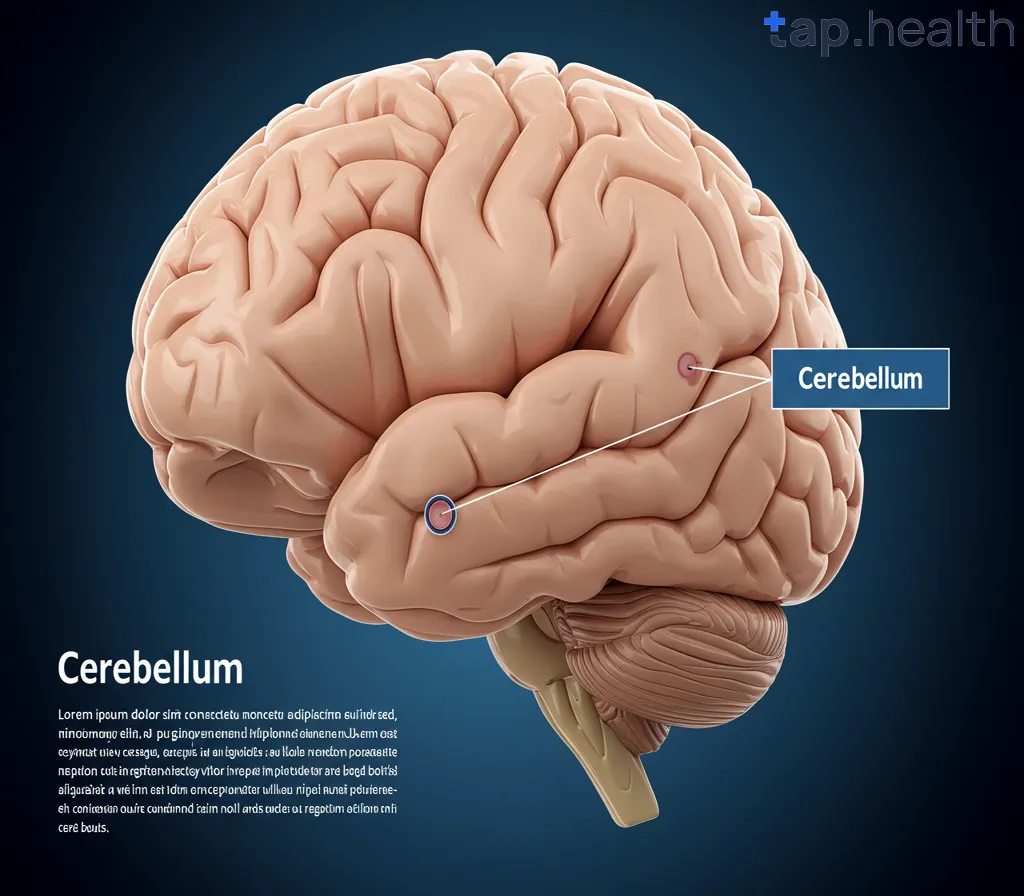
The cerebellum is the part of the brain that plays the primary role in maintaining posture and equilibrium. Despite being only about the size of a fist, the cerebellum is responsible for a wide range of crucial functions, including balance, coordination, and motor control.
The Cerebellum: The Brain’s Balance Center
The cerebellum is located at the back of the brain, below the cerebrum, and behind the brainstem. It is divided into two hemispheres and is involved in processing information from the sensory systems, spinal cord, and other parts of the brain to fine-tune movement and coordination.
One of the key functions of the cerebellum is to maintain equilibrium, which is essential for posture and movement. It constantly receives input about the position of different body parts and makes rapid adjustments to help us maintain our balance.
How Does the Cerebellum Maintain Posture and Equilibrium?
The cerebellum works in coordination with other brain regions and the body’s sensory systems to maintain posture and balance. Let’s break down the process:
- Sensory Input: The cerebellum receives sensory information from several sources:
- Vestibular System: The inner ear, specifically the semicircular canals and otolith organs, detects changes in head position and movement. This information is crucial for maintaining balance.
- Proprioception: Sensory receptors in the muscles and joints provide feedback on body position and movement.
- Visual Information: The eyes help detect changes in the body’s position in relation to the surrounding environment.
- Processing Information: The cerebellum processes this sensory input and compares the body’s current position with the desired or ideal position. It does this by sending signals to the motor cortex, which controls voluntary muscle movements.
- Motor Coordination: The cerebellum then coordinates the muscles to make adjustments, such as shifting weight or moving limbs, to correct posture or maintain balance. It helps smooth out movements, making them fluid and precise.
- Fine-tuning Movements: The cerebellum constantly fine-tunes ongoing movements by adjusting muscle tone, coordination, and timing. It makes sure that even slight changes in posture or movement are adjusted immediately, preventing falls or imbalances.
What Happens When the Cerebellum is Damaged?
If the cerebellum is damaged, it can lead to a range of problems with posture and equilibrium. Since the cerebellum is so crucial for balance and coordination, any disruption to its functioning can result in difficulties with movement.
Common Symptoms of Cerebellum Damage
- Ataxia: A condition characterized by uncoordinated movements and loss of balance.
- Dizziness: People with cerebellar dysfunction may experience dizziness or vertigo due to the loss of equilibrium control.
- Difficulty with Fine Motor Skills: Tasks like writing, typing, or buttoning a shirt may become difficult due to the lack of motor coordination.
- Postural Instability: Difficulty standing upright or maintaining a stable posture.
- Tremors: Uncontrollable shaking or trembling of the hands, arms, or other body parts.
Damage to the cerebellum can be caused by various factors, such as strokes, head injuries, infections, or degenerative diseases like cerebellar atrophy.
How Does the Cerebellum Interact with Other Parts of the Brain?
While the cerebellum is primarily responsible for maintaining posture and equilibrium, it works in conjunction with other parts of the brain to ensure smooth and coordinated movements. These include:
The Brainstem
The brainstem, which connects the brain to the spinal cord, is involved in regulating basic life functions such as heart rate and breathing. It also plays a role in maintaining balance by coordinating reflexes that help with posture. The brainstem and cerebellum work together to regulate automatic responses to changes in balance, such as adjusting muscle tone and posture.
The Motor Cortex
The motor cortex is located in the frontal lobe of the cerebrum and is responsible for initiating voluntary movements. The cerebellum sends signals to the motor cortex to refine and adjust these movements, ensuring they are smooth and well-coordinated.
The Vestibular System
The vestibular system, located in the inner ear, is responsible for detecting changes in head position and movement. It sends information to the cerebellum, which uses this input to maintain balance and posture. This system is especially important when we are moving or changing positions.
Why is the Cerebellum So Important for Posture and Balance?
The cerebellum’s primary role in posture and equilibrium is vital for several reasons:
1. Preventing Falls and Injuries
By maintaining balance and coordinating movements, the cerebellum helps prevent falls. If the cerebellum didn’t function properly, even simple tasks like standing or walking could become dangerous.
2. Enhancing Motor Coordination
The cerebellum ensures that our movements are precise, coordinated, and fluid. Whether we are walking, running, or even performing tasks like typing, the cerebellum helps us perform these actions smoothly.
3. Adaptability to Changes
The cerebellum allows us to adapt to changes in our environment, such as uneven surfaces or unexpected obstacles. By constantly adjusting our posture and balance, it ensures we can stay upright and steady in a variety of conditions.
4. Facilitating Complex Movements
The cerebellum is also important for more complex motor tasks, such as playing a musical instrument or participating in sports. These activities require fine-tuned coordination between various muscles, and the cerebellum helps make these movements precise.
Other Factors that Contribute to Posture and Equilibrium
While the cerebellum plays a central role in maintaining posture and equilibrium, other factors and systems in the body also contribute to balance and coordination:
1. Proprioception
Proprioception refers to the body’s ability to sense its position and movement in space. Receptors in muscles, tendons, and joints provide feedback to the brain, allowing it to adjust posture and movements.
2. Visual Information
Our vision helps maintain balance by allowing us to see and adjust to the environment around us. Visual cues are processed in the brain and integrated with input from the cerebellum to maintain stability.
3. The Musculoskeletal System
The strength and flexibility of our muscles and joints are crucial for maintaining posture and equilibrium. Proper muscle tone and joint function help the body stay balanced and stable.
Frequently Asked Questions (FAQs) on Which Part of the Brain Maintains Posture and Equilibrium of the Body?
1. Which Part of the Brain is Responsible for Maintaining Posture and Equilibrium?
The cerebellum is the primary part of the brain responsible for maintaining posture and equilibrium. It coordinates balance and motor control by processing sensory information and adjusting movements to ensure stability.
2. What Happens if the Cerebellum is Damaged?
If the cerebellum is damaged, it can lead to issues with coordination, balance, and posture. Symptoms may include dizziness, uncoordinated movements (ataxia), difficulty walking, and tremors.
3. How Does the Cerebellum Work with Other Brain Parts?
The cerebellum works with other parts of the brain, such as the brainstem, motor cortex, and vestibular system, to maintain balance and posture. These areas communicate to refine movement and adjust to changes in body position.
4. What is Ataxia?
Ataxia is a condition caused by damage to the cerebellum, leading to a lack of coordination and difficulty with balance. People with ataxia may experience unsteady movements, difficulty walking, and problems with fine motor skills.
5. Can Posture and Equilibrium Be Improved with Exercise?
Yes, exercises that focus on balance, coordination, and flexibility can improve posture and equilibrium. Activities like yoga, Pilates, and balance training can strengthen the muscles and systems involved in maintaining good posture and stability.
In conclusion, the cerebellum plays a crucial role in maintaining posture and equilibrium by processing sensory information, coordinating muscle movements, and making adjustments to keep the body stable. While the cerebellum is the primary brain region responsible for balance, it works with other brain regions and body systems to ensure smooth and coordinated movements. Understanding how the cerebellum functions gives us insight into the complex and remarkable process of maintaining balance and posture in our daily lives.