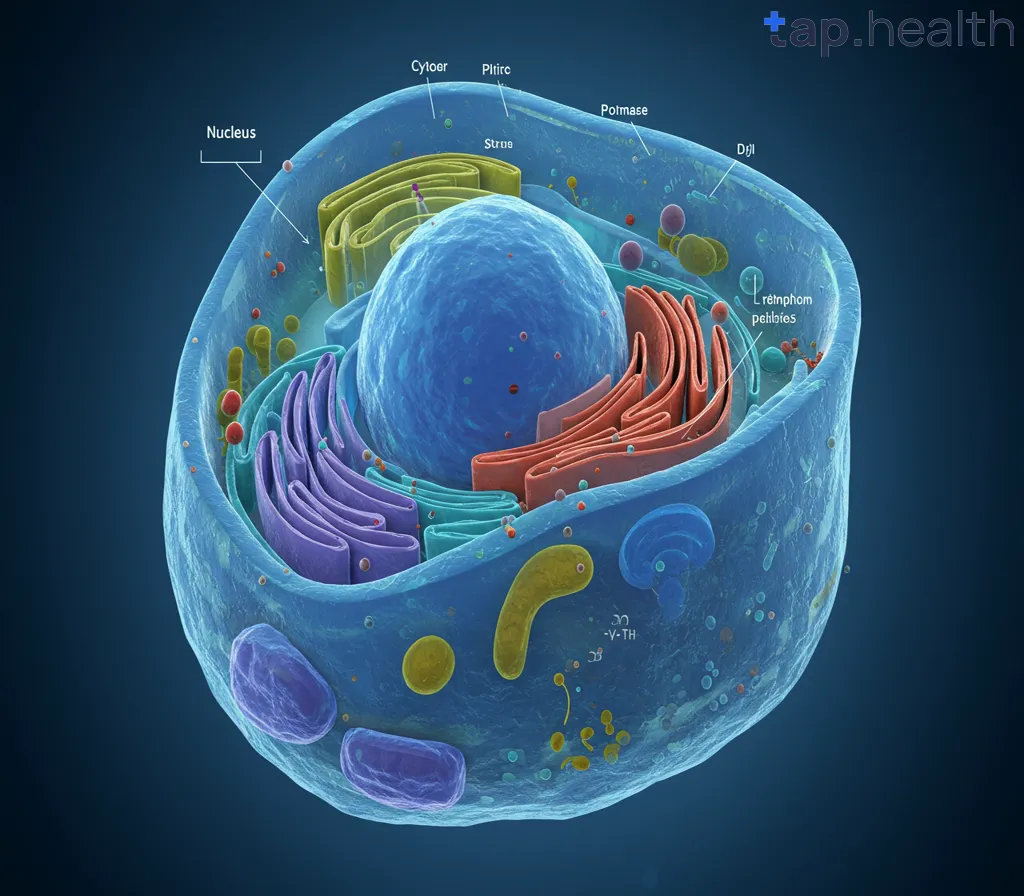
The cell, often described as the basic unit of life, has many crucial components, each performing specific tasks to keep the cell alive and functioning properly. One of the most vital parts of the cell is the nucleus. This small, but powerful structure is often referred to as the “brain of the cell.” But why is that? In this article, we will dive deep into the reasons behind this title and explore the important role the nucleus plays in cellular life.
What is the Nucleus?
Before understanding why the nucleus is called the brain of the cell, it’s important to know exactly what the nucleus is and what it does. The nucleus is a membrane-bound organelle found in eukaryotic cells (cells with a defined nucleus). It is the largest organelle within the cell and houses the cell’s genetic material, in the form of DNA (Deoxyribonucleic Acid). This genetic material carries all the instructions needed for the cell to grow, divide, and perform all of its essential functions.
Structure of the Nucleus
The nucleus is composed of several components that work together to manage cellular activities:
- Nuclear Envelope: A double-layered membrane that surrounds the nucleus and separates its contents from the rest of the cell.
- Nuclear Pores: Tiny holes in the nuclear envelope that allow materials to pass in and out of the nucleus.
- Nucleoplasm: A jelly-like substance inside the nucleus where the DNA and other components are suspended.
- Chromatin: Long strands of DNA wrapped around proteins, found inside the nucleus. When the cell is not dividing, chromatin appears as a tangled mass. During cell division, it condenses to form visible chromosomes.
- Nucleolus: A dense structure within the nucleus responsible for producing ribosomes.
Why is the Nucleus Called the Brain of the Cell?
The nucleus is often referred to as the “brain” of the cell because, just like how the brain controls and regulates functions in the body, the nucleus does the same for the cell. It serves as the control center of the cell, managing a variety of essential processes that sustain life.
1. Control of Cell Activities
Just like how the brain sends signals to different parts of the body, the nucleus controls almost all of the cell’s activities. It contains the DNA, which holds the instructions necessary for the cell to function properly. This includes regulating growth, metabolism, energy production, protein synthesis, and even cell division. Without the instructions in the DNA, the cell would not be able to perform its tasks.
2. Gene Expression and Regulation
The nucleus controls gene expression. Gene expression is the process by which specific genes (segments of DNA) are turned on or off to produce proteins that the cell needs. These proteins are essential for various cellular processes, including communication, repair, and maintenance.
The brain controls behavior and bodily functions, while the nucleus manages the cell’s functions through the regulation of gene expression.
3. Cell Division and Reproduction
One of the most critical roles of the nucleus is in cell division. The nucleus ensures that the cell’s genetic material is copied accurately during mitosis and meiosis. In mitosis, the nucleus divides to form two identical cells, each with a complete set of DNA. In meiosis, which is the process for reproduction, the nucleus reduces the DNA in half, creating gametes (sperm or egg cells) for sexual reproduction.
This process is fundamental to life, ensuring the continuation of the organism. Without the nucleus and its role in cell division, life as we know it would not exist.
Functions of the Nucleus
The nucleus has several critical functions, all contributing to the overall well-being of the cell.
1. Storage and Protection of Genetic Material
The nucleus is responsible for storing and protecting the genetic material in the form of DNA. DNA contains all the necessary information for the cell’s survival, development, and reproduction. The nuclear envelope, with its double membrane structure, acts as a protective barrier, keeping the DNA safe from damage.
2. DNA Replication
Before a cell divides, it must duplicate its DNA to ensure that each daughter cell has a complete set of genetic instructions. This process, known as DNA replication, takes place within the nucleus. The accurate copying of DNA is vital for maintaining the integrity of the organism and preventing genetic mutations.
3. RNA Synthesis
The nucleus is responsible for synthesizing messenger RNA (mRNA) from the DNA template. This mRNA carries genetic instructions from the nucleus to the cytoplasm, where it is used to make proteins. This process, known as transcription, is crucial for producing the proteins that the cell needs to perform its functions.
How Does the Nucleus Communicate with the Rest of the Cell?
While the nucleus acts as the cell’s brain, it does not work in isolation. It communicates with the rest of the cell to ensure that all processes are synchronized. Here’s how:
1. Nuclear Pores
The nuclear envelope contains nuclear pores, which regulate the exchange of materials between the nucleus and the cytoplasm. These pores allow messenger RNA (mRNA) to leave the nucleus and enter the cytoplasm, where protein synthesis occurs. The pores also permit the entry of molecules such as nucleotides and enzymes that are needed for processes like DNA replication and transcription.
2. Signals for Cellular Function
The nucleus receives chemical signals from the cell’s environment and from other cells. These signals can trigger changes in gene expression or activate certain cellular processes. This is similar to how the brain processes information from the body and sends out signals to make the body respond accordingly.
What Happens if the Nucleus Malfunctions?
If the nucleus is damaged or malfunctions, it can lead to a range of problems within the cell. The most common consequence of nuclear malfunction is genetic mutation. If the DNA is not copied correctly, the cell might produce faulty proteins, leading to diseases or disorders.
1. Cancer
One of the most serious consequences of nuclear malfunction is the development of cancer. Cancer occurs when mutations in the DNA cause uncontrolled cell division. The nucleus is unable to regulate cell division properly, leading to the formation of tumors. Cancer cells often exhibit abnormal DNA or malfunctioning gene expression, which starts in the nucleus.
2. Genetic Disorders
If there is a problem with the DNA in the nucleus, genetic disorders can arise. Conditions such as Down Syndrome, Cystic Fibrosis, and Sickle Cell Anemia are caused by genetic mutations that occur within the DNA stored in the nucleus. These diseases often result from errors in the replication or expression of certain genes.
Frequently Asked Questions (FAQs) on Why Nucleus is Called the Brain of the Cell
1. Why is the Nucleus Called the Brain of the Cell?
The nucleus is called the “brain” of the cell because it controls most of the cell’s activities, just as the brain controls the body’s activities. It regulates cell growth, metabolism, protein synthesis, and cell division by controlling gene expression through the DNA stored inside it.
2. What are the Main Parts of the Nucleus?
The nucleus consists of several key parts:
- Nuclear Envelope: The double membrane surrounding the nucleus.
- Nuclear Pores: Small openings in the envelope that regulate material exchange.
- Nucleoplasm: A gel-like substance inside the nucleus.
- Chromatin: DNA strands coiled around proteins.
- Nucleolus: A structure that produces ribosomes.
3. What is the Role of DNA in the Nucleus?
DNA in the nucleus contains the instructions for all cellular activities. It dictates how the cell grows, divides, and responds to external stimuli. The DNA is copied during cell division and used to create proteins essential for life.
4. How Does the Nucleus Control Protein Production?
The nucleus controls protein production through the process of transcription, where it creates messenger RNA (mRNA) from the DNA template. The mRNA then leaves the nucleus and enters the cytoplasm, where it is used to synthesize proteins on ribosomes.
5. What Happens if the Nucleus is Damaged?
If the nucleus is damaged, the cell may suffer from genetic mutations, leading to diseases such as cancer or genetic disorders. Proper DNA replication and gene expression are essential for healthy cell function, and any disruption to these processes can have serious consequences.
In conclusion, the nucleus is often called the “brain of the cell” because it acts as the control center, managing crucial functions like growth, division, and protein synthesis. By understanding the nucleus’s structure and its essential roles, we can appreciate its importance in maintaining cellular and organismal health.