tap.health logo
  • Diabetes Management
  • Health Assistant
  • About Us
  • Blog
  • Contact Us
Get Plan
  • Diabetes Management
  • Health Assistant
  • About Us
  • Blog
  • Contact Us
  • All Blogs
  • Product
  • 10 Tips for Prevention and Control of Asthma

10 Tips for Prevention and Control of Asthma

Product
February 22, 2024
• 4 min read
Yasaswini Vajupeyajula
Written by
Yasaswini Vajupeyajula
ChatGPT Perplexity WhatsApp LinkedIn X Grok Google AI
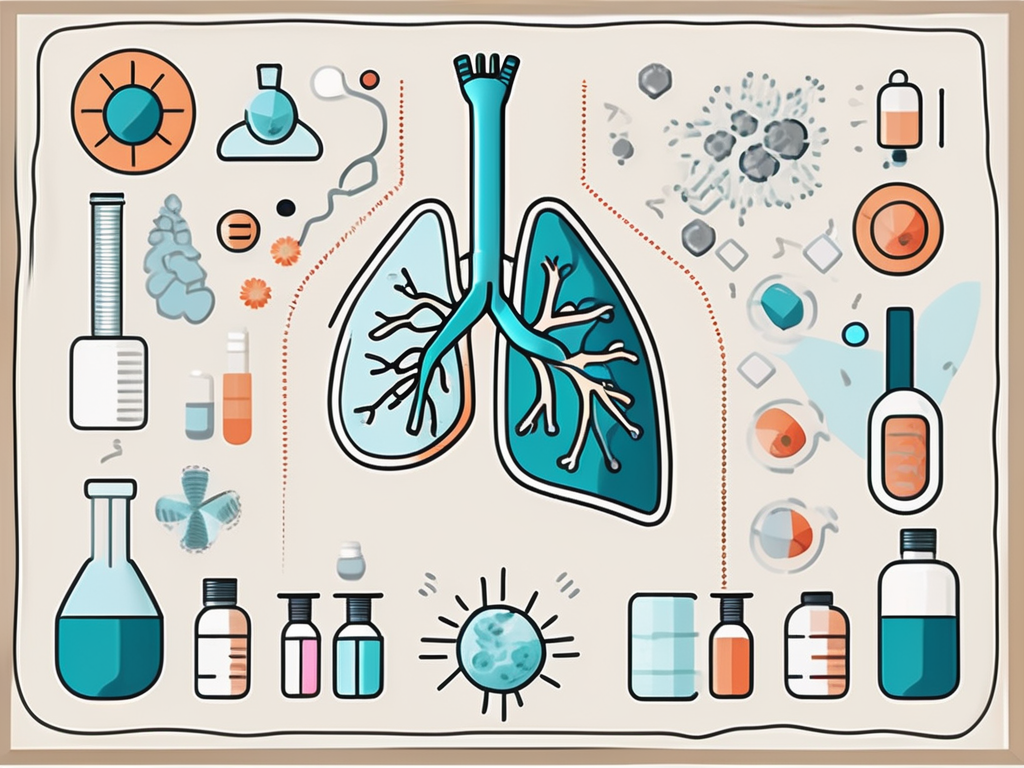
Various asthma management tools such as an inhaler

Asthma, a chronic respiratory condition, affects millions globally, causing symptoms like wheezing, shortness of breath, and chest tightness. Effective management involves understanding triggers, adhering to medications, and adopting lifestyle changes. This blog outlines 10 actionable tips to prevent and control asthma, empowering you to live a healthier, more comfortable life. By incorporating these strategies, you can reduce asthma attacks and improve your quality of life.

What Is Asthma and How Does It Affect You?

Asthma is a chronic inflammatory disease that narrows airways, leading to symptoms such as coughing, wheezing, and difficulty breathing. It varies in severity, with some experiencing mild, occasional symptoms and others facing persistent challenges. According to the World Health Organization, over 235 million people worldwide live with asthma, with higher prevalence in urban areas. Understanding asthma’s impact is key to managing it effectively.

Common Asthma Symptoms

Recognizing asthma symptoms early ensures timely intervention. Key signs include:

  • Coughing, especially at night or early morning
  • Wheezing, a whistling sound during exhalation
  • Shortness of breath, making physical activity challenging
  • Chest tightness, causing discomfort

Lesser-known symptoms may include restless sleep, fatigue, difficulty concentrating, or reduced exercise tolerance. Consult a healthcare provider if these symptoms persist for an accurate diagnosis.

What Causes Asthma?

Asthma results from a mix of genetic and environmental factors. A family history of asthma or allergies increases risk, but environmental triggers like pollen, dust mites, or air pollution often play a significant role. Respiratory infections and early allergen exposure can also contribute. Identifying personal triggers is critical for prevention.

Tip 1: Identify and Avoid Asthma Triggers

How can I prevent asthma attacks? Pinpointing triggers is a cornerstone of asthma prevention. Common triggers include allergens (pollen, pet dander, mold), air pollution, tobacco smoke, and stress. Keep a symptom diary to track patterns and avoid triggers by:

  • Using dust-proof mattress and pillow covers
  • Avoiding outdoor activities during high pollen seasons
  • Reducing exposure to smoke or strong odors

By minimizing contact with triggers, you can significantly reduce asthma flare-ups.

Tip 2: Create a Personalized Asthma Action Plan

What is an asthma action plan? An asthma action plan is a tailored guide developed with your healthcare provider. It outlines:

  • How to manage daily symptoms
  • When to use medications
  • Steps to take during worsening symptoms
  • When to seek emergency care

This plan empowers you to respond proactively to changes in your condition, ensuring better control.

Tip 3: Adhere to Asthma Medications

What types of asthma medications are available? Asthma medications fall into two categories:

  • Relievers: Short-acting bronchodilators (e.g., albuterol) provide quick relief by relaxing airway muscles.
  • Preventers: Inhaled corticosteroids or long-acting bronchodilators reduce inflammation and prevent symptoms.

Why is medication adherence important? Taking medications as prescribed prevents uncontrolled symptoms and reduces attack risks. Discuss side effects or concerns with your doctor to ensure compliance.

Tip 4: Make Lifestyle Changes for Better Asthma Control

How can lifestyle changes help asthma? Adopting healthy habits complements medication. Key changes include:

  • Avoiding tobacco smoke: Quit smoking and avoid secondhand smoke.
  • Maintaining a healthy weight: Obesity can worsen symptoms.
  • Managing stress: Practice relaxation techniques like meditation or yoga.
  • Staying active: Exercise improves lung health when managed properly.

These changes enhance overall well-being and asthma management.

Tip 5: Manage Allergies to Reduce Asthma Symptoms

How do allergies affect asthma? Allergies often trigger or worsen asthma symptoms. To manage allergies:

  • Identify allergens through testing with an allergist.
  • Use allergen-proof bedding.
  • Keep your home clean to minimize dust and pet dander.
  • Consider allergy shots (immunotherapy) for long-term relief.

Effective allergy management reduces asthma flare-ups and improves control.

Tip 6: Exercise Safely with Asthma

Can I exercise with asthma? Yes, exercise is beneficial with proper precautions. Tips include:

  • Consult your doctor before starting a new routine.
  • Use a reliever inhaler before exercising if prescribed.
  • Choose low-impact activities like swimming or walking.
  • Warm up and cool down to prevent symptoms.

Exercise strengthens your lungs and supports overall health when done safely.

Tip 7: Monitor Symptoms Regularly

Why is symptom monitoring important? Tracking symptoms helps detect changes early, preventing severe attacks. Use a peak flow meter to measure lung function and record symptoms in a diary. Share this information with your healthcare provider to adjust your treatment plan as needed.

Tip 8: Build a Support System

Where can I find asthma support? Living with asthma can be challenging, but support helps. Consider:

  • Joining asthma support groups or online forums.
  • Discussing concerns with your healthcare provider.
  • Connecting with others who have asthma for shared experiences.

A strong support network provides emotional and practical assistance.

Tip 9: Stay Informed About Asthma Research

What are the latest asthma treatments? Advancements in asthma management include:

  • Biologic therapies: Target specific inflammatory pathways.
  • Personalized medicine: Tailors treatments to individual needs.
  • Digital health tools: Enable remote monitoring and management.

Stay updated through reputable sources like medical journals or your healthcare provider to explore new options.

Tip 10: Know When to Seek Emergency Care

When should I seek help for asthma? Recognize signs of a severe asthma attack, such as:

  • Severe shortness of breath or inability to speak
  • No improvement after using a reliever inhaler
  • Blue lips or fingernails

Seek immediate medical attention if these occur to prevent complications.

How to Start Managing Asthma Today

Begin by consulting your healthcare provider to develop an asthma action plan. Identify your triggers, adhere to medications, and adopt lifestyle changes like avoiding smoke and staying active. Regularly monitor symptoms and seek support from professionals or communities. These steps will help you take control of your asthma and reduce its impact on your life.

FAQs About Asthma Prevention and Control

What are the main asthma triggers? Common triggers include allergens (pollen, dust mites), smoke, pollution, stress, and respiratory infections. Identifying personal triggers is key to prevention.

How can I reduce asthma symptoms at home? Use allergen-proof bedding, keep your home clean, avoid smoking, and maintain good indoor air quality with proper ventilation or air purifiers.

Can asthma be cured? Asthma is a chronic condition with no cure, but it can be effectively managed with medications, lifestyle changes, and trigger avoidance.

Is asthma worse at night? Yes, symptoms like coughing or wheezing often worsen at night due to changes in airway function or exposure to triggers like dust mites in bedding.

By following these 10 tips, you can effectively manage asthma, reduce symptoms, and enhance your quality of life. Work closely with your healthcare provider, stay proactive, and leverage support resources to navigate your asthma journey confidently.


Tags
A1C test diabetes heart health diabetic retinopathy fruit and blood sugar type 1 diabetes how to lower HbA1c diabetic breakfast ideas post-meal blood sugar Indian diabetes plate foods for diabetes shopping diabetes and alcohol low blood sugar at night diabetes excessive thirst insulin site rotation diabetes curd milk for diabetes why diabetes is considered as a lifestyle disease blood pressure diabetes eye test rice and diabetes type 1 diabetes symptoms fasting sugar normal range PCOS and diabetes blood sugar after food diabetes portion control diabetes kidney tests alcohol blood sugar diabetes diabetes sweating at night diabetes dry mouth insulin lumps tea and coffee in diabetes can diabetics drink milk Medicine lifestyle diabetes cholesterol diabetes kidney care can diabetics eat rice insulin diabetes high fasting blood sugar PCOS insulin resistance postprandial glucose low glycaemic index foods for diabetes urine albumin diabetes can diabetics drink alcohol diabetes headache frequent urination diabetes diabetes weight gain coffee diabetes best milk for diabetes Health type 2 diabetes lifestyle disease living with diabetes diabetic kidney disease diabetes diet India prediabetes diet reverse prediabetes naturally PCOS diabetes risk dawn phenomenon diabetes low GI foods India eGFR diabetes diabetes and dizziness high blood sugar headache diabetes fatigue diabetes and weight gain tea diabetes peanuts for diabetes Lifestyle exercise and diabetes diabetes habits kidney tests diabetes morning blood sugar prediabetes food prediabetes reversal gestational diabetes diet Indian morning sugar high diabetes low GI diet diabetes and dental problems dizziness diabetes low blood sugar headache diabetes tiredness insulin weight gain roti for diabetes are peanuts good for diabetes Home remedies blood sugar control diabetes management high blood sugar symptoms fasting sugar high lower diabetes risk how to prevent type 2 diabetes pregnancy diabetes diet high fasting sugar in morning diabetes and fatty liver diabetes gum disease low sugar dizziness blood sugar monitoring at home high blood sugar tiredness diabetes swollen feet best roti for diabetes peanuts blood sugar Fitness physical activity insulin resistance hyperglycemia symptoms dawn phenomenon diabetes and weight loss insulin resistance diet gestational diabetes meal plan diabetes and cholesterol fatty liver diabetes dry mouth diabetes diabetes leg pain when to check blood sugar diabetes constipation swollen feet diabetes chapati diabetes sweet potato for diabetes Prevention diabetes foot care insulin sensitivity diabetes warning signs diabetes myths weight loss diabetes Indian foods for insulin resistance diabetic foot ulcer diabetes lipid profile insulin resistance fatty liver diabetes urine infection diabetic leg cramps blood glucose monitoring diabetes and constipation diabetes foot swelling can diabetics eat dates can diabetics eat sweet potato Hygiene diabetic foot type 2 diabetes risk normal blood sugar levels diabetes facts insulin resistance weight loss improve insulin sensitivity diabetes foot wound cholesterol in diabetes diabetes skin problems frequent UTI diabetes diabetes nerve pain legs metformin for diabetes constipation diabetes can diabetics eat banana dates for diabetes sweet potato blood sugar Ailments foot health diabetes and sleep fasting blood sugar diabetes misconceptions diabetes medicine safety diabetic neuropathy symptoms diabetic foot ulcer warning signs can diabetics eat mango diabetes itching urinary infection diabetes diabetes slow wound healing metformin side effects diabetes numbness in hands banana for diabetes dates blood sugar jaggery for diabetes Hindi gestational diabetes poor sleep blood sugar HbA1c diabetes symptoms in women diabetes medicines diabetes nerve damage diabetes and blood pressure mango and diabetes dark patches diabetes diabetes stomach problems diabetes wounds metformin safety diabetes tingling hands banana blood sugar papaya for diabetes is jaggery good for diabetes skin diseases pregnancy diabetes sleep and diabetes diabetes in India women diabetes signs diabetes treatment advice tingling feet diabetes high blood pressure diabetes mango sugar diabetes walking after meals for diabetes diabetic gastroparesis diabetic wound care diabetes ketoacidosis warning signs diabetic neuropathy hands coconut water and diabetes is papaya good for diabetes gur for diabetes acne vulgaris symptoms blood sugar pregnancy diabetes and stress diabetes risk factors India diabetes risk women Indian diabetic diet chart diabetes eye disease diabetes heart kidney risk diabetes reversal vs remission post meal walk diabetes diabetes bloating nausea diabetes yeast infection DKA symptoms fasting with diabetes coconut water for diabetes papaya blood sugar AI Search low blood sugar stress blood sugar diabetes prevention India diabetes symptoms in men diabetic meal plan diabetic eye test borderline HbA1c diabetes remission walking lowers blood sugar diabetes sick day rules diabetes fungal infection ketones diabetes diabetes fasting safety can diabetics drink coconut water oats for diabetes blood sugar hypoglycemia cortisol diabetes best fruits for diabetes men diabetes signs HbA1c test high protein breakfast for diabetes HbA1c 5.7 to 6.4 reverse type 2 diabetes diabetes grocery list India diabetes during illness diabetes vaginal itching diabetes blurry vision can diabetics fast curd for diabetes oatmeal diabetes fasting glucose diabetes safety diabetes eye care diabetes fruits diabetes risk men HbA1c normal range diabetes breakfast India prediabetes HbA1c diabetes plate method diabetic food list India blood sugar fever infection diabetes night sweats high blood sugar blurry vision insulin injection sites is curd good for diabetes are oats good for diabetes
More blogs
Nishat Anjum
Nishat Anjum
• May 29, 2026
• 19 min read

Oats for Diabetes: Best Type, Blood Sugar Impact, Breakfast Ideas, and Common Mistakes

A detailed guide to oats for diabetes, covering steel-cut, rolled and instant oats, blood sugar impact, toppings, portions, and Indian breakfast ideas.

Diabetes
Various asthma management tools such as an inhaler
Fashtana Khan
Fashtana Khan
• May 29, 2026
• 19 min read

Jaggery for Diabetes: Is Gur Better Than Sugar, Blood Sugar Risks, and Safer Choices

A myth-busting guide to jaggery for diabetes, explaining gur versus sugar, blood sugar risks, iron claims, portion cautions, and safer sweet choices.

Diabetes
Various asthma management tools such as an inhaler
Varshitha Sotala
Varshitha Sotala
• May 29, 2026
• 19 min read

Peanuts for Diabetes: Blood Sugar Benefits, Portion Size, Weight Control, and Safety Tips

A practical guide to peanuts for diabetes, covering blood sugar, protein, healthy fats, portion size, weight control, salted peanuts, and allergy safety.

Diabetes
Various asthma management tools such as an inhaler
Do you remember your last sugar reading?
Log and Track your glucose on the Tap Health App
All logs in one place
Smart trend graphs
Medicine Reminder
100% Ad Free
Download Now

Missed your diabetes meds

again? Not anymore.

Get medicine reminders on your phone.

✓ Glucose diary and Insights
✓ Smart Nudges
✓ All logs at one place
✓ 100% Ad free
Download Free
tap health
tap.health logo
copyright © 2025
2nd Floor,Plot No 4, Minarch Tower,
Sector 44,Gurugram, 122003,
Haryana, India
  • About Us
  • Blog
  • Doctor login
  • Contact Us
  • Privacy Policy
  • Return / Shipping Policy
  • Terms and Conditions
Get Your Free AI Diabetes Coach