
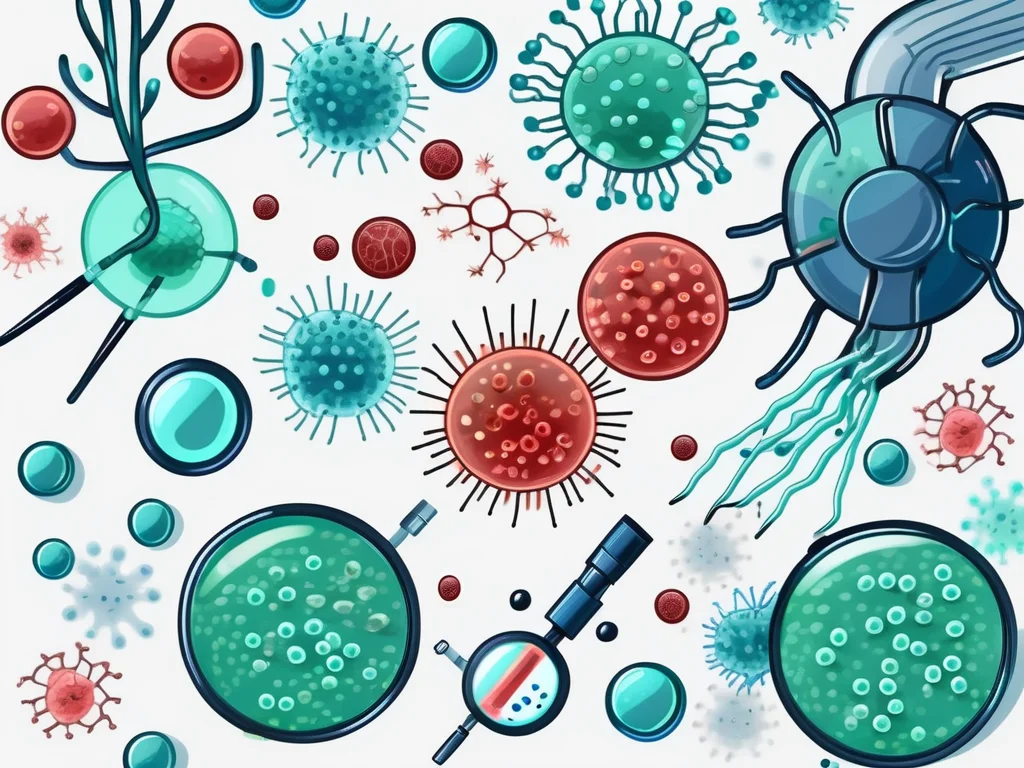
Infective etiology is the study of the causes behind infectious diseases, focusing on the agents responsible, their transmission routes, and strategies to prevent and control their spread. This field is vital for public health, as it helps us understand how pathogens like bacteria, viruses, fungi, protozoa, and helminths cause diseases and how we can mitigate their impact. In this blog, we’ll dive into the essentials of infective etiology, answering common questions about infectious agents, how diseases spread, and effective prevention methods.
What Is Infective Etiology?
Infective etiology examines the factors driving infectious diseases, including the characteristics of pathogens and the susceptibility of hosts. By studying these elements, researchers identify how pathogens invade the body, evade immune responses, and spread within populations. This knowledge is critical for predicting outbreaks, designing interventions, and implementing control measures to limit disease impact.
Key aspects of infective etiology include:
- Pathogen Characteristics: Understanding how agents like bacteria or viruses function and their virulence (ability to cause severe disease).
- Host Susceptibility: Factors like immune system strength or environmental conditions that affect a person’s vulnerability.
- Transmission Dynamics: How pathogens move between individuals or through environmental factors like water or air.
This comprehensive approach helps public health experts develop targeted strategies to combat infectious diseases effectively.
What Are the Common Infectious Agents?
Infectious diseases are caused by various agents, each with unique traits and infection mechanisms. Below, we explore the primary types of infectious agents and their roles in disease development.
Bacteria
Bacteria are single-celled microorganisms that can survive in diverse environments, from human bodies to extreme conditions like volcanic springs. They cause infections like:
- Strep Throat: Caused by Streptococcus bacteria.
- Tuberculosis: A respiratory infection from Mycobacterium tuberculosis.
- Sepsis: A life-threatening condition from bacterial bloodstream infections.
Bacteria enter the body through inhalation, ingestion, or contact with wounds, making hygiene practices crucial for prevention.
Viruses
Viruses are non-living agents that hijack host cells to replicate. They cause diseases ranging from mild to severe, including:
- Influenza: A respiratory illness causing seasonal outbreaks.
- COVID-19: A global pandemic caused by the SARS-CoV-2 virus.
- HIV: A chronic infection affecting the immune system.
Viruses spread through bodily fluids, respiratory droplets, or contaminated surfaces, requiring measures like masks and handwashing to curb transmission.
Fungi
Fungi, including yeasts and molds, often infect individuals with weakened immune systems. Common fungal infections include:
- Athlete’s Foot: A skin infection caused by dermatophytes.
- Candidiasis: An infection from Candida species, affecting mucous membranes.
- Invasive Aspergillosis: A severe lung infection in immunocompromised individuals.
Fungi thrive in warm, moist environments, so maintaining dry skin and proper hygiene is key to prevention.
Protozoa
Protozoa are single-celled organisms transmitted through contaminated food or water. They cause diseases like:
- Malaria: Spread by mosquitoes, caused by Plasmodium parasites.
- Amoebic Dysentery: Resulting from Entamoeba histolytica in contaminated water.
- Trichomoniasis: A sexually transmitted protozoan infection.
Access to clean water and sanitation is critical to preventing protozoan infections.
Helminths
Helminths are parasitic worms with complex life cycles, often transmitted through contaminated soil or water. Examples include:
- Schistosomiasis: Caused by blood flukes in freshwater.
- Tapeworm Infections: From consuming undercooked, contaminated meat.
- Hookworm Infections: Contracted through skin contact with infected soil.
Improved sanitation and avoiding contaminated sources are essential for helminth prevention.
How Do Infectious Diseases Spread?
Understanding transmission routes is vital for controlling infectious diseases. Pathogens spread through various pathways, each requiring specific prevention measures.
Direct Contact
Direct contact involves physical interaction with an infected person, such as through touching or sexual contact. Diseases spread this way include:
- COVID-19: Via respiratory droplets during close contact.
- STIs: Like syphilis or gonorrhea, transmitted through sexual activity.
- Impetigo: A bacterial skin infection spread by touch.
Avoiding close contact with infected individuals and practicing safe sex are effective preventive measures.
Indirect Contact
Indirect contact occurs when pathogens are transmitted via contaminated objects, like doorknobs or shared utensils. Examples include:
- Gastrointestinal Infections: From contaminated food or surfaces.
- Respiratory Infections: Via shared items like tissues.
Regular cleaning of surfaces and avoiding shared items reduce the risk of indirect transmission.
Airborne Transmission
Airborne pathogens travel in tiny particles that linger in the air, infecting those who inhale them. Diseases include:
- Tuberculosis: Spread through prolonged exposure to infected droplets.
- Measles: Highly contagious via airborne particles.
Ventilation, masks, and avoiding crowded spaces help prevent airborne transmission.
Waterborne Transmission
Waterborne diseases result from consuming or contacting contaminated water. Examples include:
- Cholera: Caused by Vibrio cholerae in polluted water.
- Giardiasis: From Giardia parasites in untreated water.
Ensuring clean water sources and proper sanitation is critical for prevention.
Vector-Borne Transmission
Vectors like mosquitoes or ticks transmit pathogens through bites. Diseases include:
- Malaria: Spread by Anopheles mosquitoes.
- Lyme Disease: Transmitted by infected ticks.
Using insect repellents, bed nets, and controlling vector breeding sites reduce transmission risks.
How Can We Prevent and Control Infectious Diseases?
Preventing infectious diseases requires a combination of individual and community-level strategies. Below are key approaches to curb their spread.
Immunization
Vaccines are one of the most effective tools for preventing infectious diseases. They protect against diseases like:
- Measles: A highly contagious viral infection.
- Polio: A crippling disease now nearly eradicated due to vaccines.
- Influenza: Annual vaccinations reduce seasonal outbreaks.
Widespread vaccination programs build community immunity, reducing disease prevalence.
Infection Control Measures
In healthcare settings, practices like hand hygiene, proper waste disposal, and equipment sterilization minimize infection risks. These measures prevent healthcare-associated infections, such as those caused by antibiotic-resistant bacteria.
Public Health Education
Educating communities about hygiene practices empowers individuals to prevent infections. Key practices include:
- Handwashing: Reduces transmission of pathogens like E. coli.
- Safe Food Handling: Prevents foodborne illnesses like salmonella.
- Safe Sexual Practices: Lowers the risk of STIs.
Awareness campaigns promote these behaviors, reducing disease spread.
Surveillance and Early Detection
Robust surveillance systems detect outbreaks early, enabling rapid response. Contact tracing and timely interventions help contain diseases like COVID-19 before they escalate.
Vector Control
Controlling vectors like mosquitoes reduces transmission of diseases like dengue and malaria. Strategies include:
- Insecticide-Treated Nets: Protect against mosquito bites.
- Breeding Site Eradication: Eliminates mosquito larvae habitats.
These measures significantly lower the incidence of vector-borne diseases.
Why Is Understanding Infective Etiology Important?
Studying infective etiology provides critical insights into how infectious diseases emerge, spread, and persist. This knowledge enables:
- Targeted Interventions: Developing vaccines or treatments based on pathogen characteristics.
- Outbreak Prediction: Anticipating and preparing for potential epidemics.
- Public Health Policies: Implementing measures like quarantine or vector control to limit disease impact.
By understanding the interplay of infectious agents, transmission routes, and environmental factors, we can design effective strategies to protect global health.
Conclusion
Infective etiology is a cornerstone of public health, offering insights into the causes, transmission, and prevention of infectious diseases. By understanding the roles of bacteria, viruses, fungi, protozoa, and helminths, as well as their transmission routes, we can implement targeted strategies like immunization, infection control, and public education to reduce their impact. Through continued research and proactive measures, we can safeguard communities and promote global health.


