tap.health logo
  • Diabetes Management
  • Health Assistant
  • About Us
  • Blog
  • Contact Us
Get Plan
  • Diabetes Management
  • Health Assistant
  • About Us
  • Blog
  • Contact Us
  • All Blogs
  • Product
  • How to Diagnose and Detect Epithelial Cells in Urine

How to Diagnose and Detect Epithelial Cells in Urine

Product
March 18, 2024
• 4 min read
Tap Health
Written by
Tap Health
ChatGPT Perplexity WhatsApp LinkedIn X Grok Google AI
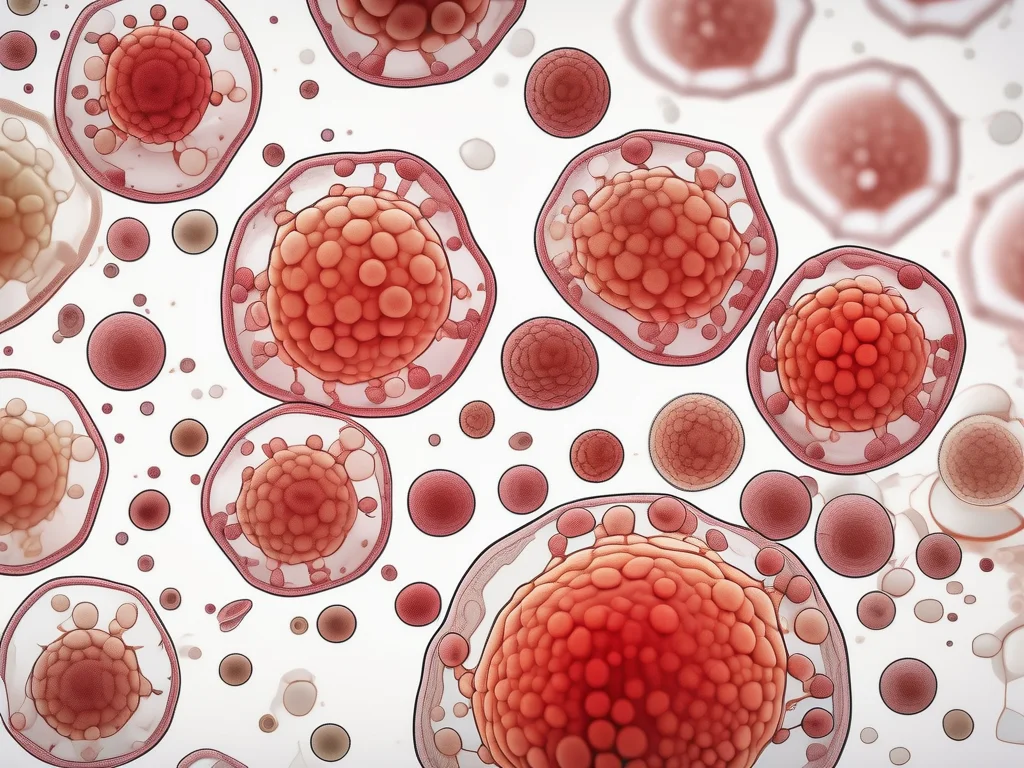
A microscopic view showing the structure of epithelial cells found in urine

Epithelial cells in urine are a critical component of urinalysis, offering insights into urinary tract health and aiding in the diagnosis of various conditions. These cells, originating from different parts of the urinary system, help identify issues like infections, inflammation, or kidney disorders. This blog explores the types, causes, diagnostic methods, clinical implications, management, and prevention of epithelial cells in urine, answering common questions and providing actionable insights.

What Are Epithelial Cells in Urine?

Epithelial cells line the urinary tract, including the kidneys, bladder, ureters, and urethra. These cells are naturally shed during cellular turnover and can appear in urine. However, their type, quantity, and condition in a urine sample can indicate normal shedding or underlying health issues. Urinalysis, a standard diagnostic tool, examines these cells to assess urinary system health and detect abnormalities like urinary tract infections (UTIs) or kidney damage.


Types of Epithelial Cells in Urine

Three primary types of epithelial cells are found in urine, each originating from a distinct part of the urinary tract and providing specific diagnostic clues.

Squamous Epithelial Cells

Squamous epithelial cells are flat, scale-like cells from the urethra, vagina, or external genitalia. Their presence in urine often suggests contamination during sample collection, especially if found in large numbers. These cells form a protective barrier against pathogens and are shed through a natural process called desquamation. Factors like hydration, hormonal changes, or poor collection techniques can influence their levels.

Transitional Epithelial Cells

Transitional epithelial cells line the bladder, ureters, and renal pelvis. These cells can stretch and contract to accommodate changes in urine volume, maintaining the urinary tract’s integrity. Elevated levels in urine may indicate inflammation, infection, or, in rare cases, tumors. Their unique lipid composition and tight junctions make them impermeable to urine, preventing toxic waste leakage into the bloodstream.

Renal Tubular Epithelial Cells

Renal tubular epithelial cells originate from the kidney tubules, where they facilitate reabsorption and secretion of substances. Their presence in urine often signals kidney damage, such as acute tubular necrosis or renal tubular disorders. Detecting these cells is critical for diagnosing kidney-related conditions.

Causes of Epithelial Cells in Urine

Several factors can lead to increased epithelial cells in urine, ranging from benign to serious conditions. Common causes include:

  • Urinary Tract Infections (UTIs): UTIs can increase squamous and transitional epithelial cells due to inflammation or infection in the urinary tract.
  • Kidney Disease: Conditions like acute tubular necrosis or glomerulonephritis may cause renal tubular epithelial cells to appear in urine.
  • Inflammation or Trauma: Physical irritation or inflammation in the urinary tract can elevate epithelial cell levels.
  • Medications: Certain drugs may affect the urinary tract lining, leading to increased cell shedding.
  • Contamination: Improper sample collection can introduce squamous epithelial cells from external genitalia.

Understanding these causes helps healthcare providers pinpoint the underlying issue and tailor treatment accordingly.

How Are Epithelial Cells Detected in Urine?

Detecting epithelial cells in urine involves several diagnostic methods, primarily through urinalysis. Here’s how it’s done:

Microscopic Examination

A urine sample is collected and examined under a microscope to identify and count epithelial cells. The type and number of cells provide clues about urinary tract health. For example, a high number of squamous cells may suggest contamination, while renal tubular cells could indicate kidney issues.

Additional Tests

  • Urine Culture: Used to confirm infections by identifying bacteria or other pathogens.
  • Urine Cytology: Detects abnormal cell changes, often to screen for conditions like bladder cancer.
  • Imaging or Blood Tests: May be ordered to investigate underlying kidney or urinary tract disorders.

These methods ensure accurate diagnosis and guide appropriate treatment plans.

Clinical Significance of Epithelial Cells in Urine

The presence and quantity of epithelial cells in urine have significant clinical implications:

  • Infections: Elevated squamous or transitional cells often indicate UTIs or inflammation.
  • Kidney Damage: Renal tubular cells in urine suggest acute kidney injury or chronic kidney disease.
  • Contamination: Excessive squamous cells may point to improper sample collection, requiring a repeat test.
  • Cancer Screening: Abnormal transitional cells may warrant further investigation for bladder or ureteral tumors.

By analyzing epithelial cell types and counts, healthcare providers can diagnose conditions like UTIs, kidney stones, interstitial cystitis, or bladder cancer.

Management and Treatment of Epithelial Cells in Urine

Treatment depends on the underlying cause of elevated epithelial cells. Common approaches include:

  • Antibiotic Therapy: For UTIs, targeted antibiotics eliminate bacterial infections.
  • Anti-inflammatory Medications: Used to reduce inflammation in the urinary tract.
  • Kidney-Specific Interventions: For kidney damage, treatments may include managing underlying conditions like diabetes or hypertension.
  • Lifestyle Adjustments: Staying hydrated and avoiding bladder irritants (e.g., caffeine, alcohol) can support urinary health.

Early detection and treatment are crucial to prevent complications like chronic kidney disease or recurrent infections.

Prevention Strategies for Urinary Tract Health

While completely preventing epithelial cell shedding is challenging, the following strategies can minimize risks and promote urinary tract health:

  • Maintain Proper Hygiene: Clean the genital area before collecting a urine sample to avoid contamination.
  • Stay Hydrated: Adequate water intake supports urinary tract function and reduces irritation.
  • Avoid Bladder Irritants: Limit consumption of caffeine, alcohol, or spicy foods that may irritate the bladder.
  • Promptly Treat Infections: Seek medical attention for symptoms like burning during urination or frequent urges to urinate.
  • Follow Medical Advice: Adhere to prescribed treatments for chronic conditions affecting the urinary tract.


People Also Ask: Common Questions About Epithelial Cells in Urine

What Does It Mean If Epithelial Cells Are High in Urine?

High epithelial cells in urine may indicate contamination, infection, inflammation, or kidney damage. The specific type of cell (squamous, transitional, or renal tubular) helps determine the cause.

Are Epithelial Cells in Urine Normal?

A small number of epithelial cells, especially squamous, is normal due to natural shedding. However, elevated levels or the presence of renal tubular cells may signal a health issue.

How Can I Reduce Epithelial Cells in Urine?

Reducing epithelial cells involves addressing the underlying cause, such as treating infections, improving hygiene during sample collection, or managing kidney conditions with medical guidance.

Can Epithelial Cells Indicate Cancer?

In rare cases, abnormal transitional epithelial cells may suggest bladder or ureteral tumors. Urine cytology or further tests are needed to confirm such diagnoses.

Conclusion

Epithelial cells in urine serve as a vital diagnostic marker for assessing urinary tract health. By understanding the types—squamous, transitional, and renal tubular—and their significance, healthcare providers can diagnose conditions like UTIs, kidney disease, or inflammation. Microscopic examination and additional tests like urine culture or cytology help confirm findings, while targeted treatments address underlying causes. Preventive measures, such as proper hygiene, hydration, and timely medical care, promote urinary health and reduce risks. Regular monitoring and awareness of epithelial cells in urine can lead to early detection and better outcomes for urinary tract disorders.

Tags
A1C test diabetes heart health diabetic retinopathy fruit and blood sugar type 1 diabetes how to lower HbA1c diabetic breakfast ideas post-meal blood sugar Indian diabetes plate foods for diabetes shopping diabetes and alcohol low blood sugar at night diabetes excessive thirst insulin site rotation diabetes curd milk for diabetes why diabetes is considered as a lifestyle disease blood pressure diabetes eye test rice and diabetes type 1 diabetes symptoms fasting sugar normal range PCOS and diabetes blood sugar after food diabetes portion control diabetes kidney tests alcohol blood sugar diabetes diabetes sweating at night diabetes dry mouth insulin lumps tea and coffee in diabetes can diabetics drink milk Medicine lifestyle diabetes cholesterol diabetes kidney care can diabetics eat rice insulin diabetes high fasting blood sugar PCOS insulin resistance postprandial glucose low glycaemic index foods for diabetes urine albumin diabetes can diabetics drink alcohol diabetes headache frequent urination diabetes diabetes weight gain coffee diabetes best milk for diabetes Health type 2 diabetes lifestyle disease living with diabetes diabetic kidney disease diabetes diet India prediabetes diet reverse prediabetes naturally PCOS diabetes risk dawn phenomenon diabetes low GI foods India eGFR diabetes diabetes and dizziness high blood sugar headache diabetes fatigue diabetes and weight gain tea diabetes peanuts for diabetes Lifestyle exercise and diabetes diabetes habits kidney tests diabetes morning blood sugar prediabetes food prediabetes reversal gestational diabetes diet Indian morning sugar high diabetes low GI diet diabetes and dental problems dizziness diabetes low blood sugar headache diabetes tiredness insulin weight gain roti for diabetes are peanuts good for diabetes Home remedies blood sugar control diabetes management high blood sugar symptoms fasting sugar high lower diabetes risk how to prevent type 2 diabetes pregnancy diabetes diet high fasting sugar in morning diabetes and fatty liver diabetes gum disease low sugar dizziness blood sugar monitoring at home high blood sugar tiredness diabetes swollen feet best roti for diabetes peanuts blood sugar Fitness physical activity insulin resistance hyperglycemia symptoms dawn phenomenon diabetes and weight loss insulin resistance diet gestational diabetes meal plan diabetes and cholesterol fatty liver diabetes dry mouth diabetes diabetes leg pain when to check blood sugar diabetes constipation swollen feet diabetes chapati diabetes sweet potato for diabetes Prevention diabetes foot care insulin sensitivity diabetes warning signs diabetes myths weight loss diabetes Indian foods for insulin resistance diabetic foot ulcer diabetes lipid profile insulin resistance fatty liver diabetes urine infection diabetic leg cramps blood glucose monitoring diabetes and constipation diabetes foot swelling can diabetics eat dates can diabetics eat sweet potato Hygiene diabetic foot type 2 diabetes risk normal blood sugar levels diabetes facts insulin resistance weight loss improve insulin sensitivity diabetes foot wound cholesterol in diabetes diabetes skin problems frequent UTI diabetes diabetes nerve pain legs metformin for diabetes constipation diabetes can diabetics eat banana dates for diabetes sweet potato blood sugar Ailments foot health diabetes and sleep fasting blood sugar diabetes misconceptions diabetes medicine safety diabetic neuropathy symptoms diabetic foot ulcer warning signs can diabetics eat mango diabetes itching urinary infection diabetes diabetes slow wound healing metformin side effects diabetes numbness in hands banana for diabetes dates blood sugar jaggery for diabetes Hindi gestational diabetes poor sleep blood sugar HbA1c diabetes symptoms in women diabetes medicines diabetes nerve damage diabetes and blood pressure mango and diabetes dark patches diabetes diabetes stomach problems diabetes wounds metformin safety diabetes tingling hands banana blood sugar papaya for diabetes is jaggery good for diabetes skin diseases pregnancy diabetes sleep and diabetes diabetes in India women diabetes signs diabetes treatment advice tingling feet diabetes high blood pressure diabetes mango sugar diabetes walking after meals for diabetes diabetic gastroparesis diabetic wound care diabetes ketoacidosis warning signs diabetic neuropathy hands coconut water and diabetes is papaya good for diabetes gur for diabetes acne vulgaris symptoms blood sugar pregnancy diabetes and stress diabetes risk factors India diabetes risk women Indian diabetic diet chart diabetes eye disease diabetes heart kidney risk diabetes reversal vs remission post meal walk diabetes diabetes bloating nausea diabetes yeast infection DKA symptoms fasting with diabetes coconut water for diabetes papaya blood sugar AI Search low blood sugar stress blood sugar diabetes prevention India diabetes symptoms in men diabetic meal plan diabetic eye test borderline HbA1c diabetes remission walking lowers blood sugar diabetes sick day rules diabetes fungal infection ketones diabetes diabetes fasting safety can diabetics drink coconut water oats for diabetes blood sugar hypoglycemia cortisol diabetes best fruits for diabetes men diabetes signs HbA1c test high protein breakfast for diabetes HbA1c 5.7 to 6.4 reverse type 2 diabetes diabetes grocery list India diabetes during illness diabetes vaginal itching diabetes blurry vision can diabetics fast curd for diabetes oatmeal diabetes fasting glucose diabetes safety diabetes eye care diabetes fruits diabetes risk men HbA1c normal range diabetes breakfast India prediabetes HbA1c diabetes plate method diabetic food list India blood sugar fever infection diabetes night sweats high blood sugar blurry vision insulin injection sites is curd good for diabetes are oats good for diabetes
More blogs
Nishat Anjum
Nishat Anjum
• May 29, 2026
• 19 min read

Oats for Diabetes: Best Type, Blood Sugar Impact, Breakfast Ideas, and Common Mistakes

A detailed guide to oats for diabetes, covering steel-cut, rolled and instant oats, blood sugar impact, toppings, portions, and Indian breakfast ideas.

Diabetes
A microscopic view showing the structure of epithelial cells found in urine
Fashtana Khan
Fashtana Khan
• May 29, 2026
• 19 min read

Jaggery for Diabetes: Is Gur Better Than Sugar, Blood Sugar Risks, and Safer Choices

A myth-busting guide to jaggery for diabetes, explaining gur versus sugar, blood sugar risks, iron claims, portion cautions, and safer sweet choices.

Diabetes
A microscopic view showing the structure of epithelial cells found in urine
Varshitha Sotala
Varshitha Sotala
• May 29, 2026
• 19 min read

Peanuts for Diabetes: Blood Sugar Benefits, Portion Size, Weight Control, and Safety Tips

A practical guide to peanuts for diabetes, covering blood sugar, protein, healthy fats, portion size, weight control, salted peanuts, and allergy safety.

Diabetes
A microscopic view showing the structure of epithelial cells found in urine
Do you remember your last sugar reading?
Log and Track your glucose on the Tap Health App
All logs in one place
Smart trend graphs
Medicine Reminder
100% Ad Free
Download Now

Missed your diabetes meds

again? Not anymore.

Get medicine reminders on your phone.

✓ Glucose diary and Insights
✓ Smart Nudges
✓ All logs at one place
✓ 100% Ad free
Download Free
tap health
tap.health logo
copyright © 2025
2nd Floor,Plot No 4, Minarch Tower,
Sector 44,Gurugram, 122003,
Haryana, India
  • About Us
  • Blog
  • Doctor login
  • Contact Us
  • Privacy Policy
  • Return / Shipping Policy
  • Terms and Conditions
Get Your Free AI Diabetes Coach