tap.health logo
  • Diabetes Management
  • Health Assistant
  • About Us
  • Blog
  • Contact Us
Get Plan
  • Diabetes Management
  • Health Assistant
  • About Us
  • Blog
  • Contact Us
  • All Blogs
  • Diabetes
  • iDCL Trial: Artificial Pancreas Acceptance in Clinical Practice

iDCL Trial: Artificial Pancreas Acceptance in Clinical Practice

Diabetes
February 24, 2025
• 8 min read
Yasaswini Vajupeyajula
Written by
Yasaswini Vajupeyajula
Isha Yadav
Reviewed by:
Isha Yadav
ChatGPT Perplexity WhatsApp LinkedIn X Grok Google AI
Artificial pancreas system during clinical trial

Table of Contents

  • iDCL Trial Results: Improving Type 1 Diabetes Management
  • Artificial Pancreas Acceptance: Real-World iDCL Trial Data
  • Is the iDCL Trial Changing Clinical Practice for T1D?
  • Understanding the iDCL Trial: A Guide to Artificial Pancreas Adoption
  • iDCL Trial vs. Traditional Methods: Benefits in Clinical Settings
  • Frequently Asked Questions
  • References

Managing type 1 diabetes can be a constant juggling act, requiring meticulous attention to blood sugar levels and insulin dosing. But what if there was a simpler, more automated approach? This blog post delves into the exciting advancements in diabetes technology with a focus on the iDCL Trial: Artificial Pancreas Acceptance in Clinical Practice. We’ll explore the results of this crucial trial, examining how readily this life-changing technology, the artificial pancreas, is being adopted by healthcare professionals and integrated into everyday diabetes management. Get ready to discover how this innovative system is transforming the lives of people with type 1 diabetes and shaping the future of diabetes care.

iDCL Trial Results: Improving Type 1 Diabetes Management

Revolutionizing Type 1 Diabetes Care in India and Tropical Countries

The impact of type 1 diabetes is significant, affecting approximately 2 million Americans, including 304,000 children and adolescents. This staggering statistic underscores the urgent need for improved management strategies, especially in resource-constrained regions like India and other tropical countries where access to advanced care can be limited. The iDCL trial offers a beacon of hope, showcasing the potential of artificial pancreas technology to significantly improve the lives of those living with type 1 diabetes. Understanding how type 1 diabetes affects the body’s delicate balance is crucial; you can learn more about this in our article, How Does Type 1 Diabetes Affect Homeostasis? Key Insights.

The Promise of Artificial Pancreas Systems

The iDCL trial demonstrates the efficacy of closed-loop insulin delivery systems—often referred to as artificial pancreas systems—in managing blood glucose levels. These systems continuously monitor glucose levels and automatically adjust insulin delivery, reducing the burden of manual management on patients. This is particularly crucial in tropical climates where fluctuating temperatures and lifestyle factors can impact glucose control. For individuals in India and other tropical countries, this technology promises improved glycemic control, minimizing the risk of long-term complications associated with diabetes.

Addressing Challenges and Opportunities

While the iDCL trial offers promising results, widespread adoption in India and tropical countries necessitates addressing challenges related to affordability, infrastructure, and healthcare accessibility. However, the potential benefits—reduced hospitalizations, improved quality of life, and increased life expectancy—are substantial. Initiatives focusing on education, affordability programs, and infrastructure development are crucial to ensure equitable access to this life-changing technology. It’s also important to consider the impact of type 1 diabetes on the immune system. For more information on this topic, please see our article: Are Type 1 Diabetics Immunocompromised?

A Call to Action

The successful implementation of artificial pancreas systems in India and other tropical countries requires a collaborative effort involving healthcare professionals, policymakers, and technology developers. Let’s work together to ensure that the benefits of the iDCL trial translate into tangible improvements in the lives of millions living with type 1 diabetes in these regions. Further research and investment are needed to make this life-saving technology a reality for all who need it.

Artificial Pancreas Acceptance: Real-World iDCL Trial Data

Understanding the Need for Improved Diabetes Management in India and Tropical Countries

The global burden of diabetes is staggering, with a shocking 50% of cases worldwide remaining undiagnosed, according to the IDF Diabetes Atlas. This statistic is particularly concerning in India and other tropical countries, where high rates of diabetes prevalence often intersect with limited access to healthcare resources. Effective management strategies, therefore, are critical to combatting this health crisis. The iDCL trial provides crucial real-world data on the acceptance and efficacy of artificial pancreas systems in managing Type 1 and potentially Type 2 diabetes.

iDCL Trial Results and Implications for Regional Healthcare

The iDCL trial’s findings on artificial pancreas adoption offer valuable insights into improving diabetes care in diverse populations. This includes data on patient satisfaction, treatment adherence, and clinical outcomes. Understanding these factors within the context of unique healthcare challenges faced in India and tropical climates—factors like heat, humidity, and access to specialized medical equipment—is vital. Analyzing the real-world effectiveness of these systems in diverse settings will be crucial in informing policy and healthcare strategy. Data specifically analyzing the efficacy of the artificial pancreas in managing the unique metabolic challenges associated with tropical climates are needed. While this research focuses on the artificial pancreas, understanding the broader context of pancreatic health is important. For instance, Life Expectancy After Acute Pancreatitis highlights the severity of pancreatic issues, emphasizing the need for preventative measures and effective treatments like the artificial pancreas.

Actionable Steps for Increased Acceptance of Artificial Pancreas Technology

To improve the acceptance and uptake of artificial pancreas technology in India and other tropical countries, several key steps are needed. These include focused educational campaigns to raise awareness among healthcare professionals and patients, affordable pricing strategies, and robust training programs for healthcare providers. Developing culturally-sensitive communication materials is crucial to increase awareness and encourage adoption of this life-changing technology. Further research focusing on the long-term cost-effectiveness and real-world performance in diverse populations is also needed. The goal is to ensure equitable access to this innovative treatment for all those living with diabetes. The implications of this research extend beyond diabetes management; advancements in pancreatic technology could also inform the treatment of other conditions. For example, research into Is Pancreatic Cancer Curable? demonstrates the ongoing need for innovation and improved understanding of pancreatic function.

Is the iDCL Trial Changing Clinical Practice for T1D?

The iDCL trial, investigating artificial pancreas systems for Type 1 Diabetes (T1D) management, holds significant promise for improving patient outcomes, particularly in resource-constrained settings prevalent in many Indian and tropical countries. The potential impact is vast, considering the considerable burden of T1D globally and the challenges in accessing advanced therapies. This trial could revolutionize diabetes management, potentially reducing the complications associated with fluctuating blood glucose levels.

Improved Access and Affordability: A Key Consideration

A major focus for the success of the iDCL trial in regions like India and other tropical countries is the accessibility and affordability of the artificial pancreas technology. While the initial cost might be a barrier, long-term benefits such as reduced hospitalizations and improved quality of life need to be carefully weighed. Furthermore, successful implementation requires robust training programs for healthcare professionals to ensure competent use and maintenance of the devices. The annual risk of developing Type 2 Diabetes (T2D) for individuals with prediabetes (5-10%, as highlighted in this study) underscores the importance of preventative measures and effective management of T1D, which the iDCL trial directly addresses. Understanding the causes of T1D is also crucial, and you might find our article on Can Drugs Cause Type 1 Diabetes? insightful.

Challenges and Opportunities in Regional Implementation

Factors specific to the Indian subcontinent and tropical climates, such as high ambient temperatures, humidity, and power outages, need to be considered. Ensuring the reliability and durability of the artificial pancreas technology under these conditions is crucial for successful implementation. However, the potential positive impact on diabetes management in these regions is undeniable. The iDCL trial’s findings could lead to policies and initiatives that prioritize access to advanced technologies, ultimately improving the lives of individuals with T1D across these regions. Managing T1D effectively, especially during illness, is critical. Check out our guide on Sick Day Rules for Type 1 Diabetes: Essential Tips for Managing Illness for helpful advice.

Call to Action: Engaging with the iDCL Trial Outcomes

The results of the iDCL trial will be pivotal for shaping the future of T1D management, particularly in India and tropical countries. Stay updated on the latest research and advocate for policies that support wider access to these life-changing technologies. Let’s work together to ensure that the benefits of the artificial pancreas reach all those who need it.

Understanding the iDCL Trial: A Guide to Artificial Pancreas Adoption

The iDCL trial holds significant promise for managing diabetes, particularly in regions like India and other tropical countries where the prevalence of type 2 diabetes is high. Over 80% of Type 2 diabetics experience insulin resistance, a key factor contributing to the disease’s complications. The artificial pancreas, a revolutionary technology tested in the iDCL trial, offers a potential solution to improve glycemic control and reduce the burden of managing this chronic condition.

Addressing Challenges in Tropical Climates

Implementing the artificial pancreas in these regions presents unique challenges. Heat and humidity can affect insulin stability and device performance, requiring careful consideration of storage and usage guidelines. Furthermore, healthcare infrastructure variations across these diverse regions necessitate adaptable strategies for training healthcare professionals and patients on the use and maintenance of this sophisticated technology. Access to reliable electricity and internet connectivity are also crucial for the successful adoption and monitoring of this technology.

Improved Diabetes Management & Patient Outcomes

The iDCL trial aims to assess the effectiveness and safety of the artificial pancreas system in improving HbA1c levels and reducing hypoglycemic events. Successful outcomes from the trial would significantly impact diabetes management in India and other tropical countries, potentially improving patients’ quality of life and reducing long-term health complications associated with poorly controlled blood sugar levels. Early adoption and integration into existing healthcare systems are vital. Understanding the potential complications of diabetes, such as Acute Pancreatitis: Symptoms, Causes & Treatment, is also crucial for effective management.

Next Steps for Indian & Tropical Regions

The iDCL trial results will be pivotal in informing policy decisions and guiding the implementation of artificial pancreas technology. Further research should focus on addressing the unique challenges faced in these regions, including culturally sensitive educational programs and cost-effective solutions to ensure accessibility for a wider population. Collaboration between healthcare professionals, policymakers, and technology developers is critical for successful integration and widespread adoption of this life-changing technology. While rare, it’s important to be aware of the potential severity of conditions like pancreatitis. For more information, read our article on Can You Die from Pancreatitis?

iDCL Trial vs. Traditional Methods: Benefits in Clinical Settings

Reduced Burden of Diabetes Management

The significant financial burden of diabetes management in India, estimated at approximately INR 25,000 per urban patient annually, highlights the urgent need for cost-effective solutions. The iDCL trial offers a potential pathway to alleviate this burden through the adoption of artificial pancreas systems. Traditional methods often involve intensive self-monitoring, multiple daily injections, or complex insulin pump regimens, demanding significant time and resources from both patients and healthcare providers. The transition to an artificial pancreas, as explored in the iDCL trial, promises to simplify this process, improving patient compliance and overall well-being.

Improved Glycemic Control and Reduced Complications

Studies suggest that artificial pancreas systems, as investigated in trials like iDCL, can lead to improved glycemic control compared to traditional methods. This is crucial in preventing or delaying the onset of serious diabetes-related complications, such as cardiovascular disease, neuropathy, and nephropathy, which are prevalent in India and other tropical countries. By automating insulin delivery and glucose monitoring, the artificial pancreas aims to minimize the fluctuations in blood glucose levels, thus mitigating the risk of long-term complications. This translates to improved quality of life for patients and a reduced healthcare expenditure in the long run.

Enhanced Accessibility and Affordability (Potential)

While the initial cost of implementing artificial pancreas technology might seem high, the long-term benefits in terms of reduced hospitalizations, fewer complications, and improved patient outcomes need to be considered. Further research and development, coupled with government initiatives, could make these systems more accessible and affordable, especially in resource-constrained settings prevalent across India and other tropical regions. The success of the iDCL trial could pave the way for wider adoption and ultimately contribute to a more sustainable and cost-effective diabetes management strategy. This makes the potential impact of the iDCL trial particularly relevant for India and similar regions. Improved access to healthcare, such as through Telehealth Services, could further enhance the effectiveness of these advancements. Managing chronic conditions effectively often requires a holistic approach, and while this article focuses on diabetes, the principles of improved access and streamlined management apply to other conditions as well, such as those discussed in How to Treat Inflammatory Bowel Disease.

Frequently Asked Questions on iDCL Trial

Q1. What is the iDCL trial?

The iDCL trial studies how well artificial pancreas systems work for managing Type 1 diabetes, especially in India and other tropical areas. These systems automate insulin delivery and glucose monitoring, aiming to improve blood sugar control and reduce long-term health problems.

Q2. What are the benefits of using an artificial pancreas system?

Artificial pancreas systems offer better blood sugar control compared to traditional methods, potentially lowering the risk of serious diabetes complications. This can lead to a better quality of life for people with Type 1 diabetes.

Q3. What are the challenges of implementing artificial pancreas systems in regions like India?

Key challenges include the cost of the systems, limited healthcare infrastructure in some areas, and the need to provide culturally relevant training and education to patients and healthcare providers.

Q4. How can the iDCL trial improve diabetes care in resource-constrained settings?

The trial aims to demonstrate that artificial pancreas systems can be effectively used in various settings. If successful, it can pave the way for wider access to this technology, improving patient outcomes and reducing healthcare costs in resource-limited areas.

Q5. Who is involved in making the iDCL trial successful?

The success of the iDCL trial relies on the collaboration of healthcare professionals, policymakers, and technology developers. Their combined efforts will focus on making the systems accessible and affordable, and on delivering strong training programs.

References

  • Diabetic Retinopathy Detection Using CNN with Residual Block with DCGAN: https://arxiv.org/pdf/2501.02300
  • Disparate Model Performance and Stability in Machine Learning Clinical Support for Diabetes and Heart Diseases: https://arxiv.org/pdf/2412.19495
Tags
diabetes prevention foot health diabetes and sleep fasting blood sugar diabetes misconceptions diabetes medicine safety diabetic neuropathy symptoms diabetic foot ulcer warning signs can diabetics eat mango diabetes itching urinary infection diabetes diabetes slow wound healing metformin side effects diabetes numbness in hands banana for diabetes dates blood sugar jaggery for diabetes is poha good for diabetes guava blood sugar India diabetes pregnancy blood sugar targets diabetes medicine India blood sugar vs blood pressure LADA diabetes symptoms ED in diabetic men how to store insulin cataract surgery diabetes diabetes cholesterol levels Ramadan diabetes medicine timing walking after meals diabetes flu vaccine diabetes diabetes food cravings whey protein diabetes diabetes thirst fluids skipping breakfast diabetes diabetes and blurred vision breathlessness diabetes diabetes nausea causes dry mouth high blood sugar diabetes and shoulder pain diabetes and palpitations diabetes symptoms and tests diabetes and hand tremors causes A1C gestational diabetes poor sleep blood sugar HbA1c diabetes symptoms in women diabetes medicines diabetes nerve damage diabetes and blood pressure mango and diabetes dark patches diabetes diabetes stomach problems diabetes wounds metformin safety diabetes tingling hands banana blood sugar papaya for diabetes is jaggery good for diabetes poha blood sugar orange for diabetes sugar spike after rice postpartum diabetes risk type 1 vs type 2 diabetes diabetes vs high cholesterol latent autoimmune diabetes in adults diabetes and menopause insulin storage at home diabetes and muscle loss diabetes triglycerides diabetes and shift work diabetes and smoking GLP-1 diabetes medicines sugar cravings diabetes protein powder kidney diabetes diabetes diarrhoea vomiting diabetes breakfast skipping diabetic eye symptoms high sugar breathing problems diabetes and vomiting diabetes mouth symptoms diabetes frozen shoulder racing heart low sugar diabetes and tingling feet diabetes and appetite loss Medicine blood sugar pregnancy diabetes sleep and diabetes diabetes in India women diabetes signs diabetes treatment advice tingling feet diabetes high blood pressure diabetes mango sugar diabetes walking after meals for diabetes diabetic gastroparesis diabetic wound care diabetes ketoacidosis warning signs diabetic neuropathy hands coconut water and diabetes is papaya good for diabetes gur for diabetes sprouts for diabetes can diabetics eat oranges Indian diet diabetes diabetes after pregnancy type 1 and type 2 diabetes difference lipid profile diabetes diabetes vs MODY menopause blood sugar insulin fridge temperature diabetes muscle weakness diabetes and high blood pressure night shift diabetes smoking diabetes risk GLP-1 weight loss diabetes diabetes hunger cravings CGM skin irritation diabetes diabetes sick day vomiting morning sugar skipping breakfast diabetes and sweating diabetes and shaking vomiting with diabetes diabetes and itchy skin shoulder stiffness diabetes heart pounding diabetes diabetes and tingling feet causes diabetes and appetite loss causes Health fasting glucose blood sugar pregnancy diabetes and stress diabetes risk factors India diabetes risk women Indian diabetic diet chart diabetes eye disease diabetes heart kidney risk diabetes reversal vs remission post meal walk diabetes diabetes bloating nausea diabetes yeast infection DKA symptoms fasting with diabetes coconut water for diabetes papaya blood sugar watermelon for diabetes are sprouts good for diabetes orange blood sugar glucose spike symptoms gestational diabetes India difference between type 1 and type 2 diabetes diabetes vs neuropathy MODY diabetes symptoms type 2 diabetes menopause glucometer errors sarcopenia diabetes diabetes hypertension diabetes meal timing shift work diabetes quit smoking semaglutide diabetes diabetes and fever CGM sensor rash diabetes loose motions late dinner diabetes sweating low blood sugar tremors low blood sugar diabetes and cold feet itching high blood sugar diabetes and loss of appetite diabetes and muscle weakness diabetes and sweaty feet diabetes and burning feet Lifestyle A1C test low blood sugar stress blood sugar diabetes prevention India diabetes symptoms in men diabetic meal plan diabetic eye test borderline HbA1c diabetes remission walking lowers blood sugar diabetes sick day rules diabetes fungal infection ketones diabetes diabetes fasting safety can diabetics drink coconut water oats for diabetes can diabetics eat watermelon sprouts blood sugar brown bread for diabetes post meal blood sugar continuous glucose monitor India diabetes vs diabetes insipidus diabetes vs heart disease maturity onset diabetes of the young diabetes and frozen shoulder wrong blood sugar reading diabetes and anaemia BP in diabetes diabetes and vitamin D diabetes neuropathy pain relief diabetes and migraine best shoes for diabetic feet diabetes adhesive allergy CGM diabetes and kidney stones diabetes dinner timing diabetes and leg cramps shaky feeling diabetes cold feet diabetes diabetes fungal itching loss appetite diabetes weakness high blood sugar diabetes and sweaty feet causes diabetes and burning feet causes Home remedies diabetes diet hypoglycemia cortisol diabetes best fruits for diabetes men diabetes signs HbA1c test high protein breakfast for diabetes HbA1c 5.7 to 6.4 reverse type 2 diabetes diabetes grocery list India diabetes during illness diabetes vaginal itching diabetes blurry vision can diabetics fast curd for diabetes oatmeal diabetes watermelon blood sugar methi seeds for diabetes bread for diabetes insulin resistance symptoms CGM cost India diabetes mellitus vs diabetes insipidus diabetes heart disease risk continuous glucose monitor diabetes frozen shoulder diabetes reactive hypoglycaemia anaemia diabetes HbA1c diabetes and liver enzymes vitamin D deficiency diabetes diabetic neuropathy burning feet diabetes headache triggers diabetic socks foot ulcer prevention diabetes monsoon care kidney stones diabetes night sugar late dinner leg cramps diabetes diabetes and periods diabetes poor circulation feet diabetes and swollen ankles diabetes not feeling hungry diabetes leg weakness diabetes and neck pain diabetes and slow digestion Fitness balanced meals diabetes safety diabetes eye care diabetes fruits diabetes risk men HbA1c normal range diabetes breakfast India prediabetes HbA1c diabetes plate method diabetic food list India blood sugar fever infection diabetes night sweats high blood sugar blurry vision insulin injection sites is curd good for diabetes are oats good for diabetes apple for diabetes fenugreek for diabetes whole wheat bread diabetes diabetes blood pressure time in range diabetes insipidus symptoms diabetes and heart attack CGM diabetes diabetic shoulder pain low blood sugar after eating low haemoglobin diabetes high SGPT diabetes vitamin D insulin resistance diabetes gastroparesis blood sugar migraine diabetes and driving diabetes rainy season foot infection diabetes urine pain diabetes medicine timing diabetes muscle cramps periods affect blood sugar hair loss diabetes ankle swelling diabetes diabetes and restless legs diabetes and memory problems diabetes and neck pain causes diabetes and slow digestion causes Prevention healthy eating diabetes heart health diabetic retinopathy fruit and blood sugar type 1 diabetes how to lower HbA1c diabetic breakfast ideas post-meal blood sugar Indian diabetes plate foods for diabetes shopping diabetes and alcohol low blood sugar at night diabetes excessive thirst insulin site rotation diabetes curd milk for diabetes can diabetics eat apple methi diabetes avocado for diabetes diabetes heart risk glucometer accuracy diabetes vs metabolic syndrome gestational diabetes vs type 2 diabetes continuous glucose monitoring metformin vitamin B12 deficiency postprandial hypoglycaemia diabetes and uric acid SGOT SGPT diabetes diabetes and magnesium diabetic gastroparesis symptoms diabetes and thyroid medication driving with diabetes monsoon diabetes tips diabetes foot nail care diabetes medicine before or after food diabetes and frequent infections menstrual cycle diabetes diabetes hair fall causes diabetes leg swelling causes restless leg syndrome diabetes diabetes brain fog diabetes and chest pain Hygiene why diabetes is considered as a lifestyle disease blood pressure diabetes eye test rice and diabetes type 1 diabetes symptoms fasting sugar normal range PCOS and diabetes blood sugar after food diabetes portion control diabetes kidney tests alcohol blood sugar diabetes diabetes sweating at night diabetes dry mouth insulin lumps tea and coffee in diabetes can diabetics drink milk apple blood sugar cinnamon for diabetes is avocado good for diabetes ABC diabetes diabetes technology metabolic syndrome and diabetes pregnancy diabetes and type 2 diabetes steroid induced diabetes metformin B12 symptoms type 3c diabetes high uric acid diabetes diabetes and dental health magnesium deficiency diabetes delayed stomach emptying diabetes levothyroxine diabetes low blood sugar driving diabetes and antibiotics diabetic nail cutting missed diabetes medicine dose recurrent infections diabetes time in range diabetes diabetes wounds not healing diabetes and headache diabetes leg discomfort night memory loss blood sugar diabetes and chest pain causes Ailments lifestyle diabetes cholesterol diabetes kidney care can diabetics eat rice insulin diabetes high fasting blood sugar PCOS insulin resistance postprandial glucose low glycaemic index foods for diabetes urine albumin diabetes can diabetics drink alcohol diabetes headache frequent urination diabetes diabetes weight gain coffee diabetes best milk for diabetes eggs for diabetes cinnamon blood sugar avocado blood sugar kidney risk diabetes CGM vs glucometer India metabolic syndrome symptoms gestational diabetes future risk steroid diabetes symptoms vitamin B12 test metformin pancreatogenic diabetes diabetes gout risk tooth infection diabetes magnesium insulin sensitivity diabetes and UTI thyroid medicine blood sugar diabetes in older adults antibiotics blood sugar diabetes diabetes fungal nail infection diabetes airport travel diabetes infection symptoms CGM time in range diabetes and increased appetite headache low blood sugar fever high blood sugar diabetes and skin discolouration diabetes and cough Hindi type 2 diabetes lifestyle disease living with diabetes diabetic kidney disease diabetes diet India prediabetes diet reverse prediabetes naturally PCOS diabetes risk dawn phenomenon diabetes low GI foods India eGFR diabetes diabetes and dizziness high blood sugar headache diabetes fatigue diabetes and weight gain tea diabetes peanuts for diabetes are eggs good for diabetes dalchini for diabetes travelling with diabetes diabetes footwear diabetes reversal myths diabetes vs thyroid diabetes vs anaemia steroids high blood sugar diabetes distress diabetes caused by pancreas disease diabetes and PCOS diabetes and skin infections protein intake diabetes urinary tract infection diabetes diabetes fatigue after eating elderly diabetes care infection treatment diabetes antibiotics CGM vs glucometer insulin airport security dizziness low blood sugar time in range targets constant hunger diabetes high sugar headache sick day diabetes yellow skin diabetes diabetes and cough causes skin diseases exercise and diabetes diabetes habits kidney tests diabetes morning blood sugar prediabetes food prediabetes reversal gestational diabetes diet Indian morning sugar high diabetes low GI diet diabetes and dental problems dizziness diabetes low blood sugar headache diabetes tiredness insulin weight gain roti for diabetes are peanuts good for diabetes egg diabetes amla for diabetes diabetes travel checklist blurred vision diabetes HbA1c remission diabetes and thyroid disease diabetes fatigue or anaemia diabetes and hair loss diabetes burnout diabetes and bone health PCOS insulin resistance diabetes boils diabetes diabetes protein diet diabetes women's sexual health sleepy after meals diabetes diabetes low sugar older adults diabetes workplace health CGM vs finger prick diabetes travel documents dizziness high blood sugar millets for diabetes diabetes hunger causes diabetes and bladder problems diabetes and daytime sleepiness diabetes and night urination diabetes and snoring acne vulgaris symptoms blood sugar control diabetes management high blood sugar symptoms fasting sugar high lower diabetes risk how to prevent type 2 diabetes pregnancy diabetes diet high fasting sugar in morning diabetes and fatty liver diabetes gum disease low sugar dizziness blood sugar monitoring at home high blood sugar tiredness diabetes swollen feet best roti for diabetes peanuts blood sugar paneer for diabetes amla juice diabetes insulin travel storage fundus exam diabetes remission vs reversal thyroid blood sugar anaemia diabetes symptoms diabetes hair loss causes diabetes burnout symptoms diabetes osteoporosis diabetes and sleep apnoea diabetes and travel protein foods for diabetes diabetes vaginal dryness post meal sugar spike tiredness diabetes blood tests diabetes desk job diabetes CGM accuracy night hypoglycaemia symptoms diabetes and skin tags ragi jowar bajra diabetes diabetes and morning constipation diabetes urinary symptoms diabetes fatigue sleepiness urinating at night diabetes diabetes and snoring causes AI Search physical activity insulin resistance hyperglycemia symptoms dawn phenomenon diabetes and weight loss insulin resistance diet gestational diabetes meal plan diabetes and cholesterol fatty liver diabetes dry mouth diabetes diabetes leg pain when to check blood sugar diabetes constipation swollen feet diabetes chapati diabetes sweet potato for diabetes is paneer good for diabetes amla blood sugar diabetes hot weather eye care diabetes vildagliptin diabetes vs PCOS diabetes vs Cushing syndrome hair fall in diabetes diabetes depression anxiety diabetes fracture risk sleep apnea diabetes travel with diabetes diabetes and fibre diabetes sexual problems women diabetes meal timing diabetes test list office snacks diabetes early signs of insulin resistance diabetes low sugar during sleep dark neck insulin resistance best millet for blood sugar constipation diabetes morning diabetes and body odour diabetes and bloating nocturia diabetes diabetes and morning fatigue type 2 diabetes diabetes foot care insulin sensitivity diabetes warning signs diabetes myths weight loss diabetes Indian foods for insulin resistance diabetic foot ulcer diabetes lipid profile insulin resistance fatty liver diabetes urine infection diabetic leg cramps blood glucose monitoring diabetes and constipation diabetes foot swelling can diabetics eat dates can diabetics eat sweet potato paneer diabetes guava for diabetes diabetes dehydration diabetic retinopathy symptoms vildagliptin benefits in type 2 diabetes patients diabetes vs hypertension Cushing syndrome blood sugar diabetes and erectile dysfunction diabetes and depression diabetes and cataracts snoring diabetes insulin resistance diabetes Ramadan fasting fibre foods for diabetes diabetes and vaccines best time to eat for diabetes blood tests for diabetes checkup diabetes and dehydration insulin resistance tests constipation in diabetes acanthosis nigricans diabetes diabetes and nausea morning bowel movement diabetes diabetes smell sweat bloating with diabetes diabetes and numbness in hands diabetes and morning fatigue causes prediabetes diabetic foot type 2 diabetes risk normal blood sugar levels diabetes facts insulin resistance weight loss improve insulin sensitivity diabetes foot wound cholesterol in diabetes diabetes skin problems frequent UTI diabetes diabetes nerve pain legs metformin for diabetes constipation diabetes can diabetics eat banana dates for diabetes sweet potato blood sugar poha for diabetes can diabetics eat guava heat and blood sugar GDM screening DPP-4 inhibitor diabetes and hypertension diabetes vs LADA erectile dysfunction diabetes diabetes anxiety symptoms diabetic cataract symptoms diabetes and high cholesterol diabetes fasting Ramadan soluble fibre blood sugar vaccines for diabetes late night eating diabetes protein powder diabetes dehydration blood sugar walk after dinner blood sugar diabetes constipation relief diabetes and shortness of breath nausea with diabetes diabetes and dry mouth fruity breath diabetes diabetes stomach gas diabetes and numbness in hands causes diabetes and hand tremors
More blogs
Kazima Qureshi
Kazima Qureshi
• July 17, 2026
• 19 min read

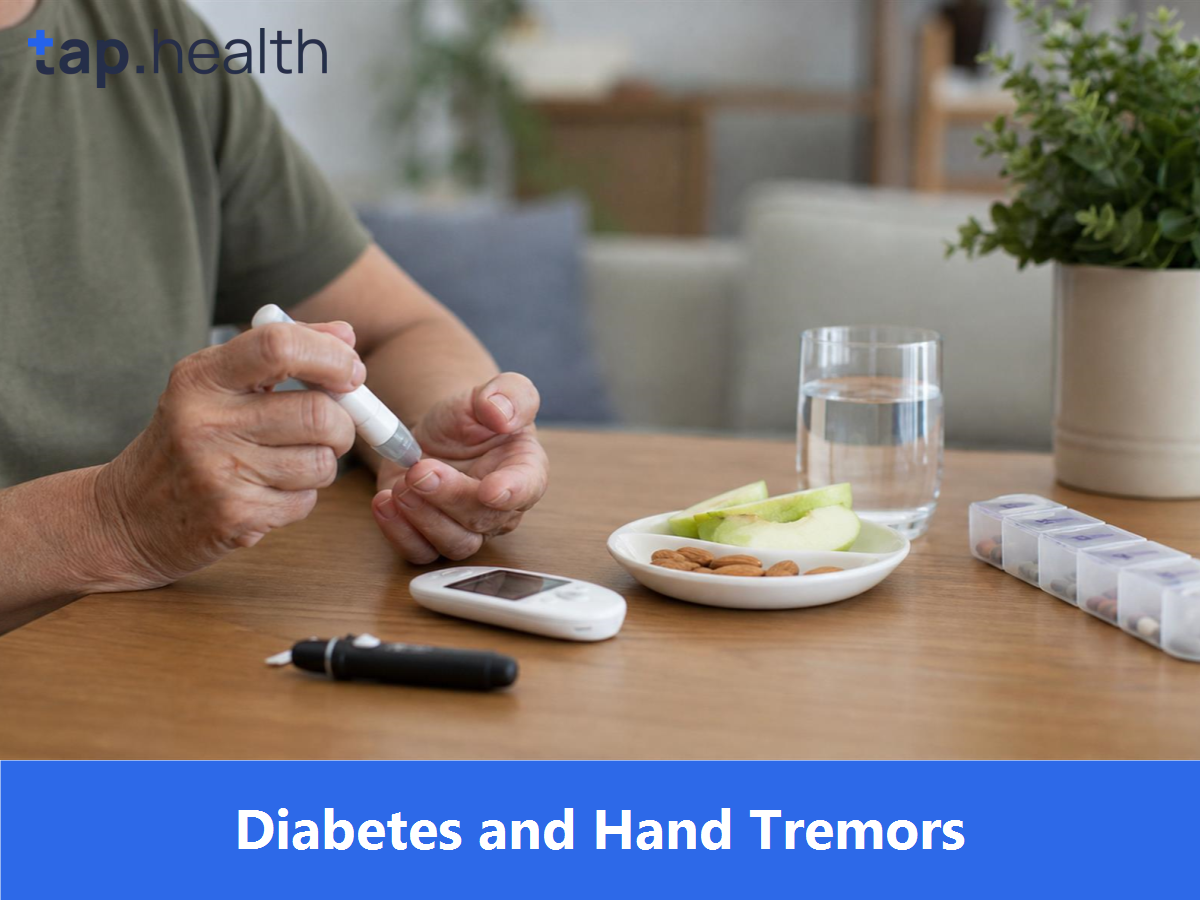
Diabetes and Hand Tremors: Low Sugar, Medicines, Anxiety, and What to Do

A detailed, research-based guide to diabetes and hand tremors, including causes, tests, safe care, and warning signs.

Diabetes
Artificial pancreas system during clinical trial
K. Siva Jyothi
K. Siva Jyothi
• July 17, 2026
• 19 min read

Diabetes and Morning Fatigue: Sleep, High Sugar, Anaemia, Thyroid, and Tests

A detailed, research-based guide to diabetes and morning fatigue, including causes, tests, safe care, and warning signs.

Diabetes
Artificial pancreas system during clinical trial
Isha Yadav
Isha Yadav
• July 17, 2026
• 19 min read

Diabetes and Snoring: Sleep Apnoea, Weight, Blood Sugar, and Testing

A detailed, research-based guide to diabetes and snoring, including causes, tests, safe care, and warning signs.

Diabetes
Artificial pancreas system during clinical trial
Do you remember your last sugar reading?
Log and Track your glucose on the Tap Health App
All logs in one place
Smart trend graphs
Medicine Reminder
100% Ad Free
Start Now

Missed your diabetes meds

again? Not anymore.

Get medicine reminders on your phone.

✓ Glucose diary and Insights
✓ Smart Nudges
✓ All logs at one place
✓ 100% Ad free
Start for free
tap health
tap.health logo
copyright © 2025
2nd Floor,Plot No 4, Minarch Tower,
Sector 44,Gurugram, 122003,
Haryana, India
  • About Us
  • Blog
  • Doctor login
  • Contact Us
  • Privacy Policy
  • Return / Shipping Policy
  • Terms and Conditions
Get Your Free AI Diabetes Coach