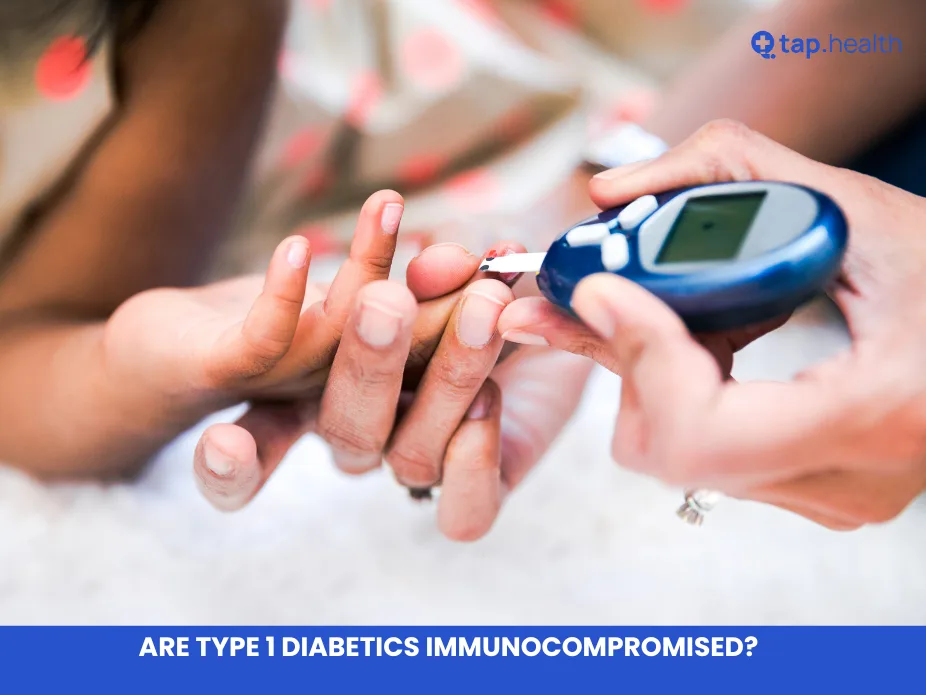
Type 1 diabetes (T1D) is a chronic condition where the body’s immune system mistakenly attacks and destroys the insulin-producing cells in the pancreas. This leads to the need for lifelong insulin therapy. While people with type 1 diabetes focus on managing their blood sugar levels, there’s a vital question: Are type 1 diabetics immunocompromised?
In this article, we’ll explore whether having type 1 diabetes affects the immune system. We’ll also look at the research, real-life examples, and expert advice to give you a clearer picture of the connection between T1D and immune function.
What Does It Mean to Be Immunocompromised?
When someone is described as “immunocompromised,” it means their immune system isn’t functioning at full strength. This makes them more vulnerable to infections and diseases. Normally, the immune system helps the body fight off harmful germs, bacteria, and viruses. But if it’s weakened or compromised, it struggles to protect the body as effectively.
Being immunocompromised can result from various factors, such as:
- Chronic diseases (like type 1 diabetes)
- Medications (for instance, immunosuppressants after an organ transplant)
- Other medical conditions that affect immune function
So, now that we know what being immunocompromised means, let’s dive deeper into how type 1 diabetes impacts the immune system.
How Type 1 Diabetes Affects the Immune System
While having type 1 diabetes doesn’t automatically mean someone is immunocompromised, it does influence the immune system in several ways. Let’s break this down:
Chronic Inflammation and Immune System Strain
People with type 1 diabetes often experience chronic inflammation, which can stress the immune system. This is partly due to the body’s autoimmune attack on the pancreas. Chronic inflammation weakens the body’s natural defenses, making it less efficient at fighting infections.
Research shows that inflammation is a key factor in T1D, and when inflammation is constant, it can impact immune responses. For example, people with T1D may find it harder to recover from illnesses like the flu or a cold because their immune system is already busy fighting the ongoing inflammation.
Higher Risk of Infections
People with type 1 diabetes are more prone to certain infections, especially when their blood sugar levels are poorly managed. High blood sugar (hyperglycemia) can impair the immune system’s ability to function effectively. When blood sugar is elevated, white blood cells — the body’s defenders — don’t work as well, making it easier for infections to take hold.
For example, if someone with T1D gets a cut or injury, their body might take longer to heal, and they may be at a higher risk of developing an infection. Managing blood sugar is crucial in preventing this.
Impact of High Blood Sugar on Immune Function
Having consistently high blood sugar levels doesn’t just affect blood vessels or organs; it also weakens the immune response. In fact, high blood glucose levels can lead to reduced circulation and damage to immune cells, which are necessary for fighting infections. This can make individuals more vulnerable to common illnesses.
Real-life Scenario: Ravi’s Struggle with Infections
Take the case of Ravi, a 35-year-old from New Delhi, who has been living with type 1 diabetes since childhood. Despite maintaining good control over his blood sugar, Ravi has noticed that whenever he falls ill, his recovery takes longer than it used to. A simple cold, for example, often turns into a lingering cough, or even a chest infection. This, according to his doctor, is because the constant blood sugar fluctuations can weaken his immune defenses, making it harder for his body to fight off common illnesses. Ravi now takes extra care during flu season and gets regular check-ups to stay ahead of any infections.
Expert Insights: Dr. Ramesh Kumar’s Contribution
Dr. Ramesh Kumar, an endocrinologist from Mumbai, explains: “Type 1 diabetes itself doesn’t necessarily make someone immunocompromised, but managing blood sugar levels effectively is key to supporting overall immune function. Poorly controlled diabetes can lead to complications that make infections more likely.”
Dr. Kumar emphasizes that proper management of blood glucose levels can significantly reduce the risk of infections and improve overall immunity. Consistent monitoring, a balanced diet, and regular physical activity play crucial roles in reducing the burden on the immune system for someone with T1D.
Are Type 1 Diabetics at Higher Risk for Severe Illnesses?
While type 1 diabetics may not be fully immunocompromised, their immune systems can still be at a disadvantage when exposed to infections. The increased inflammation, coupled with potential blood sugar fluctuations, can make it harder for their bodies to defend against viruses and bacteria.
For instance, during the COVID-19 pandemic, it was noted that people with type 1 diabetes had a higher risk of severe illness, especially when their blood sugar levels were not well-controlled. The stress on the body from both the virus and the underlying diabetes made the recovery process more difficult.
In fact, studies have shown that people with poorly managed T1D are more likely to experience complications from diseases like COVID-19. This highlights the importance of managing blood glucose levels, staying updated on vaccinations, and seeking medical guidance when necessary.
Recommendations for People with Type 1 Diabetes
Based on current research and expert advice, here are some key recommendations for managing the immune health of individuals with type 1 diabetes:
1. Control Blood Sugar Levels
Keeping blood sugar within a target range is crucial in maintaining a healthy immune system. The less erratic your blood sugar levels, the better your body can fight off infections. Regular monitoring, insulin adjustments, and a healthy diet are key steps.
2. Get Vaccinated
Vaccines, including the flu shot and COVID-19 vaccines, are crucial for people with type 1 diabetes. Vaccinations help prevent severe illnesses and reduce the risk of complications related to infections.
3. Regular Check-ups
Routine visits to an endocrinologist can help ensure that diabetes management is on track and that there are no signs of complications. It’s also important to stay on top of preventive care, such as screenings for infections or immune system issues.
4. Boost Your Immune System Naturally
A balanced diet rich in vitamins and minerals, along with regular exercise, can help strengthen the immune system. Foods rich in vitamin C, zinc, and omega-3 fatty acids can help support immune function. Always discuss with your healthcare provider before making significant changes to your diet or exercise routine.
5. Avoid Stress
Chronic stress can negatively impact blood sugar control and immune function. Practices like meditation, yoga, or simply taking time to relax can help reduce stress levels and improve overall well-being.
FAQs: Are Type 1 Diabetics Immunocompromised?
Q1: Are people with type 1 diabetes at a higher risk of infections?
Yes, people with type 1 diabetes may be more susceptible to infections, especially if their blood sugar levels are poorly controlled. Proper management of diabetes can help reduce the risk.
Q2: Can type 1 diabetics get COVID-19?
Yes, people with type 1 diabetes can contract COVID-19. However, managing blood sugar levels and staying vaccinated can reduce the severity of the illness.
Q3: How can I strengthen my immune system if I have type 1 diabetes?
Focus on controlling blood sugar, eating a balanced diet, exercising regularly, and getting vaccinated. These steps will help support your immune system and reduce the risk of infections.
Q4: Does type 1 diabetes make me immunocompromised?
While type 1 diabetes itself doesn’t make someone fully immunocompromised, it can affect immune function and increase the risk of infections. Proper diabetes management can minimize this risk.
If you want more information about healthy food choices for diabetics, check out this article on Is Butter Bad for Diabetics?.