Table of Contents
- Diabetes Diet: Mastering Blood Sugar with Colorful Foods
- The Rainbow Diet: A Guide to Better Blood Sugar Control
- Eat the Rainbow: Delicious Diabetes-Friendly Recipes
- Diabetes Meal Planning: Colorful Foods for Balanced Blood Sugar
- Which Foods to Eat for Diabetes? Your Colorful Guide to Blood Sugar Balance
- Frequently Asked Questions
- References
Managing diabetes can feel like a constant balancing act, but what if I told you that vibrant, delicious food could be your secret weapon? This blog post dives into the world of Diabetes Diet: Eating the Rainbow for Better Blood Sugar Control. We’ll explore how incorporating a colorful array of fruits, vegetables, and other nutrient-rich foods can significantly impact your blood sugar levels and overall well-being. Forget restrictive diets; we’re focusing on sustainable, enjoyable eating habits that support your health. Get ready to discover how simple dietary changes can make a big difference in your diabetes management journey!
Diabetes Diet: Mastering Blood Sugar with Colorful Foods
Managing diabetes in tropical and Indian climates requires a mindful approach to diet. Studies show that even seemingly small changes can make a big difference. For example, daily consumption of sugary beverages raises diabetes risk by 26%. This highlights the importance of choosing the right foods. Focusing on a “rainbow diet,” rich in diverse fruits and vegetables, is key to effective blood sugar control.
Embrace the Vibrant Hues
The vibrant colors of fruits and vegetables indicate the presence of various vitamins, minerals, and antioxidants crucial for managing diabetes. Think bright red tomatoes, bursting with lycopene; deep purple brinjals (eggplants), packed with anthocyanins; and the fiery orange of carrots, rich in beta-carotene. These phytonutrients not only support overall health but also help regulate blood sugar levels more effectively than relying on refined carbohydrates. Incorporating seasonal, locally grown produce ensures freshness and maximum nutrient benefit.
Practical Tips for a Colorful Plate
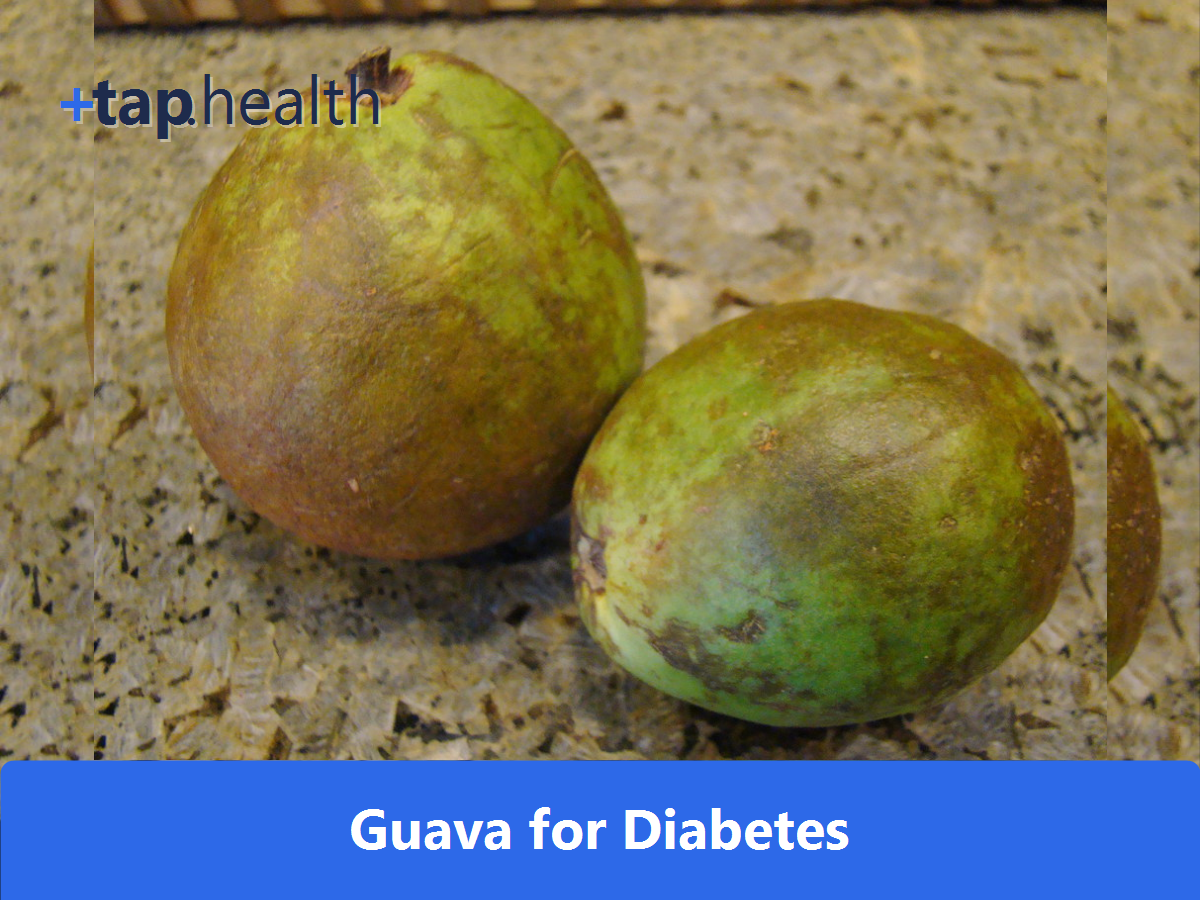
Prioritize non-starchy vegetables like spinach, kale, and broccoli alongside your meals. These are low in carbohydrates and high in fiber, promoting satiety and gradual glucose absorption. Include a variety of fruits, such as mangoes, papaya, and guava, rich in vitamins and fiber, but always mindful of portion control. Replace sugary drinks with water, unsweetened tea, or fresh fruit juice diluted with water. Remember, even small changes, like switching from sugary sodas to water, can significantly reduce your risk. For more ideas on healthy food choices, check out our list of 20 Best Foods for People with Diabetes – Tap Health.
Your Path to Better Blood Sugar Control
By focusing on a colorful, plant-based diet rich in fruits and vegetables common in the Indian and tropical regions, you can significantly improve your blood sugar control. Start incorporating these simple changes today and discover the transformative power of a vibrant, healthy plate! If weight management is also a goal, you might find our blog on How to Lose Weight with Diabetes Diet Plan helpful.
The Rainbow Diet: A Guide to Better Blood Sugar Control
Maintaining healthy blood sugar levels is crucial for managing diabetes, especially in regions like India and tropical countries where dietary habits significantly impact health. Remember, ideal pre-meal blood sugar should be between 80–130 mg/dL, and post-meal levels should be less than 180 mg/dL. The “Rainbow Diet,” focusing on diverse fruits and vegetables, offers a delicious and effective approach to achieving this.
Incorporating Colorful Foods for Blood Sugar Balance
The key lies in variety. Each color represents different phytonutrients with unique benefits for blood sugar regulation. Red foods like tomatoes and beetroot are rich in antioxidants; orange foods such as carrots and sweet potatoes offer beta-carotene; yellow and green vegetables like spinach and bell peppers are packed with vitamins and fiber. Purple foods, including brinjals (eggplant) and purple cabbage, boast anthocyanins, powerful antioxidants. Including a wide array of these colors in your daily meals ensures a balanced intake of essential nutrients.
Regional Considerations for the Rainbow Diet
In India and tropical countries, readily available fruits like mangoes, papayas, and bananas can be incorporated mindfully. While naturally sweet, these fruits contain essential vitamins and minerals. However, moderation is key, as their high sugar content can impact blood sugar levels. Prioritize low-glycemic index fruits and balance them with fiber-rich vegetables. Focus on incorporating regional staples like legumes, which are excellent sources of fiber and protein, crucial for stabilizing blood sugar. For more information on establishing helpful habits, check out our guide on How to Build Habits That Help Control Blood Sugar Levels.
Actionable Steps for Better Blood Sugar Control
Start by adding one new colorful vegetable or fruit to your meals each day. Gradually increase your intake of diverse produce. Consult a doctor or registered dietitian for personalized dietary advice tailored to your specific needs and regional food preferences. Remember, consistent effort in managing your diet significantly contributes to better blood sugar control and overall well-being. Learning how to maintain healthy blood sugar levels is a journey, and this diet is a great step in the right direction.
Eat the Rainbow: Delicious Diabetes-Friendly Recipes
Harnessing the Power of Colorful Fruits and Vegetables
Managing diabetes effectively often hinges on dietary choices. Considering that over 75% of people living with diabetes reside in low- and middle-income countries, as highlighted by the IDF Diabetes Atlas, access to affordable and culturally relevant recipes becomes crucial. Focusing on a vibrant, colorful diet rich in fruits and vegetables is a simple yet powerful strategy. The diverse range of produce available in Indian and tropical countries offers a wealth of options for delicious and blood-sugar-friendly meals.
Recipes for Every Taste
Think beyond the usual suspects! Incorporate vibrant greens like spinach and kale into curries and stir-fries. Add bursts of color with red bell peppers, tomatoes, and beetroot in salads or chutneys. Embrace the sweetness of mangoes and papayas, but always in moderation and as part of a balanced meal. The key is variety – the more colors on your plate, the wider the range of vitamins, minerals, and antioxidants you’ll consume, supporting overall health and blood sugar control. For more ideas on incorporating seasonal produce, check out our tips for Creating Diabetes-Friendly Dishes for the Holidays.
Regional Adaptations for Better Blood Sugar Control
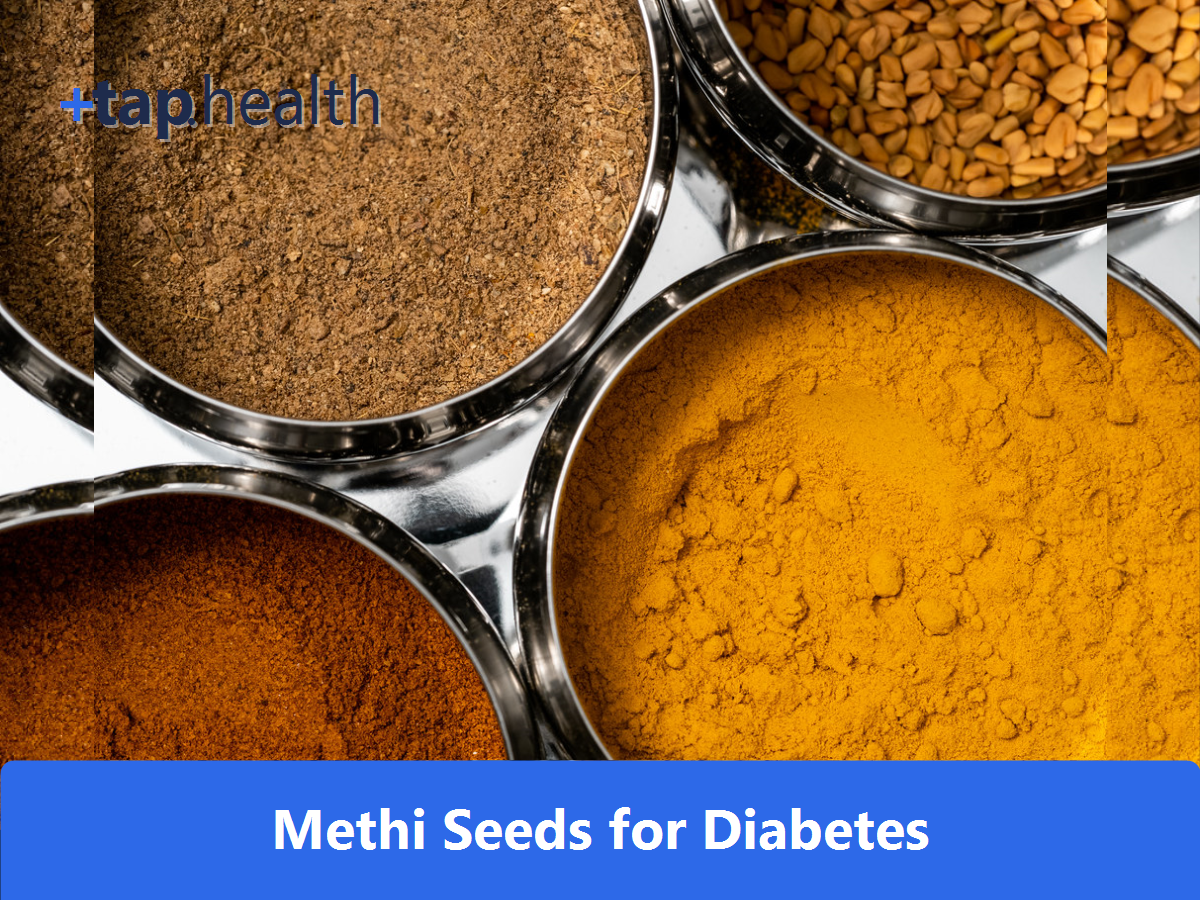
Many traditional dishes in Indian and tropical cuisines are naturally diabetes-friendly. Focus on using whole grains like brown rice and millets, lean proteins like lentils and fish, and healthy fats from nuts and seeds. Remember to limit processed foods, sugary drinks, and refined carbohydrates. Experiment with spices like turmeric and cinnamon, known for their potential anti-inflammatory and blood-sugar-regulating properties. By adapting your favorite local recipes with these simple swaps, you can create delicious and healthy meals that support your diabetes management journey. And if you’re planning a trip, remember to check out our guide on Traveling with Diabetes: Essential Tips for a Safe & Healthy Journey to ensure you maintain your healthy eating habits while on the go.
Diabetes Meal Planning: Colorful Foods for Balanced Blood Sugar
Managing diabetes in Indian and tropical climates requires a mindful approach to eating. A balanced diet, rich in diverse colors, is key to stabilizing blood sugar levels. This means incorporating a wide variety of fruits, vegetables, and whole grains into your daily meals. Think beyond the usual suspects – explore the vibrant bounty of your region!
The Power of the Rainbow Diet
The “Eating the Rainbow” approach emphasizes consuming foods of different colors, each offering unique nutritional benefits. Red tomatoes and bell peppers are packed with antioxidants; orange carrots and sweet potatoes provide beta-carotene; yellow mangoes and pineapples offer Vitamin C; green leafy vegetables like spinach and drumstick are rich in fiber; and purple brinjal (eggplant) and blackberries boast potent anthocyanins. These diverse nutrients help regulate blood sugar and support overall health. Focusing on Nutrient Density in Diabetic Meal Plans: Prioritizing Quality Foods is also crucial for effective blood sugar management.
Portion Control and Carbohydrate Intake
While enjoying these colorful foods, remember portion control is crucial. For most people with diabetes, aiming for 45–60 grams of carbohydrates per meal is a good starting point, though individual needs vary significantly. Consult your doctor or a registered dietitian to determine the ideal carbohydrate intake for your specific situation. Focus on complex carbohydrates like whole grains (brown rice, millets), legumes (lentils, chickpeas), and starchy vegetables (sweet potatoes, pumpkin) over refined carbohydrates found in white bread and sugary drinks. Following a structured Diet Chart for Diabetic Patients to Control Diabetes can be very helpful.
Actionable Tips for Indian & Tropical Climates
* Incorporate regional fruits: Mangoes, papayas, and bananas offer sweetness, but moderation is key.
* Embrace local vegetables: Explore drumstick, bitter gourd, and okra for their unique nutritional profiles.
* Choose whole grains: Opt for brown rice, millets (like ragi and bajra), and whole wheat rotis over refined grains.
* Spice it up: Turmeric, ginger, and cinnamon have anti-inflammatory properties beneficial for managing diabetes.
Remember to consult with your healthcare provider or a registered dietitian to create a personalized diabetes meal plan that suits your individual needs and dietary preferences. They can help you navigate the specific challenges of managing diabetes in your region and create a sustainable plan for long-term health.
Which Foods to Eat for Diabetes? Your Colorful Guide to Blood Sugar Balance
Managing diabetes, especially in the diverse climates of India and tropical countries, requires a mindful approach to diet. Understanding how food impacts blood sugar is crucial, and a vibrant, colorful plate is your key to success. The majority of those living with diabetes are aged between 20-64 (source), a time of life demanding energy and vitality. A balanced diet helps maintain this energy while preventing complications.
Embrace the Rainbow: Fruits & Vegetables
Think beyond just mangoes and bananas! India and tropical regions offer a stunning array of fruits and vegetables packed with fiber and nutrients. Dark leafy greens like spinach and amaranth, vibrant berries like jamun and blueberries, and colorful vegetables like carrots, bell peppers, and bitter gourd are your allies in blood sugar control. These foods are rich in antioxidants and help regulate blood glucose levels. Remember to incorporate a variety of colors for a wider range of nutrients.
Beyond the Rainbow: Smart Carbohydrate Choices
While carbohydrates are essential, choosing the right ones is crucial. Opt for complex carbohydrates like brown rice, millets (like ragi and jowar which are staples in many Indian diets), and whole-wheat roti over refined grains. These release glucose into the bloodstream more slowly, preventing sharp spikes in blood sugar. Portion control remains key, regardless of the carbohydrate source. For more information on choosing the right carbohydrate balance, check out our article on Low-Carb vs. Moderate-Carb Diets for Diabetes: What Works Best?
Spice Up Your Life: Healthy Fats & Spices
Healthy fats, such as those found in avocados, nuts, and seeds, are essential for overall health and can aid in managing diabetes. Indian cuisine, with its rich use of spices like turmeric, cinnamon, and ginger, offers additional benefits. These spices possess anti-inflammatory properties and can contribute to better blood sugar regulation.
Tailoring Your Plan: A Note on Regional Diets
Diabetes management requires personalization. While this guide offers general recommendations, it’s crucial to consult with a doctor or registered dietitian to create a meal plan tailored to your specific needs and the readily available foods in your region. This ensures you can manage your diabetes effectively while still enjoying the delicious and diverse culinary landscape of India and other tropical countries. Remember that consistent effort is key, and you can find more helpful tips in our article, 10 Proven Tips for Effective Diabetes Management.
Frequently Asked Questions on Diabetes Diet: Eating the Rainbow for Better Blood Sugar Control
Q1. What is the core principle of the recommended diabetes diet?
The core principle is the “rainbow diet,” emphasizing a variety of colorful fruits and vegetables for their diverse phytonutrients that help regulate blood sugar.
Q2. What types of foods should I prioritize and limit?
Prioritize non-starchy vegetables for their high fiber and low carbs. Include fruits, but practice portion control. Replace sugary drinks with water. Incorporate legumes, whole grains, and spices like turmeric and cinnamon.
Q3. What are the benefits of this dietary approach?
This diet helps improve blood sugar control, reduce inflammation, and contribute to overall well-being by providing essential nutrients and fiber.
Q4. Are there any limitations or challenges I should be aware of?
Managing portion sizes, especially with fruits, can be challenging. It’s crucial to adapt the diet to your regional food preferences. Individual needs vary, so personalized advice is essential.
Q5. How can I get started and ensure I’m following the diet correctly?
Consult a doctor or registered dietitian to create a personalized plan that aligns with your needs and preferences. They can guide you on incorporating regional foods and managing your portions effectively.
References
- A Practical Guide to Integrated Type 2 Diabetes Care: https://www.hse.ie/eng/services/list/2/primarycare/east-coast-diabetes-service/management-of-type-2-diabetes/diabetes-and-pregnancy/icgp-guide-to-integrated-type-2.pdf
- Children with Diabetes : A resourse guide for families and school. : https://www.health.ny.gov/publications/0944.pdf