tap.health logo
  • Diabetes Management
  • Health Assistant
  • About Us
  • Blog
  • Contact Us
Get Plan
  • Diabetes Management
  • Health Assistant
  • About Us
  • Blog
  • Contact Us
  • All Blogs
  • Diabetes
  • How to Build Habits That Help Control Blood Sugar Levels: Simple Strategies for Better Health

How to Build Habits That Help Control Blood Sugar Levels: Simple Strategies for Better Health

Diabetes
November 15, 2025
• 5 min read
Nishat Anjum
Written by
Nishat Anjum
Yasaswini Vajupeyajula
Reviewed by:
Yasaswini Vajupeyajula
ChatGPT Perplexity WhatsApp LinkedIn X Grok Google AI
How to Build Habits That Help Control Blood Sugar Levels

Managing blood sugar levels is crucial for overall health, especially for those with diabetes or those at risk. Blood sugar control plays a vital role in preventing long-term health complications like heart disease, nerve damage, and kidney problems. Building healthy habits is one of the most effective ways to keep your blood sugar in check. In this blog post, we’ll explore simple, actionable habits that can help you control your blood sugar levels and improve your overall health.

Why Controlling Blood Sugar is Important

Before we dive into building habits, it’s essential to understand why controlling blood sugar is so important. When you eat, your body breaks down carbohydrates into glucose (sugar), which enters your bloodstream. Insulin, a hormone produced by the pancreas, helps move glucose from the blood into cells where it’s used for energy.

For people with diabetes, the body doesn’t produce enough insulin or doesn’t use it effectively, leading to high blood sugar levels. Uncontrolled blood sugar over time can damage organs, nerves, and blood vessels. Keeping blood sugar within a healthy range can prevent these complications and improve your quality of life.

Now, let’s look at how you can develop habits to help manage your blood sugar.

1. Start with a Healthy, Balanced Diet

What you eat plays a significant role in blood sugar management. Building the habit of eating a healthy, balanced diet will help you regulate blood sugar levels throughout the day.

Focus on Low Glycemic Index (GI) Foods

The Glycemic Index (GI) measures how quickly foods cause blood sugar to rise. Foods with a low GI are absorbed slowly, helping maintain stable blood sugar levels.

Low GI foods include:

  • Whole grains (brown rice, oats)
  • Non-starchy vegetables (spinach, kale, broccoli)
  • Legumes (lentils, chickpeas)
  • Fruits (apples, berries, oranges)

Avoid high-GI foods, such as white bread, sugary snacks, and processed foods, as they cause rapid blood sugar spikes.

Include Protein and Healthy Fats in Your Meals

Adding protein and healthy fats to your meals can slow the absorption of glucose into your bloodstream, preventing sharp spikes in blood sugar.

Good sources of protein:

  • Lean meats (chicken, turkey)
  • Fish (salmon, mackerel)
  • Eggs, beans, and tofu

Healthy fats include:

  • Avocados
  • Nuts and seeds (almonds, chia seeds)
  • Olive oil

By incorporating these into your meals, you can promote steady blood sugar levels and improve overall satiety, keeping you full for longer.

Control Portion Sizes

Overeating can overwhelm your body’s ability to process glucose, leading to blood sugar spikes. Building the habit of eating smaller portions, especially of high-carb foods, can help prevent large fluctuations in blood sugar.

Use smaller plates and bowls to help control portion sizes, and try eating slowly to give your body time to signal when it’s full.

2. Exercise Regularly

Exercise is one of the most powerful tools for managing blood sugar. Physical activity helps your muscles use glucose for energy, which reduces the amount of glucose in the blood.

Incorporate Different Types of Exercise

Both aerobic exercise and strength training are beneficial for blood sugar control. Aim for a combination of both.

Aerobic exercises include activities like:

  • Walking
  • Cycling
  • Swimming

Strength training includes:

  • Weightlifting
  • Bodyweight exercises (squats, push-ups)

Exercising regularly can improve insulin sensitivity, helping your body use insulin more effectively.

Get Moving After Meals

A simple habit that can help lower blood sugar levels after eating is to go for a short walk. Even a 10-15 minute walk after meals can help your body use the glucose from the food you just ate, reducing the chance of a blood sugar spike.

3. Stay Hydrated

Drinking enough water is essential for blood sugar control. When you’re hydrated, your kidneys can work more efficiently to remove excess glucose from the bloodstream.

Drink Water Regularly

Aim to drink at least 8 glasses of water per day. You may need more if you’re physically active or live in a hot climate. Staying hydrated helps prevent dehydration, which can lead to high blood sugar levels.

Tip: If you’re craving something with flavor, opt for water with a slice of lemon or cucumber, or try herbal teas that don’t contain added sugars.

4. Get Enough Sleep

Sleep plays a crucial role in blood sugar regulation. Poor sleep can make it harder for your body to use insulin effectively, leading to higher blood sugar levels.

Build a Consistent Sleep Routine

Developing a regular sleep schedule is an excellent habit to improve your overall health and help control blood sugar. Try to go to bed and wake up at the same time every day, even on weekends.

Aim for 7-9 Hours of Sleep

Most adults need between 7 and 9 hours of sleep each night. Poor sleep or sleep deprivation can increase insulin resistance and contribute to higher blood sugar levels.

Create a Sleep-Friendly Environment

Make your bedroom a relaxing, sleep-friendly environment. Keep it dark, quiet, and cool, and avoid using screens (phones, computers, TVs) right before bed.

5. Manage Stress

Stress can have a significant impact on your blood sugar levels. When you’re stressed, your body produces cortisol, a hormone that can increase blood sugar. Managing stress through healthy habits can help keep your blood sugar under control.

Practice Relaxation Techniques

Incorporating relaxation techniques into your routine can help you manage stress more effectively. Some useful techniques include:

  • Deep breathing exercises
  • Meditation or mindfulness
  • Yoga

Engage in Enjoyable Activities

Hobbies or activities that you enjoy, such as gardening, painting, or spending time with loved ones, can reduce stress and help keep your blood sugar levels stable.

6. Monitor Your Blood Sugar Regularly

Regularly checking your blood sugar levels allows you to stay on top of your health. It helps you understand how your habits, food choices, and lifestyle changes affect your blood sugar.

Track Your Blood Sugar

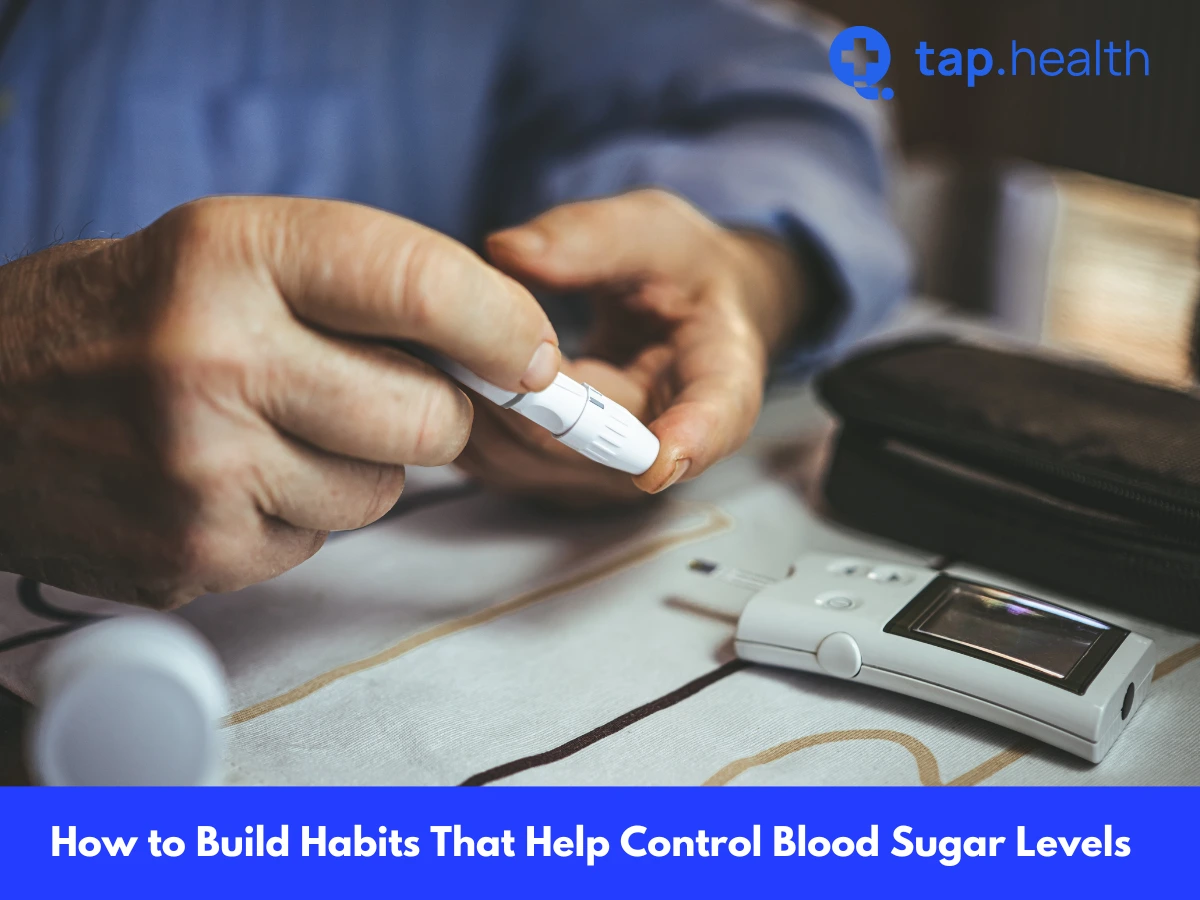
Use a glucose meter or continuous glucose monitor (CGM) to check your blood sugar levels at various times throughout the day. Keep track of your results to spot trends and make adjustments to your diet and lifestyle as needed.

Work with Your Healthcare Provider

If you have diabetes, it’s essential to work with your healthcare provider to set target blood sugar levels. Regular checkups and blood tests, such as HbA1c, can help you understand how well you’re managing your blood sugar over time.

7. Avoid Smoking and Limit Alcohol

Both smoking and excessive alcohol intake can negatively impact blood sugar levels.

Quit Smoking

Smoking increases insulin resistance, making it harder for your body to regulate blood sugar levels. Quitting smoking can improve insulin sensitivity and help prevent high blood sugar.

Limit Alcohol Consumption

Drinking too much alcohol can cause blood sugar levels to rise or fall unpredictably. If you choose to drink, do so in moderation. Limit alcohol to no more than one drink per day for women and two drinks per day for men.


FAQ on How to Build Habits That Help Control Blood Sugar Levels

1. What is the best food to control blood sugar levels?

The best foods to control blood sugar levels are those high in fiber and low in refined carbohydrates, such as whole grains, vegetables, legumes, and fruits. Lean proteins and healthy fats, like those from fish, nuts, and avocados, also help stabilize blood sugar.

2. How can I lower my blood sugar quickly?

To lower blood sugar quickly, try drinking water to stay hydrated, taking a brisk walk, or practicing deep breathing exercises to reduce stress. If your blood sugar is consistently high, consult your healthcare provider for appropriate interventions.

3. How much exercise is needed to control blood sugar?

Aim for at least 30 minutes of moderate aerobic exercise most days of the week. Including strength training exercises twice a week can further help improve insulin sensitivity and blood sugar control.

4. Can stress raise blood sugar levels?

Yes, stress can raise blood sugar levels. When you’re stressed, your body releases cortisol, which can increase glucose production in the liver, making it harder to control blood sugar levels.

5. How does sleep affect blood sugar?

Poor sleep can increase insulin resistance, leading to higher blood sugar levels. Aim for 7-9 hours of sleep each night to help maintain healthy blood sugar levels.


By building these habits into your daily routine, you can take control of your blood sugar and reduce the risk of complications. Remember, small changes can lead to significant improvements in your health. Start slowly, stay consistent, and seek support from healthcare providers if needed to create a plan tailored to your needs.


Tags
diabetes prevention foot health diabetes and sleep fasting blood sugar diabetes misconceptions diabetes medicine safety diabetic neuropathy symptoms diabetic foot ulcer warning signs can diabetics eat mango diabetes itching urinary infection diabetes diabetes slow wound healing metformin side effects diabetes numbness in hands banana for diabetes dates blood sugar jaggery for diabetes is poha good for diabetes guava blood sugar India diabetes diabetes after pregnancy type 1 and type 2 diabetes difference diabetes heart disease risk A1C gestational diabetes poor sleep blood sugar HbA1c diabetes symptoms in women diabetes medicines diabetes nerve damage diabetes and blood pressure mango and diabetes dark patches diabetes diabetes stomach problems diabetes wounds metformin safety diabetes tingling hands banana blood sugar papaya for diabetes is jaggery good for diabetes poha blood sugar orange for diabetes sugar spike after rice gestational diabetes India difference between type 1 and type 2 diabetes diabetes and heart attack Medicine blood sugar pregnancy diabetes sleep and diabetes diabetes in India women diabetes signs diabetes treatment advice tingling feet diabetes high blood pressure diabetes mango sugar diabetes walking after meals for diabetes diabetic gastroparesis diabetic wound care diabetes ketoacidosis warning signs diabetic neuropathy hands coconut water and diabetes is papaya good for diabetes gur for diabetes sprouts for diabetes can diabetics eat oranges Indian diet diabetes continuous glucose monitor India diabetes vs metabolic syndrome gestational diabetes vs type 2 diabetes Health fasting glucose blood sugar pregnancy diabetes and stress diabetes risk factors India diabetes risk women Indian diabetic diet chart diabetes eye disease diabetes heart kidney risk diabetes reversal vs remission post meal walk diabetes diabetes bloating nausea diabetes yeast infection DKA symptoms fasting with diabetes coconut water for diabetes papaya blood sugar watermelon for diabetes are sprouts good for diabetes orange blood sugar glucose spike symptoms CGM cost India metabolic syndrome and diabetes pregnancy diabetes and type 2 diabetes Lifestyle A1C test low blood sugar stress blood sugar diabetes prevention India diabetes symptoms in men diabetic meal plan diabetic eye test borderline HbA1c diabetes remission walking lowers blood sugar diabetes sick day rules diabetes fungal infection ketones diabetes diabetes fasting safety can diabetics drink coconut water oats for diabetes can diabetics eat watermelon sprouts blood sugar brown bread for diabetes post meal blood sugar time in range metabolic syndrome symptoms gestational diabetes future risk Home remedies diabetes diet hypoglycemia cortisol diabetes best fruits for diabetes men diabetes signs HbA1c test high protein breakfast for diabetes HbA1c 5.7 to 6.4 reverse type 2 diabetes diabetes grocery list India diabetes during illness diabetes vaginal itching diabetes blurry vision can diabetics fast curd for diabetes oatmeal diabetes watermelon blood sugar methi seeds for diabetes bread for diabetes diabetes blood pressure glucometer accuracy diabetes vs thyroid diabetes vs anaemia Fitness balanced meals diabetes safety diabetes eye care diabetes fruits diabetes risk men HbA1c normal range diabetes breakfast India prediabetes HbA1c diabetes plate method diabetic food list India blood sugar fever infection diabetes night sweats high blood sugar blurry vision insulin injection sites is curd good for diabetes are oats good for diabetes apple for diabetes fenugreek for diabetes whole wheat bread diabetes diabetes heart risk diabetes technology diabetes and thyroid disease diabetes fatigue or anaemia Prevention healthy eating diabetes heart health diabetic retinopathy fruit and blood sugar type 1 diabetes how to lower HbA1c diabetic breakfast ideas post-meal blood sugar Indian diabetes plate foods for diabetes shopping diabetes and alcohol low blood sugar at night diabetes excessive thirst insulin site rotation diabetes curd milk for diabetes can diabetics eat apple methi diabetes avocado for diabetes ABC diabetes CGM vs glucometer India thyroid blood sugar anaemia diabetes symptoms Hygiene why diabetes is considered as a lifestyle disease blood pressure diabetes eye test rice and diabetes type 1 diabetes symptoms fasting sugar normal range PCOS and diabetes blood sugar after food diabetes portion control diabetes kidney tests alcohol blood sugar diabetes diabetes sweating at night diabetes dry mouth insulin lumps tea and coffee in diabetes can diabetics drink milk apple blood sugar cinnamon for diabetes is avocado good for diabetes kidney risk diabetes diabetes reversal myths diabetes vs PCOS diabetes vs stress hyperglycaemia Ailments lifestyle diabetes cholesterol diabetes kidney care can diabetics eat rice insulin diabetes high fasting blood sugar PCOS insulin resistance postprandial glucose low glycaemic index foods for diabetes urine albumin diabetes can diabetics drink alcohol diabetes headache frequent urination diabetes diabetes weight gain coffee diabetes best milk for diabetes eggs for diabetes cinnamon blood sugar avocado blood sugar blurred vision diabetes HbA1c remission diabetes vs hypertension temporary high blood sugar Hindi type 2 diabetes lifestyle disease living with diabetes diabetic kidney disease diabetes diet India prediabetes diet reverse prediabetes naturally PCOS diabetes risk dawn phenomenon diabetes low GI foods India eGFR diabetes diabetes and dizziness high blood sugar headache diabetes fatigue diabetes and weight gain tea diabetes peanuts for diabetes are eggs good for diabetes dalchini for diabetes travelling with diabetes fundus exam diabetes remission vs reversal diabetes and hypertension stress hyperglycaemia skin diseases exercise and diabetes diabetes habits kidney tests diabetes morning blood sugar prediabetes food prediabetes reversal gestational diabetes diet Indian morning sugar high diabetes low GI diet diabetes and dental problems dizziness diabetes low blood sugar headache diabetes tiredness insulin weight gain roti for diabetes are peanuts good for diabetes egg diabetes amla for diabetes diabetes travel checklist eye care diabetes vildagliptin blood sugar vs blood pressure acne vulgaris symptoms blood sugar control diabetes management high blood sugar symptoms fasting sugar high lower diabetes risk how to prevent type 2 diabetes pregnancy diabetes diet high fasting sugar in morning diabetes and fatty liver diabetes gum disease low sugar dizziness blood sugar monitoring at home high blood sugar tiredness diabetes swollen feet best roti for diabetes peanuts blood sugar paneer for diabetes amla juice diabetes insulin travel storage diabetic retinopathy symptoms vildagliptin benefits in type 2 diabetes patients diabetes vs high cholesterol AI Search physical activity insulin resistance hyperglycemia symptoms dawn phenomenon diabetes and weight loss insulin resistance diet gestational diabetes meal plan diabetes and cholesterol fatty liver diabetes dry mouth diabetes diabetes leg pain when to check blood sugar diabetes constipation swollen feet diabetes chapati diabetes sweet potato for diabetes is paneer good for diabetes amla blood sugar diabetes hot weather GDM screening DPP-4 inhibitor lipid profile diabetes type 2 diabetes diabetes foot care insulin sensitivity diabetes warning signs diabetes myths weight loss diabetes Indian foods for insulin resistance diabetic foot ulcer diabetes lipid profile insulin resistance fatty liver diabetes urine infection diabetic leg cramps blood glucose monitoring diabetes and constipation diabetes foot swelling can diabetics eat dates can diabetics eat sweet potato paneer diabetes guava for diabetes diabetes dehydration pregnancy blood sugar targets diabetes medicine India diabetes vs neuropathy prediabetes diabetic foot type 2 diabetes risk normal blood sugar levels diabetes facts insulin resistance weight loss improve insulin sensitivity diabetes foot wound cholesterol in diabetes diabetes skin problems frequent UTI diabetes diabetes nerve pain legs metformin for diabetes constipation diabetes can diabetics eat banana dates for diabetes sweet potato blood sugar poha for diabetes can diabetics eat guava heat and blood sugar postpartum diabetes risk type 1 vs type 2 diabetes diabetes vs heart disease
More blogs
Varshitha Sotala
Varshitha Sotala
• June 15, 2026
• 19 min read

Diabetes vs Stress Hyperglycaemia: Temporary High Sugar, Illness, Steroids, Tests, and Follow-Up

A detailed guide to diabetes vs stress hyperglycaemia, explaining temporary high sugar during illness, surgery, steroids, infection, and follow-up testing.

Diabetes
How to Build Habits That Help Control Blood Sugar Levels
Shalu Raghav
Shalu Raghav
• June 15, 2026
• 19 min read

Diabetes vs Anaemia: Fatigue, Weakness, Dizziness, Blood Tests, Causes, and Treatment Differences

A practical comparison of diabetes vs anaemia, explaining fatigue, weakness, dizziness, HbA1c, haemoglobin, iron, B12, and when to test.

Diabetes
How to Build Habits That Help Control Blood Sugar Levels
Nishat Anjum
Nishat Anjum
• June 15, 2026
• 19 min read

Gestational Diabetes vs Type 2 Diabetes: Pregnancy Sugar, Future Risk, Tests, and Care Differences

A comparison of gestational diabetes vs type 2 diabetes, covering pregnancy sugar, postpartum risk, testing, diet, medicines, and long-term follow-up.

Diabetes
How to Build Habits That Help Control Blood Sugar Levels
Do you remember your last sugar reading?
Log and Track your glucose on the Tap Health App
All logs in one place
Smart trend graphs
Medicine Reminder
100% Ad Free
Download Now

Missed your diabetes meds

again? Not anymore.

Get medicine reminders on your phone.

✓ Glucose diary and Insights
✓ Smart Nudges
✓ All logs at one place
✓ 100% Ad free
Download Free
tap health
tap.health logo
copyright © 2025
2nd Floor,Plot No 4, Minarch Tower,
Sector 44,Gurugram, 122003,
Haryana, India
  • About Us
  • Blog
  • Doctor login
  • Contact Us
  • Privacy Policy
  • Return / Shipping Policy
  • Terms and Conditions
Get Your Free AI Diabetes Coach