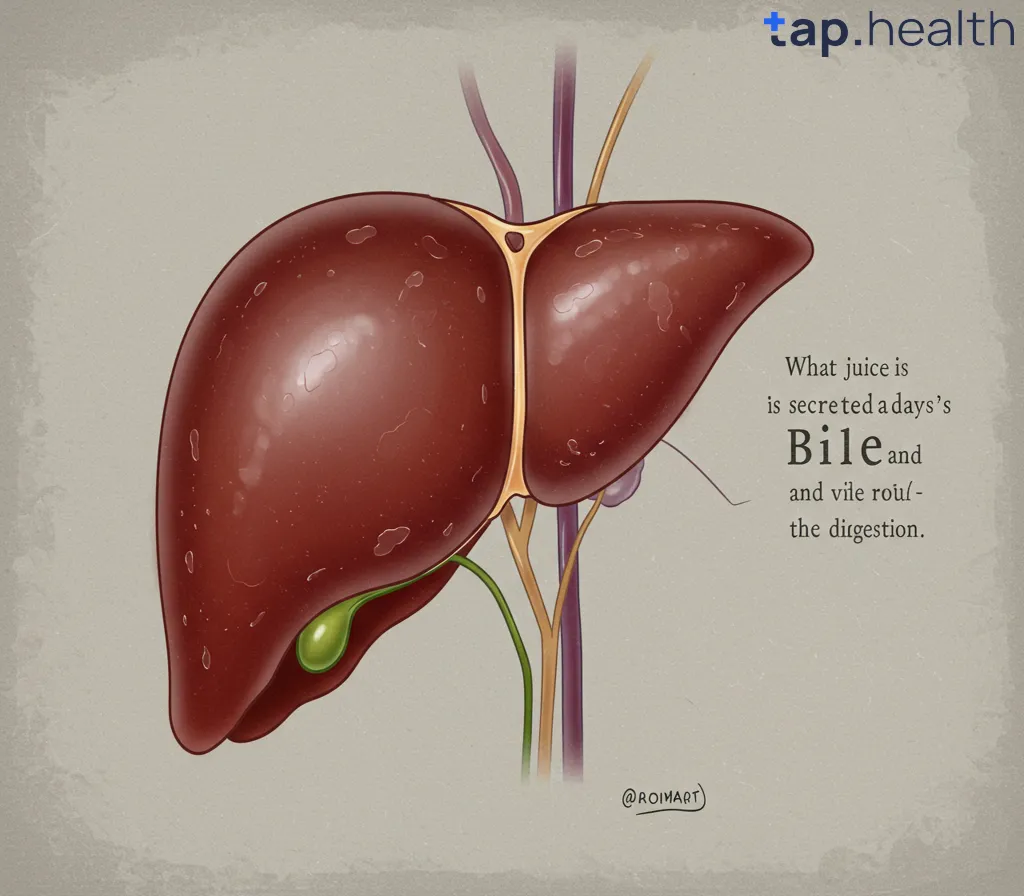
The liver, one of the largest organs in the human body, plays an essential role in numerous bodily functions. Among its many duties, one of the most crucial is the secretion of a substance known as bile. Bile is often referred to as the “juice” secreted by the liver, and it plays a key role in the digestion of fats. In this article, we’ll explore what bile is, why it’s so important for digestion, and how it contributes to overall health.
What is Bile?
Bile is a digestive fluid secreted by the liver and stored in the gallbladder. It is composed of water, bile salts, bile pigments, cholesterol, and other substances. The liver produces bile continuously, but it is stored and concentrated in the gallbladder until needed for digestion.
Bile’s primary role is to aid in the digestion and absorption of fats and fat-soluble vitamins in the small intestine. It is released into the small intestine whenever fatty foods are consumed to help break down and emulsify fats, making them easier for the body to absorb.
The Role of Bile in Digestion
1. Fat Emulsification
One of the key functions of bile is to emulsify fats in the digestive system. Fats are hydrophobic (water-repellent), which means they do not mix easily with water-based digestive juices. Bile contains bile salts that act as detergents, breaking down large fat globules into smaller droplets. This process is called emulsification.
By emulsifying fats, bile increases the surface area available for enzymes (lipases) to act upon, allowing the body to absorb nutrients more efficiently.
2. Absorption of Fat-Soluble Vitamins
Bile is crucial for the absorption of fat-soluble vitamins, such as vitamins A, D, E, and K. These vitamins cannot be absorbed by the intestine without the aid of bile. After bile emulsifies fats, the fat-soluble vitamins are absorbed along with them into the bloodstream.
3. Elimination of Waste Products
Bile also serves as a way for the body to eliminate certain waste products, including bilirubin (a byproduct of the breakdown of red blood cells) and excess cholesterol. These substances are excreted into the bile, which eventually makes its way to the intestines and is eliminated in the stool.
The Process of Bile Secretion
1. Bile Production in the Liver
The liver produces bile continuously in small amounts. Bile is made by liver cells known as hepatocytes. These cells extract waste products, cholesterol, and other substances from the blood and combine them to create bile.
- Bile Salts: These are essential for fat emulsification and absorption. They are derived from cholesterol, and once used in digestion, most of them are reabsorbed by the small intestine and returned to the liver.
- Bilirubin: This is the waste product formed after the liver breaks down old red blood cells. It gives bile its yellow-green color.
- Cholesterol: A component of bile that is important for fat digestion but must be excreted in order to maintain proper balance in the body.
2. Storage in the Gallbladder
After bile is produced in the liver, it is stored and concentrated in the gallbladder. The gallbladder can hold about 30-50 milliliters of bile at a time. When fatty foods enter the small intestine, the gallbladder releases the bile into the duodenum (the first part of the small intestine) through the bile duct.
3. Release of Bile During Digestion
When food reaches the small intestine, particularly after the consumption of fatty foods, the hormone cholecystokinin (CCK) signals the gallbladder to release bile into the duodenum. This is where bile goes to work on the fats in the food, breaking them down into smaller components for absorption.
The Importance of Bile for Liver Health
Bile is essential not just for digestion but also for the liver’s ability to maintain metabolic balance. A healthy bile production system ensures the efficient digestion of fats, proper absorption of fat-soluble vitamins, and the removal of waste products from the body. Problems with bile production or flow can lead to various liver and digestive issues.
1. Bile and Liver Diseases
Disruptions in bile production or flow can lead to a number of liver-related health issues, such as:
- Cholestasis: This occurs when bile flow is reduced or stopped, often due to liver disease or blockage in the bile ducts. Cholestasis can result in jaundice, itching, and digestive problems.
- Gallstones: These are solid particles that form in the gallbladder and can block bile ducts. Gallstones can cause pain, nausea, and require surgical removal.
- Cirrhosis: In advanced liver disease like cirrhosis, bile production and flow can be affected, leading to complications in digestion and liver function.
Maintaining liver health is crucial for ensuring the proper secretion of bile. A healthy liver means proper bile production and flow, supporting effective digestion and absorption.
How to Maintain Healthy Bile Production
Maintaining optimal bile production and liver health is key to ensuring proper digestion and overall wellness. Here are some tips to keep your liver and bile production in good shape:
1. Maintain a Balanced Diet
A diet rich in fruits, vegetables, whole grains, and healthy fats can support liver health and bile production. Foods high in fiber help the liver function more efficiently by assisting in the removal of waste products.
- Healthy fats like those found in avocados, olive oil, and nuts are important for bile production.
- Liver-healthy foods such as beets, garlic, and leafy greens can support detoxification and bile production.
2. Stay Hydrated
Proper hydration is essential for maintaining healthy liver and bile function. Drink plenty of water throughout the day to help your body flush out toxins and keep the bile flowing smoothly.
3. Limit Alcohol Consumption
Excessive alcohol intake can damage liver cells and interfere with bile production. Moderating alcohol consumption or abstaining altogether is important for liver health.
4. Exercise Regularly
Regular physical activity helps improve circulation and supports overall liver function. Exercise also plays a role in maintaining a healthy weight, which reduces the risk of conditions like fatty liver disease that can affect bile production.
5. Avoid Processed Foods and Excess Sugar
Processed foods and excess sugar can contribute to liver fat buildup and affect bile production. A diet low in refined sugars and unhealthy fats supports optimal liver function.
What Happens if Bile Production is Impaired?
When bile production is impaired, several digestive problems may arise. Some of the consequences of reduced or blocked bile flow include:
- Poor Fat Digestion: Without sufficient bile, the body may struggle to digest fats properly, leading to symptoms like diarrhea, bloating, and nutrient deficiencies.
- Vitamin Deficiencies: Since bile is essential for the absorption of fat-soluble vitamins, a lack of bile can lead to deficiencies in vitamins A, D, E, and K.
- Gallstones: Inadequate bile production or secretion can lead to the formation of gallstones, which can cause pain and block bile ducts.
Frequently Asked Questions (FAQs) on What Juice is Secreted by the Liver?
1. What Is the Function of Bile in Digestion?
Bile helps break down fats into smaller droplets in the small intestine, allowing digestive enzymes to absorb fat more efficiently. It also aids in the absorption of fat-soluble vitamins (A, D, E, and K).
2. Why is Bile Important for the Liver?
Bile is important for the liver because it helps remove waste products (like bilirubin) and excess cholesterol from the body. Healthy bile production and flow are essential for overall liver function.
3. What Happens If Bile Is Not Secreting Properly?
If bile is not being secreted properly, it can lead to digestive problems like poor fat digestion, malabsorption of vitamins, and conditions like gallstones and jaundice.
4. Can Liver Damage Affect Bile Production?
Yes, liver diseases like cirrhosis and hepatitis can damage liver cells and impair bile production, leading to a variety of digestive and metabolic problems.
5. Can I Improve My Bile Flow Naturally?
Yes, maintaining a healthy diet, staying hydrated, exercising regularly, and avoiding excessive alcohol consumption can help support healthy bile flow and liver function.
Conclusion
Bile is a critical digestive fluid secreted by the liver that helps emulsify fats, absorb fat-soluble vitamins, and eliminate waste products from the body. Proper bile production and flow are essential for digestive health, and any disruptions in this process can lead to serious liver and digestive issues. By maintaining a healthy lifestyle and taking care of your liver, you can support optimal bile production and enjoy better digestive health.