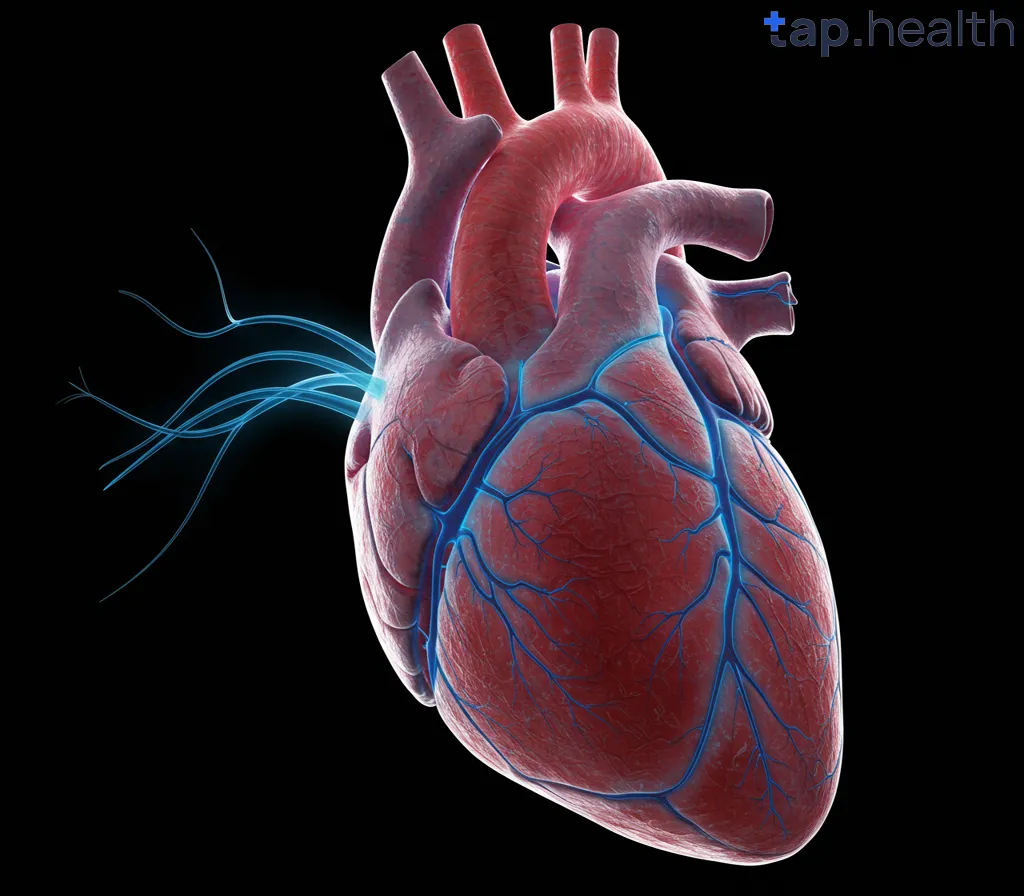
A heart blockage occurs when the blood flow to the heart is restricted, often due to a build-up of plaque or fatty deposits in the coronary arteries. When this happens, the heart doesn’t receive enough oxygen and nutrients, which can lead to chest pain, heart attack, or other serious heart conditions. Heart blockage is one of the leading causes of heart disease, but with the right approach, it can be treated and prevented.
If you or someone you know is struggling with heart blockage, you might wonder: how can heart blockage be removed? Fortunately, there are several effective treatments, lifestyle changes, and medical procedures that can help remove or reduce the effects of heart blockage.
In this comprehensive guide, we will explain how heart blockages form, what treatments are available to remove them, and how you can prevent them from occurring in the first place.
What Is Heart Blockage?
Before we dive into how to remove heart blockage, it’s important to understand exactly what it is.
A heart blockage refers to the partial or complete obstruction of the coronary arteries, which supply oxygen-rich blood to the heart muscle. Over time, fatty deposits (plaque) consisting of cholesterol, fat, and other substances can build up along the walls of these arteries, causing a narrowing. This process is known as atherosclerosis. When the arteries become sufficiently narrow, blood flow is restricted, which can lead to serious heart issues.
Heart blockages are often detected through symptoms such as chest pain (angina), shortness of breath, or in some cases, a heart attack.
Common Causes of Heart Blockage
The primary cause of heart blockage is atherosclerosis, but there are several risk factors that contribute to the development of plaque in the arteries:
- High Cholesterol: Excess cholesterol can build up in the arteries, leading to plaque formation.
- High Blood Pressure: Over time, high blood pressure can damage artery walls, making it easier for plaque to accumulate.
- Smoking: Smoking contributes to the buildup of plaque and increases the risk of heart disease.
- Diabetes: High blood sugar levels can damage blood vessels, increasing the risk of atherosclerosis.
- Unhealthy Diet: Diets high in trans fats, saturated fats, and processed foods contribute to plaque buildup.
- Physical Inactivity: Lack of exercise can lead to poor heart health and increase the risk of heart blockage.
How Do You Remove Heart Blockage?
The treatment for heart blockage typically depends on the severity of the blockage, the person’s overall health, and how quickly they receive medical attention. The good news is that heart blockage can often be treated and, in some cases, completely removed or bypassed through various methods.
1. Lifestyle Changes to Manage Heart Blockage
One of the most effective ways to manage and even reverse heart blockage is by making significant lifestyle changes. These changes can help reduce plaque buildup, improve blood flow, and prevent future blockages.
A. Adopt a Heart-Healthy Diet
A heart-healthy diet can reduce the amount of cholesterol and plaque in the arteries. Focus on eating foods that are low in saturated fats and cholesterol, and rich in nutrients that support heart health:
- Increase Fiber: Foods like fruits, vegetables, whole grains, and legumes are high in fiber, which can help lower cholesterol levels.
- Limit Saturated and Trans Fats: Avoid fried foods, fatty cuts of meat, and processed snacks that contain unhealthy fats.
- Eat Healthy Fats: Incorporate healthy fats from sources like olive oil, avocados, and fatty fish such as salmon and mackerel.
- Control Portion Sizes: Managing portion sizes helps prevent overeating and weight gain, both of which are important for heart health.
B. Exercise Regularly
Regular physical activity is key to reducing heart blockage. Exercise helps strengthen the heart muscle, improve circulation, lower cholesterol, and maintain healthy blood pressure.
- Aim for at least 150 minutes of moderate-intensity exercise (such as brisk walking or cycling) or 75 minutes of vigorous-intensity exercise (like running or swimming) each week.
- Include strength training exercises two days a week to improve overall cardiovascular health.
C. Quit Smoking
Smoking damages the blood vessels and accelerates the development of atherosclerosis. Quitting smoking is one of the most important steps you can take to improve heart health.
D. Manage Stress
Chronic stress can contribute to high blood pressure, which increases the risk of heart blockage. Practice relaxation techniques such as meditation, deep breathing, yoga, or even engaging in a hobby to manage stress.
E. Maintain a Healthy Weight
Being overweight or obese increases the risk of heart disease, as it can contribute to high cholesterol, high blood pressure, and diabetes. Losing weight through a combination of diet and exercise can help reduce the burden on the heart and arteries.
2. Medications to Treat Heart Blockage
For individuals with heart blockage, doctors may prescribe medications to help manage the condition. These medications can help lower cholesterol, reduce inflammation, and prevent blood clots.
A. Statins
Statins are a class of medications that lower cholesterol levels in the blood, reducing the risk of plaque buildup in the arteries. Statins can slow down the progression of atherosclerosis and prevent further blockages.
B. Blood Thinners
Blood thinners, also known as anticoagulants, help reduce the risk of blood clots forming in the arteries. By preventing clots, blood thinners reduce the chances of a heart attack or stroke, especially in individuals with significant blockages.
C. Angiotensin-Converting Enzyme (ACE) Inhibitors
ACE inhibitors help lower blood pressure, which reduces the strain on the heart and arteries. Lower blood pressure can help prevent further damage to the blood vessels and reduce the risk of additional blockages.
D. Beta-Blockers
Beta-blockers reduce the heart rate and lower blood pressure, which decreases the workload on the heart. These medications are often prescribed after a heart attack or to help manage angina.
E. Cholesterol-Lowering Medications
Other cholesterol-lowering medications, such as PCSK9 inhibitors, may be prescribed for individuals who are at high risk for heart disease but do not respond well to statins.
3. Surgical and Interventional Procedures
In cases of severe heart blockage, lifestyle changes and medications may not be enough to fully restore blood flow. In these situations, doctors may recommend surgical procedures or minimally invasive interventions.
A. Angioplasty and Stenting
Angioplasty is a procedure where a balloon is inserted into the blocked artery to widen it and restore blood flow. Often, a stent (a small mesh tube) is placed in the artery to keep it open. Angioplasty and stenting are commonly used to treat severe blockages in the coronary arteries.
B. Bypass Surgery (Coronary Artery Bypass Grafting – CABG)
In cases of severe or multiple blockages, coronary artery bypass grafting (CABG) may be needed. During this surgery, a surgeon creates a bypass around the blocked arteries by using healthy blood vessels from other parts of the body. This procedure allows blood to flow around the blockage and restore oxygen supply to the heart muscle.
C. Endarterectomy
In some cases, the buildup of plaque in the arteries can be removed through a procedure called endarterectomy. This involves surgically removing the plaque from the artery walls to open up the blood flow.
How to Prevent Heart Blockage in the Future
Preventing heart blockage is just as important as treating it. By adopting a healthy lifestyle and managing risk factors, you can significantly reduce your chances of developing a heart blockage or other heart-related issues.
1. Regular Health Check-ups
Regular check-ups with your healthcare provider are crucial for monitoring cholesterol levels, blood pressure, and overall heart health. Early detection of high cholesterol or high blood pressure allows for prompt treatment and intervention.
2. Control Risk Factors
Managing existing conditions such as diabetes, hypertension, and high cholesterol is essential for preventing further plaque buildup in the arteries. Follow your doctor’s advice regarding medications, diet, and exercise to manage these conditions effectively.
3. Stay Active and Eat Well
Maintaining a healthy lifestyle through regular physical activity and a balanced diet can significantly reduce your risk of heart disease. Avoid smoking, limit alcohol intake, and prioritize a diet rich in fruits, vegetables, whole grains, and healthy fats.
Frequently Asked Questions (FAQs) on How to Remove Heart Blockage
1. What Are the Symptoms of Heart Blockage?
The symptoms of heart blockage can include chest pain (angina), shortness of breath, fatigue, dizziness, and in severe cases, heart attacks. If you experience these symptoms, seek medical attention immediately.
2. How Can Heart Blockage Be Prevented?
Heart blockage can be prevented by maintaining a healthy lifestyle, including a balanced diet, regular exercise, quitting smoking, and managing risk factors such as high cholesterol, high blood pressure, and diabetes.
3. What Are the Treatment Options for Heart Blockage?
Treatment options for heart blockage include lifestyle changes, medications (such as statins or blood thinners), and surgical procedures like angioplasty, stenting, or bypass surgery, depending on the severity of the blockage.
4. Can Heart Blockage Be Reversed?
In some cases, heart blockage can be improved or reversed with lifestyle changes and medications. However, severe blockages may require surgical intervention to restore blood flow to the heart.
5. How Long Does Recovery Take After Heart Surgery?
Recovery times vary depending on the type of surgery. After procedures like angioplasty or bypass surgery, most people take several weeks to a few months to fully recover, during which time they may need rehabilitation to regain strength and mobility.
In conclusion, heart blockage is a serious condition, but it is treatable and preventable with the right approach. Early intervention, a healthy lifestyle, and regular medical care can help manage and reduce the risks associated with heart blockage. Whether through lifestyle changes, medications, or surgical treatments, the key to improving heart health is staying proactive and informed.