tap.health logo
  • Diabetes Management
  • Health Assistant
  • About Us
  • Blog
  • Contact Us
Get Plan
  • Diabetes Management
  • Health Assistant
  • About Us
  • Blog
  • Contact Us
  • All Blogs
  • Product
  • Is Castor Oil Good for Eczema? A Complete Guide

Is Castor Oil Good for Eczema? A Complete Guide

Product
June 18, 2026
• 7 min read
Yasaswini Vajupeyajula
Written by
Yasaswini Vajupeyajula
Shalu Raghav
Reviewed by:
Shalu Raghav
ChatGPT Perplexity WhatsApp LinkedIn X Grok Google AI

Eczema is a skin condition that causes red, itchy, and inflamed patches on the skin. It’s a condition that affects many people, especially in areas like the elbows, knees, and hands. If you’re looking for ways to soothe and treat eczema, you may have come across castor oil as a natural remedy. But is castor oil good for eczema? In this comprehensive guide, we’ll explore everything you need to know about how castor oil can benefit your skin, including its properties, how it works, and how you can use it effectively to manage eczema.

What is Eczema?

Eczema, also known as atopic dermatitis, is a chronic condition that results in the skin becoming inflamed and itchy. The exact cause of eczema is not fully understood, but it is thought to be related to genetics, environmental factors, and the immune system’s response to irritants or allergens. The most common symptoms of eczema include dry, flaky skin, redness, swelling, and severe itching. It can appear anywhere on the body, but is particularly common on the hands, face, and behind the knees.

How Does Castor Oil Work for Eczema?

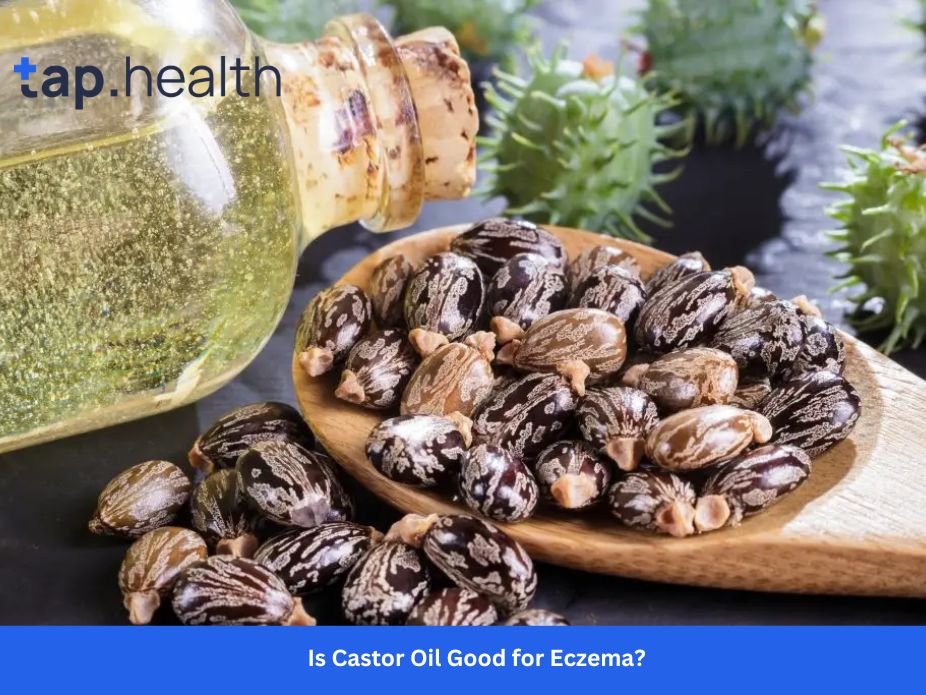
Castor oil is a vegetable oil derived from the castor bean plant. It’s been used for centuries for its various health benefits, especially in skin care. Castor oil is rich in fatty acids, especially ricinoleic acid, which gives it its medicinal properties. This oil has a number of attributes that make it effective for treating eczema:

1. Moisturizing Properties

One of the main causes of eczema flare-ups is dry skin. Castor oil is an excellent moisturizer, as it is packed with hydrating properties. When applied to the skin, it locks in moisture, preventing dryness, which is crucial for soothing eczema. Its ability to create a barrier helps retain water in the skin, keeping it hydrated and soft.

2. Anti-Inflammatory Effects

Inflammation is one of the major contributors to eczema symptoms. Castor oil has natural anti-inflammatory properties, which can help reduce redness and swelling. By reducing inflammation, castor oil helps soothe the skin and reduce the discomfort associated with eczema flare-ups.

3. Antibacterial and Antifungal Properties

Eczema can make the skin more prone to infections, especially when the skin is cracked or broken due to constant scratching. Castor oil has both antibacterial and antifungal properties that help prevent infections by killing harmful bacteria and fungi on the skin. This is important as infections can worsen eczema symptoms and delay healing.

4. Skin Repair and Healing

Castor oil is rich in nutrients that promote skin healing, including vitamin E and other antioxidants. These nutrients help repair damaged skin by stimulating the production of new skin cells, making it an excellent option for eczema sufferers whose skin is often prone to damage.

How to Use Castor Oil for Eczema

Now that we know how castor oil works to improve eczema symptoms, let’s discuss the best ways to use it for effective results.

1. Castor Oil as a Moisturizer

For daily use, apply a thin layer of castor oil directly to the affected area of the skin. This will help lock in moisture and prevent your skin from becoming dry. It’s best to apply the oil after a bath or shower when your skin is still slightly damp, as this will help seal in the moisture.

2. Castor Oil and Coconut Oil Mixture

Coconut oil is another excellent oil for eczema due to its moisturizing and anti-inflammatory properties. You can mix castor oil with coconut oil to enhance the benefits. Simply combine equal parts of both oils and massage the mixture into your skin. The addition of coconut oil helps improve the skin’s healing process while making the castor oil more spreadable and less sticky.

3. Castor Oil Compress

A compress is a great way to deliver the healing benefits of castor oil to a specific area. To create a castor oil compress, soak a clean cloth in warm water, then wring it out. Apply a few drops of castor oil to the cloth and place it on the eczema-affected area. Leave the compress on for about 20 minutes to allow the oil to penetrate deeply into the skin.

4. Castor Oil and Aloe Vera Gel

Aloe vera is known for its soothing properties, especially for irritated skin. You can mix castor oil with aloe vera gel to create a more soothing treatment for eczema. Aloe vera will help calm down the redness and irritation while castor oil moisturizes and protects the skin.

Can Castor Oil Cure Eczema?

While castor oil can help manage eczema symptoms by moisturizing the skin, reducing inflammation, and promoting healing, it’s important to note that it may not cure eczema completely. Eczema is a chronic condition, and while castor oil can significantly reduce flare-ups and symptoms, it won’t eliminate the condition entirely. It can, however, be a valuable part of your eczema management routine.

Is Castor Oil Safe for Eczema?

Castor oil is generally considered safe for most people, but as with any product, it’s important to do a patch test before using it on a large area of skin. Apply a small amount of castor oil to a discreet patch of skin and wait 24 hours to see if any irritation or allergic reactions occur. If your skin becomes red, itchy, or swollen, avoid using castor oil on your eczema.

Side Effects of Castor Oil

While rare, some people may experience mild side effects from using castor oil, including:

  • Skin irritation
  • Allergic reactions (rash, redness, swelling)
  • Excessive dryness (if used too frequently)

If you experience any of these side effects, stop using castor oil immediately and consult with a healthcare professional.

Other Natural Remedies for Eczema

While castor oil is effective for many people, there are other natural remedies that may also provide relief from eczema symptoms. Some of these include:

1. Coconut Oil

Coconut oil is another natural oil that helps to moisturize and soothe the skin. It has natural antibacterial properties that can reduce the risk of infection.

2. Honey

Honey is a natural humectant that helps to draw moisture into the skin. It also has antibacterial properties and can help reduce inflammation.

3. Oatmeal Baths

Oatmeal baths are a popular remedy for soothing eczema. Oats have anti-inflammatory properties that can relieve itching and irritation.

4. Aloe Vera

Aloe vera has soothing and healing properties, making it ideal for treating inflamed or irritated skin caused by eczema.

Real-Life Scenario

Meet Sarah. Her hands had eczema that would flare up after washing dishes. She tried castor oil and saw change in just a few days. She used:

  • Castor oil mixed with coconut oil, applied after every hand wash.
  • A warm castor-oil compress before bedtime when skin felt tight.

After two weeks, her skin felt softer, red patches faded, and she scratched less. Her dermatologist approved this safe, topical routine. Sarah’s story shows how castor oil can help, with simple care and gentle use.


Expert Contribution

According to dermatologists and skin-care experts:

  • Castor oil’s rich fatty acids help lock in moisture.
  • Its anti-inflammatory nature helps calm eczema’s redness and itch.
  • Experts warn that not everyone benefits—some may be allergic, so patch testing is crucial.
  • They remind users that castor oil won’t cure eczema but can be a helpful add-on to a wider skincare plan.

Recommendations Grounded in Proven Research and Facts

1. Stick to External Use Only

Castor oil is safe for eczema only when applied to the skin. Don’t ingest it—not for constipation, not for any internal use. Ingesting it can trigger cramps, diarrhea, dehydration, and even labor—especially risky for pregnant people.

2. Use High-Quality, Pure Castor Oil

Choose organic, cold-pressed castor oil with no additives. This lowers the chance of skin irritation.

3. Combine with Gentle, Soothing Ingredients

Mix with lighter, skin-friendly oils like coconut, olive, or jojoba. Aloe vera gel helps even further soothe inflammation.

4. Be Gentle on Your Skin

Apply castor oil softly—don’t rub raw eczema open. Instead, blend gently in a circular motion.

5. Always Patch Test

Put a small dab behind your ear or on your inner forearm. Wait 24–48 hours. If no redness or itching appears, it’s likely safe to use more widely.

6. Track What Works Best for You

Use a small diary to note when flare-ups happen, how your skin reacts to castor oil, what time of day you apply it, and how much relief you feel.

7. Don’t Rely Just on Castor Oil

Eczema is complex. Moisturizers, avoiding triggers (like certain soaps or fabrics), and following dermatologist advice form a better plan.

8. Know When to See a Doctor

If eczema spreads, causes sleep loss, or shows signs of infection (yellow crust, deep cracks, swelling), speak to a healthcare provider.

FAQs About Castor Oil for Eczema

1. How long does it take for castor oil to work on eczema?

The time it takes to see results from castor oil varies depending on the severity of your eczema. For some people, relief may be seen within a few days, while others may take a couple of weeks to notice significant improvement.

2. Can castor oil be used on broken skin caused by eczema?

Yes, castor oil can be used on broken skin, but it’s important to ensure that the skin is clean and free from infection before applying it. If the skin is severely cracked or open, you should consult a doctor before using castor oil to avoid further irritation or infection.

3. Can castor oil prevent eczema flare-ups?

While castor oil can help keep the skin hydrated and reduce the risk of flare-ups, it is not a cure for eczema. It can help manage the symptoms and reduce the frequency of flare-ups when used regularly.

4. Is castor oil good for all types of eczema?

Yes, castor oil can be used for all types of eczema, including atopic dermatitis and contact dermatitis. However, if you have a specific type of eczema, it’s a good idea to consult with a dermatologist to ensure that castor oil is a suitable treatment.

5. Can castor oil be used for eczema in children?

Castor oil can be used on children, but it’s important to consult with a pediatrician before applying it to a child’s skin, especially if the child is under 2 years old. Always do a patch test first to ensure there is no allergic reaction.

Also Read this : Can I Apply Castor Oil During Pregnancy? 


Conclusion

Castor oil can be an effective natural remedy for managing eczema symptoms. Its moisturizing, anti-inflammatory, and antibacterial properties make it an excellent choice for soothing irritated skin, reducing redness, and promoting skin healing. While it may not cure eczema completely, regular use of castor oil can significantly improve the condition and help prevent flare-ups. As with any natural remedy, it’s important to perform a patch test and consult with a healthcare professional if you have concerns or if your eczema worsens.


Tags
diabetes prevention foot health diabetes and sleep fasting blood sugar diabetes misconceptions diabetes medicine safety diabetic neuropathy symptoms diabetic foot ulcer warning signs can diabetics eat mango diabetes itching urinary infection diabetes diabetes slow wound healing metformin side effects diabetes numbness in hands banana for diabetes dates blood sugar jaggery for diabetes is poha good for diabetes guava blood sugar India diabetes diabetes after pregnancy type 1 and type 2 diabetes difference lipid profile diabetes A1C gestational diabetes poor sleep blood sugar HbA1c diabetes symptoms in women diabetes medicines diabetes nerve damage diabetes and blood pressure mango and diabetes dark patches diabetes diabetes stomach problems diabetes wounds metformin safety diabetes tingling hands banana blood sugar papaya for diabetes is jaggery good for diabetes poha blood sugar orange for diabetes sugar spike after rice gestational diabetes India difference between type 1 and type 2 diabetes diabetes vs neuropathy Medicine blood sugar pregnancy diabetes sleep and diabetes diabetes in India women diabetes signs diabetes treatment advice tingling feet diabetes high blood pressure diabetes mango sugar diabetes walking after meals for diabetes diabetic gastroparesis diabetic wound care diabetes ketoacidosis warning signs diabetic neuropathy hands coconut water and diabetes is papaya good for diabetes gur for diabetes sprouts for diabetes can diabetics eat oranges Indian diet diabetes continuous glucose monitor India diabetes vs diabetes insipidus diabetes vs heart disease Health fasting glucose blood sugar pregnancy diabetes and stress diabetes risk factors India diabetes risk women Indian diabetic diet chart diabetes eye disease diabetes heart kidney risk diabetes reversal vs remission post meal walk diabetes diabetes bloating nausea diabetes yeast infection DKA symptoms fasting with diabetes coconut water for diabetes papaya blood sugar watermelon for diabetes are sprouts good for diabetes orange blood sugar glucose spike symptoms CGM cost India diabetes mellitus vs diabetes insipidus diabetes heart disease risk Lifestyle A1C test low blood sugar stress blood sugar diabetes prevention India diabetes symptoms in men diabetic meal plan diabetic eye test borderline HbA1c diabetes remission walking lowers blood sugar diabetes sick day rules diabetes fungal infection ketones diabetes diabetes fasting safety can diabetics drink coconut water oats for diabetes can diabetics eat watermelon sprouts blood sugar brown bread for diabetes post meal blood sugar time in range diabetes insipidus symptoms diabetes and heart attack Home remedies diabetes diet hypoglycemia cortisol diabetes best fruits for diabetes men diabetes signs HbA1c test high protein breakfast for diabetes HbA1c 5.7 to 6.4 reverse type 2 diabetes diabetes grocery list India diabetes during illness diabetes vaginal itching diabetes blurry vision can diabetics fast curd for diabetes oatmeal diabetes watermelon blood sugar methi seeds for diabetes bread for diabetes diabetes blood pressure glucometer accuracy diabetes vs metabolic syndrome gestational diabetes vs type 2 diabetes Fitness balanced meals diabetes safety diabetes eye care diabetes fruits diabetes risk men HbA1c normal range diabetes breakfast India prediabetes HbA1c diabetes plate method diabetic food list India blood sugar fever infection diabetes night sweats high blood sugar blurry vision insulin injection sites is curd good for diabetes are oats good for diabetes apple for diabetes fenugreek for diabetes whole wheat bread diabetes diabetes heart risk diabetes technology metabolic syndrome and diabetes pregnancy diabetes and type 2 diabetes Prevention healthy eating diabetes heart health diabetic retinopathy fruit and blood sugar type 1 diabetes how to lower HbA1c diabetic breakfast ideas post-meal blood sugar Indian diabetes plate foods for diabetes shopping diabetes and alcohol low blood sugar at night diabetes excessive thirst insulin site rotation diabetes curd milk for diabetes can diabetics eat apple methi diabetes avocado for diabetes ABC diabetes CGM vs glucometer India metabolic syndrome symptoms gestational diabetes future risk Hygiene why diabetes is considered as a lifestyle disease blood pressure diabetes eye test rice and diabetes type 1 diabetes symptoms fasting sugar normal range PCOS and diabetes blood sugar after food diabetes portion control diabetes kidney tests alcohol blood sugar diabetes diabetes sweating at night diabetes dry mouth insulin lumps tea and coffee in diabetes can diabetics drink milk apple blood sugar cinnamon for diabetes is avocado good for diabetes kidney risk diabetes diabetes reversal myths diabetes vs thyroid diabetes vs anaemia Ailments lifestyle diabetes cholesterol diabetes kidney care can diabetics eat rice insulin diabetes high fasting blood sugar PCOS insulin resistance postprandial glucose low glycaemic index foods for diabetes urine albumin diabetes can diabetics drink alcohol diabetes headache frequent urination diabetes diabetes weight gain coffee diabetes best milk for diabetes eggs for diabetes cinnamon blood sugar avocado blood sugar blurred vision diabetes HbA1c remission diabetes and thyroid disease diabetes fatigue or anaemia Hindi type 2 diabetes lifestyle disease living with diabetes diabetic kidney disease diabetes diet India prediabetes diet reverse prediabetes naturally PCOS diabetes risk dawn phenomenon diabetes low GI foods India eGFR diabetes diabetes and dizziness high blood sugar headache diabetes fatigue diabetes and weight gain tea diabetes peanuts for diabetes are eggs good for diabetes dalchini for diabetes travelling with diabetes fundus exam diabetes remission vs reversal thyroid blood sugar anaemia diabetes symptoms skin diseases exercise and diabetes diabetes habits kidney tests diabetes morning blood sugar prediabetes food prediabetes reversal gestational diabetes diet Indian morning sugar high diabetes low GI diet diabetes and dental problems dizziness diabetes low blood sugar headache diabetes tiredness insulin weight gain roti for diabetes are peanuts good for diabetes egg diabetes amla for diabetes diabetes travel checklist eye care diabetes vildagliptin diabetes vs PCOS acne vulgaris symptoms blood sugar control diabetes management high blood sugar symptoms fasting sugar high lower diabetes risk how to prevent type 2 diabetes pregnancy diabetes diet high fasting sugar in morning diabetes and fatty liver diabetes gum disease low sugar dizziness blood sugar monitoring at home high blood sugar tiredness diabetes swollen feet best roti for diabetes peanuts blood sugar paneer for diabetes amla juice diabetes insulin travel storage diabetic retinopathy symptoms vildagliptin benefits in type 2 diabetes patients diabetes vs hypertension AI Search physical activity insulin resistance hyperglycemia symptoms dawn phenomenon diabetes and weight loss insulin resistance diet gestational diabetes meal plan diabetes and cholesterol fatty liver diabetes dry mouth diabetes diabetes leg pain when to check blood sugar diabetes constipation swollen feet diabetes chapati diabetes sweet potato for diabetes is paneer good for diabetes amla blood sugar diabetes hot weather GDM screening DPP-4 inhibitor diabetes and hypertension type 2 diabetes diabetes foot care insulin sensitivity diabetes warning signs diabetes myths weight loss diabetes Indian foods for insulin resistance diabetic foot ulcer diabetes lipid profile insulin resistance fatty liver diabetes urine infection diabetic leg cramps blood glucose monitoring diabetes and constipation diabetes foot swelling can diabetics eat dates can diabetics eat sweet potato paneer diabetes guava for diabetes diabetes dehydration pregnancy blood sugar targets diabetes medicine India blood sugar vs blood pressure prediabetes diabetic foot type 2 diabetes risk normal blood sugar levels diabetes facts insulin resistance weight loss improve insulin sensitivity diabetes foot wound cholesterol in diabetes diabetes skin problems frequent UTI diabetes diabetes nerve pain legs metformin for diabetes constipation diabetes can diabetics eat banana dates for diabetes sweet potato blood sugar poha for diabetes can diabetics eat guava heat and blood sugar postpartum diabetes risk type 1 vs type 2 diabetes diabetes vs high cholesterol
More blogs
Yasaswini Vajupeyajula
• June 18, 2026
• 7 min read

Is Castor Oil Good for Eczema? A Complete Guide

Eczema is a skin condition that causes red, itchy, and inflamed patches on the skin. It’s a condition that affects many people, especially in areas like the elbows, knees, and hands. If you’re looking for ways to soothe and treat eczema, you may have come across castor oil as a natural remedy. But is castor […]

Product
Yasaswini Vajupeyajula
• June 18, 2026
• 7 min read

Bread Battle: Whole Wheat vs. Multigrain vs. Brown Bread Glycemic Index

It is the most confusing aisle in the Indian supermarket. You stand there, staring at rows and rows of loaves. There is “Farm Fresh Brown Bread.” There is “100% Whole Wheat Atta Bread.” There is “7-Grain Multigrain Bread.” And then there are the “Sandwich Breads,” “Milk Breads,” and “Hi-Fiber Breads.” They all look healthy. They […]

Product
Kritika Singh
Kritika Singh
• June 18, 2026
• 19 min read

Diabetes vs Diabetes Insipidus: Difference in Symptoms, Causes, Urination, Thirst, and Tests

A simple guide to diabetes vs diabetes insipidus, explaining why the names sound similar but the causes, tests, and treatments are different.

Diabetes
Do you remember your last sugar reading?
Log and Track your glucose on the Tap Health App
All logs in one place
Smart trend graphs
Medicine Reminder
100% Ad Free
Download Now

Missed your diabetes meds

again? Not anymore.

Get medicine reminders on your phone.

✓ Glucose diary and Insights
✓ Smart Nudges
✓ All logs at one place
✓ 100% Ad free
Download Free
tap health
tap.health logo
copyright © 2025
2nd Floor,Plot No 4, Minarch Tower,
Sector 44,Gurugram, 122003,
Haryana, India
  • About Us
  • Blog
  • Doctor login
  • Contact Us
  • Privacy Policy
  • Return / Shipping Policy
  • Terms and Conditions
Get Your Free AI Diabetes Coach