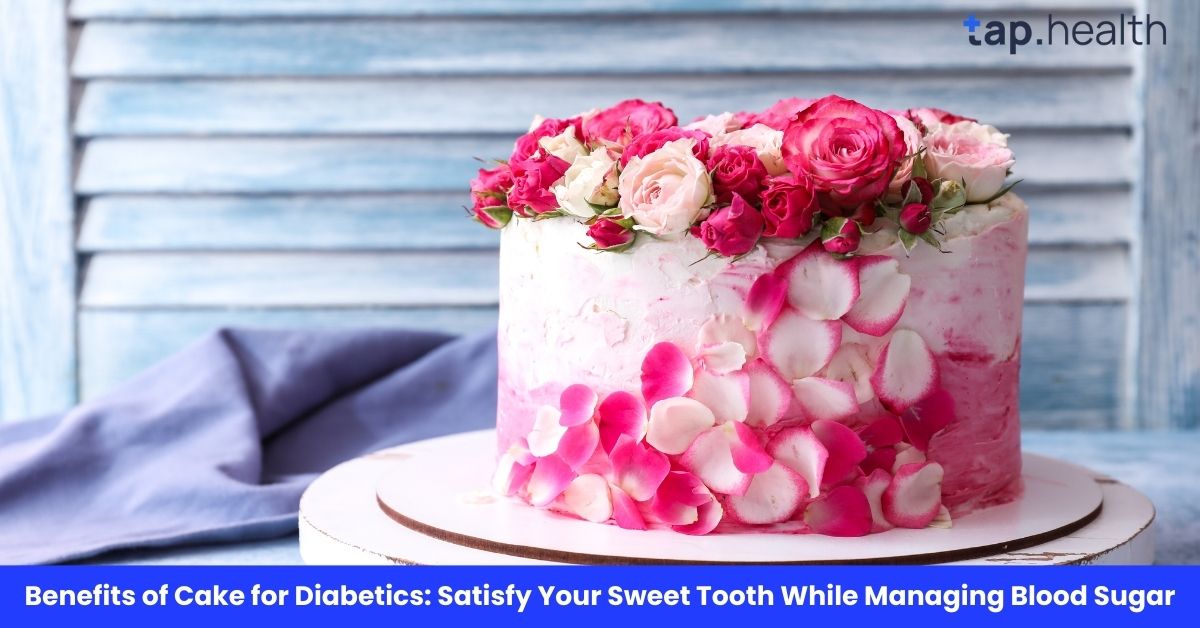
When you’re living with diabetes, you might think that cake is a forbidden food. Traditional cakes made with sugar and refined flour are often off-limits due to their potential to spike blood sugar levels. But what if there was a way to enjoy cake without worrying about your health? The good news is that it’s possible to make cakes that are diabetic-friendly by using healthy ingredients that control blood sugar levels and satisfy your sweet cravings.
In this article, we’ll explore the benefits of cake for diabetics and how diabetic-friendly cakes can be a part of a balanced diet. We’ll also dive into the ingredients that make cakes healthier for people with diabetes, share tips on how to manage your sugar intake, and provide delicious recipes that are safe and enjoyable for diabetics. So, let’s get started!
Why Cake for Diabetics?
Cake is often considered a treat that should be avoided when managing diabetes due to the high sugar and carbohydrate content found in traditional cakes. However, by using the right ingredients and portion control, cake can actually become a diabetic-friendly dessert.
Benefits of Cake for Diabetics
The main benefit of making diabetic-friendly cakes is that you get to enjoy the joy of eating something sweet without causing drastic fluctuations in your blood sugar levels. Here are some reasons why cake can be a good option for diabetics:
- Control Over Sugar Content:
Homemade diabetic cakes allow you to control the sugar content. By using sugar substitutes like stevia, monk fruit, or erythritol, you can significantly reduce the sugar levels in your cakes without sacrificing taste. - Better Nutritional Value:
Diabetic-friendly cakes are often made with healthier alternatives to refined flour, such as almond flour, coconut flour, or whole wheat flour. These options are rich in fiber, protein, and healthy fats, which help manage blood sugar and support overall health. - Satisfaction Without the Guilt:
For people with diabetes, sweet cravings can be tough to manage. Diabetic-friendly cakes satisfy these cravings while helping to maintain stable blood sugar levels, allowing for enjoyment without guilt. - Inclusion in a Balanced Diet:
Instead of completely avoiding sweets, diabetic-friendly cakes offer a way to incorporate healthy desserts into your diet. When eaten in moderation, these cakes can fit into a balanced diabetes management plan.
What Makes Cake Diabetes-Friendly?
To ensure that cakes are suitable for diabetics, they need to be made with specific ingredients that are low in sugar, low in carbs, and high in fiber and healthy fats. Let’s take a closer look at the key ingredients that make cakes diabetic-friendly.
1. Sugar Substitutes
Traditional cakes use refined sugar, which can cause a sharp rise in blood sugar. In diabetic-friendly cakes, we use sugar substitutes that don’t spike blood sugar levels. Some of the best sugar substitutes include:
- Stevia: A plant-based sweetener with zero calories and no effect on blood sugar.
- Monk Fruit Sweetener: A natural sweetener that has no calories or carbs and is much sweeter than sugar.
- Erythritol: A sugar alcohol that has little effect on blood sugar levels and is low in calories.
These sugar substitutes are great alternatives to traditional sugar, helping to make cakes both sweet and blood sugar-friendly.
2. Whole Grain and Low-Carb Flours
Flour is another ingredient that can impact blood sugar levels. While regular white flour is high in carbohydrates and can cause rapid blood sugar spikes, whole grain and low-carb flours are much healthier options for diabetics. Some popular flour choices for diabetic-friendly cakes include:
- Almond Flour: Low in carbs, high in fiber, and rich in healthy fats. Almond flour is an excellent option for low-carb, gluten-free cakes.
- Coconut Flour: Another low-carb option with a slight coconut flavor. It’s highly absorbent, so you’ll need to adjust the quantity when using it in recipes.
- Whole Wheat Flour: Whole wheat flour is a better option than refined white flour, as it contains more fiber, which slows down sugar absorption.
3. Healthy Fats
Fats play a crucial role in slowing down the absorption of sugar into the bloodstream, which is essential for managing blood sugar levels. Diabetic-friendly cakes often use healthier fat options, including:
- Coconut Oil: A good source of medium-chain triglycerides (MCTs), coconut oil helps provide energy without increasing blood sugar levels.
- Avocado: Rich in healthy fats, avocado adds moisture and creaminess to cakes while offering a range of health benefits.
- Olive Oil: Known for its heart-healthy fats, olive oil is another great choice for baking diabetic-friendly cakes.
4. Eggs and Dairy Alternatives
Eggs are an essential part of many cake recipes as they help bind the ingredients together and contribute to the cake’s moisture. For those who are dairy-free, almond milk or coconut milk can be used as substitutes for regular milk. These alternatives provide a similar texture without adding excess sugar or carbs.
5. Fiber-Rich Ingredients
Fiber is an important component of any diabetic-friendly diet, as it helps slow the absorption of sugar into the bloodstream. Adding fiber-rich ingredients to cakes can help improve blood sugar control. Some fiber-rich ingredients include:
- Chia Seeds: A great source of fiber, omega-3 fatty acids, and protein. Chia seeds also help thicken the batter and provide additional nutrients.
- Flax Seeds: Another excellent source of fiber and healthy fats, flax seeds can be added to cake recipes for extra texture and nutritional value.
- Vegetables: Ingredients like carrots, zucchini, or spinach can be added to cakes to increase their fiber content without affecting blood sugar levels.
Benefits of Cake for Diabetics: Why You Can Enjoy Sweets
1. Satisfies Sweet Cravings Safely
One of the biggest struggles for people with diabetes is managing their sweet cravings. Traditional desserts can cause blood sugar spikes, leaving you feeling guilty after indulging. Diabetic-friendly cakes provide a solution by offering a sweet, satisfying treat that won’t send your blood sugar levels soaring. By using healthy ingredients and sugar substitutes, you can enjoy the taste of cake without worrying about a sugar rush.
2. Supports Long-Term Health
When made with the right ingredients, diabetic-friendly cakes can contribute to your long-term health goals. By incorporating whole grains, healthy fats, and fiber into your cake recipes, you’re not only enjoying a delicious dessert, but you’re also providing your body with essential nutrients that support heart health, weight management, and stable blood sugar levels.
3. Promotes Portion Control
Because homemade diabetic cakes are typically lower in sugar and calories, you can enjoy a slice without overindulging. This helps with portion control, making it easier to fit desserts into your diet while managing your overall calorie intake.
Tips for Making Diabetic-Friendly Cakes
Now that we’ve explored the benefits of cake for diabetics and the ingredients that make cakes healthier, here are some helpful tips for making your cakes even more diabetes-friendly:
1. Use Sugar Substitutes Wisely
While sugar substitutes like stevia, monk fruit, and erythritol are great for reducing blood sugar impact, be mindful of their use. Some substitutes are much sweeter than sugar, so you’ll need to adjust the quantity in recipes to prevent the cake from being overly sweet.
2. Add Protein and Healthy Fats
Incorporating protein and healthy fats into your cake recipe helps slow the absorption of sugar and provides sustained energy. Consider adding ingredients like Greek yogurt, nuts, or seeds to boost the protein and fat content of your cake.
3. Opt for Smaller Portions
Even though diabetic-friendly cakes are healthier, portion control is still important. Eating in moderation will help you keep your blood sugar levels stable and prevent overeating.
4. Try Different Flavors and Ingredients
Get creative with your cake recipes! Try different combinations of fruits, nuts, seeds, and spices to create new flavors that are both delicious and healthy. You can add ingredients like cinnamon, nutmeg, or vanilla extract for extra flavor without extra sugar.
Healthy Cake Recipes for Diabetics
Here are a few cake diabetes recipes that incorporate all of the healthy ingredients mentioned above, so you can enjoy a sweet treat without worrying about blood sugar spikes.
1. Almond Flour Chocolate Cake
Ingredients:
- 2 cups almond flour
- 1/2 cup unsweetened cocoa powder
- 1/2 cup erythritol or monk fruit sweetener
- 4 large eggs
- 1/2 cup almond milk (unsweetened)
- 1/4 cup coconut oil, melted
- 1 tsp vanilla extract
- 1 tsp baking powder
Instructions:
- Preheat the oven to 350°F (175°C).
- In a large bowl, mix together almond flour, cocoa powder, erythritol, and baking powder.
- In a separate bowl, whisk the eggs, almond milk, coconut oil, and vanilla extract.
- Combine the wet and dry ingredients and stir until smooth.
- Pour the batter into a greased cake pan and bake for 25-30 minutes, or until a toothpick comes out clean.
- Let the cake cool before serving. You can top it with sugar-free whipped cream or fresh berries.
2. Carrot Cake with Cream Cheese Frosting
Ingredients:
For the Cake:
- 2 cups almond flour
- 1/2 cup grated carrots
- 1/4 cup stevia or monk fruit sweetener
- 4 large eggs
- 1 tsp cinnamon
- 1 tsp baking powder
- 1/2 tsp nutmeg
For the Frosting:
- 1/2 cup cream cheese (or dairy-free option)
- 2 tbsp stevia or monk fruit sweetener
- 1/2 tsp vanilla extract
Instructions:
- Preheat the oven to 350°F (175°C).
- Mix together almond flour, cinnamon, nutmeg, and baking powder.
- In another bowl, whisk eggs, stevia, and grated carrots.
- Combine the wet and dry ingredients, stir, and bake for 25-30 minutes.
- Make the frosting by combining cream cheese, stevia, and vanilla.
- Let the cake cool, then frost and serve!
Real-Life Scenario
Consider priya, a 50-year-old woman with type 2 diabetes. She loves baking and was concerned about her sugar intake. By switching to almond flour, using stevia as a sweetener, and incorporating zucchini into her cakes, priya was able to enjoy her favorite desserts without spiking her blood sugar levels. This change not only satisfied her sweet cravings but also improved her overall health.
Read this : How Many Calories in a Piece of Cake? A Complete Guide
Expert Contribution
Dr. Emily Roberts, a nutritionist specializing in diabetes care, emphasizes the importance of ingredient selection in diabetic-friendly baking. “Choosing low-glycemic ingredients and healthy fats can make a significant difference in managing blood sugar levels,” she notes. “It’s about making smarter choices without sacrificing flavor.”
Recommendations Grounded in Proven Research and Facts
Research supports the benefits of incorporating healthier ingredients into cakes for diabetics:
- Low-Glycemic Ingredients: Using ingredients with a low glycemic index helps prevent rapid increases in blood sugar levels.
- Fiber-Rich Additions: Adding fiber to cakes can slow the absorption of sugars, aiding in blood sugar control.
- Healthy Fats: Incorporating healthy fats can improve insulin sensitivity and overall heart health.
FAQs About the Benefits of Cake for Diabetics
1. Can diabetics eat cake?
Yes, diabetics can eat cake, but it’s important to choose diabetic-friendly recipes that are made with low-glycemic ingredients, sugar substitutes, and healthier fats.
2. What is the best sugar substitute for diabetic cakes?
Stevia, monk fruit, and erythritol are some of the best sugar substitutes for diabetic cakes as they have minimal impact on blood sugar levels.
3. How do diabetic cakes help control blood sugar?
Diabetic cakes are made with low-carb ingredients, sugar substitutes, and fiber-rich foods that help control blood sugar levels by slowing the absorption of sugar into the bloodstream.
4. Are there any cake recipes that are completely sugar-free?
Yes, you can make completely sugar-free cakes by using natural sweeteners like stevia or monk fruit, and eliminating refined sugar from the recipe.
Conclusion
Cake doesn’t have to be off-limits for people with diabetes. With the right ingredients and portion control, cake diabetes recipes can be a great way to satisfy your sweet cravings while managing your blood sugar levels. By using sugar substitutes, whole grains, healthy fats, and fiber-rich ingredients, you can create cakes that are both delicious and nutritious. So, enjoy a slice of cake and treat yourself while keeping your diabetes under control!