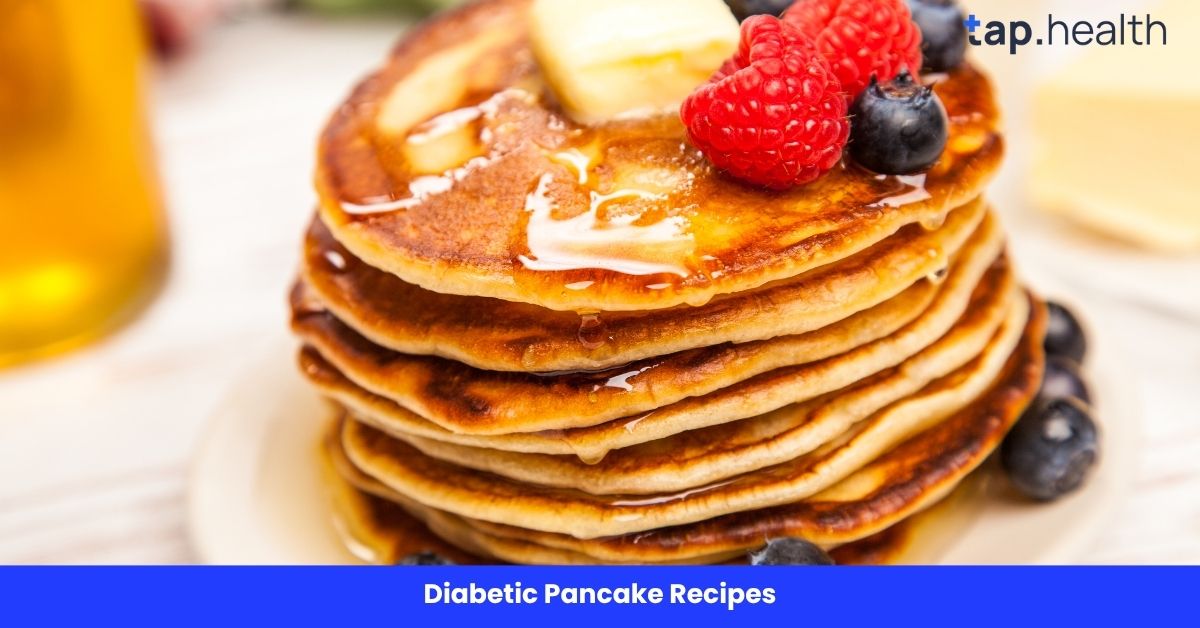
Pancakes are often a beloved breakfast treat, but for people with diabetes, the traditional versions packed with sugar and refined flour can lead to dangerous blood sugar spikes. Fortunately, there are plenty of ways to enjoy this classic dish without compromising your health. In this article, we will share diabetic-friendly pancake recipes that are low in sugar, high in fiber, and designed to help regulate blood sugar levels.
We’ll also cover helpful tips for making the perfect diabetic pancake, how to customize your recipes, and address some common questions about diabetic pancakes. Let’s get started!
Why Choose Diabetic Pancake Recipes?
People with diabetes must manage their blood sugar levels carefully, which involves making mindful food choices. Traditional pancakes made with white flour and sugary syrups can cause blood sugar levels to spike quickly, which is something diabetics want to avoid.
Diabetic-friendly pancakes, on the other hand, are designed to have a lower glycemic index (GI), fewer carbs, and little to no added sugar. These recipes use healthier alternatives like almond flour, coconut flour, and natural sweeteners such as stevia or monk fruit, which do not cause rapid blood sugar spikes. Additionally, many diabetic pancake recipes are rich in fiber, which helps regulate blood sugar and improves digestion.
By choosing the right ingredients, diabetics can still enjoy a delicious pancake breakfast without worrying about their health.
Ingredients to Look for in Diabetic Pancake Recipes
When making diabetic-friendly pancakes, it’s essential to choose ingredients that won’t spike blood sugar levels. Here are some of the best ingredients to look for:
1. Almond Flour
Almond flour is a low-carb, gluten-free alternative to traditional wheat flour. It’s rich in healthy fats, fiber, and protein, making it a great choice for managing blood sugar. Almond flour has a lower glycemic index compared to regular flour and is a staple in many diabetic pancake recipes.
2. Coconut Flour
Like almond flour, coconut flour is another excellent gluten-free, low-carb flour option. It’s high in fiber, which helps slow down the digestion of carbs and prevents blood sugar spikes. Coconut flour absorbs more liquid than almond flour, so recipes using coconut flour often require more eggs or liquid.
3. Eggs
Eggs are a fantastic source of protein and healthy fats, both of which help stabilize blood sugar levels. They also provide structure and moisture to pancakes, making them a key ingredient in many diabetic pancake recipes.
4. Natural Sweeteners
To sweeten your pancakes without the blood sugar spikes caused by sugar, opt for natural sweeteners like stevia, monk fruit, or erythritol. These sweeteners do not raise blood sugar and can provide the sweetness you’re craving in a healthy way.
5. Baking Powder
Baking powder is essential for giving your pancakes a light, fluffy texture. Just make sure to choose a gluten-free, low-sodium variety if you are following a specific dietary plan.
6. Unsweetened Almond Milk or Coconut Milk
Using unsweetened plant-based milk helps keep your pancakes low in sugar while providing a creamy texture. Both almond milk and coconut milk are great alternatives to regular dairy milk.
7. Fiber-Rich Add-ins
For an extra boost of fiber, you can add ingredients like chia seeds, flaxseeds, or psyllium husk to your pancake batter. These ingredients not only help improve digestion but also slow the absorption of sugar into your bloodstream.
Diabetic Pancake Recipes
Now, let’s dive into some delicious diabetic pancake recipes that are perfect for people with diabetes.
1. Almond Flour Pancakes
Ingredients:
- 1 cup almond flour
- 2 large eggs
- 1/4 cup unsweetened almond milk
- 1/2 tsp baking powder
- 1/2 tsp vanilla extract
- A pinch of salt
- 1-2 tbsp stevia or monk fruit sweetener (optional)
Instructions:
- In a large bowl, whisk together the almond flour, baking powder, salt, and sweetener (if using).
- In a separate bowl, beat the eggs and almond milk together until well combined.
- Pour the wet ingredients into the dry ingredients and stir until a smooth batter forms.
- Heat a non-stick skillet over medium heat and lightly grease it with oil or butter.
- Pour small portions of the batter onto the skillet to form pancakes. Cook for 2-3 minutes on each side, until golden brown.
- Serve with sugar-free syrup, fresh berries, or a dollop of Greek yogurt.
Why It’s Great for Diabetics:
This recipe is low in carbs, high in protein, and uses almond flour, which helps keep blood sugar stable. It’s also gluten-free and can be easily customized with sugar-free toppings.
2. Coconut Flour Pancakes
Ingredients:
- 1/4 cup coconut flour
- 2 large eggs
- 1/4 cup unsweetened coconut milk
- 1/2 tsp baking powder
- 1/2 tsp vanilla extract
- A pinch of salt
- 1 tbsp erythritol or stevia (optional)
Instructions:
- In a large bowl, combine the coconut flour, baking powder, salt, and erythritol (if using).
- In a separate bowl, whisk together the eggs and coconut milk until smooth.
- Add the wet ingredients to the dry ingredients and mix until a thick batter forms.
- Heat a non-stick pan over medium heat and lightly grease it.
- Spoon the batter onto the pan to form pancakes. Cook for about 2-3 minutes on each side, until golden brown.
- Serve with your favorite diabetic-friendly toppings, such as berries, nut butter, or unsweetened yogurt.
Why It’s Great for Diabetics:
Coconut flour is high in fiber and low in carbs, making it an excellent option for diabetics. This recipe also has a low glycemic index, preventing sudden blood sugar spikes.
3. Flaxseed Pancakes
Ingredients:
- 1/2 cup ground flaxseeds
- 2 large eggs
- 1/4 cup unsweetened almond milk
- 1/2 tsp baking powder
- 1/4 tsp cinnamon (optional)
- 1 tbsp monk fruit sweetener (optional)
Instructions:
- In a bowl, combine the ground flaxseeds, baking powder, cinnamon, and sweetener (if using).
- In another bowl, whisk together the eggs and almond milk.
- Add the wet ingredients to the dry ingredients and stir until well mixed.
- Heat a skillet over medium heat and grease lightly.
- Pour the batter onto the skillet and cook for 2-3 minutes on each side, flipping once golden brown.
- Serve with a drizzle of sugar-free syrup or fresh fruit.
Why It’s Great for Diabetics:
Flaxseeds are an excellent source of omega-3 fatty acids, fiber, and antioxidants. They help stabilize blood sugar and provide long-lasting energy.
How to Customize Diabetic Pancakes
While the above recipes are great starting points, you can customize your pancakes further to suit your personal taste and dietary needs. Here are some ideas:
Add Fiber-Rich Toppings
Top your pancakes with fresh berries, chia seeds, or a spoonful of unsweetened Greek yogurt for extra fiber and healthy fats.
Experiment with Low-Sugar Syrups
Regular pancake syrups are packed with sugar, but you can make a diabetic-friendly syrup by using natural sweeteners like stevia or monk fruit. Some brands also offer sugar-free syrups, which can be a good option.
Include Nuts and Seeds
For added texture and nutrition, sprinkle chopped almonds, walnuts, or sunflower seeds on top of your pancakes. These add healthy fats and protein, making your meal more filling and blood sugar-friendly.
Use Healthy Fats
Incorporate healthy fats like avocado slices or nut butter (almond butter, peanut butter, etc.) as toppings. These healthy fats can help slow down the absorption of carbs and keep you satisfied for longer.
Real-Life Scenario
Imagine someone with type 2 diabetes who wants to enjoy breakfast without causing a blood sugar spike. Regular pancakes made with refined flour and syrup could drastically raise glucose levels. By switching to a diabetic-friendly recipe with almond flour and natural sweeteners, they can enjoy pancakes safely while maintaining better blood sugar control.
Expert Contribution
Nutritionists highlight that replacing refined flour with whole grains or nut-based flours slows carbohydrate absorption. This reduces sudden blood sugar spikes and provides longer-lasting energy. Additionally, pairing pancakes with protein (like eggs or Greek yogurt) can further stabilize glucose levels.
Recommendations Grounded in Proven Research and Facts
- Use low-GI flours: Almond flour, oat flour, or whole-wheat flour help control blood sugar.
- Incorporate protein: Adding eggs, Greek yogurt, or nuts balances carbohydrates and slows digestion.
- Limit sweeteners: Use natural sugar substitutes like stevia or monk fruit.
- Add fiber: Include fruits like berries or seeds to increase fiber, which helps regulate blood sugar.
- Portion control: Even healthy pancakes should be eaten in moderation to manage overall carbohydrate intake.
FAQ on Diabetic Pancake Recipes
Can diabetics eat pancakes?
Yes, diabetics can enjoy pancakes, but it’s essential to choose a low-carb, high-fiber, and sugar-free recipe. Traditional pancakes can cause blood sugar spikes, so opting for healthier alternatives like almond or coconut flour is key.
What is the best flour for diabetic pancakes?
The best flours for diabetic pancakes are almond flour and coconut flour. Both are low in carbs and high in fiber, which helps manage blood sugar levels.
How can I make pancakes taste sweet without sugar?
You can use natural sweeteners like stevia, monk fruit, or erythritol to sweeten your pancakes without raising your blood sugar levels. These sweeteners are low-carb and do not have the same impact on blood sugar as regular sugar.
Can I make pancakes ahead of time?
Yes, you can make diabetic-friendly pancakes ahead of time. Once cooked, let them cool and store them in an airtight container in the fridge for up to 3-4 days. You can reheat them in the microwave or on the stove for a quick breakfast.
How do I make pancakes fluffier for diabetics?
To make fluffier diabetic pancakes, add a little extra baking powder or a touch of whipped egg whites to the batter. This will create air pockets in the pancakes, giving them a lighter texture.
With these diabetic pancake recipes and tips, you can enjoy a delicious and healthy breakfast that helps keep your blood sugar levels in check. Whether you prefer almond flour pancakes, coconut flour pancakes, or flaxseed pancakes, these recipes are a great way to indulge in a favorite breakfast treat while maintaining a diabetic-friendly diet. Enjoy!