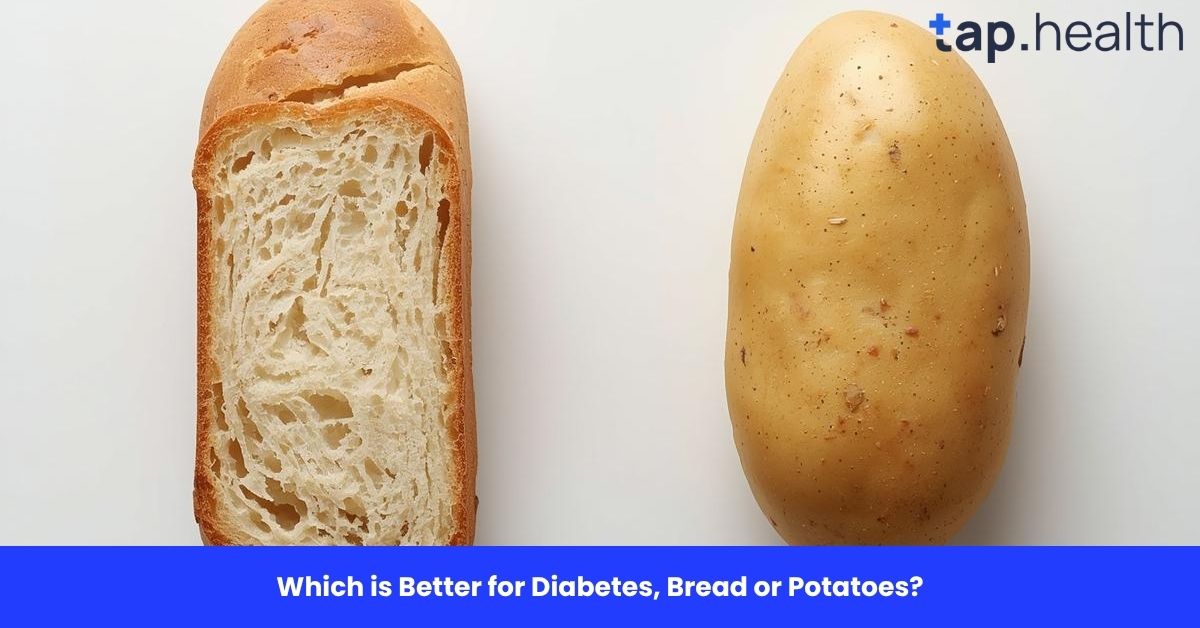
When managing diabetes, it’s important to make informed decisions about your diet. Among the most common food choices that people with diabetes consume are bread and potatoes. Both are carbohydrates, which can affect blood sugar levels, but how do they compare in terms of diabetes management? Which one is better for blood sugar control?
In this article, we’ll delve into the details of both bread and potatoes, exploring their effects on blood sugar, their nutritional content, and which one may be a better choice for someone managing diabetes. We’ll also answer common questions related to this topic, providing a thorough understanding of how these foods impact health.
Understanding Carbohydrates and Their Impact on Diabetes
Before comparing bread and potatoes, it’s essential to understand carbohydrates and their role in diabetes.
What are Carbohydrates?
Carbohydrates are one of the three main macronutrients (along with proteins and fats) that provide energy to the body. When you eat foods that contain carbohydrates, your body breaks them down into glucose, which enters the bloodstream and raises blood sugar levels. This can be a concern for individuals with diabetes, as their bodies either don’t produce enough insulin or are unable to use insulin effectively.
For people with diabetes, it’s important to choose foods that are low in glycemic index (GI), which means they don’t cause sharp spikes in blood sugar. Low GI foods release glucose slowly, providing a steady source of energy without drastically affecting blood sugar.
Bread and Its Impact on Diabetes
Bread is a staple food in many diets worldwide, but it is also a source of carbohydrates that can affect blood sugar levels. When comparing bread types, not all bread is created equal. The type of bread you eat can make a significant difference in how it affects blood sugar.
White Bread vs. Whole Wheat Bread
The two most common types of bread are white bread and whole wheat bread, and they have different effects on blood sugar levels.
1. White Bread (High Glycemic Index)
White bread is made from refined flour, which has a higher glycemic index compared to whole wheat bread. The GI of white bread is typically around 70-80, meaning it raises blood sugar quickly and causes a rapid spike in insulin levels. For individuals with diabetes, this is not ideal, as it can lead to blood sugar imbalances.
White bread is also low in fiber, which means it lacks the components that can help slow the absorption of glucose into the bloodstream. Additionally, it is nutritionally less dense, meaning it doesn’t provide much in terms of vitamins and minerals.
2. Whole Wheat Bread (Medium Glycemic Index)
Whole wheat bread, on the other hand, is made from whole grains, which retain the bran and germ of the wheat. This type of bread has a lower glycemic index compared to white bread, usually ranging from 50-60. Whole wheat bread contains more fiber, which helps slow the release of glucose into the bloodstream, providing a more gradual rise in blood sugar.
Whole wheat bread also offers more nutrients, including vitamins and minerals like B vitamins, iron, and magnesium. It is considered a healthier option for those with diabetes, as it helps with blood sugar control while offering nutritional benefits.
Bread’s Effect on Blood Sugar
Bread, especially refined bread like white bread, can lead to blood sugar spikes. For individuals with diabetes, consuming too much high GI bread can contribute to insulin resistance and make blood sugar management more difficult. Choosing whole grain bread, with its lower glycemic index, can be a better option to keep blood sugar levels more stable.
Potatoes and Their Impact on Diabetes
Potatoes are another widely consumed carbohydrate-rich food. However, potatoes have a high glycemic index, which can lead to quick increases in blood sugar. This is an important factor for diabetics to consider when deciding whether to include potatoes in their meals.
Different Types of Potatoes
Not all potatoes are the same. There are various types, and their impact on blood sugar can vary depending on the type and how they are prepared.
1. White Potatoes (High Glycemic Index)
White potatoes, particularly those that are baked or mashed, have a high glycemic index of around 85-90. When you consume these potatoes, the starch is rapidly converted into sugar, causing a sharp spike in blood sugar levels. Fried potatoes like French fries can have even higher GI levels due to the cooking method.
White potatoes are also low in fiber (especially when peeled), which means they lack the ability to slow glucose absorption, making them less ideal for individuals with diabetes.
2. Sweet Potatoes (Medium Glycemic Index)
Sweet potatoes are often considered a better option for diabetics than white potatoes. Their glycemic index ranges from 44-60, which is lower than that of white potatoes. The fiber content in sweet potatoes, especially when cooked with the skin on, can help slow the rise in blood sugar levels.
Sweet potatoes also offer more nutrients than white potatoes, including vitamin A, vitamin C, and potassium, making them a more nutritious choice overall.
Potatoes and Blood Sugar Control
The way potatoes are prepared can greatly influence their glycemic index. Boiling potatoes tends to result in a lower glycemic index than baking or frying, so it’s important to consider cooking methods. Mashed potatoes, especially if made with added milk or butter, are more likely to cause a rapid increase in blood sugar due to their high GI.
On the other hand, boiling or cooling potatoes after cooking can reduce the GI, making them a slightly better option for those with diabetes. Sweet potatoes, with their lower GI, are a better choice than regular potatoes and can be consumed in moderation as part of a balanced meal.
Bread vs. Potatoes: Which is Better for Diabetes?
1. Glycemic Index Comparison
- Bread: Whole wheat bread has a medium GI (50-60), while white bread has a high GI (70-80).
- Potatoes: White potatoes have a very high GI (85-90), while sweet potatoes have a medium GI (44-60).
When comparing both, whole wheat bread is likely a better choice than white potatoes due to its lower glycemic index and higher fiber content. However, sweet potatoes are a better alternative to white bread and regular potatoes, as they offer a lower GI and more nutritional benefits.
2. Nutritional Content
- Bread: Whole wheat bread provides more fiber and nutrients like B vitamins and magnesium compared to white bread. However, bread is still a carb-heavy food that can contribute to higher blood sugar if consumed in excess.
- Potatoes: Sweet potatoes provide more vitamins and minerals, such as vitamin A and potassium, compared to regular potatoes. White potatoes are less nutrient-dense but still provide a source of vitamin C and potassium.
In terms of nutrients, sweet potatoes have the upper hand over both bread and white potatoes, especially when compared to white bread.
3. Impact on Blood Sugar
- Bread: Whole wheat bread has a moderate impact on blood sugar levels, especially when eaten in moderation and paired with protein and healthy fats.
- Potatoes: Regular potatoes cause a rapid increase in blood sugar, particularly if eaten in large portions. Sweet potatoes, though still a carb, have a slower impact on blood sugar.
Whole wheat bread is generally a better option for diabetes than white potatoes, while sweet potatoes can be a healthy alternative to both.
Bread vs Potatoes: Direct Comparison for Diabetics
Let’s put them side by side using real-world examples (per typical serving):
| White bread (2 slices) | 60g | 30g | 75 | 22 | High |
| Boiled white potato | 150g | 28g | 78 | 21 | High |
| Whole wheat roti | 1 medium | 15g | 55 | 8 | Moderate |
| Sweet potato (boiled) | 100g | 20g | 44 | 9 | Low-Moderate |
| Multigrain bread (1 slice) | 30g | 15g | 55 | 8 | Moderate |
Key takeaway:
Both white bread and white potatoes have similar high glycemic loads. Neither is “good”—but both can be managed with smart choices.
However, sweet potatoes and whole grain breads/rotis are clearly better.
Read this : How Many Calories Are in a Baked Potato?
What Are the Best Ways to Include Bread and Potatoes in a Diabetic Diet?
1. Moderation is Key
For both bread and potatoes, portion control is essential. Too much of either food can lead to blood sugar spikes. Diabetics should aim to eat smaller portions and balance their meals with protein, healthy fats, and non-starchy vegetables to manage blood sugar levels effectively.
2. Choose Whole Grains and Healthier Potatoes
- Opt for whole grain bread instead of white bread. Look for varieties that list 100% whole wheat or whole grain as the first ingredient.
- Choose sweet potatoes over white potatoes for a more nutrient-dense and blood sugar-friendly option.
- Consider boiling or steaming potatoes rather than baking or frying them.
3. Combine with Protein and Fiber
Combining bread or potatoes with protein (like chicken, beans, or tofu) and fiber (like leafy greens) can help slow the release of glucose into the bloodstream, reducing blood sugar spikes.
FAQ – Which is Better for Diabetes, Bread or Potatoes?
1. Is whole wheat bread better than white bread for diabetics?
Yes, whole wheat bread is a better option for diabetics because it has a lower glycemic index and is higher in fiber, which helps control blood sugar levels.
2. Are sweet potatoes better than regular potatoes for diabetics?
Yes, sweet potatoes are a better choice for diabetics as they have a lower glycemic index and are more nutrient-dense compared to regular white potatoes.
3. Can diabetics eat bread?
Yes, diabetics can eat bread, but it’s better to choose whole grain or whole wheat bread and eat it in moderation. Avoid white bread, as it can cause rapid spikes in blood sugar.
4. How can I reduce the glycemic impact of potatoes?
You can reduce the glycemic impact of potatoes by boiling or cooling them after cooking. Sweet potatoes are a better option than white potatoes as they have a lower glycemic index.
5. Which is worse for blood sugar: bread or potatoes?
Both bread and potatoes can affect blood sugar, but white potatoes tend to cause a more significant spike in blood sugar compared to whole wheat bread. If you choose sweet potatoes and whole wheat bread, they will have a lesser impact on blood sugar.
Conclusion
When it comes to diabetes management, whole wheat bread and sweet potatoes are healthier choices than their white counterparts. White bread and white potatoes cause rapid increases in blood sugar, making them less suitable for diabetics. The key is moderation and choosing the right type of bread or potato, along with mindful portion control.
For the best blood sugar management, opt for whole wheat bread or sweet potatoes, and combine them with other healthy foods like protein and fiber. By making informed choices, you can enjoy a balanced diet while keeping your blood sugar levels under control.