tap.health logo
  • Diabetes Management
  • Health Assistant
  • About Us
  • Blog
  • Contact Us
Get Plan
  • Diabetes Management
  • Health Assistant
  • About Us
  • Blog
  • Contact Us
  • All Blogs
  • Product
  • Continuous Ketone Monitoring (CKM): The Future of Metabolic Health and Dual-Fuel Tracking

Continuous Ketone Monitoring (CKM): The Future of Metabolic Health and Dual-Fuel Tracking

Product
June 10, 2026
• 5 min read
Naimish Mishra
Written by
Naimish Mishra
ChatGPT Perplexity WhatsApp LinkedIn X Grok Google AI

Over the past decade, Continuous Glucose Monitors (CGMs) have transformed diabetes management. By providing real-time glucose data, CGMs have helped millions of individuals identify glycemic swings, understand their response to specific foods, and optimize their insulin regimens.

As biosensor technology continues to advance, a new metabolic marker is entering the consumer and clinical space: Continuous Ketone Monitoring (CKM). CKM sensors read levels of beta-hydroxybutyrate (the primary ketone body in the blood) in real time.

By tracking ketones alongside glucose, users can monitor their body’s transition between carbohydrate and fat metabolism. This “dual-fuel” tracking offers potential benefits for managing type 1 diabetes (by providing an early warning for diabetic ketoacidosis), optimizing ketogenic diets, and supporting metabolic flexibility.

This guide provides a comprehensive, evidence-based exploration of Continuous Ketone Monitoring. We will explain how CKM biosensors operate, discuss the physiological differences between nutritional ketosis and diabetic ketoacidosis (DKA), analyze the clinical applications of dual-fuel tracking, and discuss the future of multi-analyte metabolic sensors.

—

1. What is Continuous Ketone Monitoring (CKM)?

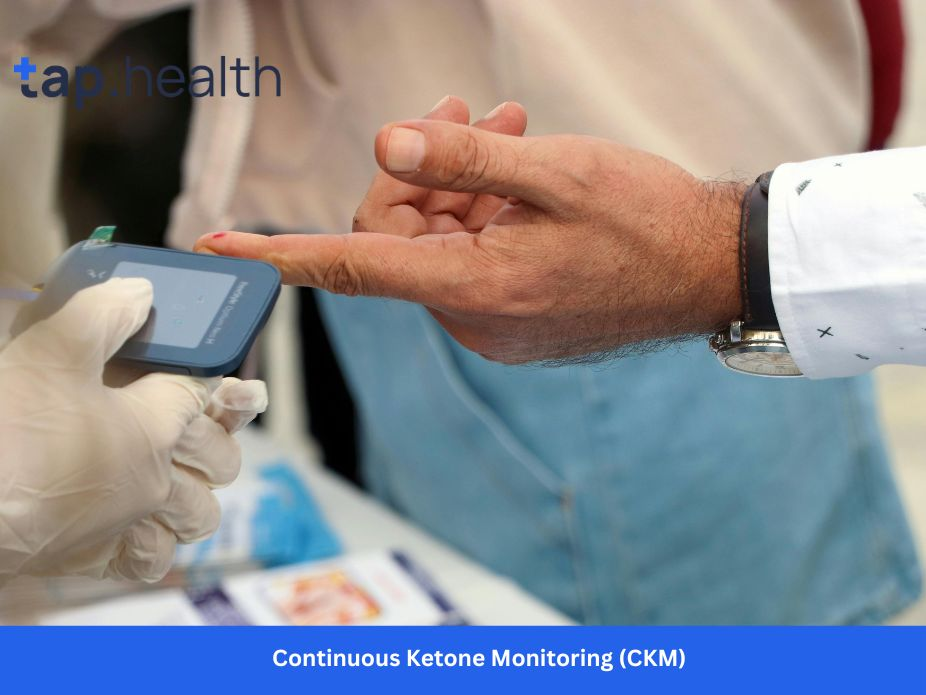
Similar to a CGM, a CKM sensor is a small wearable patch applied to the back of the upper arm or abdomen. It uses a tiny subcutaneous filament to read levels of Beta-Hydroxybutyrate (BHB) in the interstitial fluid.

Beta-Hydroxybutyrate (BHB): The Primary Ketone

When the body’s glycogen stores are depleted (due to fasting, exercise, or a low-carbohydrate diet), the liver begins to break down fatty acids into ketone bodies to provide an alternative fuel source, particularly for the brain.

The three primary ketone bodies are:

1. Beta-Hydroxybutyrate (BHB): The most stable and abundant ketone body in the blood, accounting for approximately 78% of circulating ketones. CKM sensors measure BHB.

2. Acetoacetate: Constitutes about 20% of circulating ketones.

3. Acetone: A volatile byproduct excreted through the breath, responsible for the “fruity” breath associated with ketosis.

Traditional blood ketone meters require finger-prick testing, which only provides a single point-in-time measurement. CKM sensors provide a continuous, real-time look at ketone dynamics, mapping out how dietary choices, exercise, and sleep affect fat oxidation throughout the day.

—

2. Physiological Ranges: Nutritional Ketosis vs. Diabetic Ketoacidosis (DKA)

When tracking ketones, it is critical to distinguish between Nutritional Ketosis (a safe, physiological state of fat burning) and Diabetic Ketoacidosis (a life-threatening medical emergency).

The table below outlines the clinical ranges for blood BHB levels:

BHB Range (mmol/L) Metabolic State Clinical Status Action Required
:— :— :— :—
< 0.5 Baseline / Glucocentric Standard state where glucose is the primary fuel source. None.
0.5 – 1.5 Light Nutritional Ketosis Fat oxidation is occurring; typical during short fasts or low-carb diets. Safe; optimal for weight loss and fat burning.
1.5 – 3.0 Deep Nutritional Ketosis High rate of fat burning; therapeutic range for neurological and metabolic diets. Safe; monitor energy levels.
3.0 – 5.0 High Ketosis Can occur during extended fasting or intense endurance exercise. Safe in healthy individuals; monitor closely if you have Type 1 diabetes.
> 10.0 Diabetic Ketoacidosis (DKA) Life-threatening state of uncontrolled ketone production due to absolute insulin deficiency. Medical Emergency. Seek immediate hospital treatment.

—

3. CKM in Type 1 Diabetes: An Early Warning System for DKA

For individuals living with Type 1 diabetes, CKM technology represents a significant safety advancement, offering an early warning system for Diabetic Ketoacidosis (DKA).

The DKA Pathway

DKA occurs when the body lacks sufficient insulin to transport glucose into cells. Deprived of glucose, the cells signal the liver to rapidly break down fat into ketones. Without insulin to regulate this pathway, ketone production occurs uncontrollably, causing the blood to become acidic, which can lead to organ failure or coma.

Crucially, ketone levels begin to rise hours before blood glucose levels spike. A patient can develop DKA even with normal blood sugar levels (a condition called euglycemic DKA, often associated with SGLT-2 inhibitor use).

  • The CKM Benefit: A CKM sensor can detect rising BHB levels (e.g., above 1.0 mmol/L) early. The reader or smartphone app can trigger an alarm, allowing the patient to administer correction insulin and consume fluids to prevent progression to DKA, potentially avoiding emergency hospitalization.

—

4. CKM in Type 2 Diabetes and Metabolic Health

For individuals with Type 2 diabetes, obesity, or metabolic syndrome, CKM sensors can help track and support metabolic health.

Tracking Fat Oxidation

Type 2 diabetes is characterized by insulin resistance, which keeps blood glucose levels high and inhibits fat burning. When insulin is elevated, the enzyme hormone-sensitive lipase (HSL) is suppressed, preventing the release of fatty acids from fat tissue.

  • Monitoring Glycemic Recovery: As a patient improves their insulin sensitivity through diet and lifestyle changes, insulin levels drop, allowing the body to burn fat and produce ketones. A CKM sensor can verify this transition, helping users identify when their body is effectively utilizing stored fat for fuel.

—

5. The Dual-Fuel Concept: Integrating Glucose and Ketones

The integration of CGM and CKM data—known as dual-fuel tracking—provides a comprehensive view of metabolic health.

Understanding Metabolic Flexibility

A metabolically flexible individual can transition between burning carbohydrates (after a meal) and burning fats/ketones (during fasting or exercise). Dual-fuel tracking allows you to monitor this transition:

  • Post-Carbohydrate State: Glucose is elevated, and ketones are low (< 0.2 mmol/L).
  • Fasting/Fat-Burning State: Glucose drops to a stable baseline (e.g., 70–90 mg/dL), and ketones rise into the nutritional ketosis range (0.5–1.5 mmol/L).

If your glucose remains high and you cannot produce ketones even after an overnight fast, it indicates metabolic inflexibility, suggesting that dietary or lifestyle adjustments are needed to improve insulin sensitivity.

—

6. The Future of Metabolic Monitoring: Multi-Analyte Sensors

The metabolic monitoring landscape is moving toward integrated, multi-analyte sensors.

Rather than wearing separate patches for glucose and ketones, medical manufacturers are developing single-sensor systems:

  • Abbott’s Lingo and Libre Rio: Designed to help users track glucose, ketones, and other metabolic markers using a single sensor.
  • Lactate Tracking: Future sensors may also measure lactate, helping athletes monitor aerobic and anaerobic thresholds in real time.
  • Personalized Nutrition: Combining real-time glucose and ketone data will allow for highly personalized dietary recommendations, helping users optimize their metabolic health and performance.

—

7. FAQ Section

Q1: Is continuous ketone monitoring safe for everyone?

A: Yes, CKM sensors are safe. However, for individuals with Type 1 diabetes, they should be used in consultation with a medical team as an educational and warning tool, not as a replacement for standard clinical protocols.

Q2: Why are my ketones low in the morning?

A: Cortisol levels rise in the early morning hours, signaling the liver to release glucose and temporarily increasing insulin resistance. This morning rise in glucose and insulin can suppress ketone production, a normal physiological pattern.

Q3: Can CKM replace finger-prick testing for DKA?

A: CKM is a valuable monitoring and early-warning tool, but if your CKM indicates elevated ketones (> 1.5 mmol/L) and you feel unwell (nausea, vomiting, abdominal pain), verify the reading with a blood ketone meter and seek medical advice.

Q4: How does exercise affect ketone levels on a CKM?

A: During moderate aerobic exercise (Zone 2), your body increases fat oxidation, which can raise ketone levels. During high-intensity anaerobic exercise, the body relies primarily on glucose, and the associated adrenaline release may temporarily lower ketone levels.

—

Conclusion

Continuous Ketone Monitoring represents an exciting development in biosensor technology and metabolic health. By providing real-time data on fat oxidation and ketone production, CKM sensors help bridge the gap between carbohydrate and lipid metabolism.

Whether used to help prevent DKA in Type 1 diabetes, optimize fat loss in Type 2 diabetes, or monitor metabolic flexibility, CKM technology offers valuable insights. Work with your healthcare team to understand how tracking ketones alongside glucose can help you optimize your metabolic health and achieve your wellness goals.

—

Disclaimer: The information in this article is for educational purposes. Consult a healthcare provider before making major changes to your diabetes management or diet.
Tags
A1C gestational diabetes poor sleep blood sugar HbA1c diabetes symptoms in women diabetes medicines diabetes nerve damage diabetes and blood pressure mango and diabetes dark patches diabetes diabetes stomach problems diabetes wounds metformin safety diabetes tingling hands banana blood sugar papaya for diabetes is jaggery good for diabetes poha blood sugar orange for diabetes sugar spike after rice gestational diabetes India blood sugar pregnancy diabetes sleep and diabetes diabetes in India women diabetes signs diabetes treatment advice tingling feet diabetes high blood pressure diabetes mango sugar diabetes walking after meals for diabetes diabetic gastroparesis diabetic wound care diabetes ketoacidosis warning signs diabetic neuropathy hands coconut water and diabetes is papaya good for diabetes gur for diabetes sprouts for diabetes can diabetics eat oranges Indian diet diabetes continuous glucose monitor India Medicine fasting glucose blood sugar pregnancy diabetes and stress diabetes risk factors India diabetes risk women Indian diabetic diet chart diabetes eye disease diabetes heart kidney risk diabetes reversal vs remission post meal walk diabetes diabetes bloating nausea diabetes yeast infection DKA symptoms fasting with diabetes coconut water for diabetes papaya blood sugar watermelon for diabetes are sprouts good for diabetes orange blood sugar glucose spike symptoms CGM cost India Health A1C test low blood sugar stress blood sugar diabetes prevention India diabetes symptoms in men diabetic meal plan diabetic eye test borderline HbA1c diabetes remission walking lowers blood sugar diabetes sick day rules diabetes fungal infection ketones diabetes diabetes fasting safety can diabetics drink coconut water oats for diabetes can diabetics eat watermelon sprouts blood sugar brown bread for diabetes post meal blood sugar time in range Lifestyle diabetes diet hypoglycemia cortisol diabetes best fruits for diabetes men diabetes signs HbA1c test high protein breakfast for diabetes HbA1c 5.7 to 6.4 reverse type 2 diabetes diabetes grocery list India diabetes during illness diabetes vaginal itching diabetes blurry vision can diabetics fast curd for diabetes oatmeal diabetes watermelon blood sugar methi seeds for diabetes bread for diabetes diabetes blood pressure glucometer accuracy Home remedies balanced meals diabetes safety diabetes eye care diabetes fruits diabetes risk men HbA1c normal range diabetes breakfast India prediabetes HbA1c diabetes plate method diabetic food list India blood sugar fever infection diabetes night sweats high blood sugar blurry vision insulin injection sites is curd good for diabetes are oats good for diabetes apple for diabetes fenugreek for diabetes whole wheat bread diabetes diabetes heart risk diabetes technology Fitness healthy eating diabetes heart health diabetic retinopathy fruit and blood sugar type 1 diabetes how to lower HbA1c diabetic breakfast ideas post-meal blood sugar Indian diabetes plate foods for diabetes shopping diabetes and alcohol low blood sugar at night diabetes excessive thirst insulin site rotation diabetes curd milk for diabetes can diabetics eat apple methi diabetes avocado for diabetes ABC diabetes CGM vs glucometer India Prevention why diabetes is considered as a lifestyle disease blood pressure diabetes eye test rice and diabetes type 1 diabetes symptoms fasting sugar normal range PCOS and diabetes blood sugar after food diabetes portion control diabetes kidney tests alcohol blood sugar diabetes diabetes sweating at night diabetes dry mouth insulin lumps tea and coffee in diabetes can diabetics drink milk apple blood sugar cinnamon for diabetes is avocado good for diabetes kidney risk diabetes diabetes reversal myths Hygiene lifestyle diabetes cholesterol diabetes kidney care can diabetics eat rice insulin diabetes high fasting blood sugar PCOS insulin resistance postprandial glucose low glycaemic index foods for diabetes urine albumin diabetes can diabetics drink alcohol diabetes headache frequent urination diabetes diabetes weight gain coffee diabetes best milk for diabetes eggs for diabetes cinnamon blood sugar avocado blood sugar blurred vision diabetes HbA1c remission Ailments type 2 diabetes lifestyle disease living with diabetes diabetic kidney disease diabetes diet India prediabetes diet reverse prediabetes naturally PCOS diabetes risk dawn phenomenon diabetes low GI foods India eGFR diabetes diabetes and dizziness high blood sugar headache diabetes fatigue diabetes and weight gain tea diabetes peanuts for diabetes are eggs good for diabetes dalchini for diabetes travelling with diabetes fundus exam diabetes remission vs reversal Hindi exercise and diabetes diabetes habits kidney tests diabetes morning blood sugar prediabetes food prediabetes reversal gestational diabetes diet Indian morning sugar high diabetes low GI diet diabetes and dental problems dizziness diabetes low blood sugar headache diabetes tiredness insulin weight gain roti for diabetes are peanuts good for diabetes egg diabetes amla for diabetes diabetes travel checklist eye care diabetes skin diseases blood sugar control diabetes management high blood sugar symptoms fasting sugar high lower diabetes risk how to prevent type 2 diabetes pregnancy diabetes diet high fasting sugar in morning diabetes and fatty liver diabetes gum disease low sugar dizziness blood sugar monitoring at home high blood sugar tiredness diabetes swollen feet best roti for diabetes peanuts blood sugar paneer for diabetes amla juice diabetes insulin travel storage diabetic retinopathy symptoms acne vulgaris symptoms physical activity insulin resistance hyperglycemia symptoms dawn phenomenon diabetes and weight loss insulin resistance diet gestational diabetes meal plan diabetes and cholesterol fatty liver diabetes dry mouth diabetes diabetes leg pain when to check blood sugar diabetes constipation swollen feet diabetes chapati diabetes sweet potato for diabetes is paneer good for diabetes amla blood sugar diabetes hot weather GDM screening AI Search diabetes foot care insulin sensitivity diabetes warning signs diabetes myths weight loss diabetes Indian foods for insulin resistance diabetic foot ulcer diabetes lipid profile insulin resistance fatty liver diabetes urine infection diabetic leg cramps blood glucose monitoring diabetes and constipation diabetes foot swelling can diabetics eat dates can diabetics eat sweet potato paneer diabetes guava for diabetes diabetes dehydration pregnancy blood sugar targets prediabetes diabetic foot type 2 diabetes risk normal blood sugar levels diabetes facts insulin resistance weight loss improve insulin sensitivity diabetes foot wound cholesterol in diabetes diabetes skin problems frequent UTI diabetes diabetes nerve pain legs metformin for diabetes constipation diabetes can diabetics eat banana dates for diabetes sweet potato blood sugar poha for diabetes can diabetics eat guava heat and blood sugar postpartum diabetes risk diabetes prevention foot health diabetes and sleep fasting blood sugar diabetes misconceptions diabetes medicine safety diabetic neuropathy symptoms diabetic foot ulcer warning signs can diabetics eat mango diabetes itching urinary infection diabetes diabetes slow wound healing metformin side effects diabetes numbness in hands banana for diabetes dates blood sugar jaggery for diabetes is poha good for diabetes guava blood sugar India diabetes diabetes after pregnancy
More blogs
Naimish Mishra
Naimish Mishra
• June 10, 2026
• 5 min read

Metabolic Flexibility: How to Train Your Body to Burn Both Carbs and Fats Efficiently

In discussions about weight loss, energy levels, and metabolic diseases like Type 2 diabetes, we often search for a single, primary fuel source. Some argue that carbohydrates are the body’s preferred fuel, while others suggest that fat-burning ketosis is the optimal metabolic state. However, the human body was not designed to rely on only one […]

Product
Naimish Mishra
Naimish Mishra
• June 10, 2026
• 5 min read

Continuous Ketone Monitoring (CKM): The Future of Metabolic Health and Dual-Fuel Tracking

Over the past decade, Continuous Glucose Monitors (CGMs) have transformed diabetes management. By providing real-time glucose data, CGMs have helped millions of individuals identify glycemic swings, understand their response to specific foods, and optimize their insulin regimens. As biosensor technology continues to advance, a new metabolic marker is entering the consumer and clinical space: Continuous […]

Product
Naimish Mishra
Naimish Mishra
• June 10, 2026
• 6 min read

GLP-1 Natural Stimulators: The Ultimate Dietary Guide to Satiety Hormones

The global weight management and diabetes landscape has been transformed by the emergence of GLP-1 receptor agonists (such as semaglutide and tirzepatide). These medications, sold under brand names like Ozempic, Wegovy, and Mounjaro, work by mimicking a natural gut hormone to regulate appetite, slow digestion, and improve insulin secretion. While these medications are highly effective […]

Product
Do you remember your last sugar reading?
Log and Track your glucose on the Tap Health App
All logs in one place
Smart trend graphs
Medicine Reminder
100% Ad Free
Download Now

Missed your diabetes meds

again? Not anymore.

Get medicine reminders on your phone.

✓ Glucose diary and Insights
✓ Smart Nudges
✓ All logs at one place
✓ 100% Ad free
Download Free
tap health
tap.health logo
copyright © 2025
2nd Floor,Plot No 4, Minarch Tower,
Sector 44,Gurugram, 122003,
Haryana, India
  • About Us
  • Blog
  • Doctor login
  • Contact Us
  • Privacy Policy
  • Return / Shipping Policy
  • Terms and Conditions
Get Your Free AI Diabetes Coach