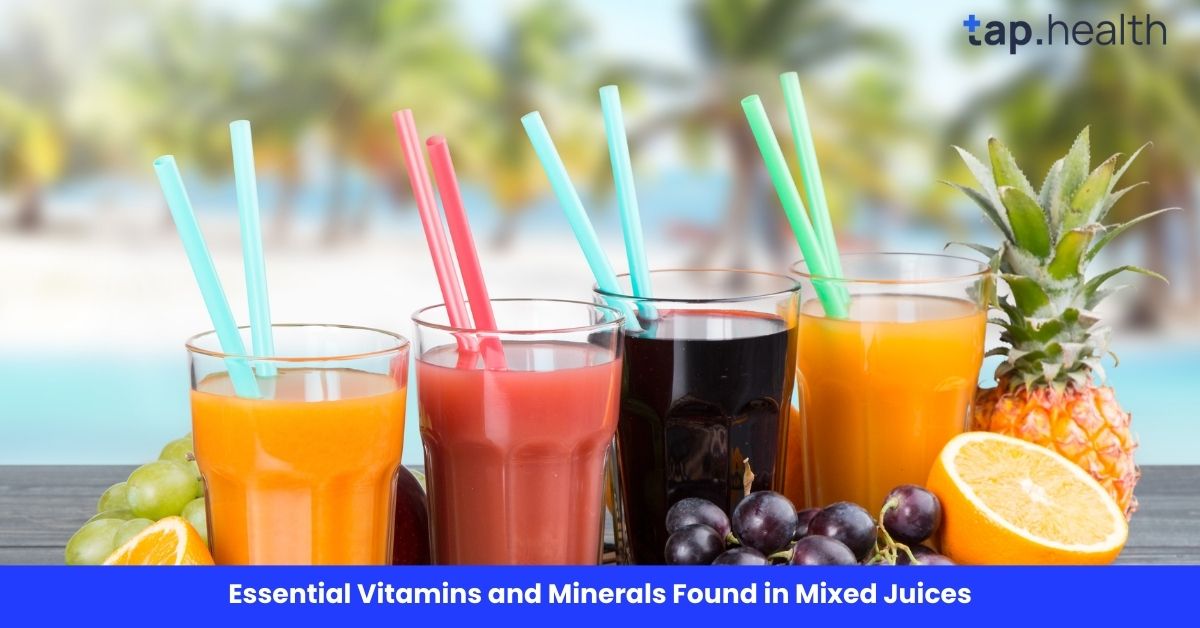
Mixed juices pack a nutrient punch from fruits and vegetables, delivering bioavailable vitamins and minerals that support immunity, energy, digestion, and overall health. Learn key nutrients, benefits, real stories, expert tips, and research-backed facts in this concise Q&A guide.
What Makes Mixed Juices a Nutrient Powerhouse?
Q: Why choose mixed juices for essential vitamins and minerals?
A: Blending fruits and veggies extracts bioavailable nutrients, making absorption easier than whole foods alone. They offer convenience, taste, and diversity for immunity boost, skin health, and bone support.
Q: How do mixed juices enhance daily nutrient intake?
A: Combinations like citrus-green blends provide vitamin C, A, magnesium, and potassium in one glass, complementing balanced diets without replacing fiber-rich whole foods.
Real-Life Benefits: How Mixed Juices Transform Health
Q: Can mixed juices strengthen immunity like in Sarah’s case?
A: Yes. Sarah, 32, added orange-kiwi-strawberry juice rich in vitamin C and antioxidants. Result: Fewer colds, higher energy, clearer skin in one month.
Q: How do mixed juices improve digestion as John experienced?
A: John, 45, used carrot-ginger-apple juice with fiber, enzymes, and antioxidants. Outcome: Reduced bloating, better comfort post-meals, less fatigue after weeks.
Expert Insights on Vitamins and Minerals in Juices
Q: What does Dr. Emily Davis say about vitamin C and A in juices?
A: Vitamin C from oranges/strawberries aids immunity, healing, skin. Add carrots/spinach for vitamin A (beta-carotene) to support vision and vibrant skin.
Q: Why does Dr. Robert Lee recommend magnesium and potassium blends?
A: Found in spinach, kale, cucumbers—these regulate muscles, blood pressure, hydration. Try celery-cucumber-kale for heart and nerve health.
Key Vitamins in Mixed Juices: Roles and Sources
Q: What is vitamin C’s role and best juice sources?
A: Antioxidant powerhouse fights oxidative stress, boosts immunity, aids iron absorption, shortens colds, supports collagen for skin. Sources: Oranges, kiwis, strawberries, grapefruits. Research: Carr, A.C., & Maggini, S. (2017). Vitamin C and immune function. Nutrients, 9(11), 1211.
Q: How does vitamin A benefit vision and skin in juices?
A: Beta-carotene converts to active form for eyes, immunity, red blood cells, reproduction. Keeps skin healthy. Sources: Carrots, sweet potatoes, mangoes. Research: West, K.P. Jr. (2002). Vitamin A deficiency: A global perspective. The Journal of Nutrition, 132(9), 1525S-1529S.
Essential Minerals in Mixed Juices: Health Impacts
Q: Why is magnesium vital and where to find it in juices?
A: Powers 300+ reactions for muscles, nerves, energy, stress reduction, sleep. Sources: Spinach, avocados, bananas. Research: Barbagallo, M., & Dominguez, L.J. (2010). Magnesium and aging. Current Opinion in Clinical Nutrition & Metabolic Care, 13(1), 29-34.
Q: What are potassium’s benefits for heart and hydration?
A: Balances fluids, lowers blood pressure, prevents strokes/cramps. Sources: Bananas, oranges, potatoes, spinach. Research: Messerli, F.H., et al. (2016). Potassium and blood pressure. Journal of the American College of Cardiology, 68(6), 648-649.
Best Practices for Juicing Vitamins and Minerals
Q: Which fruits/veggies maximize essential vitamins?
A: Oranges (vitamin C), spinach (magnesium), carrots (vitamin A), bananas (potassium). Mix for comprehensive profile.
Q: How often should you drink mixed juices?
A: 2-3 times weekly for boosts; daily for max benefits. Moderation avoids sugar overload.
Q: Can juices replace whole fruits/vegetables?
A: No—great supplement but lack fiber. Combine with whole foods for full nutrition.
Q: Any side effects from too much juicing?
A: Excess sugar may cause digestive issues or imbalances. Stick to moderation.
How Can Mixed Juices from TapHealth Help Manage Diabetes?
TapHealth mixed juices, crafted with low-glycemic fruits and veggies, deliver essential vitamins and minerals while stabilizing blood sugar. Vitamin C combats oxidative stress linked to diabetes complications; magnesium aids insulin sensitivity; potassium supports heart health amid risks. Real users report steady energy without spikes. Research-backed blends complement diabetic diets—consult professionals. Incorporate for nutrient-rich diabetes management.