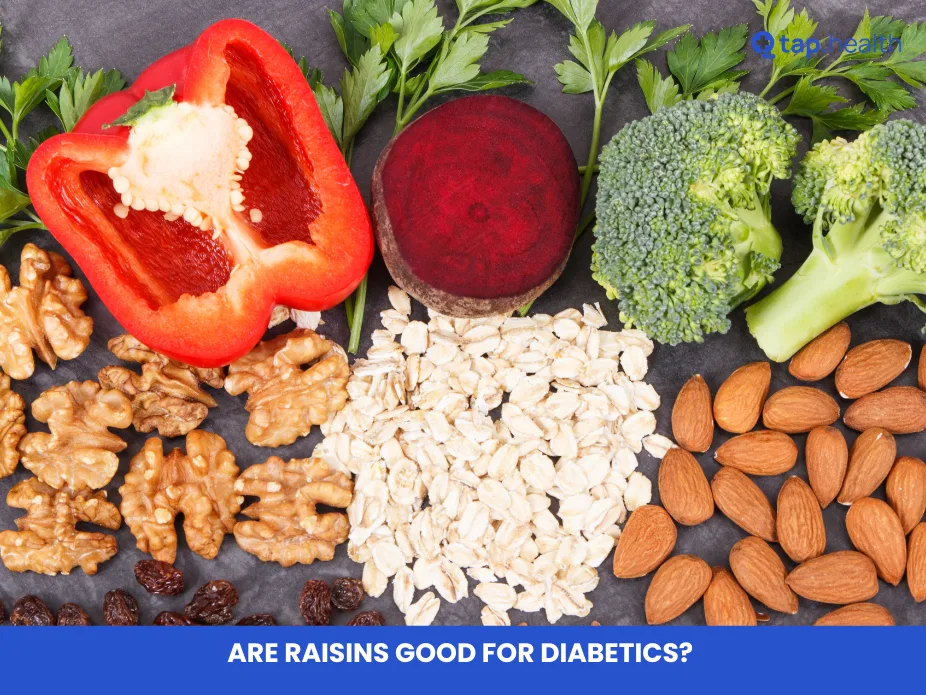
Managing diabetes means paying close attention to every bite, especially sweet foods. Raisins, being dried grapes, are naturally sweet and convenient, but many wonder: are raisins safe for diabetics? The answer is yes — in strict moderation and with smart pairing. This guide breaks down the glycemic index of raisins, nutritional facts, benefits, risks, and practical tips for safe enjoyment.
Nutritional Profile and Glycemic Index of Raisins
A small ¼ cup (40g) serving of raisins contains:
- 120 calories
- 32g carbohydrates
- 29g natural sugars
- 1.6g fiber
Raisins have a moderate glycemic index (GI) of 50–64. This means they raise blood sugar faster than low-GI foods but slower than white bread or candy. The fiber and polyphenols in raisins slightly slow sugar absorption, but portion size remains critical.
Health Benefits of Raisins for People with Diabetes
When eaten in small amounts, raisins offer real advantages:
- Rich in soluble and insoluble fiber that supports digestion and slightly blunts blood sugar spikes
- High in polyphenols and antioxidants that reduce inflammation and protect heart health — important since diabetes doubles cardiovascular risk
- Excellent source of potassium that helps control blood pressure
- Provides iron and quick natural energy without artificial additives
Potential Risks and Blood Sugar Concerns
The main concerns are valid:
- High carbohydrate density (almost 80% carbs by weight)
- Easy to overeat because they are small and sweet
- Can cause rapid glucose rise if eaten alone or in large amounts
- Calorie-dense, increasing risk of weight gain that worsens insulin resistance
Safe Portion Size for Diabetics
Most diabetes experts and the American Diabetes Association recommend limiting raisins to 1–2 tablespoons (15–30g) per serving — about 15–20 individual raisins. This keeps carbohydrate intake around 15g, similar to one fruit exchange.
Best Ways to Eat Raisins Without Spiking Blood Sugar
- Always pair with protein or healthy fat → 1 tablespoon raisins + 10–12 almonds → 1 tablespoon raisins + string cheese → 1 tablespoon raisins sprinkled over Greek yogurt
- Add to high-fiber, low-GI meals → Mix into oatmeal with chia seeds and cinnamon → Stir into salads with leafy greens and grilled chicken
- Choose plain, unsweetened raisins (avoid yogurt- or chocolate-coated)
- Measure, don’t grab handfuls — use a tablespoon for accuracy
- Monitor your personal response with a glucometer 1–2 hours after eating
Real-Life Examples of Safe Raisin Consumption
- Afternoon snack: 1 tablespoon raisins + handful of walnuts → steady energy, no spike
- Breakfast boost: 2 tablespoons raisins in steel-cut oats with flaxseed and unsweetened almond milk
- Trail mix: make your own with 1 tablespoon raisins + pumpkin seeds + pecans
Expert Opinion on Raisins and Diabetes Management
Endocrinologists and certified diabetes educators agree: raisins are not forbidden, but they are a “sometimes food” that requires planning. Dr. David Joffe and similar experts emphasize portion awareness and food pairing as the keys to enjoying raisins safely.
Frequently Asked Questions About Raisins for Diabetics
Q: Do raisins raise blood sugar quickly?
A: Yes, they can, but less than candy due to their fiber and moderate GI.
Q: How many raisins can a diabetic eat per day?
A: 1–2 tablespoons maximum, ideally split across meals or snacks.
Q: Are golden raisins better than dark raisins for diabetes?
A: No significant difference in carbs or GI; choose based on taste.
Q: Can I eat raisins if I have Type 1 diabetes?
A: Yes, just count the 15g carbs and adjust insulin accordingly.
Q: Are raisins better than fresh grapes for diabetics?
A: No — fresh grapes have more water and lower carb density, making them easier on blood sugar.
Can Diabetics Eat Raisins Safely? Final Verdict from TapHealth
Yes — raisins can fit into a diabetes-friendly diet when limited to 1–2 tablespoons, always paired with protein or fat, and monitored with blood glucose checks. Their fiber, antioxidants, potassium, and natural sweetness make them a smarter occasional treat than processed candy. Practice mindful portions and smart combinations, and raisins can remain an enjoyable part of your eating plan without compromising blood sugar control.th protein or healthy fats, diabetics can enjoy this delicious snack without negatively affecting their blood sugar levels.
For more information on managing diabetes, visit the American Diabetes Association website.