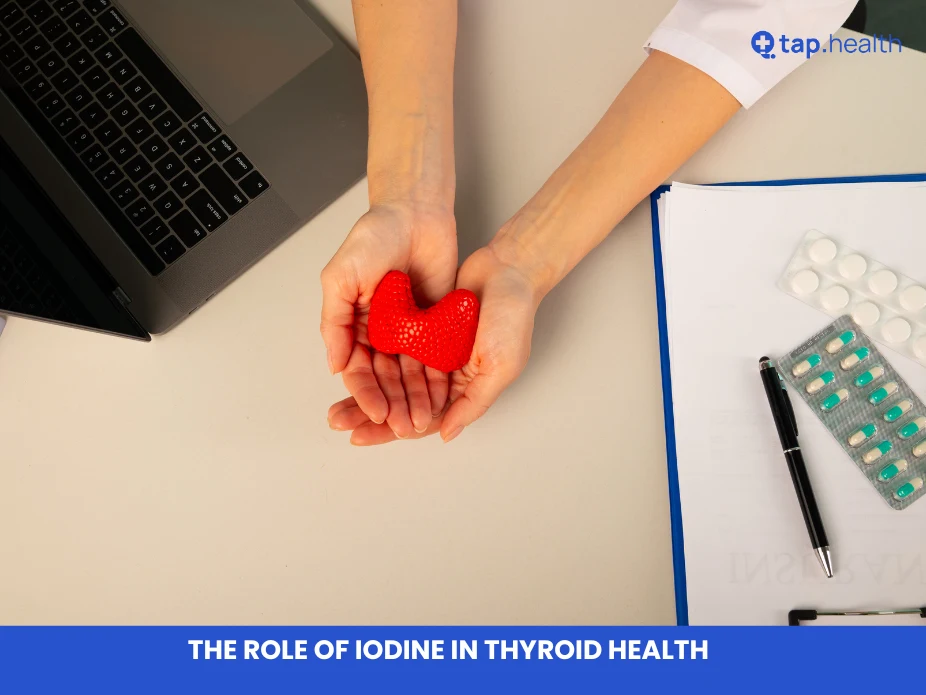
When it comes to thyroid health, iodine is one of the most essential nutrients. This trace element plays a crucial role in the production of thyroid hormones that regulate your metabolism, energy levels, and overall well-being. Without enough iodine, your thyroid can’t function properly, which can lead to a variety of health issues, including fatigue, weight gain, and even more serious thyroid disorders.
In this blog post, we’ll explore the important role iodine plays in thyroid health, the symptoms of iodine deficiency, and, most importantly, which foods can help you ensure you’re getting enough iodine in your diet.
What is Iodine and Why Is It Important for Your Thyroid?
Iodine is a trace element that your body needs in small amounts, but it’s essential for healthy thyroid function. The thyroid gland, which is located in your neck, produces hormones that control metabolism. These hormones are called T3 (triiodothyronine) and T4 (thyroxine), and they are made using iodine.
The thyroid cannot produce T3 and T4 without iodine, which is why iodine is directly linked to thyroid health. If you don’t get enough iodine, your thyroid can become enlarged, a condition known as a goiter. In some cases, iodine deficiency can also lead to hypothyroidism (underactive thyroid) or hyperthyroidism (overactive thyroid), both of which can have significant effects on your energy, mood, and metabolism.
How Iodine Affects Thyroid Hormones
Iodine is required for the synthesis of thyroid hormones. The thyroid gland absorbs iodine from the bloodstream and uses it to make T3 and T4 hormones. These hormones help regulate how your body uses energy, and they influence nearly every organ system.
If iodine levels are low, the thyroid struggles to produce enough hormones, which can slow down metabolism, cause fatigue, and even lead to weight gain. On the other hand, too much iodine can result in an overactive thyroid, causing symptoms like anxiety, weight loss, and rapid heart rate.
Symptoms of Iodine Deficiency
Iodine deficiency can lead to several symptoms, many of which are related to thyroid dysfunction. Some common signs of iodine deficiency include:
- Fatigue: Feeling tired even after a full night’s sleep.
- Weight Gain: Difficulty losing weight or unexplained weight gain.
- Cold Sensitivity: Feeling colder than usual, especially in your extremities.
- Dry Skin and Hair: Thinning hair, dry skin, and brittle nails.
- Constipation: Trouble with regular bowel movements.
- Goiter: An enlargement of the thyroid gland visible as a swelling in the neck.
If you experience any of these symptoms, it may be worth discussing iodine levels with your healthcare provider.
Top Iodine-Rich Foods for Thyroid Health
Now that we understand the importance of iodine for thyroid function, let’s look at some of the best foods to include in your diet to ensure you’re getting enough iodine.
1. Seaweed (Kelp, Nori, Wakame)
Seaweed is one of the most natural and rich sources of iodine. Varieties like kelp, nori, and wakame are packed with iodine, and just a small serving can provide the daily recommended intake.
Why It Works:
Seaweed is highly concentrated in iodine, and it’s one of the best ways to meet your iodine needs. A small sheet of nori (used in sushi) can contain up to 50% of your daily iodine requirement.
How to Use It:
Seaweed is versatile and can be added to soups, salads, or even enjoyed as a snack in the form of roasted seaweed sheets. If you’re new to seaweed, start by adding it to sushi rolls or using it as a garnish for soups and salads.
Real-life Scenario:
James, a 42-year-old man diagnosed with hypothyroidism, began incorporating kelp and wakame into his meals. He noticed that his energy levels improved and he felt less fatigued within a few weeks of adding seaweed to his diet.
2. Iodized Salt
Iodized salt is another easy way to add iodine to your diet. While regular salt doesn’t contain iodine, iodized salt has iodine added during processing. It’s an inexpensive and effective way to prevent iodine deficiency.
Why It Works:
Iodized salt provides a reliable source of iodine that can be easily incorporated into your daily meals. Just a small amount can help meet your iodine needs.
How to Use It:
Swap out regular table salt for iodized salt in your cooking or at the dinner table. However, be cautious about overuse, as excessive salt intake can lead to other health issues like high blood pressure.
Expert Contribution:
According to the World Health Organization (WHO), iodized salt has been one of the most effective public health interventions for eliminating iodine deficiency worldwide.
3. Dairy Products (Milk, Yogurt, Cheese)
Dairy products are a great source of iodine, especially milk and yogurt. The iodine content in dairy comes from the iodine that cows absorb from their feed and water.
Why It Works:
Dairy is a reliable source of iodine, and it also provides other essential nutrients like calcium, protein, and vitamin D. Consuming dairy regularly can help support your thyroid health while also benefiting your bones and overall nutrition.
How to Use It:
Incorporate milk, yogurt, and cheese into your daily meals. You can drink milk, add yogurt to smoothies, or enjoy cheese as a snack.
4. Eggs
Eggs are another great source of iodine, especially the yolks. If you’re looking to boost your iodine intake, eating eggs can help support thyroid function.
Why It Works:
Eggs are not only high in iodine but also rich in protein and healthy fats. Eating them regularly can contribute to overall thyroid health and provide a balanced source of nutrition.
How to Use It:
Eggs are incredibly versatile and can be prepared in many ways—boiled, scrambled, poached, or even added to salads and sandwiches.
5. Fish and Shellfish (Cod, Shrimp, Tuna)
Fish and shellfish are some of the best sources of iodine. Cod, shrimp, and tuna are particularly rich in iodine and also provide high-quality protein and omega-3 fatty acids.
Why It Works:
Fish and shellfish are excellent sources of iodine and offer additional health benefits, such as heart health and anti-inflammatory properties. Including these in your diet will not only support thyroid function but also improve your overall health.
How to Use It:
Add fish to your meals several times a week. Grilled cod, shrimp stir-fries, or tuna salads are great options for incorporating iodine-rich foods into your diet.
Real-life Scenario:
Maria, a 30-year-old woman diagnosed with mild hypothyroidism, started eating more fish, particularly tuna and cod, as part of her weekly diet. She felt her thyroid function improve, and she noticed increased energy levels.
How Much Iodine Do You Need?
The recommended daily intake of iodine varies by age, sex, and life stage. According to the National Institutes of Health (NIH), the general recommendations are as follows:
- Adults (19+ years): 150 micrograms
- Pregnant Women: 220 micrograms
- Breastfeeding Women: 290 micrograms
- Children (1-8 years): 90-120 micrograms
- Infants (0-6 months): 110 micrograms
Most people can meet these needs through a balanced diet that includes iodine-rich foods like those listed above. However, in areas where iodine deficiency is common, iodine supplementation or the use of iodized salt can be helpful.
FAQ on The Role of Iodine in Thyroid Health: Foods You Must Include
Q: Can I get too much iodine from food?
A: Yes, while iodine is essential for thyroid health, consuming too much can lead to thyroid dysfunction, including hyperthyroidism. It’s important to stick to recommended amounts and avoid excessive intake.
Q: Are there any risks of iodine deficiency in developed countries?
A: Iodine deficiency is rare in developed countries due to the widespread use of iodized salt and the availability of iodine-rich foods. However, certain populations, such as pregnant women, may still be at risk.
Q: Can iodine-rich foods help treat hypothyroidism?
A: While iodine-rich foods are crucial for thyroid health, they cannot treat hypothyroidism on their own. If you have hypothyroidism, it’s important to follow your doctor’s treatment plan, which may include medication.
Conclusion
Iodine is a vital nutrient for thyroid health, and ensuring that you get enough through your diet can help maintain proper thyroid function. By including iodine-rich foods like seaweed, iodized salt, dairy, eggs, and fish, you can support your thyroid and overall well-being.
Always consult with a healthcare provider if you suspect thyroid problems or iodine deficiency, but for most people, a balanced diet will keep the thyroid functioning optimally. Remember, the key is balance—too little iodine can cause problems, but too much can also lead to thyroid issues.
Incorporate these iodine-rich foods into your meals, and you’ll be supporting your thyroid health naturally.
Reference-
Iodine and Thyroid Health:
- “Iodine is an essential trace element required for the production of thyroid hormones. Thyroid hormones regulate many critical body functions, including metabolism and energy levels.”
Source: National Institutes of Health, Iodine
Symptoms of Iodine Deficiency:
- “Iodine deficiency is the leading cause of preventable mental retardation worldwide and can result in thyroid dysfunction, including hypothyroidism and goiter.”
Source: World Health Organization, Iodine Deficiency