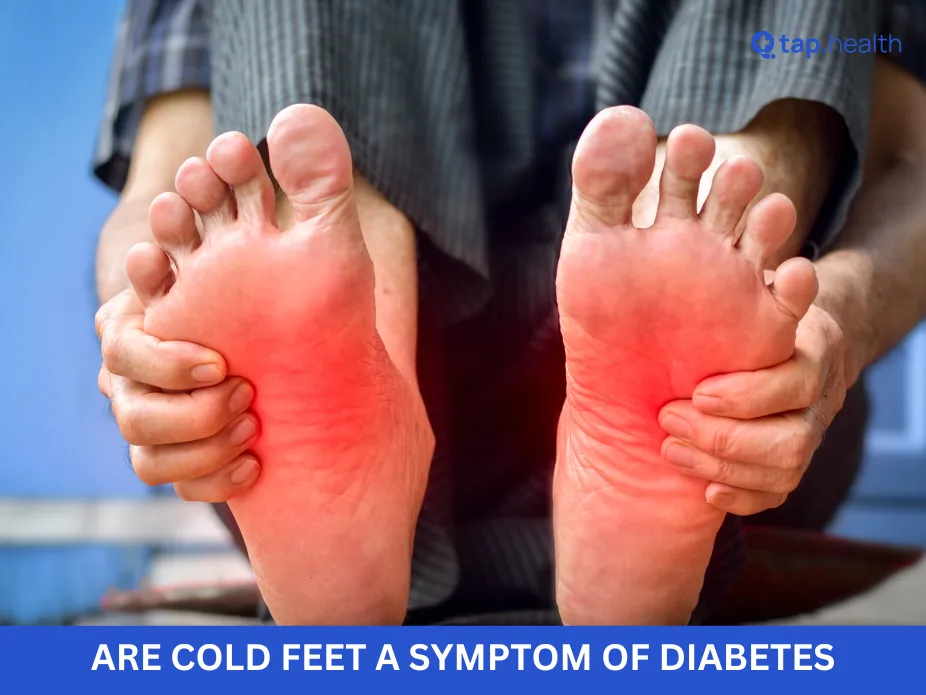
Have you ever noticed that your feet are constantly cold, even when you’re wrapped up in a blanket or wearing thick socks? If this is a regular occurrence, it could be a symptom of an underlying condition, such as diabetes. But is there really a connection between cold feet and diabetes? In this blog, we’ll dive deep into whether cold feet are a symptom of diabetes, what causes them, and how you can manage this issue if you’re living with the condition. Let’s get started!
What Causes Cold Feet?
Cold feet are a common problem that many people experience from time to time. They’re typically caused by a drop in body temperature, poor circulation, or other factors that restrict blood flow to the feet. But if you’re noticing cold feet frequently, it could point to something more significant than just the temperature around you. Let’s look at some common causes of cold feet.
1. Poor Circulation
The most common reason for cold feet is poor circulation. When blood flow is restricted to your extremities (fingers and toes), your body struggles to regulate temperature in those areas, leading to cold sensations.
2. Peripheral Artery Disease (PAD)
Peripheral artery disease (PAD) occurs when the blood vessels in your legs and feet become narrowed or blocked. This limits blood flow, which can result in cold feet. PAD is often seen in people with high blood pressure, high cholesterol, and other risk factors, including diabetes.
3. Raynaud’s Disease
Raynaud’s disease is a condition that affects blood flow to the extremities, causing the blood vessels in the fingers and toes to constrict in response to cold or stress. This can lead to cold, numb, and even discolored feet.
4. Nerve Damage
Sometimes, nerve damage (neuropathy) caused by conditions like diabetes can also cause sensations like coldness or numbness in the feet. Diabetes-related neuropathy is a common cause of cold feet in people living with diabetes.
5. Low Thyroid Function (Hypothyroidism)
A low thyroid function (hypothyroidism) can lead to feeling cold, including cold feet. The thyroid helps regulate body temperature, and when it’s underactive, it can lead to chills and cold extremities.
6. Anemia
Anemia, or low red blood cell count, can also cause cold feet. With fewer red blood cells to carry oxygen throughout your body, your extremities may feel colder than usual.
Are Cold Feet a Symptom of Diabetes?
Yes, cold feet can be a symptom of diabetes, especially if you have poorly controlled blood sugar levels. The relationship between cold feet and diabetes is linked to several factors, primarily poor circulation and nerve damage. Let’s take a closer look at why diabetes can lead to cold feet.
1. Peripheral Neuropathy: Nerve Damage in the Feet
One of the most common complications of diabetes is peripheral neuropathy, a type of nerve damage that occurs due to high blood sugar levels. When your blood sugar is poorly controlled over time, it can damage the small nerves in your feet and legs, leading to sensations such as:
- Numbness
- Tingling
- Burning
- Coldness
This nerve damage can interfere with your ability to feel the temperature in your feet, making them feel cold even if they are not. Diabetic neuropathy can lead to a condition called “cold feet syndrome,” which makes your feet feel uncomfortably cold, even in warm conditions.
2. Poor Circulation
Diabetes can also damage blood vessels, leading to poor circulation in the feet and legs. When blood flow is reduced, your body’s ability to regulate temperature in your feet decreases. As a result, your feet may feel cold, especially when you’re not moving around much or if you’re in a cool environment.
When circulation is poor, your feet may feel like they’re not getting enough warmth from the blood. This can also lead to other complications, such as swelling or ulcers on the feet.
3. Diabetic Vascular Disease
People with diabetes are at a higher risk for diabetic vascular disease, which involves the hardening and narrowing of blood vessels. This condition, known as atherosclerosis, can limit blood flow to the extremities, including the feet, making them feel cold or even numb. Over time, poor blood flow can contribute to more severe foot complications, such as infections or ulcers, especially if you are also experiencing neuropathy.
Real-Life Scenarios
Let’s illustrate this with some real-life examples of individuals living with diabetes who have experienced cold feet.
Scenario 1: Priya from Pune
Priya, a 52-year-old woman from Pune, has been living with type 2 diabetes for several years. She noticed that her feet often felt cold, even when the weather was warm. Initially, she thought it was just a result of being tired or stressed, but the problem persisted. Priya visited her doctor, who diagnosed her with peripheral neuropathy due to poorly controlled blood sugar levels. She was advised to keep her blood sugar levels stable, wear proper footwear, and use foot creams to improve circulation. With these steps, Priya was able to reduce the cold sensations in her feet and manage her diabetes more effectively.
Scenario 2: Rajesh from New Delhi
Rajesh, a 60-year-old man from New Delhi, had been managing his type 1 diabetes for over a decade. He had always experienced cold feet during the winter, but recently he noticed that they felt cold all year round. His doctor diagnosed him with diabetic vascular disease, which was causing poor circulation to his feet. Rajesh was prescribed medication to improve blood flow and advised to keep his feet warm and comfortable. By following these recommendations, Rajesh noticed a significant improvement in his foot health and the cold sensation started to decrease.
Expert Contributions: Dr. Neha Joshi’s Insights
Dr. Neha Joshi, an endocrinologist at the All India Institute of Medical Sciences (AIIMS), shares her expertise on the relationship between cold feet and diabetes. “Cold feet are often one of the first signs of nerve damage and poor circulation in individuals with diabetes,” she explains. “If you experience persistent cold feet along with other symptoms like tingling, numbness, or pain, it’s important to consult a doctor. Early detection and management of diabetes-related complications can help prevent more serious issues down the line.”
Dr. Joshi emphasizes the importance of keeping blood sugar levels under control, as high blood sugar is the primary cause of neuropathy and circulation problems in diabetics.
How to Manage Cold Feet If You Have Diabetes
If you’re dealing with cold feet as a symptom of diabetes, there are several steps you can take to manage and alleviate the discomfort. Here’s what you can do:
1. Keep Your Blood Sugar Under Control
The most important thing you can do to manage cold feet is to control your blood sugar levels. High blood sugar can worsen circulation issues and nerve damage, leading to more frequent and severe cold feet. Work closely with your healthcare team to develop a plan for managing your blood sugar through diet, exercise, and medication.
2. Improve Circulation
Improving circulation can help reduce the cold sensations in your feet. Try these tips:
- Exercise regularly: Physical activity improves blood flow and helps regulate blood sugar.
- Massage your feet: Gently massaging your feet can stimulate circulation and relieve coldness.
- Avoid sitting or standing for long periods: Move around frequently to improve circulation to your feet.
3. Wear Warm, Comfortable Footwear
Keeping your feet warm is crucial if you suffer from cold feet. Choose socks that are made from materials like wool or fleece, which retain heat. Avoid tight shoes that can restrict circulation, and make sure your footwear fits well and provides adequate support.
4. Use Foot Creams and Lotions
Dry skin can worsen the feeling of cold feet, so it’s important to keep your feet moisturized. Use diabetic-friendly foot creams or lotions to prevent dryness and cracking. This can also help with circulation by stimulating blood flow to your feet.
5. Avoid Smoking and Limit Alcohol
Both smoking and excessive alcohol consumption can worsen circulation problems. If you smoke, quitting can help improve blood flow to your feet. Limiting alcohol can also prevent further nerve damage and improve overall circulation.
6. Stay Warm
Make sure your feet are well protected from the cold, especially during the winter months. Wearing thermal socks or heated insoles can help keep your feet warm when temperatures drop. You can also use a foot warmer or heating pad to give your feet extra warmth when needed.
FAQs About Cold Feet and Diabetes
1. Why are my feet always cold with diabetes?
Cold feet in diabetes are often caused by poor circulation and nerve damage (neuropathy). High blood sugar levels can damage blood vessels and nerves in the feet, leading to sensations of coldness.
2. Can cold feet be a sign of diabetes?
Yes, cold feet can be a sign of diabetes, especially if they are accompanied by other symptoms such as numbness, tingling, or pain. If you have diabetes and experience cold feet, it’s essential to monitor your blood sugar and seek medical advice.
3. How can I stop my feet from being cold due to diabetes?
To manage cold feet, it’s important to control your blood sugar levels, improve circulation through exercise, massage, and warm footwear, and keep your feet moisturized to avoid dryness and cracking.
4. Is cold feet related to diabetic neuropathy?
Yes, cold feet can be a symptom of diabetic neuropathy, which occurs when high blood sugar levels damage the nerves in your feet. This can lead to sensations of coldness, numbness, or tingling.
5. What can I do if my feet feel cold all the time?
If your feet feel cold constantly, especially if you have diabetes, it’s crucial to visit your doctor. Cold feet could be a sign of complications like neuropathy or poor circulation that need medical attention.
Conclusion
Cold feet can be more than just a temporary inconvenience—they can be a symptom of diabetes, particularly if you experience them frequently. Poor circulation, nerve damage, and other complications of diabetes can contribute to the sensation of cold feet. However, by managing your blood sugar levels, improving circulation, and taking proper care of your feet, you can alleviate discomfort and prevent further complications. If you’re experiencing cold feet along with other symptoms like tingling or numbness, it’s essential to consult a healthcare professional for advice and treatment.