tap.health logo
  • Diabetes Management
  • Health Assistant
  • About Us
  • Blog
  • Contact Us
Get Plan
  • Diabetes Management
  • Health Assistant
  • About Us
  • Blog
  • Contact Us
  • All Blogs
  • Product
  • Brown Rice vs White Rice: Which is Better?

Brown Rice vs White Rice: Which is Better?

Product
February 25, 2024
• 4 min read
Shalu Raghav
Written by
Shalu Raghav
ChatGPT Perplexity WhatsApp LinkedIn X Grok Google AI
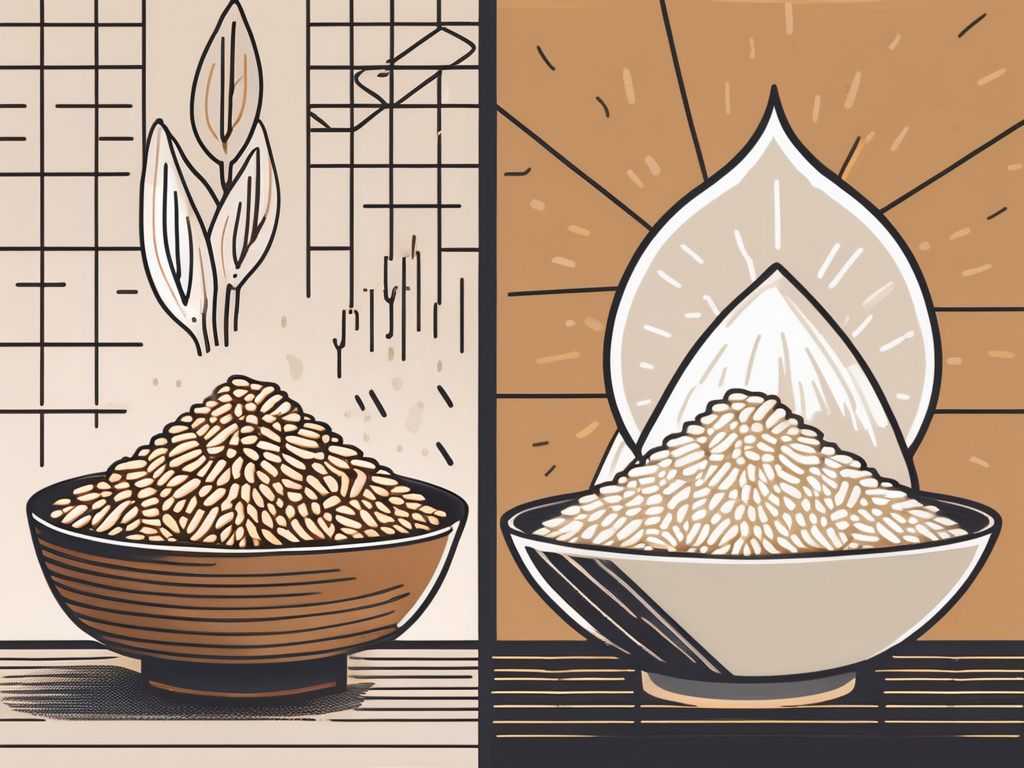
A split image showcasing brown rice and white rice

The debate over brown rice vs white rice is a common one for health-conscious individuals aiming to make informed dietary choices. Both are staple foods globally, but their differences in nutrition, health benefits, glycemic index, cooking time, and taste make the choice more nuanced. This article breaks down the key distinctions to help you decide which rice variety suits your lifestyle and health goals.

What Are the Key Differences Between Brown and White Rice?

Rice, a dietary cornerstone for billions, comes in various forms, but brown and white rice are the most widely consumed. Understanding their origins and processing methods is essential to grasp why they differ nutritionally and functionally.

Origin and Processing of Brown Rice vs White Rice

Both brown and white rice come from the same plant, Oryza sativa. However, their processing sets them apart:

  • Brown Rice: This is a whole grain that retains its bran, germ, and endosperm layers, making it richer in nutrients and fiber.
  • White Rice: The refining process removes the bran and germ, leaving only the endosperm. This results in a lighter color, softer texture, and longer shelf life but strips away some nutrients.

White rice is often enriched with vitamins and minerals like iron and folic acid to compensate for nutrient loss, while brown rice naturally retains its nutrient-dense profile.

How Do Brown and White Rice Compare Nutritionally?

The nutritional content of brown and white rice is a critical factor in determining which is better for your diet. Here’s a detailed comparison:

Macronutrients: Carbs, Protein, and Fiber

  • Carbohydrates: Both types are primarily carbohydrate sources, providing energy. White rice has slightly fewer carbs per serving due to the removal of the bran.
  • Protein: Brown rice contains slightly more protein (about 5g per cup) compared to white rice (about 4g per cup).
  • Fiber: Brown rice is significantly higher in fiber (3.5g per cup) compared to white rice (0.6g per cup), aiding digestion and satiety.

Vitamins and Minerals

Brown rice naturally contains higher levels of:

  • B Vitamins: Thiamin, niacin, and vitamin B6, essential for energy metabolism.
  • Minerals: Magnesium, phosphorus, and selenium, which support bone health and immune function.

White rice, while lower in these nutrients naturally, is often fortified to bridge the gap, making it a viable option for those who prefer its taste and texture.

Antioxidants and Phytonutrients

Brown rice’s bran layer is rich in antioxidants like flavonoids and phenolic compounds, which combat oxidative stress and reduce the risk of chronic diseases such as heart disease and cancer. White rice lacks these compounds due to the refining process.

What Are the Health Benefits of Brown and White Rice?

Both rice types offer unique health benefits, but brown rice generally has an edge due to its whole-grain status. Here’s how they stack up:

Digestive Health and Weight Management

  • Brown Rice: Its high fiber content promotes healthy digestion, prevents constipation, and supports regular bowel movements. The fiber also enhances satiety, helping with weight management by reducing overeating.
  • White Rice: Lower in fiber, white rice is easier to digest for some people, especially those with sensitive stomachs. Its fortification with nutrients like folic acid can support specific dietary needs, such as pregnancy.

Cardiovascular Health

Brown rice’s fiber, antioxidants, and bioactive compounds contribute to:

  • Lowering blood pressure.
  • Reducing LDL (bad) cholesterol levels.
  • Decreasing the risk of heart disease.

While white rice doesn’t offer the same cardiovascular benefits, it remains a staple in many diets due to its versatility and mild flavor.

Blood Sugar Control

Brown rice’s lower glycemic index (GI of 50-55) makes it a better choice for blood sugar control compared to white rice (GI of 70-89). The slower digestion of brown rice leads to gradual blood sugar increases, which is beneficial for individuals with diabetes or those monitoring glucose levels.

How Does the Glycemic Index Affect Your Choice?

The glycemic index (GI) measures how quickly a food raises blood sugar levels. Foods with a lower GI are digested more slowly, leading to steadier glucose levels.

Brown Rice vs White Rice: Glycemic Index Comparison

  • Brown Rice: With a GI of 50-55, it causes a slower, more sustained rise in blood sugar, making it ideal for diabetes management or stable energy levels.
  • White Rice: Its higher GI (70-89) leads to quicker blood sugar spikes, which may not be suitable for those with insulin sensitivity or diabetes.

However, glycemic load (GL), which considers portion size and carbohydrate content, is also important. Smaller servings of white rice may have a less dramatic impact on blood sugar than larger portions.

How Do Cooking Time and Taste Compare?

Beyond nutrition, cooking time and taste play significant roles in choosing between brown and white rice.

Cooking Methods

  • Brown Rice: Takes longer to cook (about 40-50 minutes) due to its intact bran layer and requires more water.
  • White Rice: Cooks faster (15-20 minutes) and needs less water, making it more convenient for quick meals.

Modern appliances like rice cookers and instant pots have minimized these differences, making both types easier to prepare.

Flavor and Texture

  • Brown Rice: Offers a nutty flavor and chewier texture, adding depth to dishes like stir-fries or grain bowls.
  • White Rice: Known for its mild taste and softer, fluffier texture, it’s a versatile base for various cuisines, from sushi to curries.

Taste preferences vary, so the choice often depends on the dish and personal palate.

Which Rice is Better for You?

When comparing brown rice vs white rice, brown rice generally emerges as the healthier option due to:

  • Higher fiber content for better digestion and weight management.
  • Richer vitamin and mineral profile for overall health.
  • Lower glycemic index for stable blood sugar levels.
  • Greater antioxidant content for chronic disease prevention.

However, white rice has its merits:

  • Fortified nutrients make it a good choice for specific dietary needs.
  • Faster cooking time suits busy lifestyles.
  • Milder taste and softer texture appeal to a broader range of palates.

Ultimately, the best choice depends on your health goals, dietary restrictions, and culinary preferences. For example:

  • If you’re focused on weight loss or diabetes management, brown rice is likely the better pick.
  • If you need a quick, versatile ingredient or have digestive sensitivities, white rice may be more practical.

Incorporating both types into a balanced diet, alongside other whole grains like quinoa or barley, can provide variety and nutritional benefits.

Conclusion

The brown rice vs white rice debate boils down to your priorities. Brown rice stands out for its superior nutritional value, health benefits, and lower glycemic index, making it a top choice for those prioritizing wellness. However, white rice remains a practical and nutrient-fortified option for many, especially when convenience and taste are key.

By understanding the differences in nutrition, cooking methods, and health impacts, you can make an informed decision that aligns with your lifestyle. Whether you choose the nutty, fiber-packed brown rice or the soft, versatile white rice, both can fit into a healthy diet when consumed mindfully.


Tags
A1C test diabetes heart health diabetic retinopathy fruit and blood sugar type 1 diabetes how to lower HbA1c diabetic breakfast ideas post-meal blood sugar Indian diabetes plate foods for diabetes shopping diabetes and alcohol low blood sugar at night diabetes excessive thirst insulin site rotation diabetes curd milk for diabetes why diabetes is considered as a lifestyle disease blood pressure diabetes eye test rice and diabetes type 1 diabetes symptoms fasting sugar normal range PCOS and diabetes blood sugar after food diabetes portion control diabetes kidney tests alcohol blood sugar diabetes diabetes sweating at night diabetes dry mouth insulin lumps tea and coffee in diabetes can diabetics drink milk Medicine lifestyle diabetes cholesterol diabetes kidney care can diabetics eat rice insulin diabetes high fasting blood sugar PCOS insulin resistance postprandial glucose low glycaemic index foods for diabetes urine albumin diabetes can diabetics drink alcohol diabetes headache frequent urination diabetes diabetes weight gain coffee diabetes best milk for diabetes Health type 2 diabetes lifestyle disease living with diabetes diabetic kidney disease diabetes diet India prediabetes diet reverse prediabetes naturally PCOS diabetes risk dawn phenomenon diabetes low GI foods India eGFR diabetes diabetes and dizziness high blood sugar headache diabetes fatigue diabetes and weight gain tea diabetes peanuts for diabetes Lifestyle exercise and diabetes diabetes habits kidney tests diabetes morning blood sugar prediabetes food prediabetes reversal gestational diabetes diet Indian morning sugar high diabetes low GI diet diabetes and dental problems dizziness diabetes low blood sugar headache diabetes tiredness insulin weight gain roti for diabetes are peanuts good for diabetes Home remedies blood sugar control diabetes management high blood sugar symptoms fasting sugar high lower diabetes risk how to prevent type 2 diabetes pregnancy diabetes diet high fasting sugar in morning diabetes and fatty liver diabetes gum disease low sugar dizziness blood sugar monitoring at home high blood sugar tiredness diabetes swollen feet best roti for diabetes peanuts blood sugar Fitness physical activity insulin resistance hyperglycemia symptoms dawn phenomenon diabetes and weight loss insulin resistance diet gestational diabetes meal plan diabetes and cholesterol fatty liver diabetes dry mouth diabetes diabetes leg pain when to check blood sugar diabetes constipation swollen feet diabetes chapati diabetes sweet potato for diabetes Prevention diabetes foot care insulin sensitivity diabetes warning signs diabetes myths weight loss diabetes Indian foods for insulin resistance diabetic foot ulcer diabetes lipid profile insulin resistance fatty liver diabetes urine infection diabetic leg cramps blood glucose monitoring diabetes and constipation diabetes foot swelling can diabetics eat dates can diabetics eat sweet potato Hygiene diabetic foot type 2 diabetes risk normal blood sugar levels diabetes facts insulin resistance weight loss improve insulin sensitivity diabetes foot wound cholesterol in diabetes diabetes skin problems frequent UTI diabetes diabetes nerve pain legs metformin for diabetes constipation diabetes can diabetics eat banana dates for diabetes sweet potato blood sugar Ailments foot health diabetes and sleep fasting blood sugar diabetes misconceptions diabetes medicine safety diabetic neuropathy symptoms diabetic foot ulcer warning signs can diabetics eat mango diabetes itching urinary infection diabetes diabetes slow wound healing metformin side effects diabetes numbness in hands banana for diabetes dates blood sugar jaggery for diabetes Hindi gestational diabetes poor sleep blood sugar HbA1c diabetes symptoms in women diabetes medicines diabetes nerve damage diabetes and blood pressure mango and diabetes dark patches diabetes diabetes stomach problems diabetes wounds metformin safety diabetes tingling hands banana blood sugar papaya for diabetes is jaggery good for diabetes skin diseases pregnancy diabetes sleep and diabetes diabetes in India women diabetes signs diabetes treatment advice tingling feet diabetes high blood pressure diabetes mango sugar diabetes walking after meals for diabetes diabetic gastroparesis diabetic wound care diabetes ketoacidosis warning signs diabetic neuropathy hands coconut water and diabetes is papaya good for diabetes gur for diabetes acne vulgaris symptoms blood sugar pregnancy diabetes and stress diabetes risk factors India diabetes risk women Indian diabetic diet chart diabetes eye disease diabetes heart kidney risk diabetes reversal vs remission post meal walk diabetes diabetes bloating nausea diabetes yeast infection DKA symptoms fasting with diabetes coconut water for diabetes papaya blood sugar AI Search low blood sugar stress blood sugar diabetes prevention India diabetes symptoms in men diabetic meal plan diabetic eye test borderline HbA1c diabetes remission walking lowers blood sugar diabetes sick day rules diabetes fungal infection ketones diabetes diabetes fasting safety can diabetics drink coconut water oats for diabetes blood sugar hypoglycemia cortisol diabetes best fruits for diabetes men diabetes signs HbA1c test high protein breakfast for diabetes HbA1c 5.7 to 6.4 reverse type 2 diabetes diabetes grocery list India diabetes during illness diabetes vaginal itching diabetes blurry vision can diabetics fast curd for diabetes oatmeal diabetes fasting glucose diabetes safety diabetes eye care diabetes fruits diabetes risk men HbA1c normal range diabetes breakfast India prediabetes HbA1c diabetes plate method diabetic food list India blood sugar fever infection diabetes night sweats high blood sugar blurry vision insulin injection sites is curd good for diabetes are oats good for diabetes
More blogs
Nishat Anjum
Nishat Anjum
• May 29, 2026
• 19 min read

Oats for Diabetes: Best Type, Blood Sugar Impact, Breakfast Ideas, and Common Mistakes

A detailed guide to oats for diabetes, covering steel-cut, rolled and instant oats, blood sugar impact, toppings, portions, and Indian breakfast ideas.

Diabetes
A split image showcasing brown rice and white rice
Fashtana Khan
Fashtana Khan
• May 29, 2026
• 19 min read

Jaggery for Diabetes: Is Gur Better Than Sugar, Blood Sugar Risks, and Safer Choices

A myth-busting guide to jaggery for diabetes, explaining gur versus sugar, blood sugar risks, iron claims, portion cautions, and safer sweet choices.

Diabetes
A split image showcasing brown rice and white rice
Varshitha Sotala
Varshitha Sotala
• May 29, 2026
• 19 min read

Peanuts for Diabetes: Blood Sugar Benefits, Portion Size, Weight Control, and Safety Tips

A practical guide to peanuts for diabetes, covering blood sugar, protein, healthy fats, portion size, weight control, salted peanuts, and allergy safety.

Diabetes
A split image showcasing brown rice and white rice
Do you remember your last sugar reading?
Log and Track your glucose on the Tap Health App
All logs in one place
Smart trend graphs
Medicine Reminder
100% Ad Free
Download Now

Missed your diabetes meds

again? Not anymore.

Get medicine reminders on your phone.

✓ Glucose diary and Insights
✓ Smart Nudges
✓ All logs at one place
✓ 100% Ad free
Download Free
tap health
tap.health logo
copyright © 2025
2nd Floor,Plot No 4, Minarch Tower,
Sector 44,Gurugram, 122003,
Haryana, India
  • About Us
  • Blog
  • Doctor login
  • Contact Us
  • Privacy Policy
  • Return / Shipping Policy
  • Terms and Conditions
Get Your Free AI Diabetes Coach