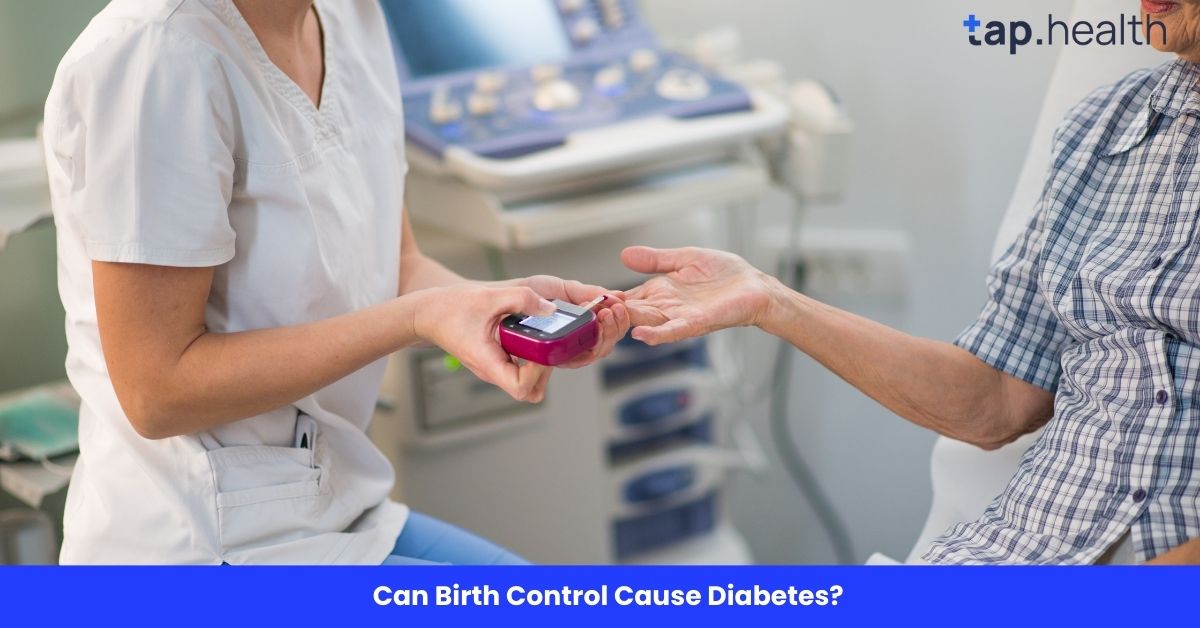
When it comes to birth control, many people rely on it to prevent unintended pregnancies and manage other health issues. However, if you’re someone who also has concerns about diabetes or is at risk for it, you may be wondering: Can birth control cause diabetes?
The short answer is: It depends. While hormonal contraceptives like the pill, the patch, and the IUD are widely used, there is a growing concern about their impact on blood sugar levels. Some studies suggest that birth control might increase the risk of developing diabetes, while others show no significant effect. So, where does the truth lie?
In this blog post, we’ll take a deeper look at whether birth control can cause diabetes, the potential risk factors, and what you can do to manage your health.
How Birth Control Works
Before diving into the relationship between birth control and diabetes, it’s essential to understand how hormonal contraceptives work. Birth control pills, patches, and other forms of contraception release synthetic hormones into your body. These hormones primarily include estrogen and progesterone, which help prevent pregnancy by:
- Preventing ovulation: This means your ovaries don’t release eggs, making fertilization impossible.
- Thickening cervical mucus: This makes it more difficult for sperm to reach an egg.
- Thinning the uterine lining: This reduces the chances of a fertilized egg implanting in the uterus.
While these mechanisms are effective at preventing pregnancy, they can also affect other parts of your body, including blood sugar regulation.
Can Birth Control Impact Blood Sugar?
The relationship between birth control and diabetes is complex. In general, hormonal contraceptives can have an effect on glucose metabolism and insulin sensitivity, both of which are important in regulating blood sugar levels. Let’s break down the potential effects of birth control on diabetes risk.
1. Impact of Estrogen on Blood Sugar
Estrogen is one of the hormones used in many birth control methods, and it can influence how your body handles glucose. Some studies have shown that high doses of estrogen may increase insulin resistance, meaning the body’s cells don’t respond as effectively to insulin, leading to higher blood sugar levels.
However, the risk of developing insulin resistance seems to be higher in women who are overweight or already have metabolic issues like prediabetes. In contrast, women with a healthy weight and normal metabolic function may not experience the same degree of insulin resistance.
2. Progesterone’s Role in Blood Sugar Levels
Progesterone, another key hormone in many birth control methods, can also affect insulin sensitivity. Some types of birth control, such as the mini-pill or progesterone-only injections (Depo-Provera), have a higher concentration of progesterone, which can alter how your body processes insulin.
While progesterone doesn’t have the same direct impact on insulin resistance as estrogen, it can still play a role in increasing blood sugar levels, particularly in women who already have an increased risk of diabetes.
3. Increased Risk for Women with Existing Conditions
Women with pre-existing conditions, such as obesity, metabolic syndrome, or a family history of diabetes, may be more likely to experience negative effects on blood sugar when using hormonal birth control. In these cases, hormonal contraceptives may further exacerbate insulin resistance, making it harder to regulate blood sugar and increasing the risk of developing Type 2 diabetes.
Read this : Understanding Diabetes-Related Pneumonitis: Symptoms, Causes, and Prevention
Real-Life Scenarios: Birth Control and Diabetes Risk
Scenario 1: Priya’s Struggle with Birth Control and Blood Sugar
Priya, a 29-year-old woman from Bangalore, had been using birth control for several years. She was prescribed a combination pill to manage her irregular periods and prevent pregnancy. After a year of taking the pill, Priya noticed she was gaining weight, feeling more fatigued, and having trouble managing her blood sugar levels. Despite eating a healthy diet and exercising regularly, her blood sugar levels were higher than usual.
When Priya visited her doctor, she was advised to undergo blood tests to check for insulin resistance. The tests showed early signs of prediabetes. Her doctor explained that the high estrogen levels in her birth control may have been contributing to her increased insulin resistance, especially since she was overweight.
Priya switched to a non-hormonal form of birth control and began a weight management program to address her insulin resistance. After several months, she noticed her blood sugar levels returning to normal.
Scenario 2: Arpita’s Experience with Progesterone-Only Contraception
Arpita, a 34-year-old woman from Delhi, had been using the Depo-Provera injection for several years. Unlike Priya, Arpita was lean and active but noticed a gradual increase in her weight over the years. She also found that her energy levels were low, and she struggled with managing her blood sugar. Arpita has a family history of Type 2 diabetes, which made her more cautious about her health.
After consulting with her doctor, Arpita discovered that progesterone-only contraceptives like Depo-Provera can increase the risk of insulin resistance, especially for those with a family history of diabetes. Her doctor recommended switching to a different method, and Arpita started using an IUD instead, which does not affect blood sugar levels.
Expert Contributions: Dr. Neelam Singh on Birth Control and Diabetes
Dr. Neelam Singh, an endocrinologist from Mumbai, emphasizes the importance of monitoring blood sugar levels when using hormonal birth control. She states, “While hormonal birth control can have an impact on insulin sensitivity, the effect varies from person to person. Women who are overweight, have a family history of diabetes, or have other risk factors should work closely with their healthcare provider to monitor blood sugar levels and consider non-hormonal options if necessary.”
For more information, you can visit Dr. Singh’s advice on Diabetes and Contraception at Diabetes Foundation India.
What Can You Do to Manage Diabetes Risk with Birth Control?
If you’re concerned about the effects of birth control on your blood sugar, there are several strategies you can adopt to manage your health.
1. Choose Non-Hormonal Birth Control
If you’re at risk of diabetes or have concerns about hormonal birth control, consider non-hormonal methods such as:
- Copper IUD: A small device inserted into the uterus that doesn’t affect hormone levels or blood sugar.
- Condoms: Both male and female condoms are effective at preventing pregnancy without affecting blood sugar.
- Fertility awareness methods: Tracking ovulation and using natural family planning can be an option, although it requires careful monitoring.
2. Regularly Monitor Blood Sugar Levels
If you’re using hormonal birth control and have risk factors for diabetes, regular blood sugar monitoring is crucial. This will allow you to catch any early signs of insulin resistance or elevated blood sugar levels before they become a bigger issue.
3. Maintain a Healthy Lifestyle
A healthy diet and regular exercise are essential for managing blood sugar levels, especially when using hormonal birth control. Aim for a balanced diet with whole grains, lean proteins, and plenty of fruits and vegetables, and engage in regular physical activity to improve insulin sensitivity.
4. Consult Your Doctor Regularly
If you’re concerned about the risk of diabetes, make sure to have regular check-ups with your doctor. They can help monitor your health and suggest alternative birth control methods or adjustments to your current treatment plan.
FAQ: Can Birth Control Cause Diabetes?
1. Can hormonal birth control cause diabetes?
Hormonal birth control can affect blood sugar levels, especially for women with risk factors such as obesity, metabolic syndrome, or a family history of diabetes. However, the effect varies from person to person.
2. Does birth control affect insulin resistance?
Yes, some forms of birth control, especially those with higher doses of estrogen and progesterone, may increase insulin resistance. This can make it harder for the body to regulate blood sugar.
3. Can birth control increase the risk of Type 2 diabetes?
For some women, hormonal contraceptives may increase the risk of developing Type 2 diabetes, particularly if they already have risk factors such as obesity or a family history of diabetes.
4. What are the best birth control options for women at risk of diabetes?
Non-hormonal options, such as the copper IUD, condoms, or fertility awareness methods, may be the best choice for women at risk of diabetes or those who want to avoid hormonal contraceptives.
Conclusion
While hormonal birth control does not directly cause diabetes, it can impact insulin sensitivity and increase the risk of developing Type 2 diabetes, particularly for women with existing risk factors. Managing your blood sugar levels, maintaining a healthy weight, and choosing the right birth control method can help reduce these risks. Always consult your healthcare provider to find the method that’s best for your body and health needs.