tap.health logo
  • Diabetes Management
  • Health Assistant
  • About Us
  • Blog
  • Contact Us
Get Plan
  • Diabetes Management
  • Health Assistant
  • About Us
  • Blog
  • Contact Us
  • All Blogs
  • Product
  • Can Lifestyle and Diet Choices Really Impact Scalp Health?

Can Lifestyle and Diet Choices Really Impact Scalp Health?

Product
March 1, 2024
• 4 min read
Tap Health
Written by
Tap Health
ChatGPT Perplexity WhatsApp LinkedIn X Grok Google AI
can-lifestyle-and-diet-choices-really-impact-scalp-health

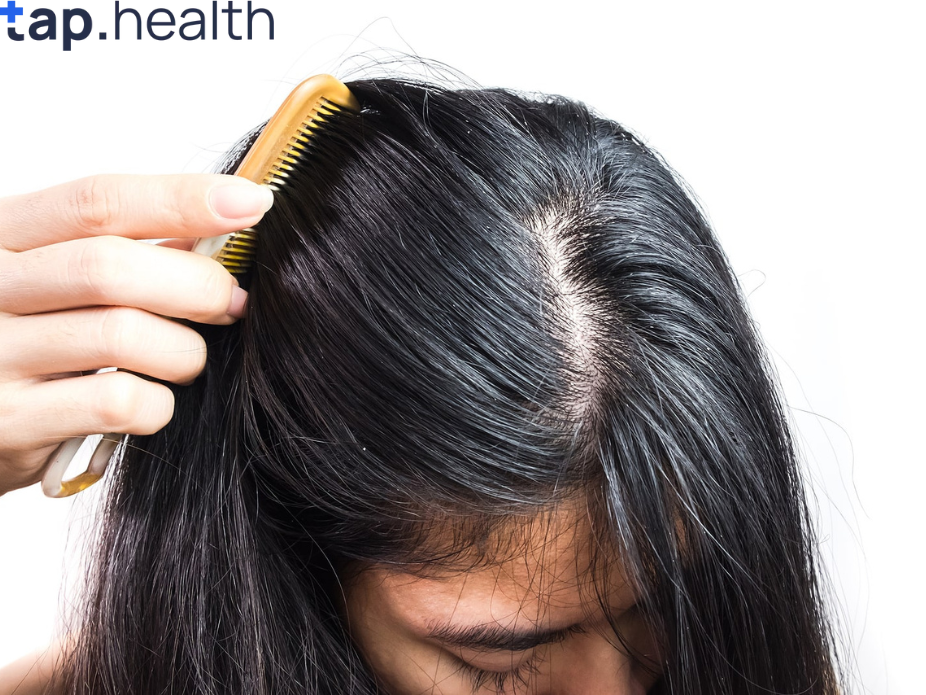
An itchy scalp paired with hair loss can be more than just a nuisance—it might signal underlying issues. But can your lifestyle and diet choices truly affect scalp health? In this comprehensive guide, we’ll explore the connection between lifestyle, diet, and scalp conditions, common causes of itchiness and hair loss, effective treatments, and practical prevention tips. By understanding these factors, you can take proactive steps to maintain a healthy scalp and promote hair growth.

What Causes an Itchy Scalp and Hair Loss?

An itchy scalp accompanied by hair loss can stem from various factors, ranging from minor irritations to serious health conditions. Identifying the root cause is key to finding effective solutions.

Common Causes of Itchy Scalp and Hair Loss

  • Dandruff: This common condition causes flaking and itching. While not directly linked to hair loss, excessive scratching can damage hair follicles, leading to breakage or thinning.
  • Psoriasis: This autoimmune condition results in red, scaly patches on the scalp, causing inflammation and potential hair loss due to weakened follicles.
  • Seborrheic Dermatitis: A chronic form of eczema, it causes greasy, inflamed skin, contributing to itchiness and hair shedding.
  • Fungal Infections: Conditions like ringworm can cause scalp irritation and patchy hair loss.
  • Hormonal Imbalances: Changes in hormone levels, such as those during pregnancy or menopause, can trigger hair thinning and scalp issues.
  • Nutritional Deficiencies: Lack of essential nutrients like iron, zinc, or biotin can weaken hair and irritate the scalp.
  • Autoimmune Disorders: Conditions like alopecia areata can cause sudden hair loss and scalp sensitivity.


How Do Lifestyle and Diet Affect Scalp Health?

Your lifestyle and dietary habits play a significant role in maintaining a healthy scalp. Poor choices can exacerbate scalp issues, while positive changes can promote healing and hair growth.

The Role of Diet in Scalp Health

A balanced diet rich in essential nutrients supports scalp and hair health. Key nutrients include:

  • Biotin: Found in eggs, nuts, and whole grains, biotin strengthens hair follicles.
  • Zinc: Present in seafood, pumpkin seeds, and lentils, zinc helps regulate oil production and reduces inflammation.
  • Omega-3 Fatty Acids: Found in fatty fish like salmon, these healthy fats nourish the scalp and reduce dryness.
  • Iron: Leafy greens and red meat provide iron, which supports oxygen delivery to hair follicles.

Conversely, diets high in processed foods, sugar, or unhealthy fats can increase inflammation, potentially worsening scalp conditions like dandruff or psoriasis.

Lifestyle Factors Impacting Scalp Health

  • Stress: Chronic stress elevates cortisol levels, which can disrupt hair growth cycles and cause scalp inflammation.
  • Sleep: Poor sleep hinders cell repair, affecting scalp and hair health.
  • Hydration: Dehydration can lead to a dry, flaky scalp, increasing itchiness.
  • Exercise: Regular physical activity improves blood circulation, delivering nutrients to the scalp.


How Do Hair Care Practices Influence Scalp Health?

Your daily hair care routine can either support or harm your scalp. Improper practices or harsh products can exacerbate itchiness and hair loss.

Everyday Hair Care Habits

  • Overwashing: Frequent washing strips natural oils, leading to dryness and irritation.
  • Heat Styling: Excessive use of blow dryers or flat irons weakens hair and irritates the scalp.
  • Harsh Brushing: Aggressive brushing can damage hair follicles and cause breakage.
  • Chemical Treatments: Frequent dyeing or perming can irritate the scalp and lead to hair thinning.

The Impact of Hair Products

Many shampoos, conditioners, and styling products contain sulfates, parabens, or alcohol, which can dry out the scalp and cause irritation. Opt for gentle, natural products with ingredients like tea tree oil, aloe vera, or chamomile to soothe the scalp and promote healing.

When Should You Be Concerned About Scalp Issues?

Not all scalp itchiness or hair loss requires immediate concern, but certain symptoms warrant professional attention.

Alarming Symptoms to Watch For

  • Excessive Hair Loss: Losing more than 100–150 strands daily or noticing thinning patches.
  • Sudden Bald Spots: Circular patches of hair loss, which could indicate alopecia areata.
  • Persistent Itching: Severe, unrelenting itchiness that disrupts daily life.
  • Scalp Redness or Pain: Signs of inflammation or infection that don’t improve with over-the-counter treatments.

Medical Conditions Linked to Scalp Problems

Underlying health issues can manifest as scalp problems:

  • Thyroid Disorders: Hypothyroidism or hyperthyroidism can cause hair thinning and scalp dryness.
  • Autoimmune Diseases: Conditions like lupus or alopecia areata attack hair follicles.
  • Infections: Bacterial or fungal infections can cause scalp irritation and hair loss.
  • Nutritional Deficiencies: Low levels of iron, vitamin D, or B vitamins can weaken hair.


Why Is Professional Diagnosis Important?

Self-diagnosing scalp issues can lead to ineffective treatments or worsening symptoms. A professional diagnosis ensures accurate identification of the cause and tailored treatment.

When to Consult a Dermatologist

Seek professional help if:

  • Itchiness or hair loss persists for more than a few weeks.
  • Over-the-counter treatments (e.g., dandruff shampoos) don’t work.
  • You notice unusual symptoms like sores, redness, or significant hair shedding.

The Diagnostic Process

A dermatologist will:

  • Examine your scalp for signs of inflammation, scaling, or infection.
  • Review your medical history, including diet, stress, and medications.
  • Order tests, such as blood work or a scalp biopsy, to identify underlying conditions.


What Are Effective Treatments for Itchy Scalp and Hair Loss?

Treatment depends on the underlying cause but may include a combination of medical and lifestyle approaches.

Medical Treatments

  • Medicated Shampoos: Contain ingredients like ketoconazole, salicylic acid, or coal tar to treat dandruff, psoriasis, or fungal infections.
  • Topical Corticosteroids: Reduce inflammation and itching for conditions like psoriasis or eczema.
  • Oral Medications: Antifungals or hormone-regulating drugs may be prescribed for infections or imbalances.
  • Minoxidil: A topical treatment to stimulate hair regrowth in cases of androgenetic alopecia.

Lifestyle and Home Remedies

  • Dietary Changes: Incorporate nutrient-rich foods to support hair growth.
  • Stress Management: Practice yoga, meditation, or mindfulness to reduce cortisol levels.
  • Gentle Hair Care: Use sulfate-free shampoos and avoid heat styling.
  • Scalp Massage: Improves blood flow and promotes hair follicle health.


How Can You Prevent Scalp Issues and Promote Hair Growth?

Prevention is key to maintaining a healthy scalp and preventing future issues. Incorporate these tips into your routine:

  • Cleanse Regularly: Wash your scalp 2–3 times a week with a gentle shampoo to remove buildup without stripping oils.
  • Exfoliate the Scalp: Use a scalp scrub or clarifying shampoo monthly to remove dead skin cells.
  • Protect from Damage: Wear a hat to shield your scalp from UV rays and avoid tight hairstyles that pull on the scalp.
  • Choose Nourishing Products: Opt for shampoos and conditioners with natural ingredients like tea tree oil or coconut oil.
  • Stay Hydrated: Drink plenty of water to keep your scalp and hair hydrated.
  • Manage Stress: Engage in stress-relieving activities to prevent hormone-related scalp issues.

Conclusion

Lifestyle and diet choices significantly impact scalp health, influencing conditions like itchiness and hair loss. By understanding common causes—such as dandruff, psoriasis, or nutritional deficiencies—and adopting healthy habits, you can improve your scalp’s condition and promote hair growth. Seek professional help for persistent symptoms, and incorporate preventive measures like gentle hair care and a nutrient-rich diet. With the right approach, you can achieve a healthier scalp and stronger, fuller hair.

Tags
diabetes prevention foot health diabetes and sleep fasting blood sugar diabetes misconceptions diabetes medicine safety diabetic neuropathy symptoms diabetic foot ulcer warning signs can diabetics eat mango diabetes itching urinary infection diabetes diabetes slow wound healing metformin side effects diabetes numbness in hands banana for diabetes dates blood sugar jaggery for diabetes is poha good for diabetes guava blood sugar India diabetes diabetes after pregnancy A1C gestational diabetes poor sleep blood sugar HbA1c diabetes symptoms in women diabetes medicines diabetes nerve damage diabetes and blood pressure mango and diabetes dark patches diabetes diabetes stomach problems diabetes wounds metformin safety diabetes tingling hands banana blood sugar papaya for diabetes is jaggery good for diabetes poha blood sugar orange for diabetes sugar spike after rice gestational diabetes India Medicine blood sugar pregnancy diabetes sleep and diabetes diabetes in India women diabetes signs diabetes treatment advice tingling feet diabetes high blood pressure diabetes mango sugar diabetes walking after meals for diabetes diabetic gastroparesis diabetic wound care diabetes ketoacidosis warning signs diabetic neuropathy hands coconut water and diabetes is papaya good for diabetes gur for diabetes sprouts for diabetes can diabetics eat oranges Indian diet diabetes continuous glucose monitor India Health fasting glucose blood sugar pregnancy diabetes and stress diabetes risk factors India diabetes risk women Indian diabetic diet chart diabetes eye disease diabetes heart kidney risk diabetes reversal vs remission post meal walk diabetes diabetes bloating nausea diabetes yeast infection DKA symptoms fasting with diabetes coconut water for diabetes papaya blood sugar watermelon for diabetes are sprouts good for diabetes orange blood sugar glucose spike symptoms CGM cost India Lifestyle A1C test low blood sugar stress blood sugar diabetes prevention India diabetes symptoms in men diabetic meal plan diabetic eye test borderline HbA1c diabetes remission walking lowers blood sugar diabetes sick day rules diabetes fungal infection ketones diabetes diabetes fasting safety can diabetics drink coconut water oats for diabetes can diabetics eat watermelon sprouts blood sugar brown bread for diabetes post meal blood sugar time in range Home remedies diabetes diet hypoglycemia cortisol diabetes best fruits for diabetes men diabetes signs HbA1c test high protein breakfast for diabetes HbA1c 5.7 to 6.4 reverse type 2 diabetes diabetes grocery list India diabetes during illness diabetes vaginal itching diabetes blurry vision can diabetics fast curd for diabetes oatmeal diabetes watermelon blood sugar methi seeds for diabetes bread for diabetes diabetes blood pressure glucometer accuracy Fitness balanced meals diabetes safety diabetes eye care diabetes fruits diabetes risk men HbA1c normal range diabetes breakfast India prediabetes HbA1c diabetes plate method diabetic food list India blood sugar fever infection diabetes night sweats high blood sugar blurry vision insulin injection sites is curd good for diabetes are oats good for diabetes apple for diabetes fenugreek for diabetes whole wheat bread diabetes diabetes heart risk diabetes technology Prevention healthy eating diabetes heart health diabetic retinopathy fruit and blood sugar type 1 diabetes how to lower HbA1c diabetic breakfast ideas post-meal blood sugar Indian diabetes plate foods for diabetes shopping diabetes and alcohol low blood sugar at night diabetes excessive thirst insulin site rotation diabetes curd milk for diabetes can diabetics eat apple methi diabetes avocado for diabetes ABC diabetes CGM vs glucometer India Hygiene why diabetes is considered as a lifestyle disease blood pressure diabetes eye test rice and diabetes type 1 diabetes symptoms fasting sugar normal range PCOS and diabetes blood sugar after food diabetes portion control diabetes kidney tests alcohol blood sugar diabetes diabetes sweating at night diabetes dry mouth insulin lumps tea and coffee in diabetes can diabetics drink milk apple blood sugar cinnamon for diabetes is avocado good for diabetes kidney risk diabetes diabetes reversal myths Ailments lifestyle diabetes cholesterol diabetes kidney care can diabetics eat rice insulin diabetes high fasting blood sugar PCOS insulin resistance postprandial glucose low glycaemic index foods for diabetes urine albumin diabetes can diabetics drink alcohol diabetes headache frequent urination diabetes diabetes weight gain coffee diabetes best milk for diabetes eggs for diabetes cinnamon blood sugar avocado blood sugar blurred vision diabetes HbA1c remission Hindi type 2 diabetes lifestyle disease living with diabetes diabetic kidney disease diabetes diet India prediabetes diet reverse prediabetes naturally PCOS diabetes risk dawn phenomenon diabetes low GI foods India eGFR diabetes diabetes and dizziness high blood sugar headache diabetes fatigue diabetes and weight gain tea diabetes peanuts for diabetes are eggs good for diabetes dalchini for diabetes travelling with diabetes fundus exam diabetes remission vs reversal skin diseases exercise and diabetes diabetes habits kidney tests diabetes morning blood sugar prediabetes food prediabetes reversal gestational diabetes diet Indian morning sugar high diabetes low GI diet diabetes and dental problems dizziness diabetes low blood sugar headache diabetes tiredness insulin weight gain roti for diabetes are peanuts good for diabetes egg diabetes amla for diabetes diabetes travel checklist eye care diabetes vildagliptin acne vulgaris symptoms blood sugar control diabetes management high blood sugar symptoms fasting sugar high lower diabetes risk how to prevent type 2 diabetes pregnancy diabetes diet high fasting sugar in morning diabetes and fatty liver diabetes gum disease low sugar dizziness blood sugar monitoring at home high blood sugar tiredness diabetes swollen feet best roti for diabetes peanuts blood sugar paneer for diabetes amla juice diabetes insulin travel storage diabetic retinopathy symptoms vildagliptin benefits in type 2 diabetes patients AI Search physical activity insulin resistance hyperglycemia symptoms dawn phenomenon diabetes and weight loss insulin resistance diet gestational diabetes meal plan diabetes and cholesterol fatty liver diabetes dry mouth diabetes diabetes leg pain when to check blood sugar diabetes constipation swollen feet diabetes chapati diabetes sweet potato for diabetes is paneer good for diabetes amla blood sugar diabetes hot weather GDM screening DPP-4 inhibitor type 2 diabetes diabetes foot care insulin sensitivity diabetes warning signs diabetes myths weight loss diabetes Indian foods for insulin resistance diabetic foot ulcer diabetes lipid profile insulin resistance fatty liver diabetes urine infection diabetic leg cramps blood glucose monitoring diabetes and constipation diabetes foot swelling can diabetics eat dates can diabetics eat sweet potato paneer diabetes guava for diabetes diabetes dehydration pregnancy blood sugar targets diabetes medicine India prediabetes diabetic foot type 2 diabetes risk normal blood sugar levels diabetes facts insulin resistance weight loss improve insulin sensitivity diabetes foot wound cholesterol in diabetes diabetes skin problems frequent UTI diabetes diabetes nerve pain legs metformin for diabetes constipation diabetes can diabetics eat banana dates for diabetes sweet potato blood sugar poha for diabetes can diabetics eat guava heat and blood sugar postpartum diabetes risk
More blogs
Naimish Mishra
Naimish Mishra
• June 12, 2026
• 2 min read

Pinco Online Kazino 2026 – Pulsuz Dövriyyələr və Promolar

Pinco Online Kazino 2026 – Pulsuz Dövriyyələr və Promolar ▶️ OYNA Содержимое Pinco Online Kazino 2026 – Pulsuz Dövrələr və Promolar Pulsuz Dövrələrın Nəticələri və Kifayəti Pinko online kazino 2026-ci ilin məsuliyyəti ilə birlikdə pulsuz döriyyələr və promolar təmin edir. Pinko promo code və Pinko casino promo code istifadə edərək qazancınızni artırmaq və yaxşı oyunlar […]

Product
can-lifestyle-and-diet-choices-really-impact-scalp-health
K. Siva Jyothi
K. Siva Jyothi
• June 11, 2026
• 13 min read

Vildagliptin for Elderly Type 2 Diabetes Patients: Benefits and Safety Points

Vildagliptin for Elderly Type 2 Diabetes Patients: Benefits and Safety Points Learn benefits, safety, side effects, Indian diet tips, and doctor questions

Diabetes
can-lifestyle-and-diet-choices-really-impact-scalp-health
Naimish Mishra
Naimish Mishra
• June 11, 2026
• 13 min read

Vildagliptin and HbA1c: How It Helps Improve Long-Term Sugar Control

Vildagliptin and HbA1c: How It Helps Improve Long-Term Sugar Control Learn benefits, safety, side effects, Indian diet tips, and doctor questions in simple

Diabetes
can-lifestyle-and-diet-choices-really-impact-scalp-health
Do you remember your last sugar reading?
Log and Track your glucose on the Tap Health App
All logs in one place
Smart trend graphs
Medicine Reminder
100% Ad Free
Download Now

Missed your diabetes meds

again? Not anymore.

Get medicine reminders on your phone.

✓ Glucose diary and Insights
✓ Smart Nudges
✓ All logs at one place
✓ 100% Ad free
Download Free
tap health
tap.health logo
copyright © 2025
2nd Floor,Plot No 4, Minarch Tower,
Sector 44,Gurugram, 122003,
Haryana, India
  • About Us
  • Blog
  • Doctor login
  • Contact Us
  • Privacy Policy
  • Return / Shipping Policy
  • Terms and Conditions
Get Your Free AI Diabetes Coach