tap.health logo
  • Diabetes Management
  • Health Assistant
  • About Us
  • Blog
  • Contact Us
Get Plan
  • Diabetes Management
  • Health Assistant
  • About Us
  • Blog
  • Contact Us
  • All Blogs
  • Product
  • Can Vitamin E Capsule Be Applied on Hair? Benefits, Usage, and Tips

Can Vitamin E Capsule Be Applied on Hair? Benefits, Usage, and Tips

Product
August 7, 2025
• 6 min read
Fashtana Khan
Written by
Fashtana Khan
Nishat Anjum
Reviewed by:
Nishat Anjum
ChatGPT Perplexity WhatsApp LinkedIn X Grok Google AI
Can Vitamin E Capsule Be Applied on Hair? Benefits, Usage, and Tips

Vitamin E is widely recognized for its benefits in skincare, but did you know it can also work wonders for your hair? The vitamin’s antioxidant properties and its ability to support hair health have made it a popular ingredient in many hair care products. But can Vitamin E capsules be applied directly to your hair?

In this blog post, we will explore the benefits of Vitamin E for hair, how to apply it using Vitamin E capsules, and the best practices for incorporating this powerful vitamin into your hair care routine. Whether you’re dealing with dry, damaged hair or simply looking to boost hair growth, Vitamin E might just be the secret ingredient you’ve been searching for.


What Is Vitamin E?

Before we dive into how Vitamin E can benefit your hair, let’s first understand what Vitamin E is and how it works.

What Does Vitamin E Do for Your Body?

Vitamin E is a fat-soluble antioxidant that plays a crucial role in protecting your cells from oxidative stress caused by free radicals. It helps to maintain the health of your skin, eyes, and immune system.

There are eight forms of Vitamin E, but alpha-tocopherol is the most common and active form used in supplements and skincare products.

Benefits of Vitamin E for Hair Health

Vitamin E is essential for maintaining overall scalp and hair health. It nourishes the hair follicles, promotes blood circulation to the scalp, and encourages the growth of healthier hair. Additionally, Vitamin E can protect the hair from environmental damage, UV rays, and pollutants, which can lead to dry, brittle strands.


Can Vitamin E Capsules Be Applied on Hair?

Now that we know how beneficial Vitamin E is for the body, let’s answer the burning question: Can Vitamin E capsules be applied to your hair?

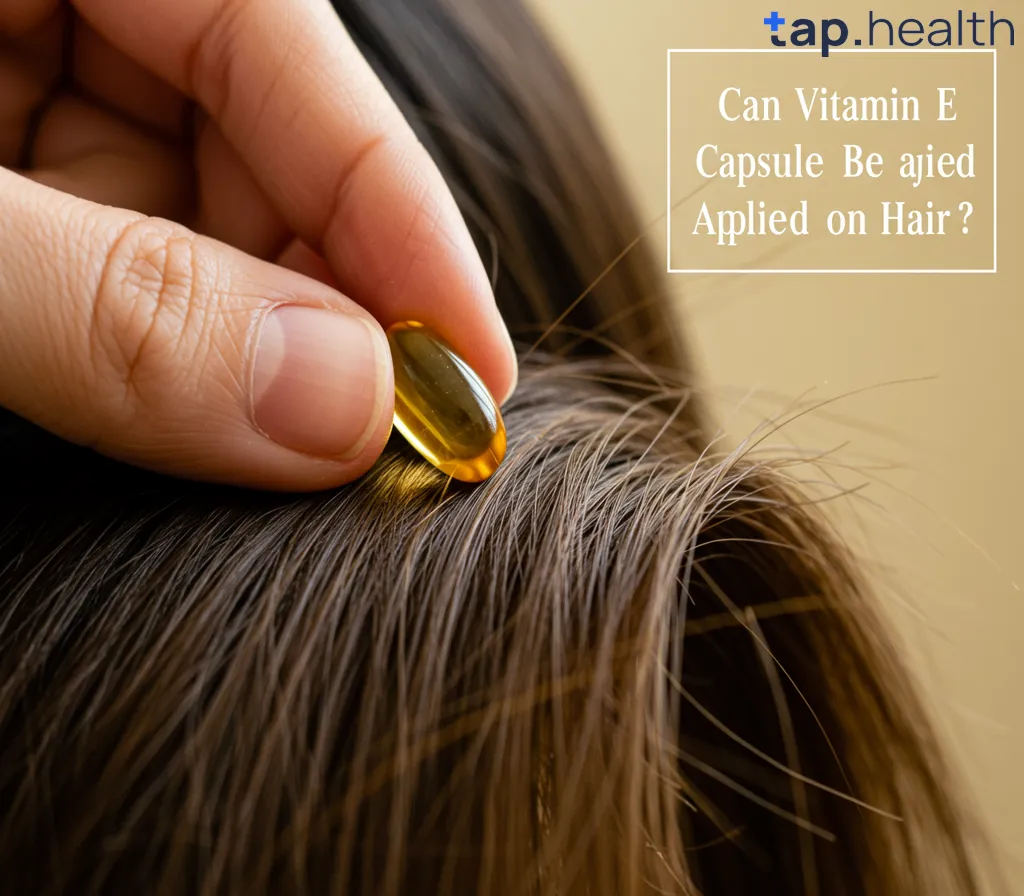
The answer is yes! Vitamin E capsules are an easy and cost-effective way to apply Vitamin E directly to your hair. While Vitamin E is commonly used in the form of oils or creams, the liquid inside Vitamin E capsules can be just as effective for promoting hair health.

How Vitamin E Works on Hair

When applied topically, Vitamin E offers several key benefits for the hair:

  • Moisturizes dry hair: Vitamin E is a natural moisturizer that can help seal moisture into the hair, making it softer and more manageable.
  • Promotes hair growth: Vitamin E increases blood circulation to the scalp, which promotes healthier hair growth and prevents hair loss.
  • Protects against damage: Vitamin E’s antioxidant properties help to prevent environmental damage, such as from UV rays or pollution, which can cause hair to weaken and become brittle.
  • Improves scalp health: Vitamin E nourishes the scalp, which can reduce dandruff and flakiness, promoting a healthier environment for hair growth.

Benefits of Applying Vitamin E on Hair

Applying Vitamin E directly to your hair can provide several benefits. Let’s explore how this powerful vitamin can improve the overall health of your hair.

1. Nourishes and Moisturizes Dry Hair

Dry hair is a common problem that many people face, especially during colder months. Vitamin E can help restore moisture to dry and brittle hair, leaving it feeling soft and hydrated. By sealing moisture into each strand, Vitamin E helps reduce frizz and improves the overall texture of the hair.

2. Promotes Hair Growth

Vitamin E has been shown to improve blood circulation in the scalp, which in turn can promote hair growth. The increased blood flow ensures that hair follicles receive the nutrients they need to grow healthy, strong hair. Vitamin E also helps in the repair of damaged follicles, which is crucial for healthy hair growth.

3. Prevents Hair Damage

The antioxidant properties of Vitamin E help protect the hair from oxidative stress, which is caused by exposure to environmental factors like pollution, UV rays, and harsh chemicals. Applying Vitamin E to your hair can create a protective barrier that shields your strands from damage and prevents premature aging of the hair.

4. Reduces Dandruff and Scalp Issues

If you struggle with dandruff or a dry, itchy scalp, Vitamin E can help soothe and nourish the scalp. Its moisturizing properties help alleviate dryness, while its anti-inflammatory effects can reduce irritation, leading to a healthier scalp environment.

5. Improves Hair Elasticity and Shine

Vitamin E helps to improve the elasticity of the hair, making it less prone to breakage. Regular application of Vitamin E can make your hair shinier and more vibrant by nourishing the cuticle and helping to maintain its natural smoothness.


How to Apply Vitamin E Capsule on Hair

Now that we know the benefits of Vitamin E for hair, let’s discuss how to apply it correctly. You can easily use Vitamin E capsules in your hair care routine. Here’s a simple step-by-step guide on how to do it:

1. Choose the Right Vitamin E Capsule

When selecting Vitamin E capsules, choose those that contain pure Vitamin E. Most Vitamin E capsules come in the form of soft gels that contain a liquid form of the vitamin. These capsules are easy to break open, and the liquid inside is perfect for direct application to your hair and scalp.

2. Prepare Your Hair

Start by washing your hair with a mild shampoo to remove any product buildup and dirt. Clean hair allows the Vitamin E to be absorbed more effectively. After rinsing, towel dry your hair so it’s damp but not soaking wet. This will help the Vitamin E spread evenly.

3. Extract Vitamin E from the Capsule

Use a clean pair of scissors to carefully cut the Vitamin E capsule open. Squeeze out the liquid into a small bowl. Depending on your hair length, you may need to use more than one capsule.

4. Apply Vitamin E to Scalp and Hair

Using your fingers or a small applicator brush, apply the Vitamin E oil directly to your scalp and work it through your hair. Start at the roots and massage it gently into your scalp to stimulate circulation. Then, work the oil down the lengths of your hair, paying special attention to the ends, which tend to be drier and more prone to damage.

5. Leave It In and Wait

For best results, leave the Vitamin E oil on your hair for at least 30 minutes to an hour. You can also wrap your hair in a warm towel or use a shower cap to create heat, which will help the oil penetrate deeper into your scalp and hair.

6. Rinse and Condition

After the waiting period, rinse the Vitamin E oil out of your hair thoroughly with warm water. Follow up with a conditioner to keep your hair soft and hydrated. You may need to shampoo your hair once more if the oil feels heavy.


How Often Should You Apply Vitamin E to Your Hair?

The frequency of application depends on your hair type and goals. Here are some general guidelines:

For Dry or Damaged Hair

If you have dry or damaged hair, applying Vitamin E once a week can help restore moisture and improve hair texture.

For Hair Growth

To promote hair growth, you can apply Vitamin E once or twice a week to stimulate blood flow to the scalp and nourish the hair follicles.

For Scalp Health

If you suffer from a dry or flaky scalp, applying Vitamin E oil once a week can help hydrate and soothe irritation.


Are There Any Risks or Side Effects of Applying Vitamin E on Hair?

Although Vitamin E is generally safe to use on hair, there are a few potential side effects to be aware of:

1. Allergic Reaction

Some people may be allergic to Vitamin E or its ingredients. If you experience redness, itching, or swelling after applying Vitamin E to your scalp or hair, stop using it immediately and wash your hair thoroughly.

2. Greasy Residue

Vitamin E oil is rich and thick, which means it can leave your hair feeling greasy if you apply too much. Be sure to use only a small amount and adjust according to your hair type.

3. Clogged Pores

For those with oily or acne-prone skin, using Vitamin E on the scalp may cause clogged pores or folliculitis. If you notice acne or pimples on your scalp, consider reducing the frequency of application or switching to a lighter Vitamin E product.


FAQ: Can Vitamin E Capsule Be Applied on Hair?

1. Can I apply Vitamin E capsule on my hair every day?

It’s best to apply Vitamin E on your hair once or twice a week, depending on your hair type and needs. Overuse could lead to greasy hair or clogged pores.

2. How long should I leave Vitamin E oil in my hair?

Leave the Vitamin E oil in your hair for 30 minutes to an hour for optimal results. For deeper conditioning, you can leave it on overnight, but ensure you cover your hair with a towel or shower cap.

3. Can Vitamin E oil help with hair thinning?

Yes, Vitamin E may help with hair thinning by improving blood circulation to the scalp, nourishing the hair follicles, and promoting healthier hair growth.

4. What’s the difference between Vitamin E oil and capsules for hair?

Vitamin E capsules contain the same liquid form of Vitamin E as in oils and can be just as effective. Capsules are a convenient and affordable way to apply the vitamin directly to your hair.

5. Can Vitamin E cause hair loss?

No, Vitamin E is generally beneficial for hair health. However, if you have a sensitivity to the oil, it might lead to irritation or clogged pores, which could affect hair growth.


Conclusion

Applying Vitamin E capsules on your hair can provide a range of benefits, including improved hydration, hair growth, and scalp health. Whether you’re dealing with dry hair, dandruff, or thinning hair, Vitamin E is a great addition to your hair care routine.

Just be sure to use it in moderation, start slowly, and watch for any signs of irritation. By incorporating Vitamin E into your hair care routine correctly, you can enjoy healthier, shinier, and stronger hair in no time.

Tags
diabetes prevention foot health diabetes and sleep fasting blood sugar diabetes misconceptions diabetes medicine safety diabetic neuropathy symptoms diabetic foot ulcer warning signs can diabetics eat mango diabetes itching urinary infection diabetes diabetes slow wound healing metformin side effects diabetes numbness in hands banana for diabetes dates blood sugar jaggery for diabetes is poha good for diabetes guava blood sugar India diabetes diabetes after pregnancy type 1 and type 2 diabetes difference lipid profile diabetes diabetes vs MODY menopause blood sugar insulin fridge temperature diabetes muscle weakness A1C gestational diabetes poor sleep blood sugar HbA1c diabetes symptoms in women diabetes medicines diabetes nerve damage diabetes and blood pressure mango and diabetes dark patches diabetes diabetes stomach problems diabetes wounds metformin safety diabetes tingling hands banana blood sugar papaya for diabetes is jaggery good for diabetes poha blood sugar orange for diabetes sugar spike after rice gestational diabetes India difference between type 1 and type 2 diabetes diabetes vs neuropathy MODY diabetes symptoms type 2 diabetes menopause glucometer errors sarcopenia diabetes Medicine blood sugar pregnancy diabetes sleep and diabetes diabetes in India women diabetes signs diabetes treatment advice tingling feet diabetes high blood pressure diabetes mango sugar diabetes walking after meals for diabetes diabetic gastroparesis diabetic wound care diabetes ketoacidosis warning signs diabetic neuropathy hands coconut water and diabetes is papaya good for diabetes gur for diabetes sprouts for diabetes can diabetics eat oranges Indian diet diabetes continuous glucose monitor India diabetes vs diabetes insipidus diabetes vs heart disease maturity onset diabetes of the young diabetes and frozen shoulder wrong blood sugar reading Health fasting glucose blood sugar pregnancy diabetes and stress diabetes risk factors India diabetes risk women Indian diabetic diet chart diabetes eye disease diabetes heart kidney risk diabetes reversal vs remission post meal walk diabetes diabetes bloating nausea diabetes yeast infection DKA symptoms fasting with diabetes coconut water for diabetes papaya blood sugar watermelon for diabetes are sprouts good for diabetes orange blood sugar glucose spike symptoms CGM cost India diabetes mellitus vs diabetes insipidus diabetes heart disease risk continuous glucose monitor diabetes frozen shoulder diabetes reactive hypoglycaemia Lifestyle A1C test low blood sugar stress blood sugar diabetes prevention India diabetes symptoms in men diabetic meal plan diabetic eye test borderline HbA1c diabetes remission walking lowers blood sugar diabetes sick day rules diabetes fungal infection ketones diabetes diabetes fasting safety can diabetics drink coconut water oats for diabetes can diabetics eat watermelon sprouts blood sugar brown bread for diabetes post meal blood sugar time in range diabetes insipidus symptoms diabetes and heart attack CGM diabetes diabetic shoulder pain low blood sugar after eating Home remedies diabetes diet hypoglycemia cortisol diabetes best fruits for diabetes men diabetes signs HbA1c test high protein breakfast for diabetes HbA1c 5.7 to 6.4 reverse type 2 diabetes diabetes grocery list India diabetes during illness diabetes vaginal itching diabetes blurry vision can diabetics fast curd for diabetes oatmeal diabetes watermelon blood sugar methi seeds for diabetes bread for diabetes diabetes blood pressure glucometer accuracy diabetes vs metabolic syndrome gestational diabetes vs type 2 diabetes continuous glucose monitoring metformin vitamin B12 deficiency postprandial hypoglycaemia Fitness balanced meals diabetes safety diabetes eye care diabetes fruits diabetes risk men HbA1c normal range diabetes breakfast India prediabetes HbA1c diabetes plate method diabetic food list India blood sugar fever infection diabetes night sweats high blood sugar blurry vision insulin injection sites is curd good for diabetes are oats good for diabetes apple for diabetes fenugreek for diabetes whole wheat bread diabetes diabetes heart risk diabetes technology metabolic syndrome and diabetes pregnancy diabetes and type 2 diabetes steroid induced diabetes metformin B12 symptoms type 3c diabetes Prevention healthy eating diabetes heart health diabetic retinopathy fruit and blood sugar type 1 diabetes how to lower HbA1c diabetic breakfast ideas post-meal blood sugar Indian diabetes plate foods for diabetes shopping diabetes and alcohol low blood sugar at night diabetes excessive thirst insulin site rotation diabetes curd milk for diabetes can diabetics eat apple methi diabetes avocado for diabetes ABC diabetes CGM vs glucometer India metabolic syndrome symptoms gestational diabetes future risk steroid diabetes symptoms vitamin B12 test metformin pancreatogenic diabetes Hygiene why diabetes is considered as a lifestyle disease blood pressure diabetes eye test rice and diabetes type 1 diabetes symptoms fasting sugar normal range PCOS and diabetes blood sugar after food diabetes portion control diabetes kidney tests alcohol blood sugar diabetes diabetes sweating at night diabetes dry mouth insulin lumps tea and coffee in diabetes can diabetics drink milk apple blood sugar cinnamon for diabetes is avocado good for diabetes kidney risk diabetes diabetes reversal myths diabetes vs thyroid diabetes vs anaemia steroids high blood sugar diabetes distress diabetes caused by pancreas disease Ailments lifestyle diabetes cholesterol diabetes kidney care can diabetics eat rice insulin diabetes high fasting blood sugar PCOS insulin resistance postprandial glucose low glycaemic index foods for diabetes urine albumin diabetes can diabetics drink alcohol diabetes headache frequent urination diabetes diabetes weight gain coffee diabetes best milk for diabetes eggs for diabetes cinnamon blood sugar avocado blood sugar blurred vision diabetes HbA1c remission diabetes and thyroid disease diabetes fatigue or anaemia diabetes and hair loss diabetes burnout diabetes and bone health Hindi type 2 diabetes lifestyle disease living with diabetes diabetic kidney disease diabetes diet India prediabetes diet reverse prediabetes naturally PCOS diabetes risk dawn phenomenon diabetes low GI foods India eGFR diabetes diabetes and dizziness high blood sugar headache diabetes fatigue diabetes and weight gain tea diabetes peanuts for diabetes are eggs good for diabetes dalchini for diabetes travelling with diabetes fundus exam diabetes remission vs reversal thyroid blood sugar anaemia diabetes symptoms diabetes hair loss causes diabetes burnout symptoms diabetes osteoporosis skin diseases exercise and diabetes diabetes habits kidney tests diabetes morning blood sugar prediabetes food prediabetes reversal gestational diabetes diet Indian morning sugar high diabetes low GI diet diabetes and dental problems dizziness diabetes low blood sugar headache diabetes tiredness insulin weight gain roti for diabetes are peanuts good for diabetes egg diabetes amla for diabetes diabetes travel checklist eye care diabetes vildagliptin diabetes vs PCOS diabetes vs Cushing syndrome hair fall in diabetes diabetes depression anxiety diabetes fracture risk acne vulgaris symptoms blood sugar control diabetes management high blood sugar symptoms fasting sugar high lower diabetes risk how to prevent type 2 diabetes pregnancy diabetes diet high fasting sugar in morning diabetes and fatty liver diabetes gum disease low sugar dizziness blood sugar monitoring at home high blood sugar tiredness diabetes swollen feet best roti for diabetes peanuts blood sugar paneer for diabetes amla juice diabetes insulin travel storage diabetic retinopathy symptoms vildagliptin benefits in type 2 diabetes patients diabetes vs hypertension Cushing syndrome blood sugar diabetes and erectile dysfunction diabetes and depression diabetes and cataracts AI Search physical activity insulin resistance hyperglycemia symptoms dawn phenomenon diabetes and weight loss insulin resistance diet gestational diabetes meal plan diabetes and cholesterol fatty liver diabetes dry mouth diabetes diabetes leg pain when to check blood sugar diabetes constipation swollen feet diabetes chapati diabetes sweet potato for diabetes is paneer good for diabetes amla blood sugar diabetes hot weather GDM screening DPP-4 inhibitor diabetes and hypertension diabetes vs LADA erectile dysfunction diabetes diabetes anxiety symptoms diabetic cataract symptoms type 2 diabetes diabetes foot care insulin sensitivity diabetes warning signs diabetes myths weight loss diabetes Indian foods for insulin resistance diabetic foot ulcer diabetes lipid profile insulin resistance fatty liver diabetes urine infection diabetic leg cramps blood glucose monitoring diabetes and constipation diabetes foot swelling can diabetics eat dates can diabetics eat sweet potato paneer diabetes guava for diabetes diabetes dehydration pregnancy blood sugar targets diabetes medicine India blood sugar vs blood pressure LADA diabetes symptoms ED in diabetic men how to store insulin cataract surgery diabetes prediabetes diabetic foot type 2 diabetes risk normal blood sugar levels diabetes facts insulin resistance weight loss improve insulin sensitivity diabetes foot wound cholesterol in diabetes diabetes skin problems frequent UTI diabetes diabetes nerve pain legs metformin for diabetes constipation diabetes can diabetics eat banana dates for diabetes sweet potato blood sugar poha for diabetes can diabetics eat guava heat and blood sugar postpartum diabetes risk type 1 vs type 2 diabetes diabetes vs high cholesterol latent autoimmune diabetes in adults diabetes and menopause insulin storage at home diabetes and muscle loss
More blogs
Shalu Raghav
Shalu Raghav
• June 23, 2026
• 19 min read

Diabetes and Cataracts: Early Symptoms, Eye Tests, Surgery, Recovery, and Prevention

A detailed guide to cataracts in diabetes, including blurry vision, glare, eye examination, surgery planning, glucose control, recovery, and prevention.

Diabetes
Can Vitamin E Capsule Be Applied on Hair? Benefits, Usage, and Tips
Neha Sharma
Neha Sharma
• June 23, 2026
• 19 min read

Type 3c Diabetes: Pancreas Causes, Symptoms, Diagnosis, Treatment, and Nutrition

A clear guide to type 3c diabetes caused by pancreatic disease, including symptoms, digestive problems, tests, insulin, enzymes, and nutrition.

Diabetes
Can Vitamin E Capsule Be Applied on Hair? Benefits, Usage, and Tips
Naimish Mishra
Naimish Mishra
• June 23, 2026
• 19 min read

Steroid-Induced Diabetes: Symptoms, Blood Sugar Tests, Risk Factors, Treatment, and Recovery

A detailed guide to steroid-induced diabetes, covering medicines, symptoms, glucose patterns, testing, treatment, and whether sugar returns to normal.

Diabetes
Can Vitamin E Capsule Be Applied on Hair? Benefits, Usage, and Tips
Do you remember your last sugar reading?
Log and Track your glucose on the Tap Health App
All logs in one place
Smart trend graphs
Medicine Reminder
100% Ad Free
Download Now

Missed your diabetes meds

again? Not anymore.

Get medicine reminders on your phone.

✓ Glucose diary and Insights
✓ Smart Nudges
✓ All logs at one place
✓ 100% Ad free
Download Free
tap health
tap.health logo
copyright © 2025
2nd Floor,Plot No 4, Minarch Tower,
Sector 44,Gurugram, 122003,
Haryana, India
  • About Us
  • Blog
  • Doctor login
  • Contact Us
  • Privacy Policy
  • Return / Shipping Policy
  • Terms and Conditions
Get Your Free AI Diabetes Coach