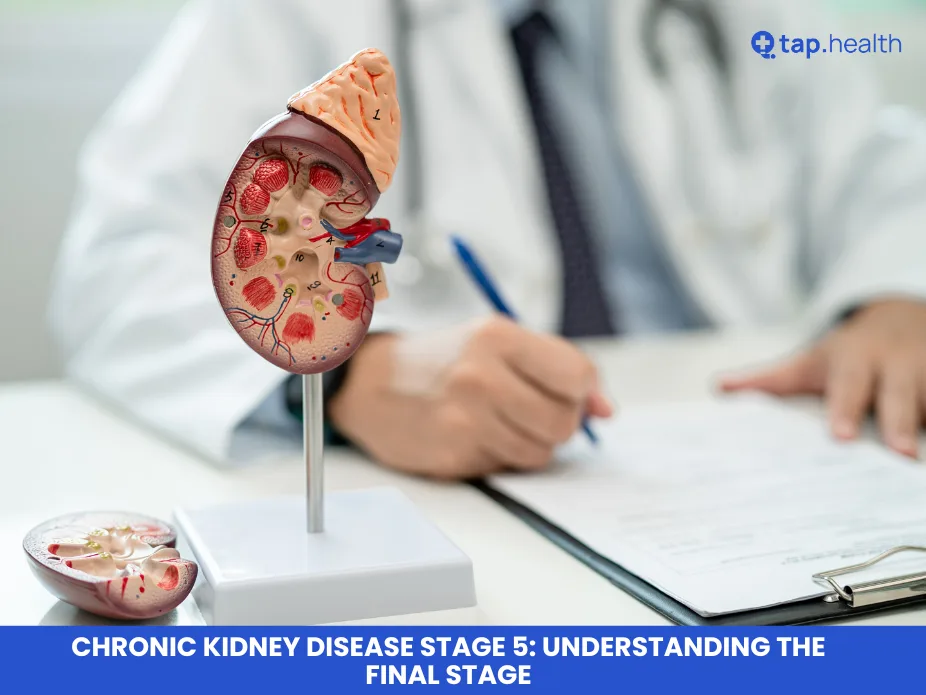
Chronic Kidney Disease (CKD) is a serious condition that can lead to significant health complications, particularly when it reaches its most advanced stage—Stage 5. Often referred to as end-stage renal disease (ESRD), Stage 5 CKD represents a critical point in kidney function and requires immediate and comprehensive medical intervention. In this article, we will delve into what CKD Stage 5 is, its symptoms, causes, diagnosis, treatment options, and the impact it has on daily life.
What is Chronic Kidney Disease?
Chronic Kidney Disease is a progressive loss of kidney function over time. The kidneys are responsible for filtering waste products and excess fluids from the blood, regulating electrolytes, and maintaining overall body homeostasis. When they become damaged, waste can accumulate in the body, leading to a range of health issues.
Stages of Chronic Kidney Disease
CKD is classified into five stages based on the severity of kidney damage and the glomerular filtration rate (GFR):
- Stage 1: Mild kidney damage with normal or increased GFR (90 or higher).
- Stage 2: Mild reduction in GFR (60-89).
- Stage 3: Moderate reduction in GFR (30-59).
- Stage 4: Severe reduction in GFR (15-29).
- Stage 5: End-stage renal disease with GFR of less than 15.
What is Chronic Kidney Disease Stage 5?
Definition and Characteristics
Chronic Kidney Disease Stage 5, or end-stage renal disease (ESRD), is characterized by a significant loss of kidney function, where the kidneys are functioning at less than 15% of their normal capacity. At this stage, the kidneys can no longer effectively filter waste products from the blood, leading to a dangerous buildup of toxins and fluids in the body.
Key Indicators
- GFR: A GFR of less than 15 mL/min/1.73 m² indicates severe kidney failure.
- Kidney Function: The kidneys are unable to maintain homeostasis, resulting in metabolic imbalances.
- Need for Renal Replacement Therapy: Patients typically require dialysis or a kidney transplant to survive.
Symptoms of CKD Stage 5
Patients in Stage 5 CKD often experience a wide range of symptoms, reflecting the accumulation of waste products and fluid overload. Common symptoms include:
- Fatigue and Weakness: Constant tiredness can significantly affect daily activities.
- Fluid Retention: Swelling in the legs, ankles, and around the eyes due to fluid imbalance.
- Nausea and Vomiting: Resulting from the buildup of waste products in the bloodstream.
- Loss of Appetite: Often accompanied by a metallic taste in the mouth.
- Changes in Urine Output: Such as decreased urine production or no urine at all.
- Muscle Cramps and Itching: Due to electrolyte imbalances and waste accumulation.
- Shortness of Breath: Caused by fluid buildup in the lungs.
- Changes in Skin Color: Increased pigmentation or pallor due to anemia.
Impact on Daily Life
The symptoms of CKD Stage 5 can severely impact a person’s quality of life:
- Physical Limitations: The fatigue and weakness associated with the disease can hinder everyday activities and diminish overall mobility.
- Dietary Restrictions: Patients must adhere to strict dietary guidelines, including limiting sodium, potassium, and phosphorus intake, which can complicate social eating and meal planning.
- Emotional and Psychological Effects: Living with CKD can lead to anxiety, depression, and a reduced quality of life due to the chronic nature of the disease and the need for ongoing treatment.
Diagnosis of CKD Stage 5
Diagnosing CKD Stage 5 involves a combination of tests and evaluations:
- Blood Tests: To measure levels of creatinine and urea, indicating kidney function.
- Urine Tests: To check for abnormalities that suggest kidney failure.
- Imaging Tests: Such as ultrasounds, to assess the structure and size of the kidneys.
- Kidney Biopsy: In some cases, a biopsy may be performed to determine the extent of kidney damage and the underlying cause.
Treatment Options for CKD Stage 5
Treatment for Stage 5 CKD focuses on replacing lost kidney function and managing symptoms. The main options include:
1. Dialysis
Dialysis is a common treatment that artificially removes waste and excess fluids from the blood. There are two main types:
- Hemodialysis: This involves filtering blood through a machine, typically done at a dialysis center or at home.
- Peritoneal Dialysis: This method uses the lining of the abdomen to filter blood and is generally performed at home.
2. Kidney Transplant
A kidney transplant involves placing a healthy kidney from a donor into the patient. This option can eliminate the need for dialysis if successful.
3. Conservative Care
For patients who opt not to undergo dialysis or transplantation, conservative care focuses on managing symptoms and maintaining quality of life through medications and lifestyle adjustments.
4. Medications
Medications are used to manage complications such as anemia, high blood pressure, and bone disease associated with CKD.
5. Dietary Management
Patients must follow strict dietary guidelines to control protein, sodium, potassium, and phosphorus intake, which can help manage symptoms and prevent further complications.
6. Regular Monitoring
Frequent check-ups and blood tests are necessary to monitor kidney function and adjust treatment as needed.
Long-term Prognosis
The long-term prognosis for patients with CKD Stage 5 varies based on several factors, including age, overall health, and adherence to treatment plans. Without treatment, Stage 5 CKD is life-threatening, but with appropriate management, patients can live for several years.
Survival and Quality of Life
Studies indicate that patients who undergo dialysis or receive a kidney transplant can significantly improve their survival rates and quality of life. The effectiveness of treatment options, along with patient adherence to prescribed regimens, plays a crucial role in the long-term outlook.
Comorbidities
The presence of other health conditions, such as diabetes or heart disease, can significantly impact the overall prognosis and complicate treatment.
Conclusion
Chronic Kidney Disease Stage 5 is a critical condition that requires comprehensive management to maintain quality of life and prolong survival. While it presents significant challenges, advancements in treatment options and supportive care have improved outcomes for many patients. Understanding CKD Stage 5, its symptoms, and available treatments can empower patients and their families to make informed decisions about their health journey.
Frequently Asked Questions (FAQ) on Chronic Kidney Disease Stage 5: Understanding the Final Stage
Q1: What is the life expectancy for someone with Stage 5 CKD?
A1: Life expectancy can vary widely based on factors such as age, overall health, and treatment adherence. Patients on dialysis may live for several years, while those who receive a transplant may have a better prognosis.
Q2: Can Stage 5 CKD be managed without dialysis?
A2: Some patients may choose conservative care to manage symptoms without dialysis, but this often leads to a shorter life expectancy.
Q3: What lifestyle changes can help manage CKD Stage 5?
A3: Adopting a balanced diet, staying hydrated, engaging in moderate exercise, and avoiding smoking can help manage symptoms and improve overall health.
Q4: Are there support groups for individuals with CKD?
A4: Yes, many organizations offer support and resources for individuals living with CKD. Local hospitals and kidney foundations often provide information on support groups.Understanding Chronic Kidney Disease Stage 5 is essential for patients, caregivers, and healthcare providers.
With the right support and treatment, individuals can navigate this challenging journey and maintain a better quality of life.
Reliable Resources on Chronic Kidney Disease
- National Kidney Foundation (NKF):
- Chronic Kidney Disease
- This resource offers detailed information on the stages of CKD, symptoms, treatments, and lifestyle changes.
- Centers for Disease Control and Prevention (CDC):
- Chronic Kidney Disease
- The CDC provides an overview of CKD, risk factors, prevention strategies, and national statistics.