tap.health logo
  • Diabetes Management
  • Health Assistant
  • About Us
  • Blog
  • Contact Us
Get Plan
  • Diabetes Management
  • Health Assistant
  • About Us
  • Blog
  • Contact Us
  • All Blogs
  • Product
  • Consulting a Healthcare Professional for Aceclofenac and Paracetamol

Consulting a Healthcare Professional for Aceclofenac and Paracetamol

Product
March 4, 2024
• 4 min read
Tap Health
Written by
Tap Health
ChatGPT Perplexity WhatsApp LinkedIn X Grok Google AI
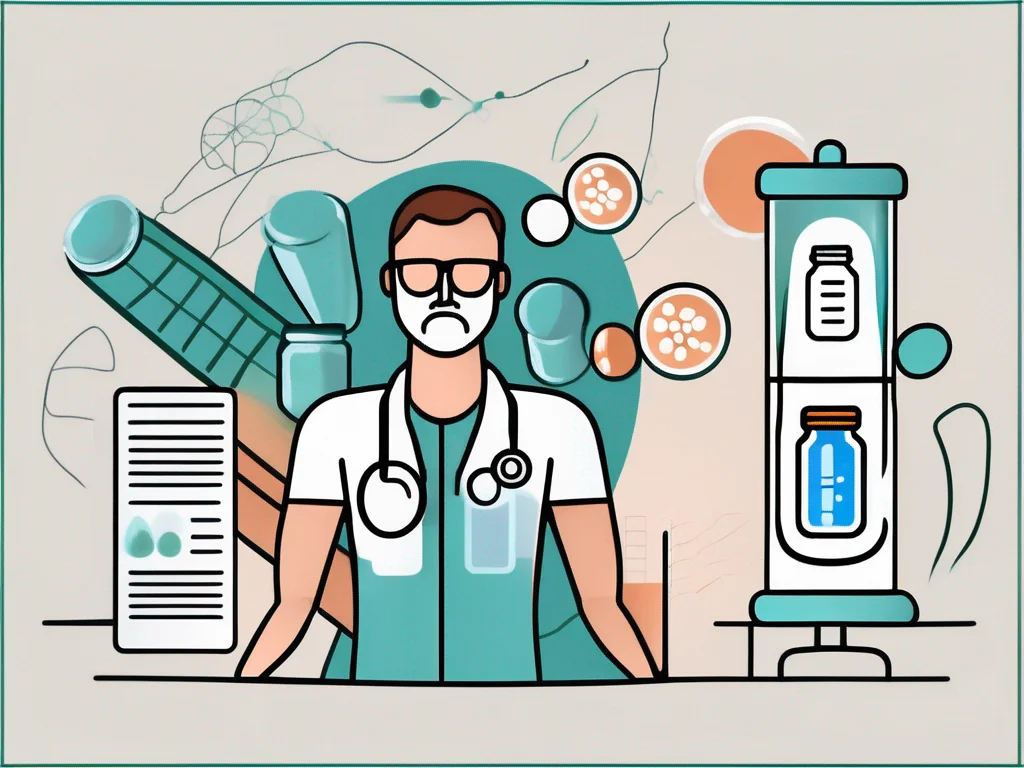
Aceclofenac and paracetamol tablets along with symbolic representations of their possible side effects

Aceclofenac and Paracetamol tablets are widely used for managing pain and inflammation. This powerful combination of a nonsteroidal anti-inflammatory drug (NSAID) and an analgesic offers effective relief for conditions like arthritis, musculoskeletal disorders, and more. However, proper use requires understanding their benefits, dosage, side effects, and precautions. Consulting a healthcare professional is essential for safe and effective treatment. In this blog, we’ll answer key questions about Aceclofenac and Paracetamol, including their uses, administration, and potential risks, in a concise question-and-answer format.

What Are Aceclofenac and Paracetamol Tablets?

Q: What is the composition of Aceclofenac and Paracetamol tablets?
Aceclofenac is an NSAID that reduces pain and inflammation by inhibiting prostaglandin production, while Paracetamol, an analgesic, targets pain centrally. Together, they provide synergistic relief for various painful conditions.

Q: How do Aceclofenac and Paracetamol work together?
Aceclofenac targets inflammation at the injury site by inhibiting the COX-2 enzyme, while Paracetamol acts on the central nervous system to relieve pain. This dual mechanism ensures comprehensive pain and swelling management.

Q: Why is this combination preferred for pain management?
The combination enhances pain relief while allowing lower doses of each drug, reducing the risk of side effects. It’s effective for mild to moderate pain, particularly in chronic conditions like arthritis.

What Are the Uses of Aceclofenac and Paracetamol Tablets?

Q: What conditions are treated with Aceclofenac and Paracetamol?
These tablets are indicated for:

  • Osteoarthritis: Relieves joint pain and improves mobility.
  • Rheumatoid arthritis: Reduces joint pain, swelling, and stiffness.
  • Musculoskeletal disorders: Manages pain from sprains, strains, or sports injuries.

Q: Are there off-label uses for these tablets?
Yes, healthcare professionals may prescribe them for dental pain, postoperative pain, or acute gout attacks. However, off-label use should only be pursued under medical supervision to ensure safety.

Q: How do these tablets relieve pain and inflammation?
By reducing prostaglandin levels, Aceclofenac and Paracetamol alleviate pain and swelling, addressing both the symptoms and underlying inflammation.

What Is the Correct Dosage and Administration?

Q: How is the dosage of Aceclofenac and Paracetamol determined?
Dosage depends on factors like the patient’s age, weight, pain severity, and medical history. A healthcare professional tailors the dose to minimize risks and optimize results.

Q: How should these tablets be taken?
Take the tablets orally with water, with or without food. Swallow them whole, avoiding crushing or chewing, to ensure proper absorption. Stay hydrated to support kidney function.

Q: What precautions should be taken during treatment?
Follow the prescribed dose and duration to avoid side effects like gastrointestinal issues or kidney damage. Store tablets in a cool, dry place away from sunlight.

What Are the Side Effects of Aceclofenac and Paracetamol?

Q: What are common side effects of these tablets?
Common side effects include:

  • Gastrointestinal issues (nausea, abdominal pain, indigestion).
  • Headache or dizziness.
  • Allergic reactions (skin rashes, itching).
    Consult a doctor if these persist or worsen.

Q: Are there serious risks associated with these tablets?
Long-term or high-dose use may lead to gastrointestinal bleeding, liver damage, or kidney issues. Patients with pre-existing conditions like ulcers or liver disease require close monitoring.

Q: Who should avoid Aceclofenac and Paracetamol?
Patients with a history of gastrointestinal ulcers, kidney or liver disease, or drug allergies should consult a doctor before use. Always disclose medical history to your healthcare provider.

What Drug Interactions Should You Be Aware Of?

Q: Can Aceclofenac and Paracetamol interact with other medications?
Yes, potential interactions include:

  • Anticoagulants: Increased bleeding risk.
  • Diuretics: May cause fluid retention or edema.
  • Antihypertensives: Reduced effectiveness of blood pressure medications.

Q: How can harmful drug interactions be avoided?
Inform your healthcare provider about all medications, including prescription, over-the-counter, and supplements. They may adjust your treatment plan or recommend alternatives.

Q: Why is it important to monitor drug interactions?
Interactions can reduce the effectiveness of medications or increase the risk of side effects, potentially leading to serious health complications.

When Should You Use Aceclofenac and Paracetamol Tablets?

Q: When are these tablets most effective?
Use them when pain or inflammation significantly impacts daily activities, such as in arthritis or injury-related discomfort. Follow your doctor’s guidance on duration and frequency.

Q: Can these tablets be used for long-term pain management?
They are typically prescribed for short-term use to minimize risks. Long-term use requires regular monitoring by a healthcare professional to prevent adverse effects.

Q: When should you avoid self-medicating with these tablets?
Avoid self-medication, especially for unapproved uses or chronic conditions, as improper use can lead to serious side effects. Always consult a doctor first.

Why Is Consulting a Healthcare Professional Essential?

Q: Why should you consult a doctor before using Aceclofenac and Paracetamol?
A healthcare professional evaluates your medical history, current medications, and condition to provide personalized dosage and safety recommendations, minimizing risks.

Q: How does a doctor ensure safe use of these tablets?
They consider factors like renal and hepatic function, allergies, and concomitant medications to tailor treatment and monitor for potential complications.

Q: What should you discuss with your healthcare provider?
Share details about your medical history, current medications, allergies, and symptoms to help your doctor make informed treatment decisions.

Conclusion

Aceclofenac and Paracetamol tablets are an effective solution for managing pain and inflammation in conditions like osteoarthritis, rheumatoid arthritis, and musculoskeletal disorders. Their synergistic action provides comprehensive relief, but proper use is critical to avoid side effects and drug interactions. By understanding the correct dosage, administration guidelines, and potential risks, patients can maximize the benefits of this medication. Most importantly, consulting a healthcare professional ensures safe and personalized treatment, helping you achieve better pain relief and an improved quality of life.

Tags
A1C test diabetes heart health diabetic retinopathy fruit and blood sugar type 1 diabetes how to lower HbA1c diabetic breakfast ideas post-meal blood sugar Indian diabetes plate foods for diabetes shopping diabetes and alcohol low blood sugar at night diabetes excessive thirst insulin site rotation diabetes curd milk for diabetes why diabetes is considered as a lifestyle disease blood pressure diabetes eye test rice and diabetes type 1 diabetes symptoms fasting sugar normal range PCOS and diabetes blood sugar after food diabetes portion control diabetes kidney tests alcohol blood sugar diabetes diabetes sweating at night diabetes dry mouth insulin lumps tea and coffee in diabetes can diabetics drink milk Medicine lifestyle diabetes cholesterol diabetes kidney care can diabetics eat rice insulin diabetes high fasting blood sugar PCOS insulin resistance postprandial glucose low glycaemic index foods for diabetes urine albumin diabetes can diabetics drink alcohol diabetes headache frequent urination diabetes diabetes weight gain coffee diabetes best milk for diabetes Health type 2 diabetes lifestyle disease living with diabetes diabetic kidney disease diabetes diet India prediabetes diet reverse prediabetes naturally PCOS diabetes risk dawn phenomenon diabetes low GI foods India eGFR diabetes diabetes and dizziness high blood sugar headache diabetes fatigue diabetes and weight gain tea diabetes peanuts for diabetes Lifestyle exercise and diabetes diabetes habits kidney tests diabetes morning blood sugar prediabetes food prediabetes reversal gestational diabetes diet Indian morning sugar high diabetes low GI diet diabetes and dental problems dizziness diabetes low blood sugar headache diabetes tiredness insulin weight gain roti for diabetes are peanuts good for diabetes Home remedies blood sugar control diabetes management high blood sugar symptoms fasting sugar high lower diabetes risk how to prevent type 2 diabetes pregnancy diabetes diet high fasting sugar in morning diabetes and fatty liver diabetes gum disease low sugar dizziness blood sugar monitoring at home high blood sugar tiredness diabetes swollen feet best roti for diabetes peanuts blood sugar Fitness physical activity insulin resistance hyperglycemia symptoms dawn phenomenon diabetes and weight loss insulin resistance diet gestational diabetes meal plan diabetes and cholesterol fatty liver diabetes dry mouth diabetes diabetes leg pain when to check blood sugar diabetes constipation swollen feet diabetes chapati diabetes sweet potato for diabetes Prevention diabetes foot care insulin sensitivity diabetes warning signs diabetes myths weight loss diabetes Indian foods for insulin resistance diabetic foot ulcer diabetes lipid profile insulin resistance fatty liver diabetes urine infection diabetic leg cramps blood glucose monitoring diabetes and constipation diabetes foot swelling can diabetics eat dates can diabetics eat sweet potato Hygiene diabetic foot type 2 diabetes risk normal blood sugar levels diabetes facts insulin resistance weight loss improve insulin sensitivity diabetes foot wound cholesterol in diabetes diabetes skin problems frequent UTI diabetes diabetes nerve pain legs metformin for diabetes constipation diabetes can diabetics eat banana dates for diabetes sweet potato blood sugar Ailments foot health diabetes and sleep fasting blood sugar diabetes misconceptions diabetes medicine safety diabetic neuropathy symptoms diabetic foot ulcer warning signs can diabetics eat mango diabetes itching urinary infection diabetes diabetes slow wound healing metformin side effects diabetes numbness in hands banana for diabetes dates blood sugar jaggery for diabetes Hindi gestational diabetes poor sleep blood sugar HbA1c diabetes symptoms in women diabetes medicines diabetes nerve damage diabetes and blood pressure mango and diabetes dark patches diabetes diabetes stomach problems diabetes wounds metformin safety diabetes tingling hands banana blood sugar papaya for diabetes is jaggery good for diabetes skin diseases pregnancy diabetes sleep and diabetes diabetes in India women diabetes signs diabetes treatment advice tingling feet diabetes high blood pressure diabetes mango sugar diabetes walking after meals for diabetes diabetic gastroparesis diabetic wound care diabetes ketoacidosis warning signs diabetic neuropathy hands coconut water and diabetes is papaya good for diabetes gur for diabetes acne vulgaris symptoms blood sugar pregnancy diabetes and stress diabetes risk factors India diabetes risk women Indian diabetic diet chart diabetes eye disease diabetes heart kidney risk diabetes reversal vs remission post meal walk diabetes diabetes bloating nausea diabetes yeast infection DKA symptoms fasting with diabetes coconut water for diabetes papaya blood sugar AI Search low blood sugar stress blood sugar diabetes prevention India diabetes symptoms in men diabetic meal plan diabetic eye test borderline HbA1c diabetes remission walking lowers blood sugar diabetes sick day rules diabetes fungal infection ketones diabetes diabetes fasting safety can diabetics drink coconut water oats for diabetes blood sugar hypoglycemia cortisol diabetes best fruits for diabetes men diabetes signs HbA1c test high protein breakfast for diabetes HbA1c 5.7 to 6.4 reverse type 2 diabetes diabetes grocery list India diabetes during illness diabetes vaginal itching diabetes blurry vision can diabetics fast curd for diabetes oatmeal diabetes fasting glucose diabetes safety diabetes eye care diabetes fruits diabetes risk men HbA1c normal range diabetes breakfast India prediabetes HbA1c diabetes plate method diabetic food list India blood sugar fever infection diabetes night sweats high blood sugar blurry vision insulin injection sites is curd good for diabetes are oats good for diabetes
More blogs
Nishat Anjum
Nishat Anjum
• May 29, 2026
• 19 min read

Oats for Diabetes: Best Type, Blood Sugar Impact, Breakfast Ideas, and Common Mistakes

A detailed guide to oats for diabetes, covering steel-cut, rolled and instant oats, blood sugar impact, toppings, portions, and Indian breakfast ideas.

Diabetes
Aceclofenac and paracetamol tablets along with symbolic representations of their possible side effects
Fashtana Khan
Fashtana Khan
• May 29, 2026
• 19 min read

Jaggery for Diabetes: Is Gur Better Than Sugar, Blood Sugar Risks, and Safer Choices

A myth-busting guide to jaggery for diabetes, explaining gur versus sugar, blood sugar risks, iron claims, portion cautions, and safer sweet choices.

Diabetes
Aceclofenac and paracetamol tablets along with symbolic representations of their possible side effects
Varshitha Sotala
Varshitha Sotala
• May 29, 2026
• 19 min read

Peanuts for Diabetes: Blood Sugar Benefits, Portion Size, Weight Control, and Safety Tips

A practical guide to peanuts for diabetes, covering blood sugar, protein, healthy fats, portion size, weight control, salted peanuts, and allergy safety.

Diabetes
Aceclofenac and paracetamol tablets along with symbolic representations of their possible side effects
Do you remember your last sugar reading?
Log and Track your glucose on the Tap Health App
All logs in one place
Smart trend graphs
Medicine Reminder
100% Ad Free
Download Now

Missed your diabetes meds

again? Not anymore.

Get medicine reminders on your phone.

✓ Glucose diary and Insights
✓ Smart Nudges
✓ All logs at one place
✓ 100% Ad free
Download Free
tap health
tap.health logo
copyright © 2025
2nd Floor,Plot No 4, Minarch Tower,
Sector 44,Gurugram, 122003,
Haryana, India
  • About Us
  • Blog
  • Doctor login
  • Contact Us
  • Privacy Policy
  • Return / Shipping Policy
  • Terms and Conditions
Get Your Free AI Diabetes Coach