Table of Contents
- Essential Diabetes Tests: A Complete Guide
- Diagnosing Diabetes: Key Tests & Procedures
- Understanding Your Diabetes Diagnosis: Test Results Explained
- What Tests Diagnose Diabetes? A Simple Overview
- From Symptoms to Diagnosis: Your Diabetes Testing Journey
- Frequently Asked Questions
- References
Living with diabetes can feel overwhelming, especially when faced with a barrage of medical jargon and complex testing procedures. But understanding your condition is the first step to effective management, and that starts with knowing what diagnostic tests are crucial. This blog post, Understanding Diabetes: A Guide to Essential Diagnostic Tests, aims to demystify the process. We’ll break down the most important tests, explaining what they reveal about your blood sugar levels and overall health, empowering you to actively participate in your care. Let’s explore how these tests provide a clear picture of your diabetes and help you make informed decisions about your treatment plan.
Essential Diabetes Tests: A Complete Guide
Understanding diabetes, particularly in regions like India and other tropical countries, is crucial given its significant impact on the population. A staggering 61% of those living with diabetes are aged between 20-64 years, highlighting the importance of early detection and management in the working-age population. Data from the International Diabetes Federation also reveals that 39% are aged 65+, emphasizing the need for comprehensive care across all age groups. Early diagnosis is key to preventing serious complications.
Key Diagnostic Tests for Diabetes
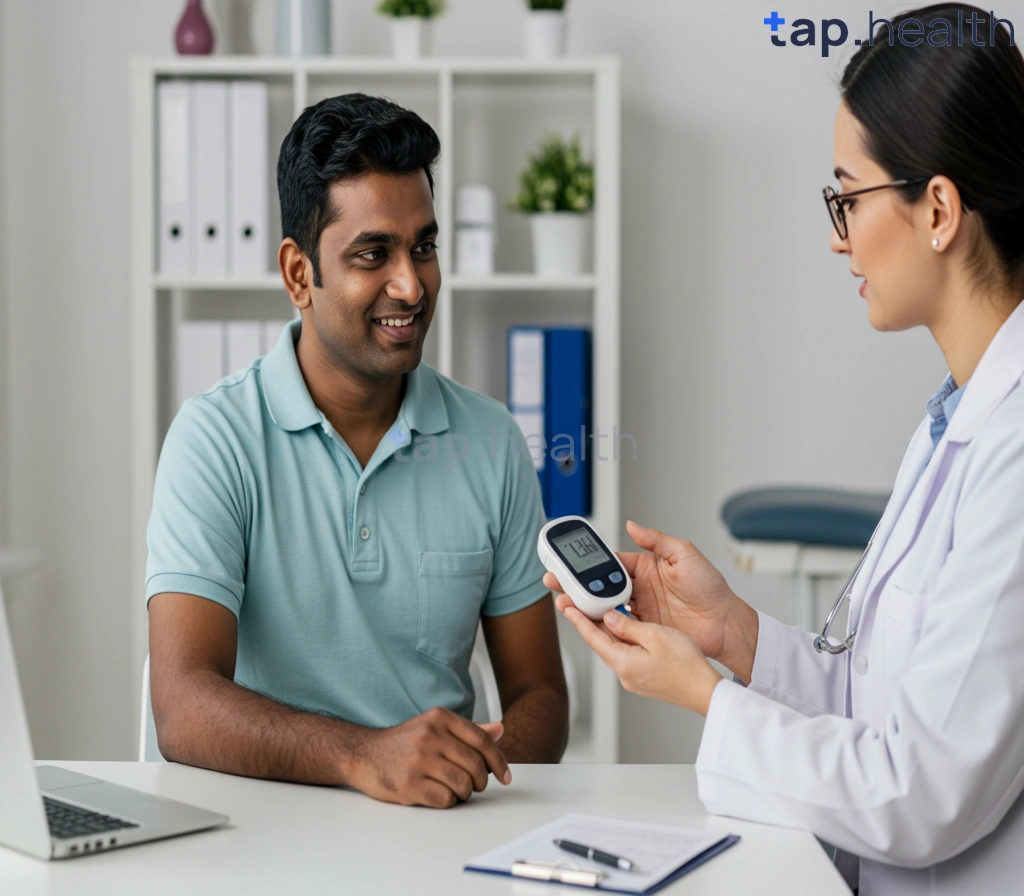
Several tests are essential for diagnosing and managing diabetes. The most common is the fasting plasma glucose (FPG) test, which measures blood glucose levels after an overnight fast. High FPG levels indicate potential diabetes. Another crucial test is the oral glucose tolerance test (OGTT), where blood glucose is measured after consuming a sugary drink. This helps assess how well the body processes glucose. Finally, the HbA1c test measures average blood glucose levels over the past 2-3 months, providing a long-term picture of blood sugar control. Regular monitoring through these tests is vital for effective diabetes management. Once diagnosed, learning 10 Proven Tips to Effectively Manage Diabetes can be incredibly beneficial.
Regional Considerations in India and Tropical Countries
In India and many tropical countries, lifestyle factors like diet and lack of physical activity contribute significantly to the high prevalence of diabetes. Genetic predisposition also plays a role. Access to regular testing and affordable healthcare can be a challenge in some areas. Therefore, proactive health checks and awareness campaigns focused on early detection are particularly important in these regions.
Taking Action
Regular check-ups with your doctor, especially if you have a family history of diabetes or experience symptoms like increased thirst or frequent urination, are crucial. Don’t delay – early diagnosis and management can significantly improve your quality of life and reduce the risk of serious complications. Schedule your diabetes check-up today. For more in-depth information on managing your condition effectively, check out our guide on 10 Proven Tips for Effective Diabetes Management.
Diagnosing Diabetes: Key Tests & Procedures
Understanding the Silent Epidemic
Shockingly, a staggering 50% of diabetes cases globally remain undiagnosed, according to the IDF Diabetes Atlas. This is particularly concerning in Indian and tropical countries where diabetes prevalence is rising rapidly. Early detection is crucial for effective management and preventing serious complications. Therefore, understanding the diagnostic tests available is paramount.
Key Diagnostic Tests for Diabetes
The primary tests for diagnosing diabetes include:
* Fasting Plasma Glucose (FPG): This involves a blood test after an overnight fast. Elevated FPG levels indicate potential diabetes. This is a widely available and relatively inexpensive test, especially crucial in resource-constrained settings common in many tropical regions.
* Oral Glucose Tolerance Test (OGTT): This test measures blood glucose levels after consuming a sugary drink. It’s more comprehensive than FPG and can be particularly helpful in identifying individuals with impaired glucose tolerance, a precursor to type 2 diabetes. Access to this test might be more limited in some areas, demanding awareness and advocacy for wider availability.
* HbA1c Test (Glycated Hemoglobin): This test measures average blood glucose levels over the past 2-3 months. It provides a long-term picture of blood sugar control and is useful for monitoring treatment effectiveness. The HbA1c test is increasingly accessible even in remote areas, making it a valuable tool for diabetes management across varied regions.
Taking Action: Seeking Early Diagnosis
Early diagnosis is key to preventing debilitating complications. If you have a family history of diabetes, are overweight, or experience symptoms like increased thirst or frequent urination, consult your doctor immediately for testing. In India and other tropical countries, proactive healthcare seeking is vital in combating this growing health concern. Don’t wait – your health is worth it. For more information on recognizing early warning signs, check out our article on 10 Early Signs and Symptoms of Diabetes? And, to learn about the specific challenges and solutions related to managing diabetes as you age, please see our comprehensive guide on Managing Diabetes as You Age: Challenges and Solutions.
Understanding Your Diabetes Diagnosis: Test Results Explained
Understanding your diabetes diagnosis can be overwhelming, especially as global cases continue to rise. According to the International Diabetes Federation, diabetes cases are expected to increase from 536.6 million in 2021 to 783.7 million by 2045. This alarming trend highlights the urgent need for early detection and proper diagnosis—especially in countries like India, where unique regional risk factors play a significant role.
Common Diagnostic Tests for Diabetes
Doctors rely on a few key tests to detect diabetes, all of which focus on blood glucose levels. Here are the most commonly used diagnostic tools:
1. Fasting Plasma Glucose (FPG) Test
This test measures your blood sugar level after an overnight fast. A high FPG reading (≥126 mg/dL) typically indicates diabetes.
2. Oral Glucose Tolerance Test (OGTT)
In this test, you’re given a sugary drink, and your blood sugar levels are tested at intervals over the next 2 hours. It is especially helpful in detecting prediabetes and gestational diabetes.
3. Hemoglobin A1c (HbA1c) Test
This test provides an average of your blood sugar levels over the past 2–3 months. An HbA1c level of 6.5% or higher suggests diabetes.
Interpreting Your Test Results
Your healthcare provider will evaluate your test results along with other factors like symptoms, family history, and lifestyle. Just one abnormal test result may not confirm a diagnosis; often, repeat testing or additional lab work is needed.
If your results are borderline or inconsistent, your doctor might also recommend additional tests to rule out conditions like impaired glucose tolerance or insulin resistance.
Next Steps After a Diabetes Diagnosis
For Patients in India and Other Tropical Countries
Once diagnosed, early action is crucial. Here’s what you should consider:
-
Consult your physician for a tailored treatment plan.
-
Begin lifestyle changes, including a balanced diet and regular exercise.
-
Start medication if prescribed.
-
Monitor your blood sugar levels regularly.
-
Look into government or NGO-run diabetes programs for support and affordable care.
Why Early Diagnosis Matters
Diabetes increases the risk of serious complications, such as diabetic nephropathy (kidney damage). About 30% of people with diabetes are at risk for this condition. Timely testing and management can significantly reduce your risk
Access to Care in India and Tropical Countries
Access to quality healthcare remains a challenge in many parts of India and tropical regions. However, various government programs, telemedicine services, and NGO initiatives offer:
-
Free or subsidized diabetes screening
-
Blood sugar monitoring devices
-
Lifestyle education and support groups
Always ensure you are consulting a qualified healthcare professional for diagnosis and management. Avoid self-diagnosis or over-reliance on at-home tests without medical supervision.
From Symptoms to Diagnosis: Your Diabetes Testing Journey
Understanding diabetes, particularly in regions like India and other tropical countries, is crucial due to its rising prevalence. While the CDC reports approximately 35 per 10,000 U.S. youths with diagnosed diabetes, the rates in many tropical and Indian communities can be significantly higher due to various lifestyle and genetic factors. Early diagnosis is key to managing the condition effectively.
Initial Tests & Symptoms
Often, the journey begins with noticeable symptoms like increased thirst (polydipsia), frequent urination (polyuria), unexplained weight loss, and persistent fatigue. If you experience these, consulting a doctor is essential. Initial testing might involve a simple blood glucose test, measuring your blood sugar levels at a specific point in time. However, this isn’t always conclusive for diagnosis.
Confirming the Diagnosis: HbA1c & Oral Glucose Tolerance Test (OGTT)
For definitive diagnosis, further tests are necessary. The HbA1c test measures your average blood sugar level over the past two to three months. This provides a more comprehensive picture than a single blood glucose reading. Additionally, the Oral Glucose Tolerance Test (OGTT) involves drinking a sugary solution and monitoring blood sugar levels over a period of time. This helps determine how well your body processes sugar. Both HbA1c and OGTT are vital in confirming a diabetes diagnosis. Once diagnosed, understanding how to manage your condition effectively is crucial, and a Personalized Diabetes Control plan can be invaluable.
Beyond the Tests: Seeking Expert Advice
Remember, early and accurate diagnosis is paramount for effective diabetes management. In India and tropical countries, access to quality healthcare can vary. It’s crucial to seek guidance from a qualified healthcare professional for proper testing and personalized treatment plans. Don’t hesitate to discuss your concerns and family history with your doctor. Early intervention can significantly improve your long-term health and well-being. If you’re planning any travel, be sure to check out our guide on Traveling with Diabetes for essential tips to ensure a safe and healthy journey.
Frequently Asked Questions on Understanding Diabetes
Q1. How is diabetes diagnosed?
Diabetes is primarily diagnosed by measuring blood glucose levels. Several tests are used, including the fasting plasma glucose (FPG) test, the oral glucose tolerance test (OGTT), and the HbA1c test. Your doctor will interpret the results along with your symptoms and medical history.
Q2. What are the different types of tests used to diagnose diabetes?
The main tests are the Fasting Plasma Glucose (FPG) test, which measures blood sugar after fasting; the Oral Glucose Tolerance Test (OGTT), which measures how your body processes glucose after drinking a sugary liquid; and the HbA1c test, which reflects your average blood sugar over the past 2-3 months.
Q3. Why is early diagnosis of diabetes important, especially in countries like India?
Early diagnosis is crucial for preventing or delaying serious complications associated with diabetes. India and other tropical countries have high diabetes rates due to lifestyle and genetic factors, making early detection even more vital.
Q4. What factors influence the accessibility of diabetes testing and treatment?
Access to testing and affordable healthcare varies greatly depending on location and resources. This highlights the importance of proactive healthcare seeking and public awareness campaigns.
Q5. What should I do if I am concerned about having diabetes?
If you are concerned about diabetes, consult a doctor. They can assess your risk factors, order the appropriate tests, and provide personalized advice and treatment if necessary.
References
- A Practical Guide to Integrated Type 2 Diabetes Care: https://www.hse.ie/eng/services/list/2/primarycare/east-coast-diabetes-service/management-of-type-2-diabetes/diabetes-and-pregnancy/icgp-guide-to-integrated-type-2.pdf
- Your Guide to Diabetes: Type 1 and Type 2: https://www.niddk.nih.gov/-/media/Files/Diabetes/YourGuide2Diabetes_508.pdf