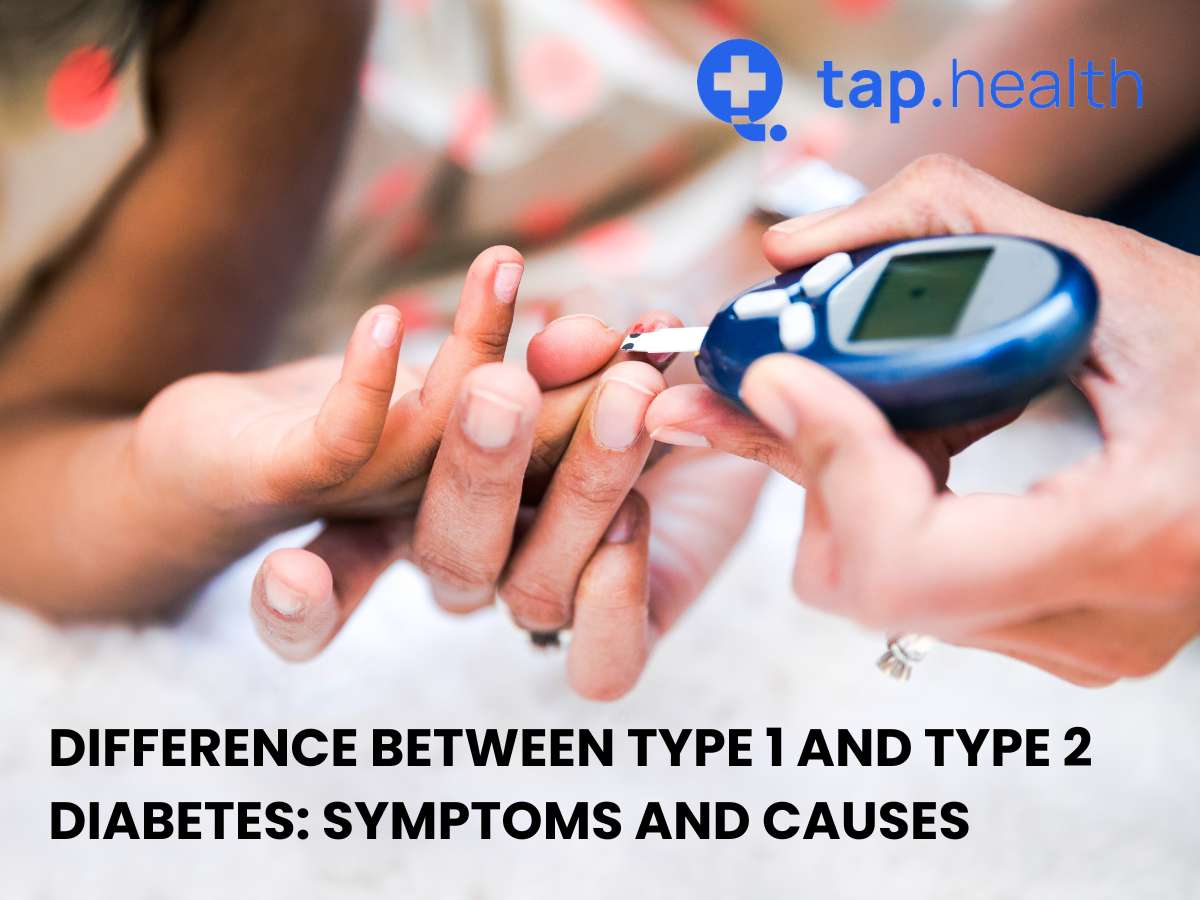
Type 1 and Type 2 diabetes are two distinct forms of diabetes mellitus, a chronic metabolic disorder characterized by high blood sugar levels. While they share the same name, they differ in several aspects, including their causes, symptoms, and treatment approaches. Understanding the differences between Type 1 and Type 2 diabetes is crucial for accurate diagnosis, effective management, and prevention of complications. This article aims to provide an in-depth exploration of the various aspects that set these two forms apart.
Causes of Type 1 and Type 2 Diabetes
Distinguishing the causes of Type 1 and Type 2 diabetes is fundamental in comprehending the disparities between them.
Type 1 Diabetes Causes
Type 1 diabetes, previously known as juvenile diabetes or insulin-dependent diabetes, is primarily an autoimmune condition. It occurs when the immune system erroneously attacks and destroys the insulin-producing cells in the pancreas. Consequently, the affected individual produces little to no insulin, a hormone necessary for regulating blood sugar levels.
Type 2 Diabetes Causes
On the other hand, Type 2 diabetes, formerly referred to as adult-onset diabetes or non-insulin dependent diabetes, typically develops gradually and is primarily influenced by lifestyle factors. Obesity, sedentary behavior, and poor dietary habits are often contributing factors. In this form of diabetes, the body becomes insulin resistant, leading to inadequate glucose transport into the cells, resulting in elevated blood sugar levels.
Furthermore, genetics play a significant role in the development of both Type 1 and Type 2 diabetes. Research has shown that individuals with a family history of diabetes are at a higher risk of developing the condition themselves. Genetic predisposition can influence how the body processes glucose and insulin, making some individuals more susceptible to diabetes than others.
In addition to lifestyle and genetic factors, environmental influences can also contribute to the onset of diabetes. Exposure to certain viruses or toxins may trigger the autoimmune response seen in Type 1 diabetes. Similarly, environmental factors such as air pollution and chemical exposure can impact insulin sensitivity and contribute to the development of Type 2 diabetes.
Difference Between Type 1 and Type 2 Diabetes
Although both Type 1 and Type 2 diabetes involve elevated blood sugar levels (hyperglycemia), they differ significantly in causes, symptoms, and treatment approaches.
What Is Type 1 Diabetes?
Type 1 diabetes is an autoimmune condition in which the body’s immune system mistakenly attacks the insulin-producing beta cells in the pancreas. This leads to little or no insulin production. Without insulin, the body cannot regulate blood sugar effectively.
-
Typical Onset: Usually develops in children or adolescents, but can appear at any age.
-
Symptoms: Sudden and severe onset of symptoms such as:
-
Excessive thirst (polydipsia)
-
Frequent urination (polyuria)
-
Unexplained weight loss
-
Fatigue
-
Blurred vision
-
-
Treatment: Requires lifelong insulin therapy through injections or an insulin pump.
Type 1 diabetes is not preventable, and its causes are linked to genetic predisposition and environmental triggers like viral infections.
What Is Type 2 Diabetes?
Type 2 diabetes is a metabolic disorder typically caused by insulin resistance, where the body’s cells do not respond properly to insulin. Over time, the pancreas may produce less insulin, further elevating blood sugar levels.
-
Typical Onset: Commonly develops in adults over 40, but increasingly seen in children and teens due to rising obesity rates.
-
Symptoms: Often mild and develop gradually, which can delay diagnosis. Common symptoms include:
-
Fatigue
-
Increased hunger
-
Frequent infections
-
Slow-healing wounds
-
-
Treatment:
-
First-line: Lifestyle changes (healthy diet, physical activity, weight loss)
-
Advanced cases: Oral medications or insulin therapy may be required.
-
Key Differences Between Type 1 and Type 2 Diabetes
| Feature | Type 1 Diabetes | Type 2 Diabetes |
|---|---|---|
| Cause | Autoimmune destruction of beta cells | Insulin resistance and lifestyle factors |
| Onset | Sudden; often in childhood or adolescence | Gradual; typically in adults |
| Insulin Production | Little to none | Varies; decreases over time |
| Treatment | Lifelong insulin required | Lifestyle changes, medications, possibly insulin |
| Preventable | No | Often preventable with lifestyle changes |
Symptoms of Type 1 and Type 2 Diabetes
Recognizing the symptoms of Type 1 and Type 2 diabetes can aid in early diagnosis and prompt initiation of appropriate treatment.
Type 1 Diabetes Symptoms
Type 1 diabetes often presents with sudden and severe symptoms. Aside from the previously mentioned excessive thirst, frequent urination, unexplained weight loss, fatigue, and blurred vision, individuals may also experience irritability, mood swings, and extreme hunger. Additionally, diabetic ketoacidosis (DKA), a serious complication, can occur if Type 1 diabetes is not managed promptly. DKA is characterized by fruity breath, nausea, vomiting, stomach pain, and confusion, and necessitates immediate medical attention.
Type 2 Diabetes Symptoms
Type 2 diabetes symptoms are usually more gradual and may be disregarded as normal signs of aging. Fatigue and increased hunger are common, as well as frequent infections, slow-healing wounds, and blurry vision. Some individuals may also develop darkened patches of skin, a condition known as acanthosis nigricans, which is indicative of insulin resistance. These symptoms, when accompanied by risk factors such as obesity or a family history of diabetes, warrant further evaluation for Type 2 diabetes.
If symptoms persist or are concerning, consulting a healthcare professional for a formal diagnosis is recommended.
It is crucial to understand that both Type 1 and Type 2 diabetes require ongoing management to prevent complications. Regular monitoring of blood glucose levels, adherence to prescribed medications, and lifestyle modifications such as a healthy diet and regular exercise are essential components of diabetes care. Additionally, individuals with diabetes should be vigilant about foot care to prevent diabetic neuropathy, a condition that can lead to numbness, tingling, and even ulcers on the feet.
Educating oneself and loved ones about diabetes is key to successful management. Support groups, educational classes, and resources provided by healthcare professionals can offer valuable information and emotional support for individuals living with diabetes. It is important to remember that diabetes is a chronic condition that requires a proactive approach to maintain overall health and well-being.
What are the risk factors for type 1 and type 2 diabetes?
While the exact causes of both forms of diabetes are not fully understood, several risk factors contribute to their development.
Type 1 Diabetes Risk Factors
In Type 1 diabetes, genetic susceptibility plays a significant role. Individuals with a family history of the condition have an increased risk of developing it themselves. Additionally, certain viral infections, such as enteroviruses, have been linked to the onset of Type 1 diabetes.
Type 2 Diabetes Risk Factors
For Type 2 diabetes, lifestyle factors are the primary contributors. Obesity, particularly excess abdominal fat, sedentary behavior, unhealthy dietary patterns, and a lack of physical activity markedly increase the risk. Furthermore, advancing age, a family history of Type 2 diabetes, and certain ethnicities, including African American, Hispanic, Native American, and Asian, are associated with a higher predisposition for this form of diabetes.
Preventing or managing these risk factors through lifestyle modifications can significantly reduce the likelihood of developing Type 2 diabetes and its associated complications.
It is essential to understand that while genetic predisposition plays a crucial role in Type 1 diabetes, environmental factors can also trigger the autoimmune response that leads to the destruction of insulin-producing cells in the pancreas. Factors such as exposure to certain dietary proteins early in life, vitamin D deficiency, and even the season of birth have been studied for their potential influence on the development of Type 1 diabetes.
On the other hand, Type 2 diabetes is often referred to as a lifestyle disease due to its strong association with modifiable risk factors. Research indicates that individuals who engage in regular physical activity, maintain a healthy weight, and follow a balanced diet rich in fruits, vegetables, and whole grains have a lower risk of developing Type 2 diabetes. Moreover, factors like chronic stress, poor sleep quality, and even environmental pollutants have been suggested to contribute to the development of insulin resistance, a key feature of Type 2 diabetes.
Treatment of Type 1 and Type 2 Diabetes
The treatment approaches for Type 1 and Type 2 diabetes vary due to the underlying causes and progression of the disease.
Type 1 Diabetes Treatment
Type 1 diabetes management revolves around replacing the deficient insulin through multiple daily injections or continuous subcutaneous insulin infusion via an insulin pump. Monitoring blood sugar levels regularly, counting carbohydrates, adopting a balanced diet, engaging in regular physical activity, and maintaining a healthy weight are integral components of successful management.
Type 2 Diabetes Treatment
In Type 2 diabetes, lifestyle modifications form the cornerstone of treatment. Implementing a well-balanced diet, rich in whole grains, lean proteins, fruits, vegetables, and healthy fats, coupled with regular physical activity, can promote weight loss, improve insulin sensitivity, and help regulate blood sugar levels. Additionally, oral medications, such as metformin, or injectable medications, including glucagon-like peptide-1 receptor agonists or insulin, may be prescribed if lifestyle modifications alone are inadequate.
Diagnosis of Type 1 and Type 2 Diabetes
The diagnostic process for Type 1 and Type 2 diabetes involves several tests to determine the presence and severity of the disease.
In both types, fasting blood sugar levels, oral glucose tolerance tests, and glycated hemoglobin (A1C) levels are commonly employed to assess blood sugar control. However, distinguishing between Type 1 and Type 2 diabetes often requires additional tests, such as antibody testing to detect autoantibodies associated with Type 1 diabetes or C-peptide testing to measure insulin production.
Accurate diagnosis is essential to ensure appropriate treatment and management strategies are implemented promptly.
Preventing Complications: Steps for Both Type 1 and Type 2 Diabetes
Both Type 1 and Type 2 diabetes can lead to various complications if inadequately controlled. Therefore, proactive measures are crucial to reduce the risk of long-term complications.
For individuals with Type 1 diabetes, meticulous blood sugar control is essential in preventing acute complications, such as hypoglycemia and diabetic ketoacidosis, as well as long-term complications, including cardiovascular disease, kidney damage, nerve damage, and eye problems. Regular monitoring of blood sugar levels, frequent medical check-ups, adhering to a healthy lifestyle, and actively managing other health conditions can aid in minimizing these risks.
In Type 2 diabetes, managing blood sugar levels, blood pressure, and cholesterol levels within target ranges is imperative. Additionally, adopting a heart-healthy lifestyle, such as quitting smoking, maintaining a healthy weight, and engaging in regular physical activity, can significantly reduce the risk of complications, such as heart disease, stroke, kidney disease, nerve damage, and vision problems.
Regular medical exams and consultations with healthcare professionals specialized in diabetes care are essential for the prevention and early detection of complications.
FAQs on Differences Between Type 1 and Type 2 Diabetes
1. Can Type 2 diabetes progress into Type 1 diabetes?
No, Type 2 diabetes cannot progress into Type 1 diabetes. While both forms of diabetes involve high blood sugar levels, they have distinct underlying causes and disease processes.
2. Is diabetes more prevalent in men or women?
Diabetes affects both men and women, but the prevalence rates may differ slightly. Globally, men tend to have a slightly higher incidence of diabetes compared to women.
3. Can Type 2 diabetes be cured?
Type 2 diabetes cannot be cured, but it can be effectively managed through lifestyle modifications, medications, and regular medical follow-ups to achieve optimal blood sugar control and minimize complications.
4. Can gestational diabetes lead to Type 2 diabetes?
While not all women who develop gestational diabetes develop Type 2 diabetes, there is an increased risk. Close monitoring of blood sugar levels during pregnancy and adopting a healthy lifestyle can help reduce the incidence of Type 2 diabetes later in life.
5. Can Type 1 diabetes be prevented?
Type 1 diabetes cannot be prevented as it is primarily an autoimmune condition. However, leading a healthy lifestyle and maintaining a normal weight may reduce the risk of other autoimmune conditions that predispose individuals to Type 1 diabetes.
Understanding the nuances between Type 1 and Type 2 diabetes is vital for accurate diagnosis, optimal management, and prevention of complications. While Type 1 diabetes is primarily an autoimmune condition that necessitates lifelong insulin replacement, Type 2 diabetes is predominantly influenced by lifestyle factors. By recognizing the symptoms, controlling risk factors, adhering to treatment regimens, and actively preventing complications, individuals can effectively manage both forms of diabetes and lead a fulfilling life.