Spray oils are a popular kitchen staple for many, making cooking quicker and easier. They are commonly used for greasing pans, adding flavor to dishes, or even as a healthier alternative to regular oils. But have you ever wondered: Does spray oil have calories? It’s a valid question, especially for those who are watching their calorie intake or trying to maintain a healthy diet. In this article, we’ll explore the nutritional facts of spray oil, how it compares to other oils, and answer all your burning questions about its calorie content.
What is Spray Oil?
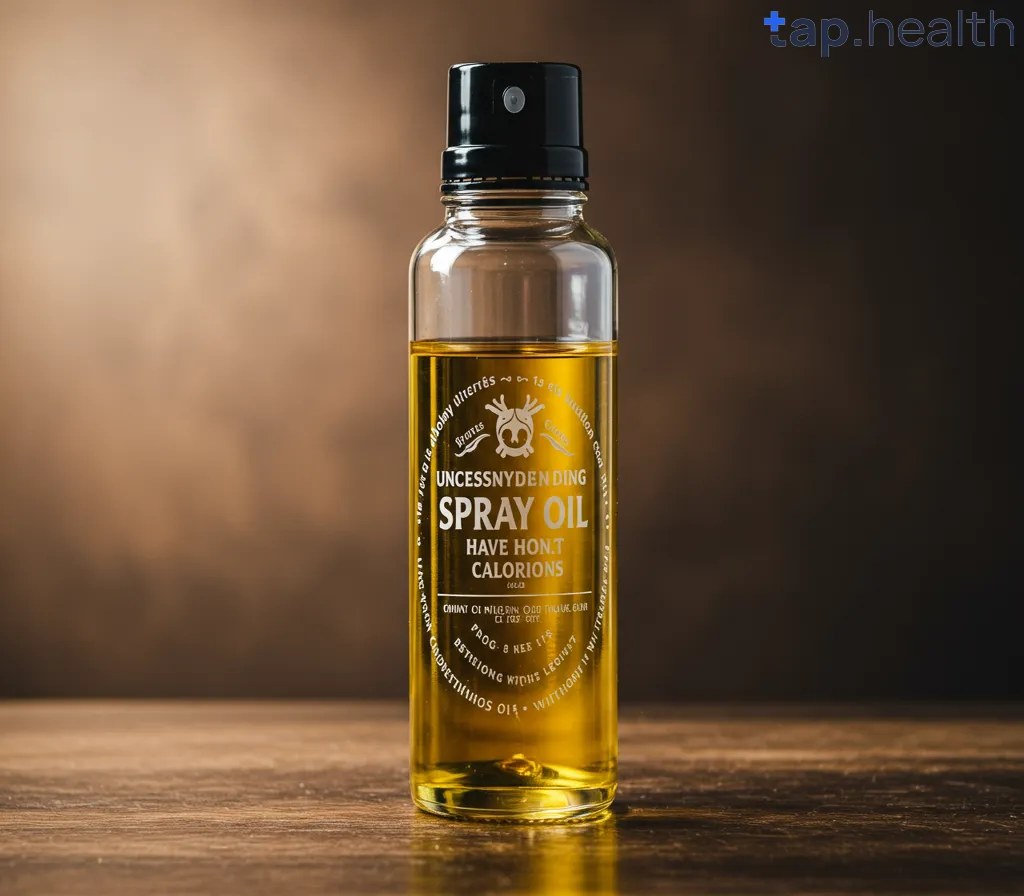
Before diving into the calorie question, let’s first understand what spray oil is. Spray oil, also known as cooking spray, is a product that provides a fine mist of oil when sprayed. It’s usually made with vegetable oils like canola, olive, or sunflower oil, but the key difference is its delivery method. Unlike traditional cooking oils that come in bottles or containers, spray oil comes in an aerosol can, allowing users to easily control how much oil they use while cooking.
These oils are designed to provide a thin layer of oil without the need for measuring spoons or messy pours, which makes them popular in non-stick cooking and baking.
Does Spray Oil Have Calories?
Yes, spray oil does contain calories. However, the amount of calories in spray oil can vary depending on how much you use. Typically, spray oil is marketed as a low-calorie option because it’s dispensed in a fine mist. The key to understanding the calorie content lies in the amount of oil you spray.
How Many Calories are in a Serving of Spray Oil?
A single spray or “serving” of cooking spray is usually a fraction of a gram. This means the calorie content in each spray is very minimal. For example, a typical can of spray oil may claim that each serving (about 1/4-second spray) contains anywhere from 0 to 5 calories. This might sound like nothing, but remember, serving sizes matter.
If you use a significant number of sprays to cover a pan or dish, those calories can add up. For instance, if you use 10 seconds of spray to coat your cooking surface, you could be looking at around 10-50 calories, depending on the brand and type of oil used.
Spray Oil vs. Regular Oil: Which One Has More Calories?
One of the main reasons people opt for spray oil is to reduce calorie intake compared to using regular oils. But how does spray oil compare to traditional oils in terms of calories?
Regular Oils and Their Calorie Content
In comparison, a tablespoon of traditional cooking oil (like olive or vegetable oil) contains approximately 120 calories. Most people tend to use more oil when cooking with regular oils, which can lead to a significant increase in calorie intake. This is one reason why spray oils are considered a healthier alternative, as they provide a much lighter, controlled amount of oil.
Does Spray Oil Actually Reduce Calories?
While spray oils can help control the amount of oil used, they still contain the same calories per gram as regular oils. The advantage of spray oil is that it allows for more precise portions. This helps prevent the overuse of oil and makes it easier to avoid adding unnecessary calories to your meals.
How Does Spray Oil Affect Weight Loss or Weight Maintenance?
If you’re trying to lose weight or maintain a healthy weight, you might be asking how spray oil fits into your diet. Can it help you cut calories?
Spray Oil and Calorie Control
Spray oil can help with calorie control by reducing the amount of oil used in cooking. For example, if you’re used to pouring a tablespoon of oil to grease your pan, switching to spray oil can help you use much less. This means that you’ll consume fewer calories, which could contribute to weight loss over time if combined with other healthy eating habits.
Portion Control
Spray oils also help control portion sizes, which is a crucial aspect of maintaining a healthy diet. Since most people tend to overestimate the amount of oil they need, using spray oil can prevent this. Spraying a thin layer is often enough to prevent food from sticking, without adding excess fat or calories.
What Types of Oils Are Used in Spray Oil?
Spray oils can be made from various oils, each offering different nutritional benefits. Some of the most common oils used in spray oil include:
Olive Oil Spray
Olive oil is often considered one of the healthiest oils due to its heart-healthy monounsaturated fats and antioxidants. Olive oil spray is a popular option for cooking, as it can add flavor without a lot of calories. However, keep in mind that, like all oils, olive oil spray does still contain calories.
Canola Oil Spray
Canola oil is another common oil used in spray oils. It’s known for its neutral flavor and higher smoke point, making it ideal for high-heat cooking. It also has a good amount of omega-3 fatty acids, which can be beneficial for heart health.
Coconut Oil Spray
Coconut oil is another popular option, especially for those looking for a rich flavor. While it contains more saturated fat compared to olive or canola oil, moderate consumption of coconut oil in your diet is often considered healthy due to its medium-chain triglycerides (MCTs).
How to Use Spray Oil to Minimize Calorie Intake?
While using spray oil is already a good way to cut down on calories, you can make it even more effective by following these tips:
1. Use Short Bursts of Spray
Rather than holding the nozzle down for several seconds, use short bursts. This ensures you’re only using a thin layer, keeping the calorie count low.
2. Don’t Overdo It
Even though it’s convenient, don’t overuse spray oil. It’s easy to go overboard with the number of sprays, and that can add up quickly. Be mindful of how much you’re spraying.
3. Choose Healthier Oils
Opt for spray oils made from healthier sources, such as olive or avocado oil. These oils provide beneficial nutrients that can enhance your overall health.
Real-Life Scenario
Suppose you’re making scrambled eggs. You use cooking spray instead of pouring oil from the bottle. If you spray for just half a second, the added calories may be less than 10. But if you hold down the spray button for 3–4 seconds, you might be adding closer to 50–100 calories—almost as much as a teaspoon of oil.
Expert Contribution
Dietitians note that spray oils are marketed as “calorie-free,” but that’s misleading. The FDA allows companies to label servings with less than 5 calories as zero, which is why sprays look like they have no calories. Nutrition experts suggest using them wisely for portion control but not assuming they’re truly free of calories.
Recommendations Grounded in Proven Research and Facts
- Short sprays add fewer calories: Quick bursts keep calorie intake low.
- Continuous sprays add up: Longer sprays can equal teaspoons of oil.
- Best for light coating: Use spray oils to grease pans or lightly coat food instead of deep frying.
- Check serving sizes: Be mindful that “0 calories” doesn’t always mean none—it often means less than 5 per serving.
- Balance your diet: Whether using spray oil or bottled oil, remember that oils are calorie-dense but also provide healthy fats.
Frequently Asked Questions (FAQs) on Does Spray Oil Have Calories?
1. How many calories are in one spray of oil?
Typically, a single spray of oil contains 1-2 calories, depending on the brand. It’s important to check the serving size on the label for more specific information.
2. Can I use spray oil for deep frying?
While spray oil is ideal for low-heat cooking and greasing pans, it’s not suitable for deep frying. Deep frying requires a substantial amount of oil, which spray oils don’t provide. Use regular oils for deep frying to achieve the best results.
3. Is spray oil healthier than regular oil?
Spray oil can be healthier because it allows you to use less oil, which helps reduce your overall calorie intake. However, it still contains calories, and it’s important to use it in moderation.
4. Can I use spray oil for baking?
Yes, spray oil is commonly used for greasing baking pans. It helps prevent food from sticking without adding extra fat and calories.
5. Is spray oil good for weight loss?
Spray oil can be part of a weight loss plan because it helps control the amount of oil used in cooking, thereby reducing calorie intake. However, it should be used in combination with other healthy eating practices for best results.
Conclusion
In summary, spray oil does have calories, but the amount is much lower compared to regular oils because it’s dispensed in smaller portions. It’s a great way to control how much oil you use in your cooking, and can help reduce the total calories you consume. While it’s not a magic solution for weight loss, it can be a helpful tool when used correctly. Whether you’re using olive oil, canola oil, or coconut oil in spray form, remember to be mindful of how much you use, as calories can still add up if you’re not careful.
So, next time you reach for that can of spray oil, you can feel confident knowing how it fits into your overall calorie intake.