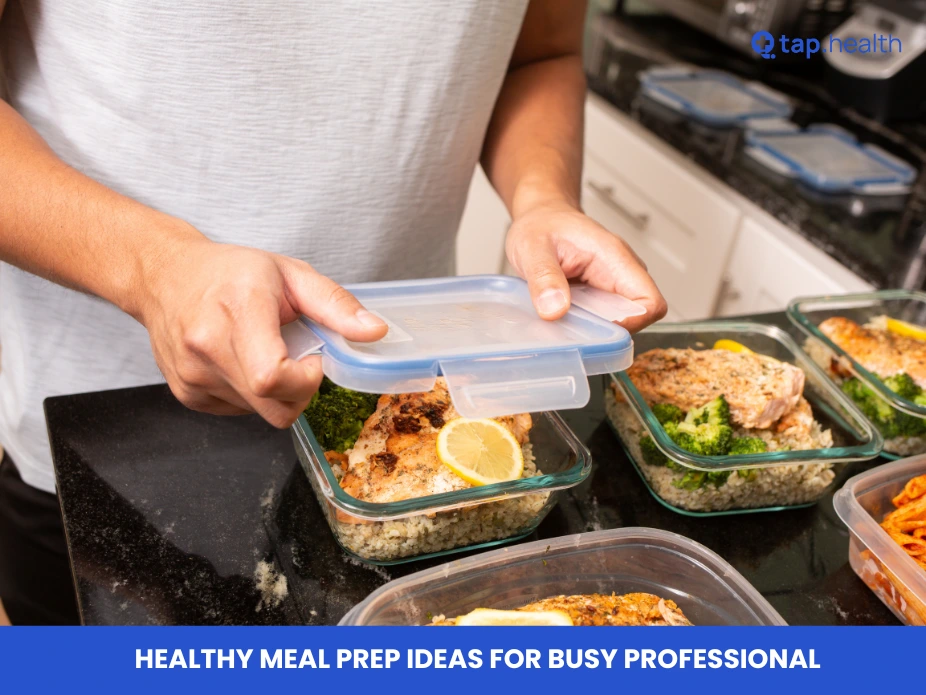
In the hustle and bustle of a busy professional life, maintaining a healthy diet can often take a backseat. Long work hours, tight schedules, and constant demands can make it challenging to prepare nutritious meals. However, meal prepping offers a practical solution to this dilemma, allowing you to save time, reduce stress, and ensure you’re fueling your body with the right nutrients. This guide provides a range of healthy meal prep ideas tailored specifically for busy professionals, supported by real-life scenarios, expert insights, and research-backed recommendations.
Benefits of Meal Prepping for Busy Professionals
Engaging in meal prepping offers numerous advantages, especially for those juggling demanding careers:
- Time-Saving: Preparing meals in advance eliminates the need for daily cooking, freeing up valuable time.
- Cost-Effective: Buying ingredients in bulk and minimizing food waste can lead to significant savings.
- Nutritional Control: Meal prepping ensures you have access to balanced, nutritious meals, helping you maintain a healthy diet.
- Stress Reduction: Knowing that your meals are ready reduces the stress associated with last-minute cooking or unhealthy eating choices.
- Weight Management: Consistent, portion-controlled meals support weight management and overall health goals.
Getting Started with Meal Prepping
Before diving into specific meal ideas, it’s essential to understand the basics of meal prepping to set yourself up for success.
Tips for Successful Meal Prepping
- Plan Your Meals: Decide on the meals you want to prepare for the week, considering your schedule and nutritional needs.
- Create a Shopping List: Based on your meal plan, list all the necessary ingredients to ensure you have everything on hand.
- Choose the Right Containers: Invest in high-quality, BPA-free containers that are microwave and dishwasher safe for easy storage and reheating.
- Set Aside Time: Dedicate a specific time each week, such as Sunday afternoons, to prepare and portion out your meals.
- Keep It Simple: Start with simple recipes that don’t require extensive preparation or cooking time.
Real-Life Scenarios
Real-life examples can illustrate how meal prepping can seamlessly integrate into a busy professional’s lifestyle.
Scenario 1: Sarah’s Balanced Breakfasts
Background: Sarah, a 32-year-old marketing manager, struggled with rushed mornings and often skipped breakfast or grabbed unhealthy options.
Solution: Sarah began preparing overnight oats and chia pudding in bulk on Sunday nights. She portioned them into individual containers, adding toppings like fresh berries, nuts, and a drizzle of honey.
Outcome: Mornings became stress-free, and Sarah consistently started her day with a nutritious breakfast, boosting her energy and focus.
Scenario 2: Mark’s Lunchtime Efficiency
Background: Mark, a 40-year-old software developer, found himself relying on fast food or takeout for lunch due to his tight work schedule.
Solution: Mark dedicated time on Saturday mornings to cook large batches of quinoa, grilled chicken, and roasted vegetables. He then assembled balanced salads with these ingredients throughout the week.
Outcome: Mark enjoyed delicious, healthy lunches every day, saving money and avoiding the pitfalls of unhealthy eating habits.
Scenario 3: Emma’s Dinner Routine
Background: Emma, a 28-year-old financial analyst, often ended her day too tired to cook, leading to late-night snacking.
Solution: Emma prepared one-pot meals like vegetable stir-fries and hearty soups that could be easily reheated. She also made freezer-friendly casseroles that she could pull out on busy evenings.
Outcome: Emma maintained a regular dinner schedule with nutritious meals, reducing her reliance on unhealthy snacks and improving her overall well-being.
Expert Contributions
Insights from nutritionists and meal prep experts can provide valuable guidance on effective meal prepping strategies.
Dr. Laura Thompson, Registered Dietitian
“Meal prepping is an excellent way for busy professionals to maintain a balanced diet. It allows for better portion control, ensures nutrient-dense meals, and reduces the temptation to opt for unhealthy convenience foods. Start with simple recipes and gradually incorporate more variety to keep your meals interesting.”
Mark Stevens, Meal Prep Coach
“Consistency is key in meal prepping. Setting aside dedicated time each week and having a clear plan can make the process smoother and more enjoyable. Don’t be afraid to experiment with different cuisines and flavors to keep your meals exciting.”
Emily Rivera, Nutritionist
“Focus on incorporating a mix of macronutrients—proteins, carbohydrates, and healthy fats—in each meal. This balance not only supports sustained energy levels but also keeps you feeling full and satisfied throughout the day.”
Recommendations Grounded in Proven Research and Facts
Implementing evidence-based strategies ensures that your meal prepping efforts are effective and beneficial for your health.
1. Prioritize Protein
Why It’s Important: Protein is essential for muscle repair, immune function, and maintaining satiety.
How to Incorporate:
- Include sources like lean meats, tofu, legumes, and quinoa in your meals.
- Prepare protein-rich snacks such as hummus with veggies or Greek yogurt with nuts.
2. Include a Variety of Vegetables
Why It’s Important: Vegetables are packed with vitamins, minerals, and fiber, supporting overall health and digestion.
How to Incorporate:
- Roast a mix of colorful vegetables like bell peppers, broccoli, and sweet potatoes.
- Add raw or lightly steamed veggies to salads and grain bowls.
3. Opt for Whole Grains
Why It’s Important: Whole grains provide sustained energy and are rich in fiber, which aids in digestion and keeps you feeling full.
How to Incorporate:
- Use brown rice, quinoa, or farro as bases for your meals.
- Include whole grain wraps or bread for sandwiches and wraps.
4. Healthy Fats are Essential
Why It’s Important: Healthy fats support brain health, hormone production, and nutrient absorption.
How to Incorporate:
- Add avocado slices to your salads or sandwiches.
- Include nuts, seeds, and olive oil in your meal preparations.
5. Stay Hydrated
Why It’s Important: Proper hydration is crucial for maintaining energy levels and overall bodily functions.
How to Incorporate:
- Prep infused water with fruits and herbs for a refreshing drink option.
- Include hydrating foods like cucumbers, watermelon, and oranges in your meals.
6. Plan for Snacks
Why It’s Important: Healthy snacks help maintain energy levels and prevent overeating during main meals.
How to Incorporate:
- Prepare portioned bags of nuts, seeds, or dried fruits.
- Have cut vegetables and hummus ready for quick, nutritious snacks.
7. Use Herbs and Spices
Why It’s Important: Herbs and spices add flavor without extra calories or sodium, making your meals more enjoyable and nutritious.
How to Incorporate:
- Experiment with different spice blends for roasted vegetables and proteins.
- Use fresh herbs like cilantro, parsley, and basil to enhance the taste of your dishes.
8. Incorporate Batch Cooking
Why It’s Important: Cooking large quantities at once saves time and ensures you have ready-to-eat meals throughout the week.
How to Incorporate:
- Cook multiple servings of staples like rice, beans, and roasted veggies in one go.
- Prepare large batches of soups, stews, and casseroles that can be easily reheated.
9. Invest in Quality Storage Containers
Why It’s Important: Proper storage ensures your meals stay fresh and safe to eat throughout the week.
How to Incorporate:
- Use airtight containers to keep meals fresh longer.
- Choose microwave-safe containers for easy reheating.
10. Stay Flexible and Adaptable
Why It’s Important: Life can be unpredictable, so having a flexible meal plan allows you to adjust as needed without compromising your nutrition.
How to Incorporate:
- Include a variety of meal options to choose from each day.
- Be prepared to swap meals based on your schedule and preferences.
Factual and Reliable Information
Understanding the science behind meal prepping and its benefits can reinforce the importance of adopting these practices.
The Science of Meal Prepping
Research has shown that meal prepping can lead to better dietary adherence, weight management, and improved nutrient intake. By having meals ready in advance, individuals are less likely to resort to unhealthy food choices and can ensure a balanced intake of essential nutrients.
Impact on Mental Health and Productivity
Meal prepping not only benefits physical health but also has positive effects on mental well-being and productivity. Knowing that meals are ready can reduce stress and free up mental resources, allowing individuals to focus better on their work and personal lives.
Sustainability and Environmental Benefits
Meal prepping can contribute to more sustainable eating habits by reducing food waste and promoting the use of whole, minimally processed foods. Planning meals in advance allows for more efficient grocery shopping and portion control, minimizing excess food consumption.
Creating a Personalized Meal Prep Plan
Developing a tailored meal prep plan ensures that your nutritional needs and personal preferences are met, making the process more enjoyable and sustainable.
Steps to Create Your Meal Prep Plan
- Assess Your Dietary Needs: Consider any dietary restrictions, allergies, or specific nutritional goals you have.
- Choose Your Recipes: Select a variety of recipes that you enjoy and that can be easily prepared in bulk.
- Create a Shopping List: Based on your chosen recipes, list all necessary ingredients to ensure you have everything you need.
- Set Aside Time: Dedicate a specific time each week for meal prepping, such as Sunday afternoons.
- Prepare and Portion: Cook your meals and portion them into individual containers for easy access throughout the week.
- Store Properly: Use appropriate storage methods to keep your meals fresh and safe to eat.
Example Meal Prep Plan
Breakfast:
- Overnight oats with chia seeds, almond milk, and fresh berries.
- Veggie-packed egg muffins with spinach, bell peppers, and tomatoes.
Lunch:
- Quinoa salad with chickpeas, cucumbers, cherry tomatoes, and a lemon-tahini dressing.
- Grilled chicken or tofu with roasted sweet potatoes and steamed broccoli.
Dinner:
- Lentil curry with brown rice and a side of sautéed greens.
- Baked salmon or tempeh with quinoa and roasted vegetables.
Snacks:
- Hummus with carrot and celery sticks.
- Mixed nuts and dried fruit.
- Greek yogurt with honey and granola.
Incorporating Technology for Efficient Meal Prepping
Leveraging technology can streamline the meal prepping process, making it easier to plan, shop, and cook.
Useful Tools and Apps
- Meal Planning Apps: Tools like Mealime, Paprika, and Plan to Eat help you organize your meal plans and generate shopping lists.
- Grocery Delivery Services: Services like Instacart, Amazon Fresh, and local grocery stores’ delivery options save time on shopping.
- Recipe Websites and Blogs: Websites like AllRecipes, Minimalist Baker, and Oh She Glows offer a plethora of healthy meal ideas tailored for meal prepping.
- Kitchen Gadgets: Invest in tools like slow cookers, instant pots, and high-quality knives to make the cooking process more efficient.
Benefits of Using Technology
- Efficiency: Streamlined planning and shopping save time and reduce the likelihood of forgetting ingredients.
- Variety: Access to a wide range of recipes and meal ideas keeps your meals interesting and prevents boredom.
- Tracking: Apps can help you monitor your nutritional intake and ensure you’re meeting your dietary goals.
Overcoming Common Challenges
Meal prepping can come with its set of obstacles. Here are strategies to overcome common challenges faced by busy professionals.
Challenge 1: Lack of Time
Solution:
- Batch Cooking: Prepare large quantities of staples like grains, proteins, and vegetables in one cooking session.
- Simplify Recipes: Choose simple, quick recipes that require minimal ingredients and preparation time.
- Use Time-Saving Gadgets: Utilize slow cookers, instant pots, and other kitchen appliances to reduce cooking time.
Challenge 2: Monotony and Boredom
Solution:
- Vary Your Menu: Incorporate a diverse range of cuisines and flavors to keep your meals exciting.
- Experiment with Spices and Herbs: Enhance the taste of your dishes with different spices and herbs to add variety without extra calories.
- Rotate Recipes: Alternate between different recipes each week to prevent repetition.
Challenge 3: Storage and Preservation
Solution:
- Proper Containers: Use airtight, microwave-safe containers to keep meals fresh and easy to reheat.
- Labeling: Label your meals with dates to ensure you consume them while they’re still fresh.
- Freezing Options: Prepare freezer-friendly meals that can be stored for longer periods and thawed as needed.
Challenge 4: Nutritional Balance
Solution:
- Consult a Nutritionist: Seek professional advice to ensure your meal plan meets all your nutritional needs.
- Use Balanced Recipes: Incorporate a mix of macronutrients—proteins, carbohydrates, and healthy fats—in each meal.
- Monitor Portion Sizes: Pay attention to portion control to maintain a balanced diet and prevent overeating.
Challenge 5: Maintaining Consistency
Solution:
- Set Realistic Goals: Start with a manageable meal prep routine and gradually increase as you become more comfortable.
- Stay Organized: Keep your kitchen organized and have all necessary tools and ingredients readily available.
- Accountability: Partner with a friend or colleague who also meal preps to stay motivated and accountable.
Social Support and Community
Building a support network can enhance your meal prepping efforts, making the process more enjoyable and sustainable.
Ways to Build Support
- Join Online Communities: Participate in forums, social media groups, or online meal prep challenges to share tips and stay motivated.
- Engage with Friends and Family: Involve loved ones in your meal prepping process, whether by sharing recipes or prepping meals together.
- Attend Workshops or Classes: Enroll in meal prep workshops or cooking classes to learn new skills and gain inspiration.
Benefits of Social Support
- Motivation: Sharing your goals with others can keep you motivated and committed.
- Idea Sharing: Exchange recipes and meal prep tips with others to diversify your meal options.
- Encouragement: Receive encouragement and support, especially during busy or challenging weeks.
Maintaining Consistency
Consistency is key to reaping the long-term benefits of meal prepping. Here are strategies to help you stay on track:
Tips for Consistency
- Set a Routine: Dedicate specific days and times for meal prepping each week.
- Plan Ahead: Anticipate your weekly schedule and plan meals that fit your upcoming commitments.
- Stay Flexible: Allow for adjustments in your meal plan to accommodate unexpected changes or preferences.
- Reward Yourself: Acknowledge your efforts and celebrate milestones to maintain motivation.
Example Consistency Strategies
- Sunday Prep Sessions: Reserve Sunday afternoons for meal prepping to set a positive tone for the week.
- Theme Nights: Assign themes to different nights (e.g., Meatless Monday, Taco Tuesday) to add variety and structure to your meal plan.
- Track Your Progress: Keep a meal prep journal or use an app to monitor your consistency and make improvements as needed.
Adapting to Changing Needs
As your lifestyle, preferences, and nutritional requirements evolve, so should your meal prepping strategies.
How to Adapt
- Regular Assessments: Periodically evaluate your meal prep routine to ensure it aligns with your current needs and goals.
- Incorporate Feedback: Listen to your body and adjust your meal plan based on how different foods make you feel.
- Stay Informed: Keep up with the latest nutritional research and trends to enhance your meal prepping practices.
- Be Open to Change: Don’t be afraid to try new recipes, ingredients, or meal prep techniques to keep your diet exciting and nutritious.
Example Adaptations
- Seasonal Changes: Adjust your meal prep to include seasonal fruits and vegetables, ensuring freshness and variety.
- Dietary Shifts: If your dietary needs change, such as transitioning to a gluten-free or low-carb diet, update your meal prep plan accordingly.
- Incorporating New Foods: Experiment with new superfoods or plant-based proteins to boost the nutritional value of your meals.
Recommendations Grounded in Proven Research and Facts
Implementing strategies backed by scientific research ensures that your meal prepping efforts are both effective and sustainable.
1. Focus on Whole Foods
Why It Works: Whole foods are nutrient-dense, providing essential vitamins, minerals, and fiber necessary for optimal health.
How to Incorporate:
- Prioritize fresh fruits, vegetables, whole grains, lean proteins, and healthy fats in your meal prep.
- Avoid processed foods high in sugars, unhealthy fats, and sodium.
2. Balance Macronutrients
Why It Works: A balanced intake of proteins, carbohydrates, and fats supports sustained energy levels and overall health.
How to Incorporate:
- Include a source of protein (e.g., beans, tofu, chicken) in each meal.
- Choose complex carbohydrates (e.g., quinoa, brown rice, sweet potatoes) over refined carbs.
- Incorporate healthy fats (e.g., avocado, nuts, olive oil) to enhance satiety and nutrient absorption.
3. Incorporate Variety
Why It Works: Variety ensures a broad spectrum of nutrients and prevents dietary monotony.
How to Incorporate:
- Rotate different proteins, vegetables, and grains each week.
- Experiment with international cuisines to diversify your meal options.
- Use different cooking methods (e.g., roasting, steaming, grilling) to keep meals interesting.
4. Plan for Portion Control
Why It Works: Proper portion sizes help maintain a healthy weight and prevent overeating.
How to Incorporate:
- Use portion control containers to divide meals into appropriate serving sizes.
- Measure ingredients during meal prep to ensure balanced portions.
- Be mindful of calorie-dense foods and include them in moderation.
5. Stay Hydrated
Why It Works: Adequate hydration supports digestion, metabolism, and overall health.
How to Incorporate:
- Include water-rich foods like cucumbers, watermelon, and oranges in your meals.
- Prepare infused water with fruits and herbs for a refreshing beverage option.
- Carry a reusable water bottle to remind yourself to drink throughout the day.
6. Minimize Food Waste
Why It Works: Reducing food waste is both environmentally friendly and cost-effective.
How to Incorporate:
- Plan meals around ingredients you already have to minimize excess.
- Store leftovers properly to extend their shelf life.
- Get creative with ingredients to use up items before they spoil.
7. Listen to Your Body
Why It Works: Tuning into your body’s hunger and fullness cues helps maintain a healthy relationship with food.
How to Incorporate:
- Eat when you’re hungry and stop when you’re satisfied, not overly full.
- Pay attention to how different foods make you feel and adjust your meal prep accordingly.
- Avoid eating out of boredom or stress by keeping healthy snacks available.
8. Incorporate Superfoods
Why It Works: Superfoods are packed with nutrients that provide significant health benefits.
How to Incorporate:
- Add ingredients like blueberries, kale, chia seeds, and quinoa to your meals.
- Use spices like turmeric and ginger for their anti-inflammatory properties.
- Incorporate nuts and seeds for their healthy fats and protein content.
9. Prioritize Meal Prep Efficiency
Why It Works: Efficient meal prepping maximizes productivity and minimizes time spent in the kitchen.
How to Incorporate:
- Prep ingredients that can be used in multiple dishes, such as chopping vegetables or cooking grains in bulk.
- Use versatile recipes that can be adapted to different meals throughout the week.
- Clean as you go to keep your workspace organized and reduce cleanup time.
10. Seek Professional Guidance
Why It Works: Personalized advice ensures that your meal prep plan meets your specific nutritional needs and goals.
How to Incorporate:
- Consult with a registered dietitian or nutritionist to tailor your meal plan.
- Attend meal prep workshops or classes to learn new skills and recipes.
- Utilize online resources and tools provided by health professionals to enhance your meal prepping efforts.
Frequently Asked Questions (FAQ) on Healthy Meal Prep Ideas for Busy Professionals
1. What is meal prepping, and how does it work?
Answer: Meal prepping involves planning, preparing, and portioning out meals in advance, typically for the week. It helps save time, ensures a balanced diet, and reduces the reliance on unhealthy convenience foods.
2. How much time should I dedicate to meal prepping each week?
Answer: Most meal preppers spend about 2-4 hours each week on meal prepping. This time includes planning meals, grocery shopping, cooking, and portioning meals into containers.
3. Can I meal prep if I have a limited budget?
Answer: Yes, meal prepping can be cost-effective. Focus on buying bulk staples like grains, beans, and frozen vegetables. Plan meals around seasonal produce and use budget-friendly recipes to minimize expenses.
4. How do I store prepped meals to keep them fresh?
Answer: Use airtight containers to store meals in the refrigerator for up to five days or freeze them for longer storage. Label containers with the date to keep track of freshness and consume meals within their safe storage periods.
5. What should I do if I get bored with my meal prep routine?
Answer: Introduce variety by trying new recipes, incorporating different cuisines, and rotating meal options each week. Experiment with new ingredients and spices to keep your meals exciting and flavorful.
6. Can meal prepping help with weight loss?
Answer: Yes, meal prepping can aid in weight loss by allowing you to control portion sizes, reduce the temptation of unhealthy foods, and ensure a balanced intake of nutrients that support weight management.
7. What are some easy meal prep ideas for beginners?
Answer: Start with simple recipes like overnight oats, grilled chicken with roasted vegetables, quinoa salads, and stir-fries. Focus on dishes that can be easily scaled up and stored in containers.
8. How can I ensure my meal prep plan is balanced and nutritious?
Answer: Incorporate a variety of food groups in each meal, including proteins, carbohydrates, healthy fats, and plenty of vegetables. Use balanced recipes and consult nutritional guidelines or a dietitian to ensure you’re meeting your dietary needs.
9. Do I need special equipment for meal prepping?
Answer: While not necessary, having quality containers, a good set of knives, cutting boards, and kitchen gadgets like slow cookers or instant pots can make the meal prepping process more efficient and enjoyable.
10. How do I handle meal prepping for different dietary restrictions?
Answer: Plan your meals around your specific dietary needs by selecting appropriate ingredients and recipes. Customize each meal to fit allergies, intolerances, or specific nutritional goals, and consider consulting a dietitian for personalized advice.
Conclusion
Healthy meal prepping is a game-changer for busy professionals seeking to maintain a balanced diet amidst demanding schedules. By dedicating a few hours each week to plan, prepare, and portion out meals, you can enjoy nutritious, delicious, and convenient meals without the daily stress of cooking. Incorporating a variety of whole foods, balancing macronutrients, and staying consistent with your meal prep routine are key to reaping the full benefits of this practice.
Real-life scenarios and expert contributions highlight the transformative impact of meal prepping on energy levels, productivity, and overall well-being. Grounded in proven research and factual information, the strategies outlined in this guide provide a comprehensive roadmap to successful meal prepping. Embrace these techniques, overcome common challenges, and tailor your meal prep plan to fit your unique lifestyle and nutritional needs.
Investing in meal prepping not only supports your physical health but also enhances your mental clarity and reduces daily stress, empowering you to thrive both personally and professionally. Start your meal prepping journey today and experience the profound benefits of eating well, even amidst a busy schedule.
References:
- Harvard T.H. Chan School of Public Health: The Nutrition Source
- Mayo Clinic: Meal Planning and Preparation
- Journal of Nutrition Education and Behavior