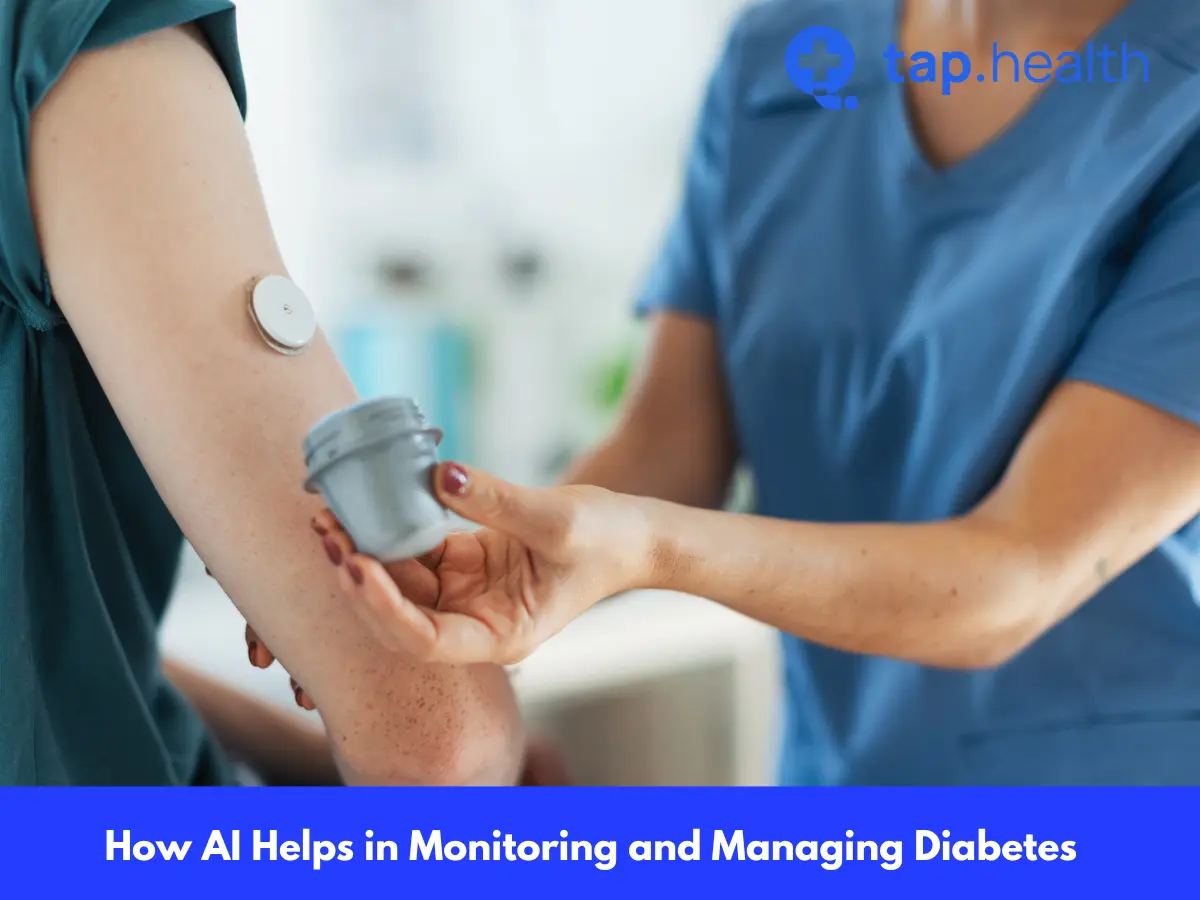
Managing diabetes can be challenging, but new technologies are making it easier. One of the most exciting advancements is Artificial Intelligence (AI). AI helps people monitor and manage their diabetes more effectively. This article explains how AI works in diabetes care using simple language that everyone can understand.
What is Diabetes?
Before we dive into how AI helps with diabetes, let’s quickly understand what diabetes is.
Understanding Diabetes
Diabetes is a condition where your body has trouble controlling the amount of sugar (glucose) in your blood. There are two main types:
- Type 1 Diabetes: Your body doesn’t make enough insulin, a hormone that helps sugar enter your cells.
- Type 2 Diabetes: Your body doesn’t use insulin properly, leading to high blood sugar levels.
Managing diabetes involves keeping your blood sugar levels within a healthy range. This helps prevent complications like heart disease, kidney problems, and nerve damage.
What is Artificial Intelligence (AI)?
Artificial Intelligence (AI) is a type of technology that allows computers to learn and make decisions, much like humans do. AI can analyze large amounts of data quickly and find patterns that help solve problems.
How AI Works
AI uses algorithms, which are sets of instructions, to process information. For example, AI can look at your blood sugar levels over time and predict how they might change in the future. This helps doctors and patients make better decisions about diabetes care.
How AI Helps in Monitoring Diabetes
Monitoring diabetes means keeping track of your blood sugar levels regularly. AI makes this process smarter and more efficient.
1. Continuous Glucose Monitoring (CGM) Systems with AI
Continuous Glucose Monitoring (CGM) systems are devices that constantly check your blood sugar levels throughout the day. When AI is added to these systems, it can:
- Predict Blood Sugar Trends: AI analyzes your blood sugar data to predict future levels. This helps you prepare for any changes.
- Alert You to Problems: If your blood sugar is about to get too high or too low, AI can send you a warning, so you can take action quickly.
2. Predictive Analytics for Blood Sugar Levels
Predictive Analytics uses AI to forecast your blood sugar levels based on your past data. By understanding your patterns, AI can:
- Help Prevent Spikes and Drops: Knowing when your blood sugar might rise or fall helps you manage your diet and medication better.
- Customize Alerts: AI can set personalized alerts based on your unique blood sugar trends.
3. AI-Powered Apps for Tracking
There are many smartphone apps that use AI to help you track your blood sugar levels. These apps can:
- Log Your Data Automatically: AI can input your blood sugar readings, meals, exercise, and medication into the app without much effort from you.
- Provide Insights: AI analyzes your data to give you easy-to-understand insights and tips for better management.
- Remind You to Check: AI-powered reminders ensure you don’t forget to check your blood sugar or take your medication.
How AI Helps in Managing Diabetes
Managing diabetes isn’t just about monitoring blood sugar; it also involves making lifestyle changes and following treatment plans. AI assists in various ways to make this easier.
1. Personalized Treatment Plans
AI can create Personalized Treatment Plans by analyzing your health data. This means:
- Tailored Medications: AI helps determine the best medications and dosages for your specific needs.
- Customized Diet Plans: AI suggests meal plans that suit your blood sugar levels and dietary preferences.
- Exercise Recommendations: AI provides exercise routines that help manage your weight and blood sugar.
2. AI in Insulin Pump Technology
Insulin Pumps are devices that deliver insulin to your body automatically. When AI is integrated into insulin pumps, they can:
- Adjust Insulin Delivery: AI monitors your blood sugar and adjusts insulin levels in real-time, ensuring better control.
- Reduce Manual Input: Less need for you to manually adjust insulin doses, making management easier.
3. Virtual Health Assistants
Virtual Health Assistants are AI-powered programs that can help you manage diabetes. They can:
- Answer Questions: Provide instant answers to your diabetes-related questions.
- Offer Support: Remind you to take your medication, check your blood sugar, or go for a walk.
- Track Progress: Help you keep track of your health goals and achievements.
4. Data Analysis for Lifestyle Recommendations
AI can analyze data from various sources, such as your diet, exercise, and sleep, to provide Lifestyle Recommendations. This helps you:
- Improve Eating Habits: AI can suggest healthier food choices based on your blood sugar levels.
- Enhance Physical Activity: AI recommends the best types of exercise for your condition.
- Optimize Sleep: AI can help you understand how sleep affects your blood sugar and suggest improvements.
Benefits of Using AI in Diabetes Management
Using AI in diabetes care offers several advantages that make managing the condition easier and more effective.
1. Improved Accuracy
AI can analyze data more accurately than humans, reducing the chances of errors in monitoring and managing blood sugar levels.
2. Real-Time Monitoring
AI-powered devices provide real-time monitoring, which means you can get immediate feedback and take action quickly if needed.
3. Enhanced Patient Engagement
AI makes managing diabetes more interactive and engaging, encouraging you to stay on top of your health.
4. Early Detection of Complications
By analyzing patterns in your data, AI can help detect potential complications early, allowing for timely intervention and prevention.
Challenges and Considerations
While AI offers many benefits, there are also challenges and important considerations to keep in mind.
1. Privacy Concerns
Using AI involves sharing personal health data. It’s important to ensure that your data is protected and kept confidential.
2. Accessibility and Affordability
AI-powered devices and apps can be expensive and may not be accessible to everyone. Ensuring affordability and access is crucial for widespread benefits.
3. Need for Human Oversight
AI is a tool to assist, not replace, healthcare providers. Human oversight is necessary to interpret AI recommendations and make informed decisions.
The Future of AI in Diabetes Care
AI is continuously evolving, and its role in diabetes care is expected to grow. Future advancements may include:
- Advanced Predictive Models: More accurate predictions of blood sugar levels and diabetes complications.
- Integration with Other Technologies: Combining AI with wearable devices and smart home technologies for comprehensive health management.
- Enhanced Personalization: Even more tailored treatment plans based on individual genetics and lifestyle.
Conclusion
Artificial Intelligence is transforming how we monitor and manage diabetes. By providing accurate data analysis, personalized treatment plans, and real-time monitoring, AI helps people with diabetes live healthier and more controlled lives. While there are challenges to overcome, the benefits of AI in diabetes care are significant and promising. Embracing these technologies, with the guidance of healthcare professionals, can lead to better health outcomes and improved quality of life for those managing diabetes.
Frequently Asked Questions (FAQs) on How AI Helps in Monitoring and Managing Diabetes
1. What is AI in diabetes care?
AI in diabetes care refers to using artificial intelligence technologies, like machine learning and data analysis, to help monitor and manage diabetes more effectively.
2. How does AI improve blood sugar monitoring?
AI improves blood sugar monitoring by analyzing large amounts of data to predict blood sugar trends, provide real-time alerts, and offer personalized insights.
3. Can AI replace doctors in managing diabetes?
No, AI cannot replace doctors. It is a tool that assists healthcare providers by providing data and insights, but human oversight is essential for making informed decisions.
4. Are AI-powered diabetes management tools expensive?
Some AI-powered tools can be expensive, but prices are decreasing as technology advances. It’s important to check with healthcare providers for affordable options.
5. How secure is my data when using AI tools?
Data security varies by device and app. Always choose reputable brands that prioritize data privacy and use secure methods to protect your information.
6. Can AI help with both Type 1 and Type 2 diabetes?
Yes, AI can assist in managing both Type 1 and Type 2 diabetes by providing monitoring, personalized treatment plans, and predictive analytics.
7. Do I need to be tech-savvy to use AI tools for diabetes?
No, most AI tools are designed to be user-friendly. Many come with simple instructions and support to help you use them effectively.
8. How can AI help prevent diabetes complications?
AI helps prevent diabetes complications by providing early warnings of abnormal blood sugar levels, helping you stay on track with your treatment plan, and identifying potential health issues before they become serious.
9. Are there any risks associated with using AI in diabetes management?
While AI offers many benefits, risks include data privacy concerns, potential over-reliance on technology, and the need for accurate data input. It’s important to use AI tools as part of a comprehensive care plan with professional guidance.
10. Where can I find AI-powered diabetes management tools?
AI-powered tools can be found through healthcare providers, specialized diabetes care websites, and technology companies that focus on health innovations. Always consult with your healthcare provider before starting any new tool.
References
- Centers for Disease Control and Prevention (CDC) – Diabetes and Technology
- Mayo Clinic – Artificial Intelligence and Diabetes
- National Institute of Diabetes and Digestive and Kidney Diseases (NIDDK) – Diabetes Technology
- Harvard Health Publishing – How AI is Revolutionizing Diabetes Care