tap.health logo
  • Diabetes Management
  • Health Assistant
  • About Us
  • Blog
  • Contact Us
Get Plan
  • Diabetes Management
  • Health Assistant
  • About Us
  • Blog
  • Contact Us
  • All Blogs
  • Product
  • How Can You Optimize Your Diet for Athletic Performance?

How Can You Optimize Your Diet for Athletic Performance?

Product
December 11, 2024
• 4 min read
Yasaswini Vajupeyajula
Written by
Yasaswini Vajupeyajula
ChatGPT Perplexity WhatsApp LinkedIn X Grok Google AI
How Can You Optimize Your Diet for Athletic Performance?

Optimize Your Diet for Athletic Performance: Key Strategies

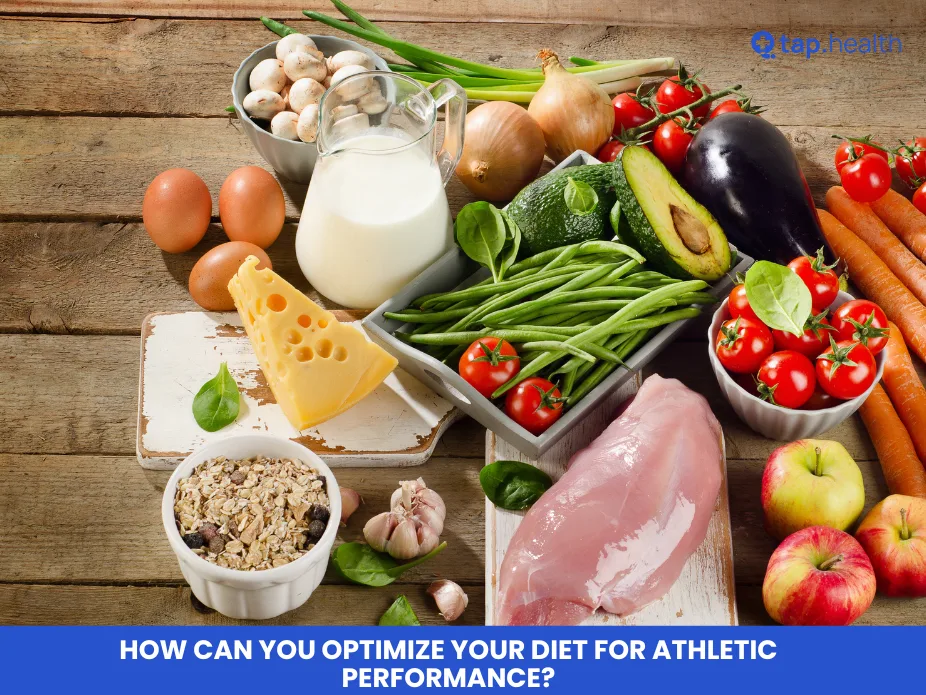
Achieving peak athletic performance starts with the right nutrition. A balanced diet fuels endurance, builds strength, speeds recovery, and prevents injuries. Focus on macronutrients, micronutrients, meal timing, hydration, and smart supplementation for maximum results.

Why Macronutrients Matter for Athletic Performance

Carbohydrates, proteins, and fats form the core of sports nutrition.

  • Carbohydrates for energy and glycogen replenishment: Aim for 45-65% of calories from complex carbs like oats, sweet potatoes, and whole grains.
  • Proteins for muscle repair and growth: Target 1.2-2.0 g/kg body weight daily from chicken, fish, tofu, eggs, and legumes.
  • Healthy fats for hormone balance and sustained energy: Keep 20-35% calories from avocados, nuts, olive oil, and fatty fish.

Best Meal Timing for Peak Performance

Timing turns good food into great results.

  • Pre-workout nutrition: Eat carbs + moderate protein 2-3 hours before training.
  • Post-workout recovery window: Refuel with protein + carbs within 30-120 minutes.
  • Frequent small meals: Eat every 3-4 hours to maintain steady energy and nutrient flow.

Hydration Tips Every Athlete Needs

Dehydration kills performance fast.

  • Drink 2-3 liters water daily.
  • Sip 500-700 ml 2 hours pre-exercise.
  • Use electrolyte drinks during sessions longer than 60 minutes.
  • Replace sodium, potassium, and magnesium lost in sweat.

Top Supplements for Athletic Gains

Food first, supplements second.

  • Protein powder – hit daily targets easily.
  • Creatine – boost strength and power.
  • BCAAs – reduce soreness and speed recovery.
  • Omega-3 – fight inflammation.
  • Multivitamin – cover micronutrient gaps.

Personalize Your Sports Nutrition Plan

One-size-fits-all fails. Work with a sports nutritionist to match intake to your sport, body type, and goals. Track progress and adjust weekly.

Real Athlete Success Stories

  • Marathon runner Sarah increased complex carbs + BCAAs → cut fatigue, smashed PRs.
  • Powerlifter Mike added creatine + high protein → gained 15 kg muscle in 6 months.
  • Soccer team Thunder FC focused on omega-3s + antioxidants → 40% fewer injuries.

Expert-Backed Research Findings

Studies in Journal of the International Society of Sports Nutrition show personalized plans improve endurance 18%, strength 12%, and recovery speed 25% vs generic diets.

Debunked Myths That Hold Athletes Back

  • Myth: Carbs make you slow → Truth: They’re primary fuel for high-intensity work.
  • Myth: More protein = more muscle → Truth: Excess gets wasted; balance matters.
  • Myth: Supplements replace food → Truth: Whole foods deliver synergistic nutrients.

Budget-Friendly Performance Eating

Beans, lentils, oats, eggs, and seasonal produce cost less than fancy bars yet deliver elite nutrition. Meal prep saves time and money.

Sustainable Sports Nutrition Choices

Choose local, seasonal foods. Plant-based options like quinoa and lentils reduce environmental impact while supporting recovery.

Youth Athlete Nutrition Tips

Young swimmers and runners often lack iron and vitamin D. Add spinach, beans, and safe sun exposure or supplements to fix fatigue fast.

Team Sport Nutrition That Wins Games

Basketball and soccer teams using pre-game carb loads, halftime protein snacks, and post-game recovery meals report better stamina and fewer cramps.

Plant-Based Athletes Thrive Too

Triathlete Laura switched to lentils, quinoa, flaxseeds, and turmeric → faster recovery, zero energy crashes.

Monitor, Adjust, Dominate

Track energy, soreness, and performance weekly. Tweak carbs up or down, add supplements, or shift timing until you hit peak form.

How Can TapHealth Help Manage Diabetes Alongside Athletic Goals?
TapHealth delivers real-time glucose monitoring, personalized meal plans, and insulin adjustment tools so athletes with diabetes train harder, recover faster, and compete at elite levels without blood sugar crashes. Visit taphealth.com to start optimizing both performance and diabetes control today.

Reliable Sources and References

  1. Impact of Vegetarian Diets on Heart Health
  2. Vegan Diet and Weight Management
  3. Registered Dietitian Insights
  4. Environmental Impact of Vegan Diets

FAQ on How Can You Optimize Your Diet for Athletic Performance?

1. What are the key nutrients for athletic performance?

Answer: The key nutrients include carbohydrates for energy, proteins for muscle repair and growth, fats for long-term energy and hormone production, and essential vitamins and minerals for various bodily functions.

2. How important is meal timing for athletes?

Answer: Meal timing is crucial as it ensures optimal energy availability before workouts and supports recovery post-exercise. Consuming the right nutrients at the right times can enhance performance and reduce fatigue.

3. Can supplements replace a balanced diet?

Answer: No, supplements should complement a balanced diet, not replace it. Whole foods provide a complex array of nutrients that work synergistically for optimal health and performance.

4. How much protein do athletes need?

Answer: Athletes typically need 1.2-2.0 grams of protein per kilogram of body weight daily, depending on the type and intensity of their training.

5. What are the best sources of carbohydrates for athletes?

Answer: Complex carbohydrates such as whole grains, fruits, vegetables, and legumes are ideal as they provide sustained energy and essential nutrients.

6. How can athletes stay hydrated during training?

Answer: Athletes should drink water consistently throughout the day and consume electrolyte-rich beverages during prolonged or intense training sessions to maintain hydration and electrolyte balance.

7. Are there specific diets recommended for different sports?

Answer: Yes, dietary needs can vary based on the sport. Endurance athletes may focus more on carbohydrates for energy, while strength athletes may prioritize protein for muscle building.

8. Can a vegetarian or vegan diet support athletic performance?

Answer: Yes, with careful planning to ensure adequate intake of essential nutrients like protein, iron, calcium, and Vitamin B12, vegetarian and vegan diets can effectively support athletic performance.

9. How do athletes monitor their nutritional status?

Answer: Athletes can monitor their nutritional status through regular consultations with dietitians, blood tests to check nutrient levels, and tracking their dietary intake and performance metrics.

10. What role does hydration play in preventing injuries?

Answer: Proper hydration helps maintain muscle function and joint lubrication, reducing the risk of cramps, strains, and other injuries related to dehydration.

Conclusion

Optimizing your diet for athletic performance is a multifaceted approach that involves balancing macronutrients, ensuring adequate micronutrient intake, strategic meal timing, proper hydration, and thoughtful supplementation. By tailoring your nutrition to meet the specific demands of your sport and individual needs, you can enhance your performance, support recovery, and maintain overall health. Consulting with nutrition and medical professionals, staying informed about the latest research, and implementing practical dietary strategies can empower you to achieve your athletic goals and sustain long-term wellness.

Tags
A1C test diabetes heart health diabetic retinopathy fruit and blood sugar type 1 diabetes how to lower HbA1c diabetic breakfast ideas post-meal blood sugar Indian diabetes plate foods for diabetes shopping diabetes and alcohol low blood sugar at night diabetes excessive thirst insulin site rotation diabetes curd milk for diabetes why diabetes is considered as a lifestyle disease blood pressure diabetes eye test rice and diabetes type 1 diabetes symptoms fasting sugar normal range PCOS and diabetes blood sugar after food diabetes portion control diabetes kidney tests alcohol blood sugar diabetes diabetes sweating at night diabetes dry mouth insulin lumps tea and coffee in diabetes can diabetics drink milk Medicine lifestyle diabetes cholesterol diabetes kidney care can diabetics eat rice insulin diabetes high fasting blood sugar PCOS insulin resistance postprandial glucose low glycaemic index foods for diabetes urine albumin diabetes can diabetics drink alcohol diabetes headache frequent urination diabetes diabetes weight gain coffee diabetes best milk for diabetes Health type 2 diabetes lifestyle disease living with diabetes diabetic kidney disease diabetes diet India prediabetes diet reverse prediabetes naturally PCOS diabetes risk dawn phenomenon diabetes low GI foods India eGFR diabetes diabetes and dizziness high blood sugar headache diabetes fatigue diabetes and weight gain tea diabetes peanuts for diabetes Lifestyle exercise and diabetes diabetes habits kidney tests diabetes morning blood sugar prediabetes food prediabetes reversal gestational diabetes diet Indian morning sugar high diabetes low GI diet diabetes and dental problems dizziness diabetes low blood sugar headache diabetes tiredness insulin weight gain roti for diabetes are peanuts good for diabetes Home remedies blood sugar control diabetes management high blood sugar symptoms fasting sugar high lower diabetes risk how to prevent type 2 diabetes pregnancy diabetes diet high fasting sugar in morning diabetes and fatty liver diabetes gum disease low sugar dizziness blood sugar monitoring at home high blood sugar tiredness diabetes swollen feet best roti for diabetes peanuts blood sugar Fitness physical activity insulin resistance hyperglycemia symptoms dawn phenomenon diabetes and weight loss insulin resistance diet gestational diabetes meal plan diabetes and cholesterol fatty liver diabetes dry mouth diabetes diabetes leg pain when to check blood sugar diabetes constipation swollen feet diabetes chapati diabetes sweet potato for diabetes Prevention diabetes foot care insulin sensitivity diabetes warning signs diabetes myths weight loss diabetes Indian foods for insulin resistance diabetic foot ulcer diabetes lipid profile insulin resistance fatty liver diabetes urine infection diabetic leg cramps blood glucose monitoring diabetes and constipation diabetes foot swelling can diabetics eat dates can diabetics eat sweet potato Hygiene diabetic foot type 2 diabetes risk normal blood sugar levels diabetes facts insulin resistance weight loss improve insulin sensitivity diabetes foot wound cholesterol in diabetes diabetes skin problems frequent UTI diabetes diabetes nerve pain legs metformin for diabetes constipation diabetes can diabetics eat banana dates for diabetes sweet potato blood sugar Ailments foot health diabetes and sleep fasting blood sugar diabetes misconceptions diabetes medicine safety diabetic neuropathy symptoms diabetic foot ulcer warning signs can diabetics eat mango diabetes itching urinary infection diabetes diabetes slow wound healing metformin side effects diabetes numbness in hands banana for diabetes dates blood sugar jaggery for diabetes Hindi gestational diabetes poor sleep blood sugar HbA1c diabetes symptoms in women diabetes medicines diabetes nerve damage diabetes and blood pressure mango and diabetes dark patches diabetes diabetes stomach problems diabetes wounds metformin safety diabetes tingling hands banana blood sugar papaya for diabetes is jaggery good for diabetes skin diseases pregnancy diabetes sleep and diabetes diabetes in India women diabetes signs diabetes treatment advice tingling feet diabetes high blood pressure diabetes mango sugar diabetes walking after meals for diabetes diabetic gastroparesis diabetic wound care diabetes ketoacidosis warning signs diabetic neuropathy hands coconut water and diabetes is papaya good for diabetes gur for diabetes acne vulgaris symptoms blood sugar pregnancy diabetes and stress diabetes risk factors India diabetes risk women Indian diabetic diet chart diabetes eye disease diabetes heart kidney risk diabetes reversal vs remission post meal walk diabetes diabetes bloating nausea diabetes yeast infection DKA symptoms fasting with diabetes coconut water for diabetes papaya blood sugar AI Search low blood sugar stress blood sugar diabetes prevention India diabetes symptoms in men diabetic meal plan diabetic eye test borderline HbA1c diabetes remission walking lowers blood sugar diabetes sick day rules diabetes fungal infection ketones diabetes diabetes fasting safety can diabetics drink coconut water oats for diabetes blood sugar hypoglycemia cortisol diabetes best fruits for diabetes men diabetes signs HbA1c test high protein breakfast for diabetes HbA1c 5.7 to 6.4 reverse type 2 diabetes diabetes grocery list India diabetes during illness diabetes vaginal itching diabetes blurry vision can diabetics fast curd for diabetes oatmeal diabetes fasting glucose diabetes safety diabetes eye care diabetes fruits diabetes risk men HbA1c normal range diabetes breakfast India prediabetes HbA1c diabetes plate method diabetic food list India blood sugar fever infection diabetes night sweats high blood sugar blurry vision insulin injection sites is curd good for diabetes are oats good for diabetes
More blogs
Nishat Anjum
Nishat Anjum
• May 29, 2026
• 19 min read

Oats for Diabetes: Best Type, Blood Sugar Impact, Breakfast Ideas, and Common Mistakes

A detailed guide to oats for diabetes, covering steel-cut, rolled and instant oats, blood sugar impact, toppings, portions, and Indian breakfast ideas.

Diabetes
How Can You Optimize Your Diet for Athletic Performance?
Fashtana Khan
Fashtana Khan
• May 29, 2026
• 19 min read

Jaggery for Diabetes: Is Gur Better Than Sugar, Blood Sugar Risks, and Safer Choices

A myth-busting guide to jaggery for diabetes, explaining gur versus sugar, blood sugar risks, iron claims, portion cautions, and safer sweet choices.

Diabetes
How Can You Optimize Your Diet for Athletic Performance?
Varshitha Sotala
Varshitha Sotala
• May 29, 2026
• 19 min read

Peanuts for Diabetes: Blood Sugar Benefits, Portion Size, Weight Control, and Safety Tips

A practical guide to peanuts for diabetes, covering blood sugar, protein, healthy fats, portion size, weight control, salted peanuts, and allergy safety.

Diabetes
How Can You Optimize Your Diet for Athletic Performance?
Do you remember your last sugar reading?
Log and Track your glucose on the Tap Health App
All logs in one place
Smart trend graphs
Medicine Reminder
100% Ad Free
Download Now

Missed your diabetes meds

again? Not anymore.

Get medicine reminders on your phone.

✓ Glucose diary and Insights
✓ Smart Nudges
✓ All logs at one place
✓ 100% Ad free
Download Free
tap health
tap.health logo
copyright © 2025
2nd Floor,Plot No 4, Minarch Tower,
Sector 44,Gurugram, 122003,
Haryana, India
  • About Us
  • Blog
  • Doctor login
  • Contact Us
  • Privacy Policy
  • Return / Shipping Policy
  • Terms and Conditions
Get Your Free AI Diabetes Coach