tap.health logo
  • Diabetes Management
  • Health Assistant
  • About Us
  • Blog
  • Contact Us
Get Plan
  • Diabetes Management
  • Health Assistant
  • About Us
  • Blog
  • Contact Us
  • All Blogs
  • Weight loss
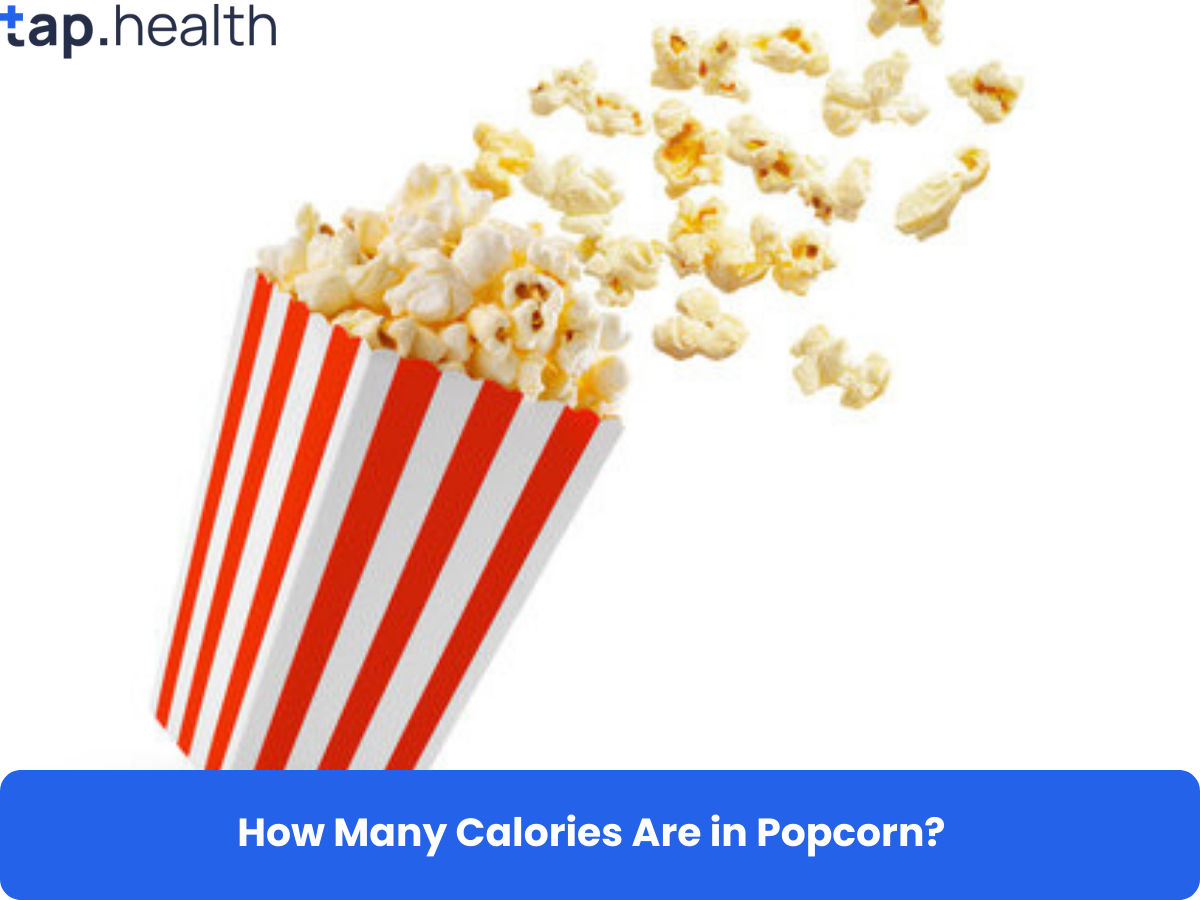
  • How Many Calories Are in Popcorn? A Complete Guide

How Many Calories Are in Popcorn? A Complete Guide

Weight loss
December 5, 2025
• 8 min read
Nishat Anjum
Written by
Nishat Anjum
Nishat Anjum
Reviewed by:
Nishat Anjum
ChatGPT Perplexity WhatsApp LinkedIn X Grok Google AI
how-many-calories-are-in-popping-corn-a-complete-guide

Popcorn is one of the most beloved snacks worldwide, whether you’re enjoying it during a movie night, at the cinema, or as a healthy snack option. But when you’re trying to maintain a balanced diet, it’s essential to understand the nutritional content of the foods you consume, including Popcorn. If you’re wondering how many calories are in Popcorn, you’re not alone. This article will dive into everything you need to know about the calorie count, the nutritional value of popcorn, and how to enjoy it in a healthy way.

In this comprehensive guide, we will explore the calorie count of popping Popcorn, including factors that affect its calorie content, and offer tips on how to enjoy popcorn in a healthier manner.

What Is Popcorn?

Popcorn, is a whole grain that comes from a variety of corn kernel specifically cultivated for its ability to pop when heated. When you heat popcorn kernels, the moisture inside the kernel turns to steam, causing the kernel to expand and pop. The result is a light, fluffy snack that can be enjoyed plain or flavored with various seasonings.

Popcorn is often seen as a healthier snack when compared to other processed snacks, especially when it’s air-popped and not loaded with butter or oil. It is high in fiber, making it a great snack for weight management and digestive health.

Types of Popcorn

There are different ways to prepare popcorn, each impacting the calorie content:

  1. Air-Popped Popcorn: This is the healthiest form of popcorn, as it’s made without oil or butter. Air-popped popcorn is low in calories and fat.
  2. Stovetop Popcorn: This version is made by popping kernels in a pot with oil. The calorie count increases with the amount of oil used.
  3. Microwave Popcorn: Many people opt for microwave popcorn, which can be more convenient but often comes with added butter and flavorings. These additives increase the calorie count.
  4. Movie Theater Popcorn: Popcorn served at movie theaters is typically popped in oil and then coated with butter and salt. This variety is much higher in calories due to the added fats.

Now that we know the types of popcorn, let’s explore how many calories you can expect from different preparations.

How Many Calories Are in Popcorn?

The number of calories in popcorn can vary based on how it’s prepared. Let’s break down the calorie count for the different types of Popcorn.

1. Air-Popped Popcorn

Air-popped popcorn is the healthiest and lowest-calorie option. When popped without any oil or butter, one cup of air-popped popcorn (approximately 8 grams) contains about:

  • Calories: 30-35 calories
  • Fat: 0 grams
  • Carbohydrates: 6-7 grams
  • Fiber: 1-2 grams
  • Protein: 1 gram

Total Calories for 3 Cups (about 24 grams): 90-105 calories

Air-popped popcorn is low in calories and fat, making it a perfect snack for those who are mindful of their calorie intake.

2. Stovetop Popcorn (with oil)

When you pop popcorn on the stovetop with oil, the calorie count increases due to the added fat. On average, one cup of stovetop popcorn (made with oil) contains:

  • Calories: 55-60 calories
  • Fat: 3-4 grams
  • Carbohydrates: 6-7 grams
  • Fiber: 1-2 grams
  • Protein: 1 gram

Total Calories for 3 Cups (about 24 grams): 165-180 calories

The calorie content of stovetop popcorn will vary depending on the amount of oil used. For example, using a tablespoon of oil instead of a teaspoon will increase the calorie count.

3. Microwave Popcorn

Microwave popcorn is convenient and comes in various flavors, such as buttered, salted, or even caramel. The calorie count varies significantly based on the brand and type. A typical serving of microwave popcorn (about 1 ounce or 28 grams) might contain:

  • Calories: 100-150 calories (for a buttered or salted version)
  • Fat: 5-10 grams (mostly from butter or oil)
  • Carbohydrates: 12-15 grams
  • Fiber: 2-3 grams
  • Protein: 2-3 grams

Total Calories for 3 Cups (about 24 grams): 120-150 calories

While microwave popcorn is relatively easy to prepare, the added butter, salt, and artificial flavorings can increase the calorie count, making it a less healthy option compared to air-popped popcorn.

4. Movie Theater Popcorn

Popcorn at movie theaters is typically prepared with oil and topped with a generous amount of butter, which significantly increases its calorie content. A large serving (about 10 cups) of movie theater popcorn can contain:

  • Calories: 700-1,200 calories (depending on the serving size and the amount of butter added)
  • Fat: 40-50 grams
  • Carbohydrates: 70-100 grams
  • Fiber: 8-12 grams
  • Protein: 10-12 grams

Total Calories for 1 Cup: 70-120 calories

Movie theater popcorn is highly calorie-dense due to the butter and oil, making it an indulgent treat that should be consumed in moderation if you’re watching your calorie intake.


Factors That Affect the Calorie Content of Popcorn

Several factors can affect the calorie count of Popcorn, depending on how it’s prepared and flavored. Let’s dive into these factors:

1. Type of Oil Used

The type of oil used to pop popcorn can influence its calorie content. For instance:

  • Olive oil: A healthier option, but still calorie-dense (about 120 calories per tablespoon).
  • Canola oil: A commonly used oil, with around 120 calories per tablespoon.
  • Butter: If you use butter instead of oil, the calorie count will increase further. A tablespoon of butter adds about 100 calories.

Using less oil or butter will result in fewer calories, so portion control is key if you’re trying to keep the calorie count low.

2. Butter and Seasonings

Adding butter, sugar, salt, or other flavorings to your popcorn can increase the calorie content. For example, one tablespoon of butter adds about 100 calories, while a sprinkle of salt won’t add much, but flavored popcorns like caramel or cheese can significantly increase the calories.

Here’s a breakdown:

  • Butter (1 tbsp): 100 calories
  • Caramel coating (per 1 oz): 130-150 calories
  • Cheese powder (per 1 oz): 150-200 calories

3. Portion Size

The amount of popcorn you consume will obviously affect the total calories. A small portion (1-2 cups) will contain fewer calories, while a large portion (like a bag or tub from the theater) can pack in hundreds of calories.

  • 1 cup of air-popped popcorn: About 30-35 calories
  • 1 cup of movie theater popcorn: About 70-120 calories
  • 1 ounce of microwave popcorn: About 100-150 calories

Being mindful of portion sizes is essential to controlling the number of calories you consume from popcorn.


The Nutritional Breakdown of Popcorn

Popcorn is more than just a low-calorie snack; it also provides several nutritional benefits, especially when it’s air-popped. Here’s a general breakdown of the nutrients you’ll find in a typical serving of air-popped popcorn (about 3 cups):

1. Calories:

Air-popped popcorn provides approximately 90-105 calories for 3 cups, making it a very low-calorie snack option.

2. Carbohydrates:

Popcorn is high in carbohydrates, which provide energy. A 3-cup serving contains about 18-21 grams of carbohydrates. This makes it a great snack for keeping your energy levels up.

3. Fiber:

One of the main health benefits of popcorn is its fiber content. A 3-cup serving of air-popped popcorn provides about 3 grams of fiber, which helps with digestion and satiety.

4. Fat:

Popcorn itself is naturally low in fat, but if you add butter, oil, or other toppings, the fat content will increase. A serving of air-popped popcorn has about 0 grams of fat, while oil-popped varieties can contain 3-5 grams of fat per serving.

5. Protein:

Popcorn provides a small amount of protein, with about 3 grams of protein per 3 cups of air-popped popcorn. This helps contribute to the snack’s overall satiety.

6. Vitamins and Minerals:

Popcorn contains small amounts of several important vitamins and minerals, including:

  • Iron: Helps with oxygen transport in the blood.
  • Magnesium: Supports muscle function and bone health.
  • Phosphorus: Important for bone health.

While popcorn is not a major source of vitamins and minerals, it does provide some essential nutrients.


Healthier Ways to Enjoy Popcorn

While popcorn can be a healthy snack, how you prepare it matters. Here are some tips on how to enjoy popcorn without going overboard on calories:

1. Air-Pop Your Popcorn

Using an air-popper is the healthiest way to prepare popcorn. It requires no oil, so you avoid the extra calories and fat associated with oil-popped or buttered popcorn.

2. Control Your Additives

Use minimal butter or oil when making your popcorn. A drizzle of olive oil or a sprinkle of your favorite seasoning can add flavor without excessive calories.

3. Add Healthy Toppings

Instead of butter, try adding some flavor with spices such as cinnamon, chili powder, or nutritional yeast. These options are low-calorie and can add a unique twist to your popcorn.

4. Watch Your Portion Size

While popcorn is low in calories, it’s easy to overeat if you’re not mindful. Stick to small portions (1-2 cups) to keep your snack under control.

Real-Life Scenario

Meet Anjali, a 34-year-old IT professional from Bangalore.

  • The Problem: Anjali sits at her desk for 9 hours a day. Around 4:00 PM, she gets cravings. She used to order a plate of momos or eat biscuits from the office pantry. She was gaining weight and feeling sluggish.
  • The Change: She bought a bag of plain Popcorn kernels (costing just ₹40 for 500g). She started popping them at home in the morning with just a pinch of salt and turmeric. She packed it in a large tiffin box.
  • The Result: Now, when she feels hungry, she munches on her homemade popcorn. It takes her 15 minutes to eat (because of the chewing), which satisfies her brain. She saves about 300 calories every day compared to her old biscuit habit.

Expert Contribution

Dr. R. Mehta, Senior Dietitian: “The biggest benefit of popcorn is the Satiety Index. Popcorn is full of air and fibre. It physically takes up space in your stomach. When you eat a biscuit, it dissolves instantly. When you eat popcorn, you have to chew, and the bulk signals your brain that you are full. For my diabetic patients, I recommend popcorn over rusks or white bread because it has a lower Glycaemic Index (GI) and doesn’t spike sugar as rapidly.”


Recommendations Grounded in Proven Research and Facts

If you want to include popcorn in your diet safely, follow these rules based on medical facts:

  1. Check the Sodium (Salt): High salt causes high blood pressure. Research shows that instant popcorn bags can have over 15% of your daily salt limit in one serving. Tip: Make it at home and control the salt.
  2. Avoid “Trans Fats”: Many movie theatre popcorns use hydrogenated oils (trans fats) to keep the popcorn crispy. These fats are linked to heart disease.
  3. Drink Water: Popcorn is high in fibre. Fibre needs water to move through your digestion. If you eat a lot of dry popcorn without water, you might feel bloated or constipated.
  4. Choking Hazard: Do not give popcorn to children under 4 years old. The unpopped kernels (“old maids”) can easily block their small windpipes.

How to Make “Healthy Masala Popcorn” at Home

You don’t need a fancy machine. Here is the Indian way to make it healthy:

  1. Take a heavy-bottomed pressure cooker (without the lid whistle).
  2. Add 1 teaspoon of Ghee or Coconut Oil.
  3. Add 1/2 teaspoon of Turmeric (Haldi) and a pinch of salt.
  4. Add 1/2 cup of Corn Kernels.
  5. Stir well so every kernel is yellow.
  6. Cover with the lid (remove the whistle/weight). Keep the flame medium-high.
  7. Shake the cooker every 30 seconds.
  8. Once the “pop-pop” sound slows down to once every 2 seconds, turn off the gas immediately.

Calories per serving: Approx 60 kcal. Taste: 10/10.


Frequently Asked Questions (FAQ) on How Many Calories Are in Popcorn? A Complete Guide

1. How many calories are in a cup of air-popped popcorn?

One cup of air-popped popcorn typically contains about 30-35 calories.

2. Is popcorn a healthy snack?

Yes, popcorn can be a healthy snack, especially when it’s air-popped without excessive oil or butter. It’s high in fiber and low in calories, making it a great option for weight management and digestion.

3. How many calories are in microwave popcorn?

Microwave popcorn can range from 100-150 calories per ounce, depending on the brand and whether it’s flavored with butter or other additives.

4. How many calories are in movie theater popcorn?

A large serving of movie theater popcorn can contain between 700-1,200 calories, depending on the serving size and amount of butter added.

5. Can I make popcorn healthier?

Yes! You can make popcorn healthier by air-popping it, controlling the amount of oil and butter you use, and adding healthier toppings like spices or nutritional yeast.


In conclusion, the calorie count in Popcorn can vary widely depending on the preparation method and portion size. Air-popped popcorn is the healthiest option, with as little as 30 calories per cup. By choosing the right preparation method and controlling portion sizes, popcorn can be a guilt-free snack that’s both satisfying and nutritious.

References & Scientific Data

1. USDA FoodData Central (United States Department of Agriculture)

  • Topic: Official Calorie & Nutrient Data
  • Relevance: This is the global standard for nutritional data. It confirms that air-popped popcorn contains roughly 31 calories per cup and oil-popped contains roughly 55 calories per cup.
  • Source: USDA FoodData Central – Popcorn, Air-Popped

2. American Heart Association (AHA)

  • Topic: Whole Grains & Heart Health
  • Relevance: Validates the claim that popcorn is a 100% whole grain. The AHA lists popcorn as a healthy snack choice that provides essential fibre, which can lower the risk of heart disease and diabetes when prepared without excess salt/butter.
  • Source: American Heart Association – Popcorn as a Whole Grain

3. Nutrition Journal (Study on Satiety)

  • Topic: Satiety Index (Feeling Full)
  • Relevance: A specific study (often cited as Nguyen et al.) compared popcorn to potato chips. It found that popcorn exerts a stronger effect on short-term satiety than potato chips, meaning people feel fuller faster and eat fewer calories overall.
  • Source: Nutrition Journal – Popcorn vs. Potato Chips Satiety Study

4. University of Scranton (Research by Dr. Joe Vinson)

  • Topic: Antioxidants (Polyphenols)
  • Relevance: This famous study discovered that the hull (the hard shell) of popcorn contains high levels of polyphenols (antioxidants). In fact, it can have more antioxidants than some fruits because it is less diluted by water. This supports the “Health Benefits” section.
  • Source: American Chemical Society – Popcorn contains more antioxidants than some
Tags
diabetes prevention foot health diabetes and sleep fasting blood sugar diabetes misconceptions diabetes medicine safety diabetic neuropathy symptoms diabetic foot ulcer warning signs can diabetics eat mango diabetes itching urinary infection diabetes diabetes slow wound healing metformin side effects diabetes numbness in hands banana for diabetes dates blood sugar jaggery for diabetes is poha good for diabetes guava blood sugar India diabetes postpartum diabetes risk type 1 vs type 2 diabetes diabetes vs high cholesterol latent autoimmune diabetes in adults diabetes and menopause insulin storage at home diabetes and muscle loss diabetes triglycerides diabetes and shift work smoking diabetes risk GLP-1 weight loss diabetes diabetes hunger cravings CGM sensor rash A1C gestational diabetes poor sleep blood sugar HbA1c diabetes symptoms in women diabetes medicines diabetes nerve damage diabetes and blood pressure mango and diabetes dark patches diabetes diabetes stomach problems diabetes wounds metformin safety diabetes tingling hands banana blood sugar papaya for diabetes is jaggery good for diabetes poha blood sugar orange for diabetes sugar spike after rice diabetes after pregnancy type 1 and type 2 diabetes difference lipid profile diabetes diabetes vs MODY menopause blood sugar insulin fridge temperature diabetes muscle weakness diabetes and high blood pressure night shift diabetes diabetes quit smoking semaglutide diabetes best shoes for diabetic feet diabetes adhesive allergy CGM Medicine blood sugar pregnancy diabetes sleep and diabetes diabetes in India women diabetes signs diabetes treatment advice tingling feet diabetes high blood pressure diabetes mango sugar diabetes walking after meals for diabetes diabetic gastroparesis diabetic wound care diabetes ketoacidosis warning signs diabetic neuropathy hands coconut water and diabetes is papaya good for diabetes gur for diabetes sprouts for diabetes can diabetics eat oranges Indian diet diabetes gestational diabetes India difference between type 1 and type 2 diabetes diabetes vs neuropathy MODY diabetes symptoms type 2 diabetes menopause glucometer errors sarcopenia diabetes diabetes hypertension diabetes meal timing shift work diabetes neuropathy pain relief diabetes and migraine diabetic socks foot ulcer prevention diabetes monsoon care Health fasting glucose blood sugar pregnancy diabetes and stress diabetes risk factors India diabetes risk women Indian diabetic diet chart diabetes eye disease diabetes heart kidney risk diabetes reversal vs remission post meal walk diabetes diabetes bloating nausea diabetes yeast infection DKA symptoms fasting with diabetes coconut water for diabetes papaya blood sugar watermelon for diabetes are sprouts good for diabetes orange blood sugar glucose spike symptoms continuous glucose monitor India diabetes vs diabetes insipidus diabetes vs heart disease maturity onset diabetes of the young diabetes and frozen shoulder wrong blood sugar reading diabetes and anaemia BP in diabetes diabetes and vitamin D diabetic neuropathy burning feet diabetes headache triggers diabetes and driving diabetes rainy season foot infection Lifestyle A1C test low blood sugar stress blood sugar diabetes prevention India diabetes symptoms in men diabetic meal plan diabetic eye test borderline HbA1c diabetes remission walking lowers blood sugar diabetes sick day rules diabetes fungal infection ketones diabetes diabetes fasting safety can diabetics drink coconut water oats for diabetes can diabetics eat watermelon sprouts blood sugar brown bread for diabetes post meal blood sugar CGM cost India diabetes mellitus vs diabetes insipidus diabetes heart disease risk continuous glucose monitor diabetes frozen shoulder diabetes reactive hypoglycaemia anaemia diabetes HbA1c diabetes and liver enzymes vitamin D deficiency diabetes diabetes gastroparesis blood sugar migraine driving with diabetes monsoon diabetes tips Home remedies diabetes diet hypoglycemia cortisol diabetes best fruits for diabetes men diabetes signs HbA1c test high protein breakfast for diabetes HbA1c 5.7 to 6.4 reverse type 2 diabetes diabetes grocery list India diabetes during illness diabetes vaginal itching diabetes blurry vision can diabetics fast curd for diabetes oatmeal diabetes watermelon blood sugar methi seeds for diabetes bread for diabetes diabetes blood pressure time in range diabetes insipidus symptoms diabetes and heart attack CGM diabetes diabetic shoulder pain low blood sugar after eating low haemoglobin diabetes high SGPT diabetes vitamin D insulin resistance diabetic gastroparesis symptoms diabetes and thyroid medication low blood sugar driving diabetes and antibiotics Fitness balanced meals diabetes safety diabetes eye care diabetes fruits diabetes risk men HbA1c normal range diabetes breakfast India prediabetes HbA1c diabetes plate method diabetic food list India blood sugar fever infection diabetes night sweats high blood sugar blurry vision insulin injection sites is curd good for diabetes are oats good for diabetes apple for diabetes fenugreek for diabetes whole wheat bread diabetes diabetes heart risk glucometer accuracy diabetes vs metabolic syndrome gestational diabetes vs type 2 diabetes continuous glucose monitoring metformin vitamin B12 deficiency postprandial hypoglycaemia diabetes and uric acid SGOT SGPT diabetes diabetes and magnesium delayed stomach emptying diabetes levothyroxine diabetes diabetes in older adults antibiotics blood sugar diabetes Prevention healthy eating diabetes heart health diabetic retinopathy fruit and blood sugar type 1 diabetes how to lower HbA1c diabetic breakfast ideas post-meal blood sugar Indian diabetes plate foods for diabetes shopping diabetes and alcohol low blood sugar at night diabetes excessive thirst insulin site rotation diabetes curd milk for diabetes can diabetics eat apple methi diabetes avocado for diabetes ABC diabetes diabetes technology metabolic syndrome and diabetes pregnancy diabetes and type 2 diabetes steroid induced diabetes metformin B12 symptoms type 3c diabetes high uric acid diabetes diabetes and dental health magnesium deficiency diabetes diabetes and UTI thyroid medicine blood sugar elderly diabetes care infection treatment diabetes antibiotics Hygiene why diabetes is considered as a lifestyle disease blood pressure diabetes eye test rice and diabetes type 1 diabetes symptoms fasting sugar normal range PCOS and diabetes blood sugar after food diabetes portion control diabetes kidney tests alcohol blood sugar diabetes diabetes sweating at night diabetes dry mouth insulin lumps tea and coffee in diabetes can diabetics drink milk apple blood sugar cinnamon for diabetes is avocado good for diabetes kidney risk diabetes CGM vs glucometer India metabolic syndrome symptoms gestational diabetes future risk steroid diabetes symptoms vitamin B12 test metformin pancreatogenic diabetes diabetes gout risk tooth infection diabetes magnesium insulin sensitivity urinary tract infection diabetes diabetes fatigue after eating diabetes low sugar older adults diabetes workplace health Ailments lifestyle diabetes cholesterol diabetes kidney care can diabetics eat rice insulin diabetes high fasting blood sugar PCOS insulin resistance postprandial glucose low glycaemic index foods for diabetes urine albumin diabetes can diabetics drink alcohol diabetes headache frequent urination diabetes diabetes weight gain coffee diabetes best milk for diabetes eggs for diabetes cinnamon blood sugar avocado blood sugar diabetes footwear diabetes reversal myths diabetes vs thyroid diabetes vs anaemia steroids high blood sugar diabetes distress diabetes caused by pancreas disease diabetes and PCOS diabetes and skin infections protein intake diabetes diabetes women's sexual health sleepy after meals diabetes diabetes blood tests diabetes desk job Hindi type 2 diabetes lifestyle disease living with diabetes diabetic kidney disease diabetes diet India prediabetes diet reverse prediabetes naturally PCOS diabetes risk dawn phenomenon diabetes low GI foods India eGFR diabetes diabetes and dizziness high blood sugar headache diabetes fatigue diabetes and weight gain tea diabetes peanuts for diabetes are eggs good for diabetes dalchini for diabetes travelling with diabetes blurred vision diabetes HbA1c remission diabetes and thyroid disease diabetes fatigue or anaemia diabetes and hair loss diabetes burnout diabetes and bone health PCOS insulin resistance diabetes boils diabetes diabetes protein diet diabetes vaginal dryness post meal sugar spike tiredness diabetes test list office snacks diabetes skin diseases exercise and diabetes diabetes habits kidney tests diabetes morning blood sugar prediabetes food prediabetes reversal gestational diabetes diet Indian morning sugar high diabetes low GI diet diabetes and dental problems dizziness diabetes low blood sugar headache diabetes tiredness insulin weight gain roti for diabetes are peanuts good for diabetes egg diabetes amla for diabetes diabetes travel checklist fundus exam diabetes remission vs reversal thyroid blood sugar anaemia diabetes symptoms diabetes hair loss causes diabetes burnout symptoms diabetes osteoporosis diabetes and sleep apnoea diabetes and travel protein foods for diabetes diabetes sexual problems women diabetes meal timing blood tests for diabetes checkup acne vulgaris symptoms blood sugar control diabetes management high blood sugar symptoms fasting sugar high lower diabetes risk how to prevent type 2 diabetes pregnancy diabetes diet high fasting sugar in morning diabetes and fatty liver diabetes gum disease low sugar dizziness blood sugar monitoring at home high blood sugar tiredness diabetes swollen feet best roti for diabetes peanuts blood sugar paneer for diabetes amla juice diabetes insulin travel storage eye care diabetes vildagliptin diabetes vs PCOS diabetes vs Cushing syndrome hair fall in diabetes diabetes depression anxiety diabetes fracture risk sleep apnea diabetes travel with diabetes diabetes and fibre diabetes and vaccines best time to eat for diabetes protein powder diabetes AI Search physical activity insulin resistance hyperglycemia symptoms dawn phenomenon diabetes and weight loss insulin resistance diet gestational diabetes meal plan diabetes and cholesterol fatty liver diabetes dry mouth diabetes diabetes leg pain when to check blood sugar diabetes constipation swollen feet diabetes chapati diabetes sweet potato for diabetes is paneer good for diabetes amla blood sugar diabetes hot weather diabetic retinopathy symptoms vildagliptin benefits in type 2 diabetes patients diabetes vs hypertension Cushing syndrome blood sugar diabetes and erectile dysfunction diabetes and depression diabetes and cataracts snoring diabetes insulin resistance diabetes Ramadan fasting fibre foods for diabetes vaccines for diabetes late night eating diabetes whey protein diabetes type 2 diabetes diabetes foot care insulin sensitivity diabetes warning signs diabetes myths weight loss diabetes Indian foods for insulin resistance diabetic foot ulcer diabetes lipid profile insulin resistance fatty liver diabetes urine infection diabetic leg cramps blood glucose monitoring diabetes and constipation diabetes foot swelling can diabetics eat dates can diabetics eat sweet potato paneer diabetes guava for diabetes diabetes dehydration GDM screening DPP-4 inhibitor diabetes and hypertension diabetes vs LADA erectile dysfunction diabetes diabetes anxiety symptoms diabetic cataract symptoms diabetes and high cholesterol diabetes fasting Ramadan soluble fibre blood sugar flu vaccine diabetes diabetes food cravings protein powder kidney diabetes prediabetes diabetic foot type 2 diabetes risk normal blood sugar levels diabetes facts insulin resistance weight loss improve insulin sensitivity diabetes foot wound cholesterol in diabetes diabetes skin problems frequent UTI diabetes diabetes nerve pain legs metformin for diabetes constipation diabetes can diabetics eat banana dates for diabetes sweet potato blood sugar poha for diabetes can diabetics eat guava heat and blood sugar pregnancy blood sugar targets diabetes medicine India blood sugar vs blood pressure LADA diabetes symptoms ED in diabetic men how to store insulin cataract surgery diabetes diabetes cholesterol levels Ramadan diabetes medicine timing diabetes and smoking GLP-1 diabetes medicines sugar cravings diabetes CGM skin irritation diabetes
More blogs
Neha Sharma
Neha Sharma
• July 4, 2026
• 19 min read

Diabetes and Workplace Health: Desk Jobs, Sitting, Meal Planning, Stress, Glucose Checks, and Office Snacks

Learn how to manage diabetes at work with desk-job movement, meal planning, office snacks, stress, glucose checks, medicines, and meetings.

Diabetes
how-many-calories-are-in-popping-corn-a-complete-guide
Naimish Mishra
Naimish Mishra
• July 4, 2026
• 19 min read

Diabetes and Antibiotics: Infection Treatment, Blood Sugar Changes, Side Effects, Probiotics, and Safety

Understand antibiotics in diabetes, infection treatment, blood sugar changes, stomach side effects, probiotics, medicine interactions, and safety.

Diabetes
how-many-calories-are-in-popping-corn-a-complete-guide
Kritika Singh
Kritika Singh
• July 4, 2026
• 19 min read

Diabetes and Monsoon Care: Foot Infections, Fungal Rash, Food Safety, Fever, Hydration, and Travel Tips

A practical monsoon diabetes guide covering foot infections, fungal rash, wet shoes, food safety, fever, hydration, and travel precautions.

Diabetes
how-many-calories-are-in-popping-corn-a-complete-guide
Do you remember your last sugar reading?
Log and Track your glucose on the Tap Health App
All logs in one place
Smart trend graphs
Medicine Reminder
100% Ad Free
Download Now

Missed your diabetes meds

again? Not anymore.

Get medicine reminders on your phone.

✓ Glucose diary and Insights
✓ Smart Nudges
✓ All logs at one place
✓ 100% Ad free
Download Free
tap health
tap.health logo
copyright © 2025
2nd Floor,Plot No 4, Minarch Tower,
Sector 44,Gurugram, 122003,
Haryana, India
  • About Us
  • Blog
  • Doctor login
  • Contact Us
  • Privacy Policy
  • Return / Shipping Policy
  • Terms and Conditions
Get Your Free AI Diabetes Coach