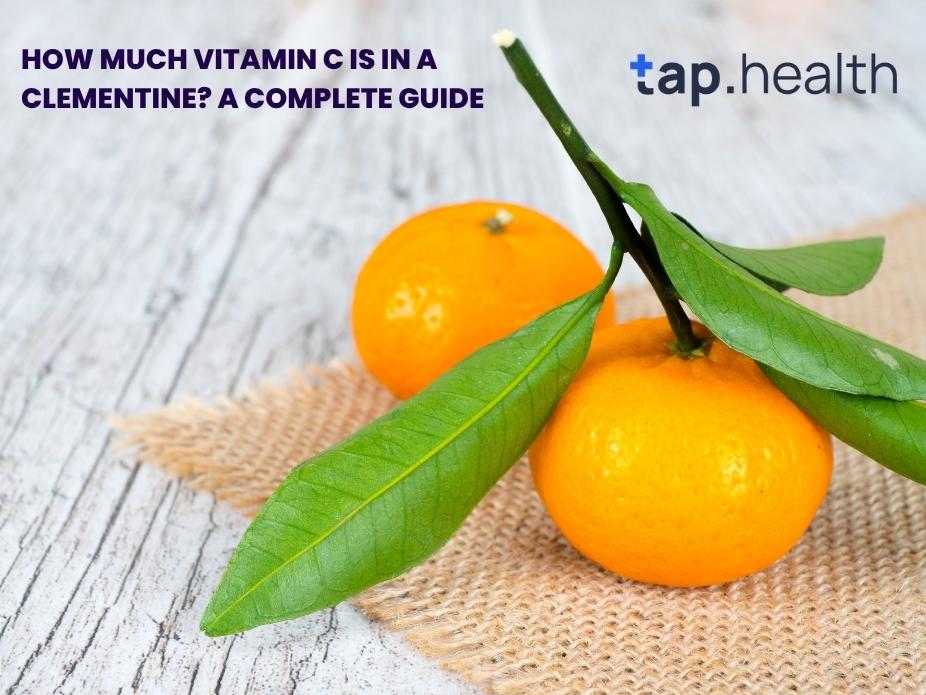
Clementines are not only a delicious and easy-to-peel fruit, but they are also packed with nutrients, especially Vitamin C. This citrus fruit is a popular snack, particularly during the winter months, when we need extra immune support. But how much Vitamin C does a clementine really contain, and what health benefits does this vitamin provide?
In this article, we’ll dive deep into the Vitamin C content of clementines, why Vitamin C is so important for your health, and how this fruit compares to other sources of Vitamin C. Whether you’re curious about adding more Vitamin C to your diet or just wondering how healthy your snack is, we’ve got you covered.
What is Vitamin C and Why is it Important?
Before we dive into the specifics of clementines, let’s first understand what Vitamin C is and why it’s so important.
What is Vitamin C?
Vitamin C, also known as ascorbic acid, is a water-soluble vitamin that plays a key role in many bodily functions. It is an antioxidant, which means it helps protect your cells from damage caused by free radicals. Free radicals are unstable molecules that can cause cell damage and are linked to various chronic diseases, including cancer and heart disease.
The Benefits of Vitamin C
Here’s why you need Vitamin C in your diet:
- Boosts the Immune System: Vitamin C is crucial for the proper functioning of immune cells and helps fight off infections.
- Promotes Skin Health: Vitamin C is necessary for collagen production, which is important for healthy skin, wound healing, and elasticity.
- Improves Iron Absorption: Vitamin C helps improve the absorption of non-heme iron (the type of iron found in plant-based foods), preventing iron deficiency anemia.
- Acts as an Antioxidant: As an antioxidant, Vitamin C helps neutralize harmful free radicals, reducing oxidative stress and lowering the risk of chronic conditions.
- Supports Brain Function: Vitamin C is involved in neurotransmitter production, which is essential for mood regulation and brain health.
With all these benefits, it’s clear that Vitamin C is an essential nutrient, and one of the best ways to get it is through fruits and vegetables.
How Much Vitamin C is in a Clementine?
Clementines are known for their sweet, tangy flavor and ease of peeling, but they’re also a powerhouse when it comes to Vitamin C. Let’s break down how much Vitamin C is actually in a clementine.
Vitamin C Content in One Clementine
On average, a single clementine contains around 36 mg of Vitamin C. This is about 60-70% of the recommended daily intake (RDI) for adults, which is 65–90 mg per day for most people.
- One medium clementine (about 100 grams) typically provides 36 mg of Vitamin C.
- For comparison, a small clementine (around 75 grams) would contain around 27 mg of Vitamin C.
How Does This Compare to Other Fruits?
Clementines aren’t the only fruit that provides a good dose of Vitamin C. Here’s a comparison of their Vitamin C content:
- Oranges: One medium orange (about 130 grams) contains approximately 70 mg of Vitamin C. Oranges are often considered the gold standard for Vitamin C.
- Strawberries: One cup (about 150 grams) of fresh strawberries contains about 89 mg of Vitamin C.
- Kiwi: One medium kiwi contains around 71 mg of Vitamin C.
- Lemons: One medium lemon contains about 30–40 mg of Vitamin C.
- Bell Peppers: One medium-sized bell pepper contains approximately 100–200 mg of Vitamin C, making it one of the highest plant-based sources.
As you can see, clementines pack a decent amount of Vitamin C, and they are certainly a great option for boosting your intake, especially considering their convenience and portability.
Other Nutrients in a Clementine
In addition to Vitamin C, clementines provide a variety of other essential nutrients that contribute to overall health. Here’s a look at some of the key nutrients found in clementines:
- Fiber: A medium clementine contains about 1.5 grams of fiber, which supports digestion and heart health.
- Folate (Vitamin B9): Clementines contain small amounts of folate, which is important for cell growth and repair.
- Potassium: A clementine provides about 130 mg of potassium, which helps maintain healthy blood pressure levels.
- Antioxidants: In addition to Vitamin C, clementines contain flavonoids, which act as antioxidants, supporting heart health and protecting against inflammation.
With all these nutrients, clementines are more than just a sweet treat—they are a nutrient-packed fruit that can contribute to your overall health.
How to Maximize Vitamin C Absorption from Clementines
While clementines are a great source of Vitamin C, there are a few things you can do to maximize the absorption of this important nutrient.
1. Pair with Fat for Better Absorption
Vitamin C is a water-soluble vitamin, meaning it dissolves in water and is not stored in the body. To enhance its absorption, pair clementines with healthy fats. For example, you could add a handful of nuts, avocado, or a drizzle of olive oil to your salad with clementines. Fat helps improve the absorption of fat-soluble vitamins and supports overall nutrient uptake.
2. Avoid Cooking Clementines
Vitamin C is sensitive to heat, so avoid cooking or heating your clementines, as this can destroy the vitamin. To retain the most Vitamin C, enjoy them raw or add them to smoothies, salads, or desserts after they’ve been peeled.
3. Combine with Other Vitamin C-Rich Foods
For an even greater Vitamin C boost, combine clementines with other foods that are rich in Vitamin C. You could mix clementines with strawberries, bell peppers, or kiwi to create a delicious, Vitamin C-packed fruit salad. This will help you meet and exceed your daily Vitamin C requirements.
Health Benefits of Clementines
Eating clementines regularly can provide a variety of health benefits, largely due to their Vitamin C content and other nutrients. Let’s explore these benefits in more detail.
1. Supports Immune Health
Clementines are an excellent source of Vitamin C, which is essential for maintaining a healthy immune system. By regularly consuming clementines, you can help support your body’s defense against infections and illnesses, especially during cold and flu season.
2. Promotes Skin Health
Vitamin C is essential for collagen production, which keeps your skin firm, smooth, and youthful. By eating clementines, you can help boost your skin’s elasticity and prevent wrinkles and fine lines. Vitamin C is also known for its ability to combat free radicals, protecting the skin from damage caused by sun exposure and environmental factors.
3. Improves Digestive Health
Clementines are a good source of fiber, which supports healthy digestion. Fiber helps regulate bowel movements and prevents constipation. It also supports the growth of beneficial gut bacteria, which is important for overall digestive health.
4. Helps Maintain Healthy Blood Pressure
Clementines are rich in potassium, which plays a key role in regulating blood pressure. Potassium helps balance sodium levels in the body, preventing high blood pressure. Including potassium-rich foods like clementines in your diet can help maintain a healthy heart and cardiovascular system.
How Many Clementines Should You Eat for Optimal Vitamin C Intake?
While clementines are a great source of Vitamin C, it’s important to balance your intake with other fruits and vegetables to ensure you’re getting a variety of nutrients. The recommended daily intake (RDI) for Vitamin C varies:
- For adults, the RDI is around 65–90 mg of Vitamin C per day.
- For children aged 1–3 years, the RDI is 15 mg per day.
If you’re eating clementines to meet your Vitamin C needs, you may need 1–2 medium clementines per day to meet a significant portion of your daily Vitamin C requirements. However, don’t forget to include other Vitamin C-rich foods in your diet, like strawberries, bell peppers, and spinach, to ensure you’re getting enough of this vital nutrient.
Frequently Asked Questions (FAQ) on How Much Vitamin C is in a Clementine?
1. How Much Vitamin C is in One Clementine?
A medium-sized clementine contains around 36 mg of Vitamin C, which is about 60–70% of the recommended daily intake for adults.
2. How Does Vitamin C in Clementines Compare to Other Fruits?
Clementines are a great source of Vitamin C, but they contain less than oranges and strawberries. For example, one medium orange provides about 70 mg of Vitamin C, and a cup of strawberries contains 89 mg. However, clementines are still an excellent source and provide a significant amount of this important vitamin.
3. Can Eating Clementines Help with Cold Symptoms?
Yes, the high Vitamin C content in clementines can help boost your immune system, potentially reducing the severity and duration of cold symptoms. Vitamin C is known for its immune-boosting properties, which may help your body fight off infections.
4. Are Clementines High in Sugar?
Clementines contain natural sugars, but they are relatively low in calories and sugar compared to other sweet snacks. One medium clementine has about 9 grams of sugar and 47 calories, making it a healthy and satisfying snack.
5. Can You Eat Too Many Clementines?
While clementines are healthy, eating too many can lead to excessive sugar intake, which can contribute to weight gain and other health issues. It’s best to enjoy them in moderation, as part of a balanced diet.
Conclusion
Clementines are an excellent source of Vitamin C, with one medium fruit providing around 36 mg of this essential nutrient. They also offer a variety of other health benefits, including supporting immune health, promoting skin elasticity, and aiding in digestion. Whether you eat them on their own, in a fruit salad, or as a smoothie ingredient, clementines are a delicious and nutritious way to boost your Vitamin C intake. Enjoy them as part of a balanced diet to take advantage of their full health benefits.