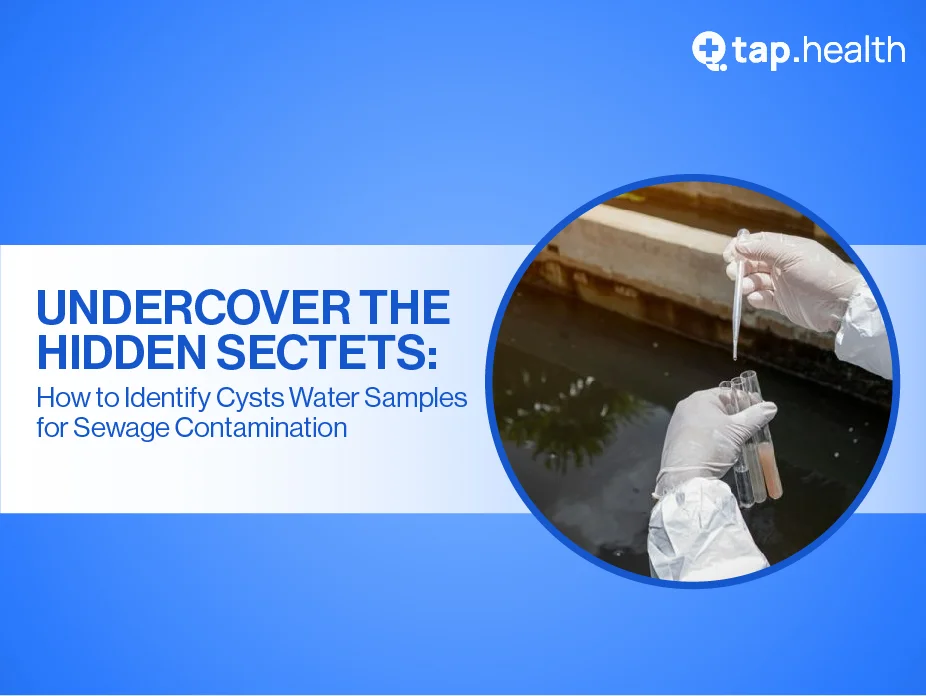
Water contamination, particularly from sewage, is a critical global issue that threatens human health and ecosystems. Protozoan cysts, such as those from Giardia lamblia, Cryptosporidium, and Entamoeba histolytica, are key indicators of sewage contamination in water. Identifying these cysts through specialized laboratory techniques is essential for assessing water quality and preventing waterborne diseases. This blog explores how to detect cysts in water samples, the health risks associated with sewage contamination, and effective water purification methods to ensure safe drinking water.
What Are Protozoan Cysts and Their Role in Water Contamination?
Protozoan cysts are dormant, resilient forms of parasites like Giardia, Cryptosporidium, and Entamoeba histolytica. These cysts form as a protective mechanism, allowing parasites to survive harsh environmental conditions, such as extreme temperatures or chemical disinfectants. Their presence in water samples signals potential fecal contamination, often from sewage discharge, making them reliable markers for water quality assessment.
Detecting cysts is crucial because they can cause severe waterborne diseases. For instance, ingesting contaminated water can lead to gastrointestinal illnesses, posing significant public health risks. Regular monitoring of water sources for these cysts helps ensure safe drinking water and protects ecosystems from the broader impacts of sewage pollution.
Why Is Sewage Contamination a Public Health Concern?
Sewage contamination introduces harmful pathogens, including bacteria, viruses, and parasites, into water sources. These contaminants can cause waterborne diseases ranging from mild diarrhea to severe infections. Vulnerable populations, such as children, the elderly, and immunocompromised individuals, face higher risks of complications like dehydration or organ damage.
Beyond human health, sewage pollution disrupts aquatic ecosystems. Excess nutrients, such as nitrogen and phosphorus, trigger eutrophication, leading to algal blooms that deplete oxygen and harm aquatic life. Contaminated water also affects agriculture, fishing, and recreational activities, underscoring the need for effective sewage management and water quality testing.
How to Detect Giardia Lamblia Cysts in Water Samples
Giardia lamblia is a common waterborne parasite that causes giardiasis, a diarrheal illness characterized by cramps, bloating, and weight loss. Its cysts, shed in the feces of infected humans or animals, can survive in water for months and resist standard chlorine disinfection.
To detect Giardia cysts:
- Microscopic Examination: Water samples are analyzed under a microscope using staining techniques to identify Giardia cysts.
- Filtration and Concentration: Samples are filtered to concentrate cysts, making them easier to detect.
- Immunofluorescence Assays: These advanced tests use antibodies to specifically identify Giardia cysts.
Preventing Giardia infection requires boiling water, using advanced filtration systems, or practicing good hygiene, such as handwashing, to reduce contamination risks.
How to Identify Cryptosporidium Cysts in Water
Cryptosporidium cysts are notoriously resilient and small, often evading standard water filtration systems. They cause cryptosporidiosis, a debilitating illness that can last weeks, particularly in immunocompromised individuals. These cysts also harm aquatic ecosystems by infecting fish and other organisms.
Detection methods include:
- Microscopy with Staining: Specialized stains, such as acid-fast staining, help identify Cryptosporidium cysts.
- Polymerase Chain Reaction (PCR): This molecular technique detects Cryptosporidium DNA in water samples.
- Flow Cytometry: Used in advanced labs to quantify and identify cysts based on size and fluorescence.
Water treatment plants must employ robust filtration systems, such as membrane filtration, to remove Cryptosporidium cysts effectively.
Detecting Entamoeba histolytica Cysts in Water Samples
Entamoeba histolytica causes amoebiasis, a parasitic infection that leads to diarrhea, abdominal pain, and, in severe cases, liver abscesses. Its cysts are highly resilient, surviving in diverse environmental conditions and posing risks in areas with poor sanitation.
Detection techniques include:
- Microscopic Analysis: Staining methods like trichrome staining help visualize Entamoeba cysts.
- Enzyme-Linked Immunosorbent Assay (ELISA): This test detects specific antigens associated with Entamoeba histolytica.
- Concentration Techniques: Centrifugation or filtration concentrates cysts for easier identification.
Preventing amoebiasis requires improved sanitation and regular water quality testing to detect and eliminate these cysts.
What Are the Best Methods for Water Purification?
To remove cysts and ensure safe drinking water, various purification methods are employed:
- Filtration: Microfiltration or ultrafiltration systems effectively remove cysts like Cryptosporidium and Giardia.
- Boiling: Boiling water for at least one minute kills cysts and other pathogens.
- Chemical Disinfection: While chlorine is less effective against cysts, ozone or advanced disinfectants can inactivate them.
- UV Irradiation: Ultraviolet light disrupts the DNA of cysts, rendering them harmless.
- Reverse Osmosis: This advanced filtration method removes even the smallest cysts.
Combining these methods in water treatment plants ensures comprehensive removal of cysts and other contaminants, safeguarding public health.
How Do Waterborne Diseases Spread Through Sewage Contamination?
Sewage-contaminated water is a primary vector for waterborne diseases. Pathogens like Giardia, Cryptosporidium, and Entamoeba histolytica spread through:
- Ingestion: Drinking or consuming food prepared with contaminated water.
- Recreational Exposure: Swimming or bathing in contaminated rivers or lakes.
- Agricultural Runoff: Contaminated water used for irrigation can transfer pathogens to crops.
Symptoms of waterborne diseases include diarrhea, vomiting, and abdominal pain, with severe cases leading to dehydration or systemic infections. Regular water testing and treatment are critical to breaking the transmission cycle.
What Are the Health Risks of Sewage-Contaminated Water?
Exposure to sewage-contaminated water poses significant health risks:
- Gastrointestinal Illnesses: Symptoms like diarrhea, nausea, and cramps are common.
- Systemic Infections: Parasites can spread to organs, causing complications like liver abscesses.
- Long-Term Consequences: Chronic infections may lead to malnutrition or weakened immunity, especially in vulnerable groups.
Children, the elderly, and immunocompromised individuals are at higher risk of severe outcomes, making early detection and treatment essential.
How Do Regulatory Measures Ensure Water Safety?
Governments and regulatory bodies set strict water quality standards to protect public health. These standards specify acceptable levels of contaminants, including cysts, and mandate regular testing. Key measures include:
- Routine Monitoring: Water sources are tested for cysts and other pathogens.
- Treatment Compliance: Water treatment facilities must adhere to protocols for cyst removal.
- Public Reporting: Transparency about water quality ensures accountability.
Compliance with these standards is critical for maintaining safe drinking water supplies and preventing outbreaks of waterborne diseases.
Why Is Community Awareness Crucial for Safe Water Practices?
Educating communities about safe water practices is vital for preventing contamination. Key strategies include:
- Promoting Hygiene: Encouraging handwashing and proper sanitation reduces pathogen spread.
- Water Testing Advocacy: Raising awareness about the importance of regular water quality testing.
- Safe Water Use: Educating communities on boiling, filtering, or using treated water sources.
Empowering communities with knowledge and resources helps minimize the risks of sewage contamination and waterborne diseases.
Conclusion
Detecting protozoan cysts in water samples is a critical step in identifying sewage contamination and preventing waterborne diseases. Parasites like Giardia lamblia, Cryptosporidium, and Entamoeba histolytica pose significant health risks, particularly in areas with poor sanitation. By employing advanced detection methods, robust water purification techniques, and strict regulatory measures, we can ensure safe drinking water. Community awareness and safe water practices further enhance efforts to combat sewage pollution, protecting both human health and aquatic ecosystems.