tap.health logo
  • Diabetes Management
  • Health Assistant
  • About Us
  • Blog
  • Contact Us
Get Plan
  • Diabetes Management
  • Health Assistant
  • About Us
  • Blog
  • Contact Us
  • All Blogs
  • Product
  • How to Implement Successful Disease Eradication Campaigns in India?

How to Implement Successful Disease Eradication Campaigns in India?

Product
March 13, 2024
• 5 min read
Tap Health
Written by
Tap Health
ChatGPT Perplexity WhatsApp LinkedIn X Grok Google AI
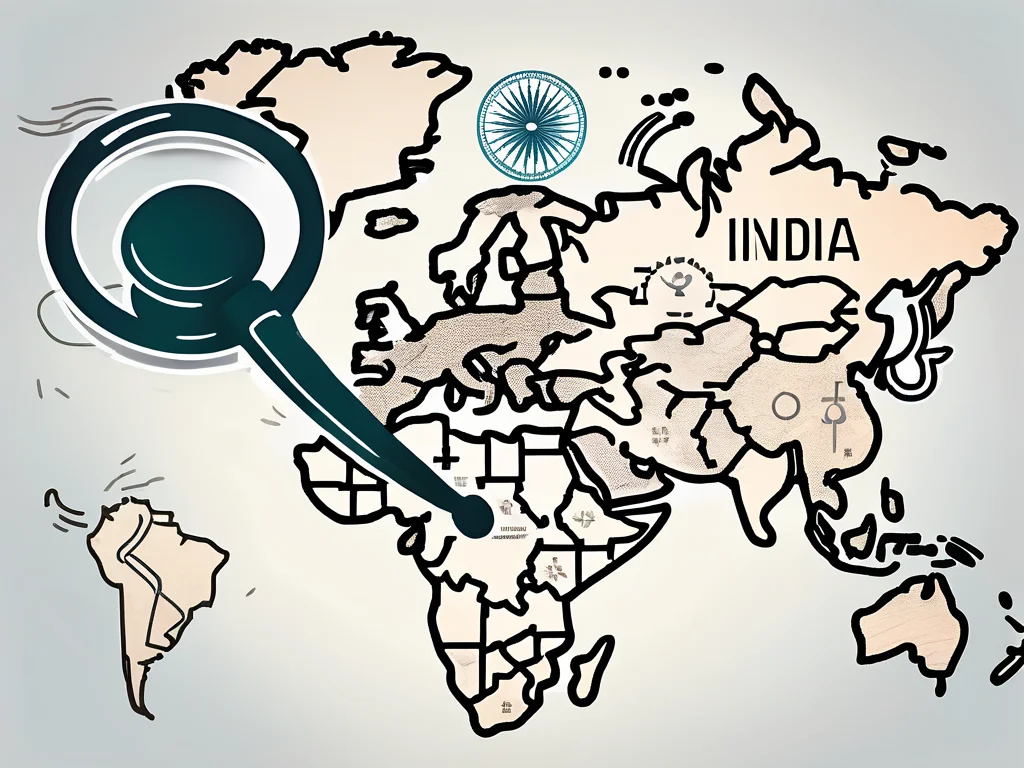
India's map

India’s triumph in eradicating life-threatening diseases is a testament to strategic planning, collaborative efforts, and unwavering commitment to public health. This blog explores the key elements behind India’s successful disease eradication campaigns, including government initiatives, international partnerships, challenges faced, and lessons for sustaining progress. By examining case studies, milestones, and future strategies, we uncover how India turned health challenges into a global model for disease control. This 1500-word guide also provides actionable recommendations for preventing future outbreaks.

What Is Disease Eradication, and Why Is It Important?

Disease eradication refers to the complete and permanent reduction of a disease’s incidence to zero worldwide, eliminating the need for further control measures. In India, a nation with diverse populations and complex healthcare challenges, eradicating diseases like polio and smallpox has been a monumental achievement. These efforts have saved countless lives, reduced healthcare costs, and boosted economic growth by fostering a healthier workforce.

Eradication is critical because it:

  • Eliminates the burden of preventable diseases.
  • Enhances public health infrastructure.
  • Promotes economic stability by reducing medical expenses and increasing productivity.

India’s journey showcases how targeted strategies and global collaboration can achieve lasting health outcomes.

The Historical Context of Disease in India

India’s battle with diseases dates back decades, with challenges like smallpox and polio straining healthcare systems. These diseases thrived in densely populated areas due to poor sanitation, limited healthcare access, and low awareness. For instance, polio once paralyzed thousands of children annually, particularly in rural and underserved regions.

Key historical factors:

  • High Transmission Rates: Crowded urban centers and inadequate hygiene fueled disease spread.
  • Healthcare Gaps: Limited infrastructure in rural areas hindered timely interventions.
  • Cultural Barriers: Misinformation and traditional beliefs often delayed treatment or vaccination.

Understanding these patterns led to targeted interventions, setting the stage for India’s eradication success.

What Were the Key Government Initiatives for Disease Eradication?

The Indian government played a pivotal role in disease eradication through comprehensive policies and innovative programs. Recognizing the urgency of public health crises, it implemented strategies that addressed both medical and societal factors.

Major Government Initiatives

  1. Nationwide Vaccination Campaigns: Programs like the Pulse Polio Initiative vaccinated millions of children, targeting high-risk areas.
  2. Awareness Campaigns: Public education efforts promoted hygiene, vaccination, and early detection.
  3. Surveillance Systems: Robust monitoring tracked disease spread, enabling rapid response.
  4. Healthcare Infrastructure: Specialized facilities and mobile health units ensured access to diagnosis and treatment, even in remote areas.

The government also adopted technology, such as mobile health apps, to monitor cases and provide remote consultations. Training programs equipped healthcare workers with skills to handle evolving challenges, ensuring a resilient workforce.

How Did International Collaboration Aid Eradication?

Global partnerships were instrumental in India’s success. Collaborations with organizations like the World Health Organization (WHO) and UNICEF brought resources, expertise, and credibility to eradication efforts.

Benefits of International Partnerships

  • Financial Support: Funding from global bodies supported vaccination drives and infrastructure development.
  • Knowledge Exchange: Indian researchers worked with international experts to study disease patterns and develop solutions.
  • Capacity Building: Training programs enhanced local healthcare workers’ skills, improving response capabilities.
  • Holistic Approaches: Partnerships addressed social determinants like poverty and education, fostering sustainable health solutions.

These collaborations not only accelerated eradication but also strengthened India’s healthcare system, making it a model for global health security.

What Challenges Did India Face in Disease Eradication?

India’s path to eradication was fraught with obstacles, from logistical hurdles to cultural resistance. Addressing these required innovative and adaptive strategies.

Key Challenges

  1. Geographical Barriers: Remote areas with poor infrastructure made healthcare delivery difficult. Mobile health units and improved transportation networks helped overcome this.
  2. Vaccine Hesitancy: Misconceptions about vaccines led to resistance in some communities. Community engagement and awareness campaigns dispelled myths and built trust.
  3. Cultural Misinformation: Traditional beliefs sometimes deterred medical care. Culturally sensitive interventions encouraged acceptance of treatments.
  4. Healthcare Disparities: Uneven infrastructure across states posed challenges. Standardized protocols and training bridged these gaps.

By addressing these issues head-on, India demonstrated resilience and adaptability in its eradication efforts.

How Did Eradication Impact Public Health and the Economy?

The eradication of diseases like polio and smallpox transformed India’s public health landscape and economy.

Public Health Benefits

  • Reduced Disease Burden: Eliminating diseases freed up healthcare resources for other priorities.
  • Improved Life Expectancy: Better health outcomes increased overall longevity.
  • Stronger Infrastructure: Investments in eradication strengthened healthcare systems, enhancing preparedness for future challenges.

Economic Advantages

  • Lower Healthcare Costs: Reduced spending on disease management allowed investments in broader healthcare services.
  • Increased Productivity: A healthier workforce boosted economic output.
  • Global Reputation: Improved public health attracted investments and tourism, further driving growth.

These outcomes highlight the far-reaching benefits of disease eradication beyond immediate health impacts.

What Are Some Success Stories in India’s Eradication Efforts?

India’s eradication campaigns are rich with inspiring success stories. The Pulse Polio Initiative, launched in 1995, is a standout example. By mobilizing millions of volunteers and healthcare workers, India vaccinated over 170 million children annually, achieving polio-free status in 2014.

Case Study: Polio Eradication

  • Strategy: Door-to-door vaccination drives targeted high-risk areas, supported by extensive awareness campaigns.
  • Collaboration: Partnerships with WHO and UNICEF provided vaccines and technical expertise.
  • Outcome: India’s last polio case was reported in 2011, marking a historic milestone.

Such successes demonstrate the power of community-driven, collaborative efforts in overcoming health challenges.

What Strategies Ensure Sustained Eradication?

Sustaining eradication requires proactive measures to prevent disease resurgence. India’s future strategies focus on vigilance and resilience.

Key Strategies

  1. Enhanced Surveillance: Continuous monitoring systems detect potential outbreaks early.
  2. Research and Development: Investments in vaccine innovation prepare for new disease strains.
  3. Community Engagement: Ongoing awareness campaigns maintain public trust and participation.
  4. Healthcare Strengthening: Building resilient infrastructure ensures rapid response capabilities.

These measures ensure India remains prepared for future health threats while maintaining eradication gains.

What Lessons Can Global Health Stakeholders Learn?

India’s eradication success offers valuable insights for global health efforts:

  • Holistic Approaches: Combining medical, social, and economic strategies is critical.
  • Collaboration: Partnerships amplify resources and expertise.
  • Community Involvement: Engaging local populations builds trust and ensures compliance.
  • Continuous Investment: Sustained funding in research and infrastructure is essential.

These lessons can guide other nations in tackling similar health challenges, fostering global health security.

How Does India Celebrate Eradication Milestones?

India marks its eradication achievements through public recognition and storytelling:

  • Honoring Healthcare Workers: Frontline workers are celebrated for their dedication.
  • Survivor Stories: Sharing personal accounts inspires communities and reinforces commitment.
  • Public Campaigns: Events raise awareness about the importance of sustained vigilance.

These celebrations boost morale and motivate continued efforts in public health.

What Are the Recommendations for Preventing Future Outbreaks?

To prevent disease resurgence, India advocates proactive measures:

  1. Strengthen Surveillance: Invest in real-time monitoring systems to detect threats early.
  2. Global Collaboration: Share knowledge and resources with international partners.
  3. Research Investment: Develop vaccines and treatments for emerging diseases.
  4. Community Trust: Maintain awareness campaigns to counter misinformation.
  5. Resilient Infrastructure: Ensure healthcare systems are equipped for rapid response.

By implementing these recommendations, India aims to safeguard its progress and contribute to global health.

Conclusion: A Blueprint for Global Health

India’s disease eradication success is a powerful example of what strategic planning, global collaboration, and community engagement can achieve. By overcoming logistical, cultural, and infrastructural challenges, India has not only transformed its public health landscape but also set a global standard for disease control. The lessons learned—emphasizing resilience, innovation, and partnerships—offer a blueprint for other nations. As India continues to invest in surveillance, research, and healthcare infrastructure, it remains a beacon of hope for a healthier, disease-free world.

Tags
diabetes prevention foot health diabetes and sleep fasting blood sugar diabetes misconceptions diabetes medicine safety diabetic neuropathy symptoms diabetic foot ulcer warning signs can diabetics eat mango diabetes itching urinary infection diabetes diabetes slow wound healing metformin side effects diabetes numbness in hands banana for diabetes dates blood sugar jaggery for diabetes is poha good for diabetes guava blood sugar India diabetes diabetes after pregnancy A1C gestational diabetes poor sleep blood sugar HbA1c diabetes symptoms in women diabetes medicines diabetes nerve damage diabetes and blood pressure mango and diabetes dark patches diabetes diabetes stomach problems diabetes wounds metformin safety diabetes tingling hands banana blood sugar papaya for diabetes is jaggery good for diabetes poha blood sugar orange for diabetes sugar spike after rice gestational diabetes India Medicine blood sugar pregnancy diabetes sleep and diabetes diabetes in India women diabetes signs diabetes treatment advice tingling feet diabetes high blood pressure diabetes mango sugar diabetes walking after meals for diabetes diabetic gastroparesis diabetic wound care diabetes ketoacidosis warning signs diabetic neuropathy hands coconut water and diabetes is papaya good for diabetes gur for diabetes sprouts for diabetes can diabetics eat oranges Indian diet diabetes continuous glucose monitor India Health fasting glucose blood sugar pregnancy diabetes and stress diabetes risk factors India diabetes risk women Indian diabetic diet chart diabetes eye disease diabetes heart kidney risk diabetes reversal vs remission post meal walk diabetes diabetes bloating nausea diabetes yeast infection DKA symptoms fasting with diabetes coconut water for diabetes papaya blood sugar watermelon for diabetes are sprouts good for diabetes orange blood sugar glucose spike symptoms CGM cost India Lifestyle A1C test low blood sugar stress blood sugar diabetes prevention India diabetes symptoms in men diabetic meal plan diabetic eye test borderline HbA1c diabetes remission walking lowers blood sugar diabetes sick day rules diabetes fungal infection ketones diabetes diabetes fasting safety can diabetics drink coconut water oats for diabetes can diabetics eat watermelon sprouts blood sugar brown bread for diabetes post meal blood sugar time in range Home remedies diabetes diet hypoglycemia cortisol diabetes best fruits for diabetes men diabetes signs HbA1c test high protein breakfast for diabetes HbA1c 5.7 to 6.4 reverse type 2 diabetes diabetes grocery list India diabetes during illness diabetes vaginal itching diabetes blurry vision can diabetics fast curd for diabetes oatmeal diabetes watermelon blood sugar methi seeds for diabetes bread for diabetes diabetes blood pressure glucometer accuracy Fitness balanced meals diabetes safety diabetes eye care diabetes fruits diabetes risk men HbA1c normal range diabetes breakfast India prediabetes HbA1c diabetes plate method diabetic food list India blood sugar fever infection diabetes night sweats high blood sugar blurry vision insulin injection sites is curd good for diabetes are oats good for diabetes apple for diabetes fenugreek for diabetes whole wheat bread diabetes diabetes heart risk diabetes technology Prevention healthy eating diabetes heart health diabetic retinopathy fruit and blood sugar type 1 diabetes how to lower HbA1c diabetic breakfast ideas post-meal blood sugar Indian diabetes plate foods for diabetes shopping diabetes and alcohol low blood sugar at night diabetes excessive thirst insulin site rotation diabetes curd milk for diabetes can diabetics eat apple methi diabetes avocado for diabetes ABC diabetes CGM vs glucometer India Hygiene why diabetes is considered as a lifestyle disease blood pressure diabetes eye test rice and diabetes type 1 diabetes symptoms fasting sugar normal range PCOS and diabetes blood sugar after food diabetes portion control diabetes kidney tests alcohol blood sugar diabetes diabetes sweating at night diabetes dry mouth insulin lumps tea and coffee in diabetes can diabetics drink milk apple blood sugar cinnamon for diabetes is avocado good for diabetes kidney risk diabetes diabetes reversal myths Ailments lifestyle diabetes cholesterol diabetes kidney care can diabetics eat rice insulin diabetes high fasting blood sugar PCOS insulin resistance postprandial glucose low glycaemic index foods for diabetes urine albumin diabetes can diabetics drink alcohol diabetes headache frequent urination diabetes diabetes weight gain coffee diabetes best milk for diabetes eggs for diabetes cinnamon blood sugar avocado blood sugar blurred vision diabetes HbA1c remission Hindi type 2 diabetes lifestyle disease living with diabetes diabetic kidney disease diabetes diet India prediabetes diet reverse prediabetes naturally PCOS diabetes risk dawn phenomenon diabetes low GI foods India eGFR diabetes diabetes and dizziness high blood sugar headache diabetes fatigue diabetes and weight gain tea diabetes peanuts for diabetes are eggs good for diabetes dalchini for diabetes travelling with diabetes fundus exam diabetes remission vs reversal skin diseases exercise and diabetes diabetes habits kidney tests diabetes morning blood sugar prediabetes food prediabetes reversal gestational diabetes diet Indian morning sugar high diabetes low GI diet diabetes and dental problems dizziness diabetes low blood sugar headache diabetes tiredness insulin weight gain roti for diabetes are peanuts good for diabetes egg diabetes amla for diabetes diabetes travel checklist eye care diabetes vildagliptin acne vulgaris symptoms blood sugar control diabetes management high blood sugar symptoms fasting sugar high lower diabetes risk how to prevent type 2 diabetes pregnancy diabetes diet high fasting sugar in morning diabetes and fatty liver diabetes gum disease low sugar dizziness blood sugar monitoring at home high blood sugar tiredness diabetes swollen feet best roti for diabetes peanuts blood sugar paneer for diabetes amla juice diabetes insulin travel storage diabetic retinopathy symptoms vildagliptin benefits in type 2 diabetes patients AI Search physical activity insulin resistance hyperglycemia symptoms dawn phenomenon diabetes and weight loss insulin resistance diet gestational diabetes meal plan diabetes and cholesterol fatty liver diabetes dry mouth diabetes diabetes leg pain when to check blood sugar diabetes constipation swollen feet diabetes chapati diabetes sweet potato for diabetes is paneer good for diabetes amla blood sugar diabetes hot weather GDM screening DPP-4 inhibitor type 2 diabetes diabetes foot care insulin sensitivity diabetes warning signs diabetes myths weight loss diabetes Indian foods for insulin resistance diabetic foot ulcer diabetes lipid profile insulin resistance fatty liver diabetes urine infection diabetic leg cramps blood glucose monitoring diabetes and constipation diabetes foot swelling can diabetics eat dates can diabetics eat sweet potato paneer diabetes guava for diabetes diabetes dehydration pregnancy blood sugar targets diabetes medicine India prediabetes diabetic foot type 2 diabetes risk normal blood sugar levels diabetes facts insulin resistance weight loss improve insulin sensitivity diabetes foot wound cholesterol in diabetes diabetes skin problems frequent UTI diabetes diabetes nerve pain legs metformin for diabetes constipation diabetes can diabetics eat banana dates for diabetes sweet potato blood sugar poha for diabetes can diabetics eat guava heat and blood sugar postpartum diabetes risk
More blogs
Naimish Mishra
Naimish Mishra
• June 12, 2026
• 2 min read

Pinco Online Kazino 2026 – Pulsuz Dövriyyələr və Promolar

Pinco Online Kazino 2026 – Pulsuz Dövriyyələr və Promolar ▶️ OYNA Содержимое Pinco Online Kazino 2026 – Pulsuz Dövrələr və Promolar Pulsuz Dövrələrın Nəticələri və Kifayəti Pinko online kazino 2026-ci ilin məsuliyyəti ilə birlikdə pulsuz döriyyələr və promolar təmin edir. Pinko promo code və Pinko casino promo code istifadə edərək qazancınızni artırmaq və yaxşı oyunlar […]

Product
India's map
K. Siva Jyothi
K. Siva Jyothi
• June 11, 2026
• 13 min read

Vildagliptin for Elderly Type 2 Diabetes Patients: Benefits and Safety Points

Vildagliptin for Elderly Type 2 Diabetes Patients: Benefits and Safety Points Learn benefits, safety, side effects, Indian diet tips, and doctor questions

Diabetes
India's map
Naimish Mishra
Naimish Mishra
• June 11, 2026
• 13 min read

Vildagliptin and HbA1c: How It Helps Improve Long-Term Sugar Control

Vildagliptin and HbA1c: How It Helps Improve Long-Term Sugar Control Learn benefits, safety, side effects, Indian diet tips, and doctor questions in simple

Diabetes
India's map
Do you remember your last sugar reading?
Log and Track your glucose on the Tap Health App
All logs in one place
Smart trend graphs
Medicine Reminder
100% Ad Free
Download Now

Missed your diabetes meds

again? Not anymore.

Get medicine reminders on your phone.

✓ Glucose diary and Insights
✓ Smart Nudges
✓ All logs at one place
✓ 100% Ad free
Download Free
tap health
tap.health logo
copyright © 2025
2nd Floor,Plot No 4, Minarch Tower,
Sector 44,Gurugram, 122003,
Haryana, India
  • About Us
  • Blog
  • Doctor login
  • Contact Us
  • Privacy Policy
  • Return / Shipping Policy
  • Terms and Conditions
Get Your Free AI Diabetes Coach