Diabetes is a condition that can impact many areas of your health, and one of the most concerning complications is its effect on vision. Diabetic eye disease refers to a group of eye problems that can affect people with diabetes, including diabetic retinopathy, cataracts, and glaucoma. If left untreated, these conditions can lead to severe vision loss or even blindness. However, the good news is that with proper care, you can protect your vision and reduce the risk of these complications. In this article, we will explore how to protect your eyes, the role of blood sugar management, and essential eye care tips for people living with diabetes.
Why Diabetes Affects Your Eyes
Diabetes can cause changes in the blood vessels that nourish the retina, the light-sensitive part of the eye. High blood sugar levels can damage these vessels, leading to diabetic retinopathy, the most common diabetic eye disease. Over time, uncontrolled diabetes can lead to vision impairment and blindness. In addition to diabetic retinopathy, diabetes increases the risk of other eye conditions, such as cataracts (clouding of the eye’s lens) and glaucoma (damage to the optic nerve).
Real-Life Scenarios
Scenario 1: Sarah, 54 Years Old – Type 2 Diabetes
Sarah, a 54-year-old woman, has had Type 2 diabetes for the past ten years. She struggled with managing her blood sugar levels and had experienced occasional blurry vision. Sarah’s doctor recommended annual eye exams, which led to the early detection of diabetic retinopathy. By controlling her blood sugar and following her doctor’s advice on eye care, Sarah was able to prevent further damage to her vision. Regular eye check-ups, along with lifestyle changes such as diet and exercise, helped Sarah maintain her eye health.
Scenario 2: Michael, 62 Years Old – Type 1 Diabetes
Michael, a 62-year-old man with Type 1 diabetes, had experienced some difficulty with his vision, noticing that his eyesight had become blurry. He had been living with diabetes since his childhood. Michael’s condition was exacerbated by high blood sugar and poor management of his glucose levels. After visiting an eye specialist, he was diagnosed with diabetic retinopathy. Thanks to early intervention and adjustments in his diabetes treatment plan, Michael was able to stabilize his condition and protect his vision from further deterioration.
Expert Contributions
Dr. Emily Taylor, an ophthalmologist, explains, “Diabetic eye diseases like diabetic retinopathy can develop without noticeable symptoms in the early stages. That’s why regular eye exams are crucial for early detection. With proper blood sugar control and timely medical interventions, many patients can maintain their vision for years.”
Recommendations Grounded in Proven Research and Facts
1. Manage Blood Sugar Levels
The most important step in protecting your eyes when you have diabetes is to manage your blood sugar levels effectively. Consistently high blood sugar levels can cause damage to the blood vessels in your eyes, leading to diabetic retinopathy. Keeping your blood glucose within the target range can significantly reduce your risk of developing eye problems.
Key Blood Sugar Tips:
- Monitor Blood Sugar Regularly: Use a blood glucose monitor to check your blood sugar levels regularly. Keeping track of your levels will help you make adjustments to your diet and medication as needed.
- A1c Levels: Aim to keep your A1c levels within the target range. An A1c test measures your average blood sugar levels over the past two to three months. The American Diabetes Association (ADA) recommends an A1c of below 7% for most adults with diabetes, though individual goals may vary.
- Adjust Medication: Work with your healthcare provider to adjust your diabetes medications as needed to keep blood sugar levels stable.
2. Schedule Regular Eye Exams
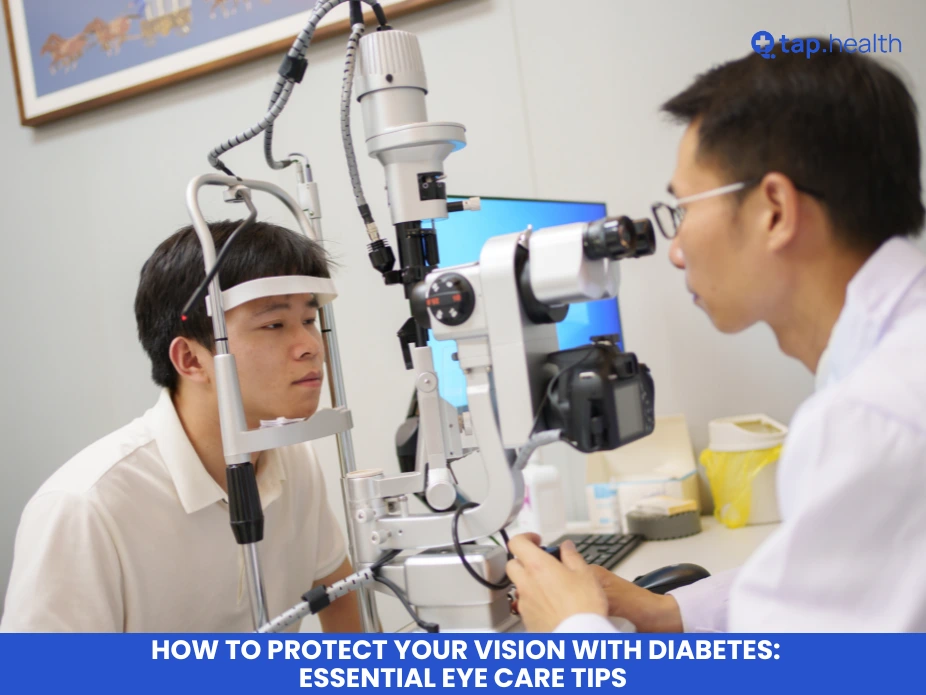
Early detection of diabetic eye diseases is critical for preventing vision loss. The American Academy of Ophthalmology recommends that people with diabetes have a comprehensive eye exam at least once a year. During the exam, your eye doctor will check for signs of diabetic retinopathy, cataracts, and glaucoma.
What to Expect in an Eye Exam:
- Dilated Eye Exam: Your doctor will use eye drops to dilate your pupils and examine the retina and optic nerve for any signs of damage.
- Visual Acuity Test: A test to check how well you can see at various distances.
- Tonometry: Measures the pressure inside your eyes to check for glaucoma.
3. Control Your Blood Pressure
High blood pressure (hypertension) can increase the risk of diabetic eye disease. Hypertension can damage blood vessels in the eyes, making it more difficult to manage diabetic retinopathy and other complications. Keeping your blood pressure under control is essential for maintaining eye health.
Blood Pressure Tips:
- Monitor Blood Pressure Regularly: Keep track of your blood pressure levels and aim to stay within the target range.
- Healthy Diet and Exercise: A balanced diet rich in fruits, vegetables, and whole grains, along with regular physical activity, can help lower blood pressure.
4. Maintain a Healthy Diet
Eating a diet rich in nutrients that support eye health can help protect your vision. Foods rich in vitamins A, C, E, and omega-3 fatty acids have been shown to help maintain retinal health and reduce the risk of cataracts and age-related macular degeneration.
Eye-Healthy Foods:
- Leafy Greens: Spinach, kale, and collard greens are rich in lutein and zeaxanthin, antioxidants that help protect the eyes.
- Omega-3 Fatty Acids: Fatty fish like salmon, mackerel, and sardines are high in omega-3s, which can help reduce the risk of diabetic retinopathy.
- Carrots and Sweet Potatoes: These foods are high in beta-carotene, which is essential for healthy vision.
5. Quit Smoking
Smoking increases the risk of diabetic retinopathy and other diabetic complications, including heart disease and kidney disease. Quitting smoking is one of the best things you can do for your overall health, including your eye health.
Tips to Quit Smoking:
- Seek Support: Join a support group or talk to your healthcare provider for strategies to quit smoking.
- Nicotine Replacement: Nicotine patches, gum, or medications can help manage cravings.
6. Protect Your Eyes from UV Rays
Exposure to ultraviolet (UV) rays from the sun can increase the risk of cataracts and other eye conditions. Wearing sunglasses with 100% UV protection can help shield your eyes from harmful rays.
Eye Protection Tips:
- Wear Sunglasses: Choose sunglasses that block 100% of UVA and UVB rays.
- Use a Hat: Wearing a wide-brimmed hat can further reduce exposure to sunlight and protect your eyes.
Factual and Reliable Information
The information provided in this article is based on guidelines from reputable organizations such as the American Diabetes Association (ADA), the American Academy of Ophthalmology (AAO), and the National Eye Institute (NEI). Regular eye exams, blood sugar management, and lifestyle changes are crucial for preventing vision loss in people with diabetes.
How Can TapHealth Help Manage Diabetes and Protect Your Vision?
Diabetes affects millions, leading to serious eye issues like diabetic retinopathy, cataracts, and glaucoma. High blood sugar damages retinal blood vessels, causing vision loss if ignored. TapHealth offers tools for tracking glucose, reminders for eye exams, and personalized tips to maintain eye health. This guide answers key questions on preventing diabetic eye disease with proven strategies.
FAQ on How to Protect Your Vision with Diabetes: Essential Eye Care Tips
Q1: How often should I have an eye exam if I have diabetes?
A1: It is recommended to have a comprehensive eye exam at least once a year. Your eye doctor will check for signs of diabetic retinopathy, cataracts, and other eye conditions.
Q2: Can controlling my blood sugar prevent diabetic retinopathy?
A2: Yes, keeping your blood sugar levels within the recommended range can significantly reduce the risk of developing diabetic retinopathy and other diabetic eye diseases.
Q3: Are there any specific foods that can help protect my eyes from diabetic complications?
A3: Yes, foods rich in vitamins A, C, E, lutein, and omega-3 fatty acids, such as leafy greens, fatty fish, and carrots, can support eye health.
Q4: Can smoking worsen diabetic eye conditions?
A4: Yes, smoking can increase the risk of diabetic retinopathy and other complications related to diabetes. Quitting smoking can significantly benefit your eye health.