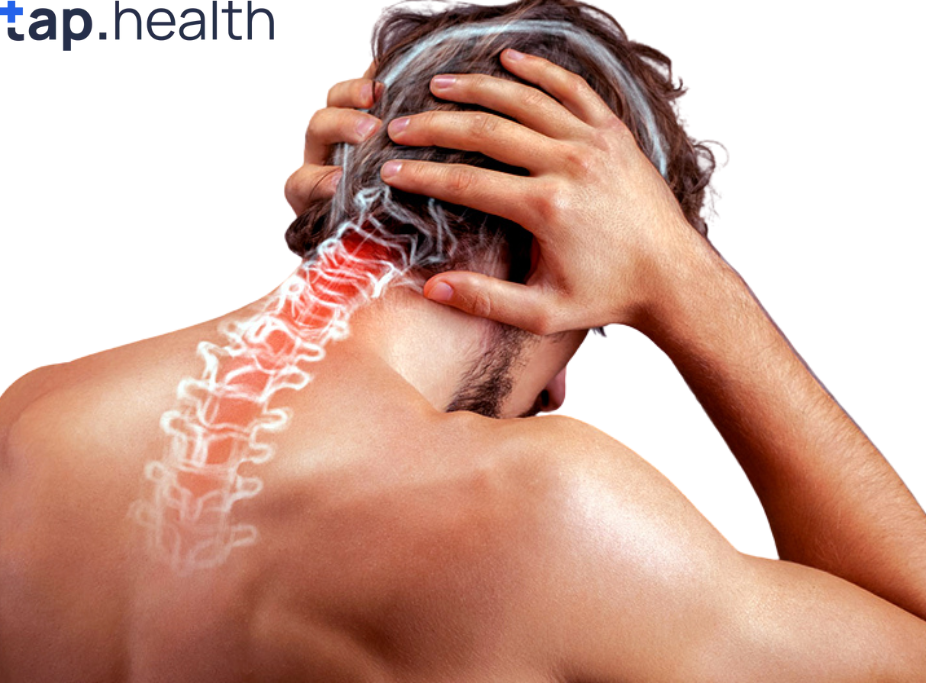
Cervical disc herniation is a prevalent condition that can lead to debilitating neck pain, arm discomfort, and other neurological symptoms. Identifying its symptoms early is critical for timely diagnosis and effective treatment. This blog explores the key signs of cervical disc herniation, its causes, how it affects the body, and when to seek medical attention. By understanding these aspects, you can take proactive steps toward managing this condition and improving your spinal health.
What Is Cervical Disc Herniation?
Cervical disc herniation occurs when the inner gel-like material (nucleus pulposus) of an intervertebral disc in the neck ruptures or protrudes, pressing on nearby nerves. These discs act as cushions between the cervical vertebrae, providing flexibility and shock absorption. When a disc herniates, it can irritate or compress nerves, leading to pain, numbness, or weakness.
The condition often results from age-related degeneration, trauma, or repetitive strain. Recognizing its symptoms early can prevent complications and guide effective treatment.
Common Causes and Risk Factors of Cervical Disc Herniation
Several factors contribute to cervical disc herniation, including:
- Age-Related Degeneration: As we age, spinal discs lose hydration and elasticity, making them prone to herniation.
- Trauma or Injury: Sudden impacts, such as those from accidents or sports, can cause disc rupture.
- Repetitive Motion: Occupations or activities involving repetitive neck movements or heavy lifting increase risk.
- Poor Posture: Prolonged slouching or improper neck alignment can strain discs.
- Lifestyle Factors: Obesity, smoking, and lack of physical activity may exacerbate disc degeneration.
- Genetic Predisposition: A family history of spinal issues can heighten susceptibility.
Maintaining a healthy lifestyle, practicing good posture, and avoiding repetitive strain can reduce the risk of developing this condition.
Early Warning Signs of Cervical Disc Herniation
Cervical disc herniation symptoms often start subtly but can worsen if untreated. Common early signs include:
- Neck Pain or Stiffness: Mild to moderate discomfort, often aggravated by movement.
- Radiating Pain: Pain that travels from the neck to the shoulder, arm, or fingers.
- Numbness or Tingling: A “pins and needles” sensation in the arms or hands.
- Muscle Weakness: Difficulty gripping objects or performing fine motor tasks.
These symptoms may initially resemble muscle strain or fatigue, but persistent or worsening discomfort warrants medical evaluation.
Progression of Cervical Disc Herniation Symptoms
If left untreated, symptoms can escalate, impacting daily life. Advanced signs include:
- Chronic Pain: Persistent neck or arm pain that disrupts sleep and activities.
- Increased Weakness: Significant loss of strength in the arms or hands.
- Loss of Sensation: Numbness or reduced reflexes in the affected areas.
- Spinal Cord Compression: In severe cases, symptoms like difficulty walking, balance issues, or bladder/bowel dysfunction may indicate cervical myelopathy, requiring urgent care.
Early intervention can prevent progression and reduce the risk of long-term complications.
How Cervical Disc Herniation Affects the Body
When a cervical disc herniates, the protruding disc material can compress or irritate spinal nerves or the spinal cord. This leads to:
- Nerve Irritation: Causes pain, tingling, or numbness in the neck, shoulders, or arms.
- Inflammatory Response: The body’s reaction to the herniated disc can worsen symptoms.
- Spinal Cord Impact: Compression of the spinal cord may result in widespread neurological issues, such as coordination difficulties or gait disturbances.
The severity of symptoms depends on the degree of nerve or spinal cord involvement, making accurate diagnosis critical.
Differentiating Cervical Disc Herniation from Other Conditions
Cervical disc herniation symptoms can overlap with other spinal conditions, leading to potential misdiagnosis. Key conditions to differentiate include:
- Cervical Spondylosis: Age-related wear and tear of the cervical spine, causing stiffness and pain.
- Spinal Stenosis: Narrowing of the spinal canal, leading to nerve compression.
- Cervical Radiculopathy: Nerve root irritation, often due to disc herniation or bone spurs.
A thorough medical evaluation, including imaging and physical exams, is essential to distinguish these conditions and ensure proper treatment.
When to Seek Medical Attention
Consult a healthcare provider if you experience:
- Persistent or worsening neck pain.
- Radiating pain, numbness, or tingling in the arms or hands.
- Muscle weakness affecting daily tasks.
- Symptoms of spinal cord compression, such as balance issues or bladder dysfunction.
Early medical intervention can prevent complications and improve outcomes through tailored treatment plans.
Diagnostic Procedures for Cervical Disc Herniation
Accurate diagnosis involves a combination of:
- Medical History Review: Assessing past injuries, symptoms, and risk factors.
- Physical Examination: Evaluating range of motion, reflexes, and muscle strength.
- Imaging Tests:
- X-rays: To assess vertebrae alignment and rule out other issues.
- MRI/CT Scans: To visualize discs, nerves, and soft tissues for precise diagnosis.
- Nerve Conduction Studies: To evaluate nerve function and pinpoint compression.
These diagnostic tools help confirm the presence of a herniated disc and guide treatment decisions.
Treatment Options for Cervical Disc Herniation
Treatment varies based on symptom severity and may include:
- Conservative Approaches:
- Physical therapy to improve mobility and strengthen muscles.
- Medications like anti-inflammatories or muscle relaxants.
- Epidural steroid injections to reduce inflammation.
- Surgical Interventions:
- Discectomy to remove the herniated disc portion.
- Spinal fusion to stabilize the affected area.
A healthcare provider will recommend the best approach based on individual needs and symptom progression.
Preventing Cervical Disc Herniation
While some risk factors like aging are unavoidable, you can reduce your risk by:
- Practicing good posture during work and daily activities.
- Engaging in regular exercise to strengthen neck and back muscles.
- Maintaining a healthy weight to reduce spinal stress.
- Avoiding repetitive motions that strain the neck.
- Quitting smoking to improve disc health and circulation.
Proactive lifestyle changes can significantly lower the likelihood of developing cervical disc herniation.
Conclusion
Recognizing cervical disc herniation symptoms early is crucial for effective management and preventing complications. From neck pain and tingling to muscle weakness, understanding these signs empowers you to seek timely medical care. By addressing risk factors, pursuing accurate diagnosis, and exploring treatment options, you can improve your spinal health and quality of life. If you suspect cervical disc herniation, consult a healthcare professional promptly to begin your journey toward recovery.