tap.health logo
  • Diabetes Management
  • Health Assistant
  • About Us
  • Blog
  • Contact Us
Get Plan
  • Diabetes Management
  • Health Assistant
  • About Us
  • Blog
  • Contact Us
  • All Blogs
  • Product
  • How to Use Ultrasound in Diagnostic Medicine?

How to Use Ultrasound in Diagnostic Medicine?

Product
March 11, 2024
• 4 min read
Kritika Singh
Written by
Kritika Singh
ChatGPT Perplexity WhatsApp LinkedIn X Grok Google AI
how-to-use-ultrasound-in-diagnostic-medicine

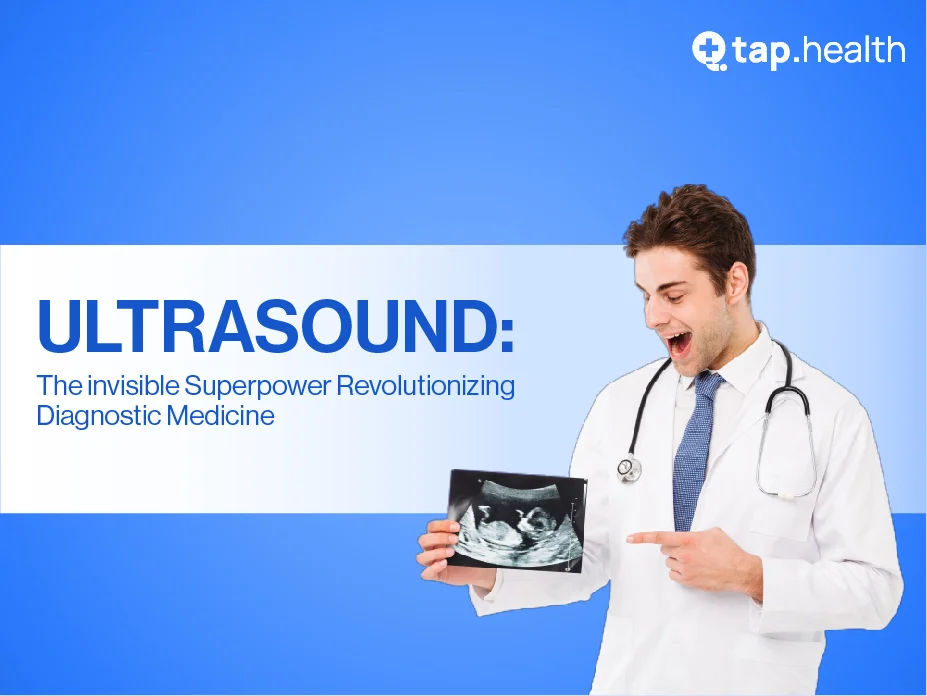
Ultrasound, or sonography, is a cornerstone of modern diagnostic medicine, offering a non-invasive, safe, and versatile method to visualize internal organs and tissues. By using high-frequency sound waves, ultrasound creates real-time images that help healthcare professionals diagnose and monitor various conditions. This blog explores the key applications of ultrasound in medical diagnostics, its benefits, limitations, and advancements, addressing common questions about its use in healthcare.

What Is Ultrasound and How Does It Work in Diagnostics?


Ultrasound imaging relies on a transducer that emits high-frequency sound waves into the body. These waves reflect off tissues and organs, creating echoes that a computer processes into detailed images. A gel applied to the skin ensures proper sound wave transmission. This non-invasive technique provides real-time visualization, allowing doctors to assess organ size, shape, and abnormalities without surgery or radiation.

Unlike X-rays or CT scans, ultrasound poses no risk of ionizing radiation, making it ideal for sensitive populations like pregnant women. Its portability also enables use in diverse settings, from hospitals to remote clinics.

What Are the Common Uses of Ultrasound in Medicine?


Ultrasound is used across various medical fields due to its versatility. Below are its primary applications:

  1. Obstetrics and Gynecology: Prenatal ultrasound monitors fetal development, assessing growth, detecting abnormalities, and evaluating the placenta. In gynecology, it diagnoses conditions like ovarian cysts, fibroids, and endometriosis by imaging the uterus and ovaries.
  2. Cardiology (Echocardiography): Echocardiograms visualize the heart’s structure and function, aiding in diagnosing heart valve issues, congenital defects, and heart failure. Ultrasound measures ejection fraction and detects blood clots or fluid around the heart.
  3. Abdominal and Pelvic Imaging: Ultrasound evaluates organs like the liver, kidneys, and bladder, identifying conditions such as gallstones, kidney stones, and cysts.
  4. Thyroid and Breast Assessments: Thyroid ultrasound detects nodules and guides biopsies, while breast ultrasound differentiates benign cysts from malignant masses, complementing mammography.
  5. Musculoskeletal Imaging: Orthopedic specialists use ultrasound to diagnose tendonitis, arthritis, and joint issues, guiding injections or aspirations.
  6. Renal and Urinary Tract Evaluation: Ultrasound identifies kidney stones, urinary infections, and congenital abnormalities in the kidneys and bladder.
  7. Guiding Interventional Procedures: Ultrasound ensures precise needle placement for biopsies, aspirations, and fluid drainage, improving accuracy and reducing complications.

Why Is Ultrasound Preferred in Diagnostic Medicine?


Ultrasound offers several advantages:

  • Non-Invasive: Requires no incisions, reducing patient discomfort and recovery time.
  • Radiation-Free: Safe for pregnant women and frequent use.
  • Real-Time Imaging: Allows dynamic visualization, ideal for guiding procedures.
  • Portability: Modern machines enable use in diverse settings, including emergencies.
  • Cost-Effective: Generally more affordable than MRI or CT scans.

However, ultrasound has limitations:

  • Image Quality: May be less effective in obese patients or those with excessive bowel gas.
  • Depth Limitations: Struggles to visualize deep structures compared to other imaging modalities.

How Does Ultrasound Aid in Fetal Monitoring?


Prenatal ultrasound is a vital tool in obstetrics, offering detailed images of the fetus. It helps:

  • Determine gestational age and monitor growth.
  • Detect congenital anomalies, such as heart or spine defects.
  • Assess placental position and amniotic fluid levels.
  • Guide procedures like amniocentesis.

Its safety and real-time imaging make it indispensable for ensuring fetal and maternal health.

What Role Does Ultrasound Play in Cardiology?


Echocardiography uses ultrasound to evaluate the heart’s structure and function. It diagnoses:

  • Heart valve disorders (e.g., mitral valve prolapse).
  • Congenital heart defects.
  • Heart failure by measuring ejection fraction.
  • Abnormalities like blood clots or pericardial effusion.

This non-invasive method provides critical data for treatment planning, avoiding the risks of invasive procedures.

How Is Ultrasound Used for Thyroid and Breast Evaluations?


  • Thyroid Ultrasound: Detects nodules, assesses their size and texture, and determines if they’re solid or fluid-filled. This guides decisions on whether a biopsy is needed to rule out malignancy.
  • Breast Ultrasound: Complements mammography by characterizing masses as benign or malignant, guiding biopsies, and monitoring breast health, especially in younger women or those with dense breasts.

Can Ultrasound Diagnose Musculoskeletal and Renal Conditions?


  • Musculoskeletal Ultrasound: Visualizes muscles, tendons, ligaments, and joints to diagnose conditions like tendonitis, bursitis, or arthritis. It also guides joint injections for pain relief.
  • Renal Ultrasound: Evaluates kidneys and bladder, detecting stones, cysts, or infections. Its non-invasive nature makes it ideal for routine urinary tract assessments.

What Are the Latest Advancements in Ultrasound Technology?


Recent innovations have enhanced ultrasound’s diagnostic capabilities:

  • 3D and 4D Ultrasound: Provide detailed, multi-dimensional images, improving visualization of complex structures like the fetus or heart.
  • Elastography: Measures tissue stiffness to diagnose conditions like liver fibrosis.
  • Contrast-Enhanced Ultrasound: Uses contrast agents to improve image clarity, aiding in the diagnosis of tumors or vascular issues.
  • Portable Devices: Compact ultrasound machines expand access in remote or emergency settings.

These advancements improve diagnostic accuracy and expand ultrasound’s applications in both diagnostics and therapeutic interventions.

What Are the Limitations of Ultrasound Imaging?


While ultrasound is highly effective, it faces challenges:

  • Operator Dependency: Image quality relies on the technician’s skill.
  • Limited Penetration: Struggles with deep tissues or in patients with obesity.
  • Obstructions: Bowel gas or bone can obscure images.
  • Resolution: Less detailed than MRI or CT for certain structures.

Despite these, ongoing research aims to address these limitations through improved technology and techniques.

How Does Ultrasound Guide Minimally Invasive Procedures?

Ultrasound’s real-time imaging is critical for guiding procedures like:

  • Biopsies: Ensures accurate needle placement for tissue sampling.
  • Fluid Drainage: Guides catheters to remove fluid collections.
  • Injections: Delivers medication precisely for pain management or treatment.

This precision minimizes complications and enhances patient outcomes.

Conclusion

Ultrasound imaging is a transformative tool in diagnostic medicine, offering safe, non-invasive, and real-time visualization of organs and tissues. Its applications span obstetrics, cardiology, musculoskeletal, and renal diagnostics, among others, making it indispensable in modern healthcare. While it has limitations, advancements like 3D/4D imaging and elastography continue to enhance its capabilities. As technology evolves, ultrasound will play an even greater role in improving patient care and outcomes.

For more information on ultrasound applications or to explore pricing for diagnostic services, consult healthcare providers or visit specialized medical resources.


Tags
A1C test diabetes heart health diabetic retinopathy fruit and blood sugar type 1 diabetes how to lower HbA1c diabetic breakfast ideas post-meal blood sugar Indian diabetes plate foods for diabetes shopping diabetes and alcohol low blood sugar at night diabetes excessive thirst insulin site rotation diabetes curd milk for diabetes why diabetes is considered as a lifestyle disease blood pressure diabetes eye test rice and diabetes type 1 diabetes symptoms fasting sugar normal range PCOS and diabetes blood sugar after food diabetes portion control diabetes kidney tests alcohol blood sugar diabetes diabetes sweating at night diabetes dry mouth insulin lumps tea and coffee in diabetes can diabetics drink milk Medicine lifestyle diabetes cholesterol diabetes kidney care can diabetics eat rice insulin diabetes high fasting blood sugar PCOS insulin resistance postprandial glucose low glycaemic index foods for diabetes urine albumin diabetes can diabetics drink alcohol diabetes headache frequent urination diabetes diabetes weight gain coffee diabetes best milk for diabetes Health type 2 diabetes lifestyle disease living with diabetes diabetic kidney disease diabetes diet India prediabetes diet reverse prediabetes naturally PCOS diabetes risk dawn phenomenon diabetes low GI foods India eGFR diabetes diabetes and dizziness high blood sugar headache diabetes fatigue diabetes and weight gain tea diabetes peanuts for diabetes Lifestyle exercise and diabetes diabetes habits kidney tests diabetes morning blood sugar prediabetes food prediabetes reversal gestational diabetes diet Indian morning sugar high diabetes low GI diet diabetes and dental problems dizziness diabetes low blood sugar headache diabetes tiredness insulin weight gain roti for diabetes are peanuts good for diabetes Home remedies blood sugar control diabetes management high blood sugar symptoms fasting sugar high lower diabetes risk how to prevent type 2 diabetes pregnancy diabetes diet high fasting sugar in morning diabetes and fatty liver diabetes gum disease low sugar dizziness blood sugar monitoring at home high blood sugar tiredness diabetes swollen feet best roti for diabetes peanuts blood sugar Fitness physical activity insulin resistance hyperglycemia symptoms dawn phenomenon diabetes and weight loss insulin resistance diet gestational diabetes meal plan diabetes and cholesterol fatty liver diabetes dry mouth diabetes diabetes leg pain when to check blood sugar diabetes constipation swollen feet diabetes chapati diabetes sweet potato for diabetes Prevention diabetes foot care insulin sensitivity diabetes warning signs diabetes myths weight loss diabetes Indian foods for insulin resistance diabetic foot ulcer diabetes lipid profile insulin resistance fatty liver diabetes urine infection diabetic leg cramps blood glucose monitoring diabetes and constipation diabetes foot swelling can diabetics eat dates can diabetics eat sweet potato Hygiene diabetic foot type 2 diabetes risk normal blood sugar levels diabetes facts insulin resistance weight loss improve insulin sensitivity diabetes foot wound cholesterol in diabetes diabetes skin problems frequent UTI diabetes diabetes nerve pain legs metformin for diabetes constipation diabetes can diabetics eat banana dates for diabetes sweet potato blood sugar Ailments foot health diabetes and sleep fasting blood sugar diabetes misconceptions diabetes medicine safety diabetic neuropathy symptoms diabetic foot ulcer warning signs can diabetics eat mango diabetes itching urinary infection diabetes diabetes slow wound healing metformin side effects diabetes numbness in hands banana for diabetes dates blood sugar jaggery for diabetes Hindi gestational diabetes poor sleep blood sugar HbA1c diabetes symptoms in women diabetes medicines diabetes nerve damage diabetes and blood pressure mango and diabetes dark patches diabetes diabetes stomach problems diabetes wounds metformin safety diabetes tingling hands banana blood sugar papaya for diabetes is jaggery good for diabetes skin diseases pregnancy diabetes sleep and diabetes diabetes in India women diabetes signs diabetes treatment advice tingling feet diabetes high blood pressure diabetes mango sugar diabetes walking after meals for diabetes diabetic gastroparesis diabetic wound care diabetes ketoacidosis warning signs diabetic neuropathy hands coconut water and diabetes is papaya good for diabetes gur for diabetes acne vulgaris symptoms blood sugar pregnancy diabetes and stress diabetes risk factors India diabetes risk women Indian diabetic diet chart diabetes eye disease diabetes heart kidney risk diabetes reversal vs remission post meal walk diabetes diabetes bloating nausea diabetes yeast infection DKA symptoms fasting with diabetes coconut water for diabetes papaya blood sugar AI Search low blood sugar stress blood sugar diabetes prevention India diabetes symptoms in men diabetic meal plan diabetic eye test borderline HbA1c diabetes remission walking lowers blood sugar diabetes sick day rules diabetes fungal infection ketones diabetes diabetes fasting safety can diabetics drink coconut water oats for diabetes blood sugar hypoglycemia cortisol diabetes best fruits for diabetes men diabetes signs HbA1c test high protein breakfast for diabetes HbA1c 5.7 to 6.4 reverse type 2 diabetes diabetes grocery list India diabetes during illness diabetes vaginal itching diabetes blurry vision can diabetics fast curd for diabetes oatmeal diabetes fasting glucose diabetes safety diabetes eye care diabetes fruits diabetes risk men HbA1c normal range diabetes breakfast India prediabetes HbA1c diabetes plate method diabetic food list India blood sugar fever infection diabetes night sweats high blood sugar blurry vision insulin injection sites is curd good for diabetes are oats good for diabetes
More blogs
Nishat Anjum
Nishat Anjum
• May 29, 2026
• 19 min read

Oats for Diabetes: Best Type, Blood Sugar Impact, Breakfast Ideas, and Common Mistakes

A detailed guide to oats for diabetes, covering steel-cut, rolled and instant oats, blood sugar impact, toppings, portions, and Indian breakfast ideas.

Diabetes
how-to-use-ultrasound-in-diagnostic-medicine
Fashtana Khan
Fashtana Khan
• May 29, 2026
• 19 min read

Jaggery for Diabetes: Is Gur Better Than Sugar, Blood Sugar Risks, and Safer Choices

A myth-busting guide to jaggery for diabetes, explaining gur versus sugar, blood sugar risks, iron claims, portion cautions, and safer sweet choices.

Diabetes
how-to-use-ultrasound-in-diagnostic-medicine
Varshitha Sotala
Varshitha Sotala
• May 29, 2026
• 19 min read

Peanuts for Diabetes: Blood Sugar Benefits, Portion Size, Weight Control, and Safety Tips

A practical guide to peanuts for diabetes, covering blood sugar, protein, healthy fats, portion size, weight control, salted peanuts, and allergy safety.

Diabetes
how-to-use-ultrasound-in-diagnostic-medicine
Do you remember your last sugar reading?
Log and Track your glucose on the Tap Health App
All logs in one place
Smart trend graphs
Medicine Reminder
100% Ad Free
Download Now

Missed your diabetes meds

again? Not anymore.

Get medicine reminders on your phone.

✓ Glucose diary and Insights
✓ Smart Nudges
✓ All logs at one place
✓ 100% Ad free
Download Free
tap health
tap.health logo
copyright © 2025
2nd Floor,Plot No 4, Minarch Tower,
Sector 44,Gurugram, 122003,
Haryana, India
  • About Us
  • Blog
  • Doctor login
  • Contact Us
  • Privacy Policy
  • Return / Shipping Policy
  • Terms and Conditions
Get Your Free AI Diabetes Coach