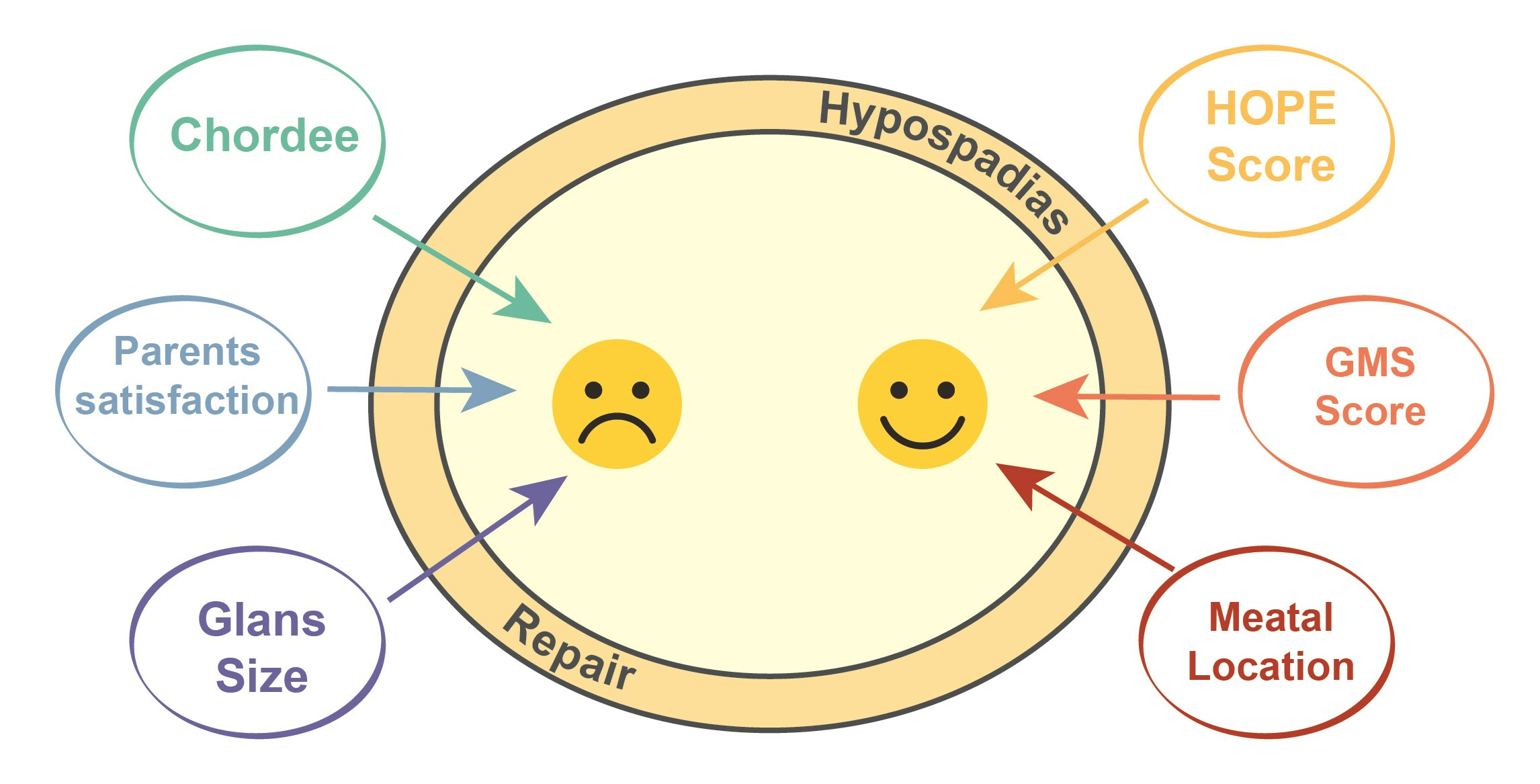
Hypospadias is a congenital condition affecting approximately 1 in 200 to 300 male infants, where the urethral opening is located on the underside of the penis rather than at the tip. This condition varies in severity, impacting urinary and sexual function, and sometimes causing psychological challenges. Raising awareness about hypospadias, its causes, symptoms, diagnosis, and treatment options is essential for supporting affected individuals and their families. This blog provides a concise yet comprehensive overview of hypospadias, addressing common questions and concerns in a clear, accessible format.
What Is Hypospadias?
Q: What is hypospadias and how does it affect boys? Hypospadias is a congenital condition where the urethra, the tube that carries urine from the bladder out of the body, does not fully form during fetal development. This results in the urethral opening (meatus) being located on the underside of the penis, scrotum, or perineum, rather than at the tip. The condition can range from mild to severe, affecting the penis’s appearance, urinary function, and, in some cases, sexual function. Beyond physical effects, hypospadias may lead to emotional challenges, such as body image concerns, making early diagnosis and intervention critical.
What Causes Hypospadias?
Q: What are the causes and risk factors for hypospadias? The exact cause of hypospadias is not fully understood, but it is believed to result from a combination of genetic and environmental factors. Genetic predisposition may increase the likelihood of the condition, while environmental influences during pregnancy, such as exposure to anti-androgen medications, can also contribute. Other risk factors include advanced maternal age, hormonal imbalances during pregnancy, and inadequate maternal nutrition. These factors may disrupt the normal development of the urethral groove, leading to hypospadias.
How Is Hypospadias Classified?
Q: What are the different types of hypospadias? Hypospadias is classified into three main types based on the location of the urethral opening:
- Anterior Hypospadias: The most common type, where the urethral opening is near the glans or at the junction of the penis and scrotum. Mild cases may involve slight displacement, while severe cases can show significant penile curvature.
- Middle Hypospadias: Less common, with the urethral opening along the shaft of the penis, between the corona and scrotum. It may also involve penile curvature, requiring careful medical evaluation.
- Posterior Hypospadias: The rarest and most severe form, where the urethral opening is located on the perineum or, in rare cases, within the anus. This type often requires complex surgical correction due to significant curvature and abnormal positioning.
Each type varies in severity, and a pediatric urologist’s evaluation is essential to determine the appropriate treatment plan.
What Are the Symptoms of Hypospadias?
Q: How can hypospadias be identified in infants and children? The primary symptom of hypospadias is the abnormal placement of the urethral opening on the underside of the penis. Other symptoms include:
- Penile curvature (chordee), which may be more noticeable during an erection.
- Spraying or splitting of the urine stream, making it difficult to urinate in a straight line.
- Difficulty directing urine flow, which can affect hygiene and comfort.
In mild cases, symptoms may only be evident during an erection, while severe cases are visible at all times. Parents should seek medical advice if these signs are present to ensure early intervention.
How Is Hypospadias Diagnosed?
Q: What tests are used to diagnose hypospadias? Diagnosis typically involves a physical examination by a pediatric urologist, who assesses the genitalia, the severity of the condition, and any associated abnormalities. Additional diagnostic tools may include:
- Ultrasound: To evaluate the urinary tract and bladder for any structural issues.
- Voiding Cystourethrogram: A test to assess bladder and urethral function, aiding in surgical planning.
Early diagnosis is key to addressing both physical and emotional impacts, with healthcare providers offering support to families throughout the process.
What Are the Treatment Options for Hypospadias?
Q: How is hypospadias treated? The primary treatment for hypospadias is surgical intervention, aimed at repositioning the urethral opening to the tip of the penis and correcting any curvature. Common surgical techniques include:
- Urethral reconstruction: Using tissue grafts to rebuild the urethra.
- Chordee correction: Straightening the penis to improve function and appearance.
The timing of surgery varies, with some children undergoing the procedure in infancy (6–18 months) and others at a later age, depending on the severity and the surgeon’s recommendation. In complex cases, multiple surgeries may be required to achieve optimal results.
What Does Post-Surgery Care Involve?
Q: What care is needed after hypospadias surgery? Post-operative care is critical to ensure proper healing and minimize complications. Key aspects include:
- Urinary catheter use: To support healing and maintain urine flow.
- Follow-up visits: To monitor recovery and detect complications like fistulas or stenosis.
- Wound care: Keeping the surgical site clean to prevent infection.
Long-term management involves regular assessments of urinary and sexual function, with ongoing support from healthcare providers to address any concerns.
What Are the Long-Term Outcomes of Hypospadias?
Q: What is the long-term outlook for individuals with hypospadias? With advances in surgical techniques, most individuals with hypospadias achieve improved penile function and appearance after surgery. However, potential complications include:
- Fistulas: Abnormal connections between the urethra and skin.
- Urethral stenosis: Narrowing of the urethra, affecting urine flow.
- Persistent curvature: Requiring additional corrective procedures.
Psychological challenges, such as body image or sexual function concerns, may also arise. Counseling and support groups can help individuals and families navigate these issues, promoting emotional well-being and confidence.
How Can Families Cope with Hypospadias?
Q: What support is available for families dealing with hypospadias? Coping with hypospadias can be challenging, but families can find support through:
- Counseling services: To address emotional and psychological concerns.
- Support groups: Connecting families with others facing similar experiences.
- Education: Learning about the condition, treatment options, and expected outcomes empowers parents to make informed decisions.
Healthcare providers can connect families with resources, such as organizations specializing in hypospadias support, fostering a sense of community and understanding.
Why Is Hypospadias Awareness Important?
Q: Why should we raise awareness about hypospadias? Raising awareness about hypospadias helps reduce stigma, encourages early diagnosis, and promotes access to appropriate care. By educating families, healthcare providers, and communities, we can ensure that affected children receive timely intervention, improving their physical and emotional outcomes. Awareness also fosters empathy and support for individuals navigating the challenges of this condition.
Conclusion
Hypospadias is a common congenital condition that requires a multidisciplinary approach to diagnosis, treatment, and support. By understanding its causes, symptoms, and treatment options, families and healthcare providers can work together to ensure optimal outcomes. Surgical intervention, combined with post-operative care and emotional support, can significantly improve the quality of life for individuals with hypospadias. Raising awareness and providing resources empower families to navigate this condition with confidence, fostering better health and well-being for affected children.