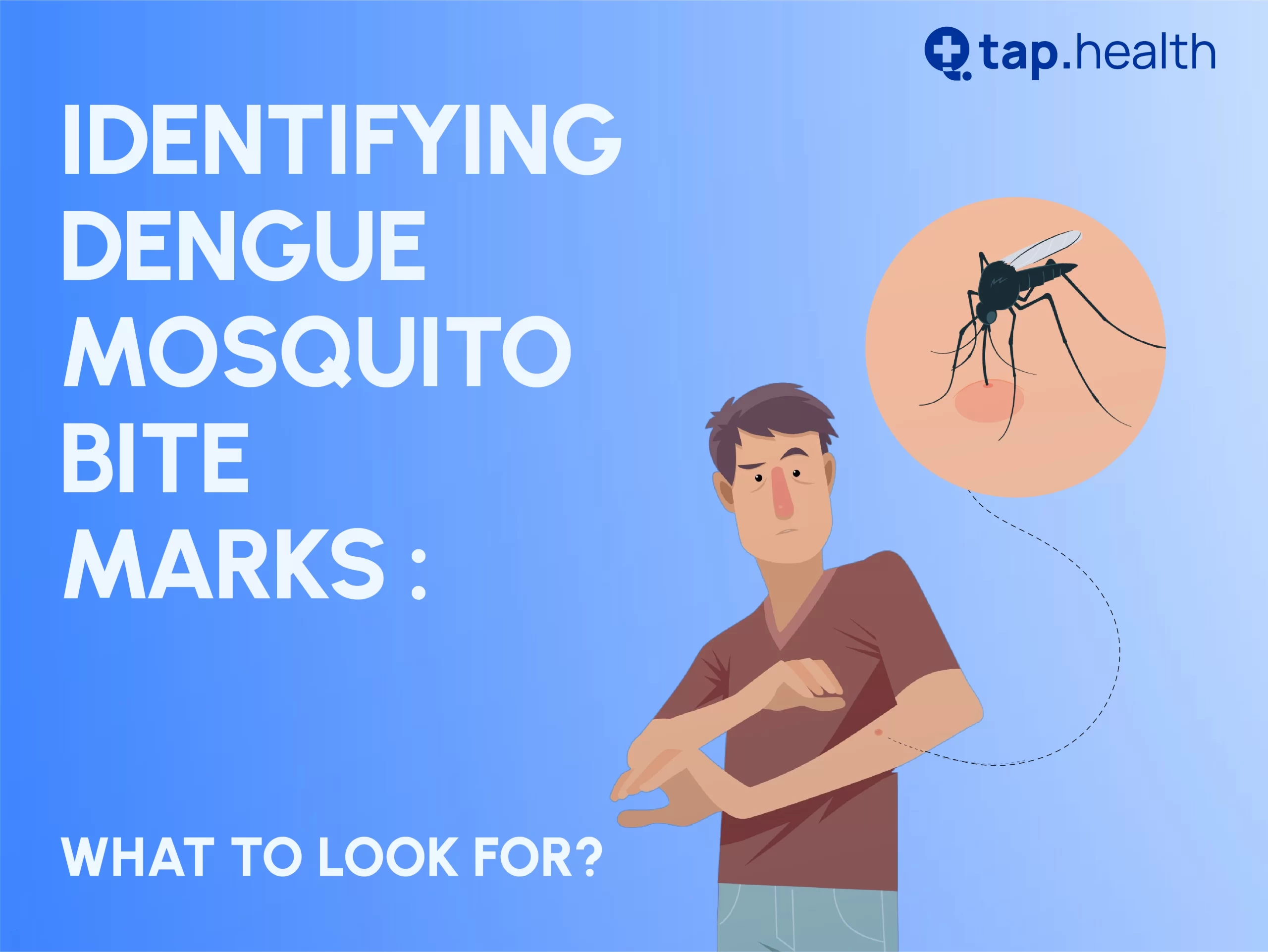
Dengue fever, a viral infection transmitted by mosquitoes, is prevalent in many tropical and subtropical regions worldwide. One of the first signs of infection can be a mosquito bite, but how do you identify if it’s from the mosquito that carries the dengue virus? In this comprehensive guide, we will explore how to identify dengue mosquito bite marks, the symptoms associated with them, and what steps you can take to protect yourself from this potentially serious disease.
What Is Dengue Fever?
Before delving into how to identify dengue mosquito bite marks, it’s crucial to understand what dengue fever is and how it is transmitted. Dengue is caused by the dengue virus, which is spread by mosquitoes, particularly Aedes mosquitoes. These mosquitoes are most active during the early morning and late afternoon and are found primarily in tropical and subtropical regions.
Key Symptoms of Dengue Fever
Dengue fever can cause a variety of symptoms, often appearing 4–10 days after being bitten by an infected mosquito. The most common symptoms include:
- High fever
- Severe headache
- Pain behind the eyes
- Joint and muscle pain
- Rash
- Fatigue and weakness
- Nausea and vomiting
- Mild bleeding (e.g., nosebleeds, gum bleeding)
While dengue can cause mild illness in some people, it can also develop into a more severe form called dengue hemorrhagic fever, which can be life-threatening.
How to Identify Dengue Mosquito Bite Marks
Dengue mosquito bites can be tricky to identify at first, especially since they resemble bites from other mosquitoes. However, there are some distinctive signs and symptoms that can help you identify a bite from a dengue-carrying mosquito.
1. Type of Mosquito: Aedes Mosquito
First and foremost, knowing the type of mosquito responsible for transmitting the dengue virus is key. The primary mosquito responsible for dengue is the Aedes aegypti mosquito, which can be recognized by the following characteristics:
- Color: Aedes mosquitoes are typically black with white markings on their legs and a lyre-shaped pattern on the thorax (the middle part of their body).
- Size: These mosquitoes are small to medium in size, usually about 4–7 mm in length.
- Flight Patterns: Unlike other mosquitoes that typically fly at night, Aedes mosquitoes are most active during the daytime, particularly in the early morning and late afternoon.
2. Appearance of the Bite Marks
Dengue mosquito bites may appear similar to bites from other mosquitoes but often have unique characteristics. Here’s what to look for:
Itchy, Raised Bumps
A mosquito bite from an Aedes mosquito typically results in a small, raised, and itchy bump. This is caused by the body’s reaction to the mosquito’s saliva. The bump might be red, inflamed, and itchy, and in some cases, it can appear to be more swollen than typical mosquito bites.
Clustered Bites
Dengue mosquito bites are often clustered together in one area of the body, especially the lower legs, feet, and arms. These mosquitoes tend to bite multiple times in quick succession. The bites may not always be in a straight line but can be found in groups.
Bites on Exposed Skin
Aedes mosquitoes are known to bite people on exposed skin, especially during the daytime. You might notice more bites on your arms, legs, or feet. The bites usually occur in areas that are less protected by clothing.
Bites on the Feet and Ankles
Dengue mosquitoes often target the feet, ankles, and lower legs. While other types of mosquitoes might bite any exposed skin, Aedes mosquitoes are particularly attracted to the feet and legs, so these areas may have more concentrated bites.
3. Itching and Redness
The immediate response to a dengue mosquito bite is similar to other mosquito bites: itching and redness. However, dengue bites tend to become more irritated and swollen compared to bites from other mosquitoes. The itching may last longer, and the bites may remain swollen for a few days.
How to Differentiate Dengue Mosquito Bites from Other Mosquito Bites
While dengue mosquito bites share some similarities with bites from other mosquitoes, there are subtle differences. Let’s explore how to distinguish between dengue mosquito bites and bites from other types of mosquitoes.
1. Location of the Bites
One of the easiest ways to differentiate dengue mosquito bites from others is by the location of the bites. Aedes mosquitoes tend to target the lower legs, ankles, and feet. While other mosquitoes may bite all over the body, dengue mosquito bites are more concentrated in these areas.
2. Size and Appearance of the Bites
Dengue mosquito bites tend to be larger, more swollen, and more painful than bites from other mosquitoes. The bite area can remain inflamed for a longer period, sometimes up to several days. Additionally, the area surrounding the bite can become redder and more irritated compared to typical mosquito bites.
3. Itching and Swelling Duration
While most mosquito bites itch for a short period and subside within a day or two, dengue mosquito bites can cause prolonged itching and swelling. The itching may last longer, and the swelling may increase, causing discomfort for several days.
When to Seek Medical Help
If you suspect that you have been bitten by a dengue-carrying mosquito, it’s important to monitor for other symptoms of dengue fever, especially if you’re in an area where the virus is common. If you experience any of the following symptoms, seek medical help immediately:
- High fever (above 104°F/40°C)
- Severe headache
- Pain behind the eyes
- Persistent vomiting
- Severe joint and muscle pain
- Skin rash or bleeding
- Fatigue or weakness
1. Severe Dengue (Dengue Hemorrhagic Fever)
In rare cases, dengue fever can progress to severe dengue, also known as dengue hemorrhagic fever, which can be life-threatening. Signs of severe dengue include:
- Severe abdominal pain
- Bleeding gums or nosebleeds
- Low blood pressure or shock
- Easy bruising or skin bleeding
If you experience any of these symptoms, it’s crucial to seek medical attention immediately.
Prevention of Dengue Mosquito Bites
While identifying dengue mosquito bite marks is important, preventing mosquito bites in the first place is key to avoiding dengue fever. Here are some steps you can take to protect yourself from mosquito bites:
1. Use Mosquito Repellents
Use insect repellents containing DEET, picaridin, or oil of lemon eucalyptus to protect yourself from mosquito bites. Apply repellent to all exposed skin areas, especially during the day when Aedes mosquitoes are most active.
2. Wear Protective Clothing
Wear long sleeves, long pants, and socks to minimize exposed skin. Choose light-colored clothing, as mosquitoes are more attracted to dark colors.
3. Eliminate Standing Water
Aedes mosquitoes breed in standing water, so eliminating water sources around your home can help reduce mosquito populations. Empty containers, clean gutters, and change water in flower vases regularly.
4. Use Mosquito Nets and Screens
If you’re staying in an area with a high risk of dengue, sleep under a mosquito net or use screens on windows to keep mosquitoes out.
Frequently Asked Questions (FAQs) on Identifying Dengue Mosquito Bite Marks
1. What does a dengue mosquito bite look like?
A dengue mosquito bite typically appears as a small, raised, red bump that is itchy. It may become swollen and irritated, especially if you have an allergic reaction to the mosquito’s saliva.
2. How can I differentiate dengue mosquito bites from other mosquito bites?
Dengue mosquito bites tend to occur in clusters on the lower legs, feet, and ankles. They are larger, more swollen, and more painful than bites from other mosquitoes, and the itching may last longer.
3. Are all mosquito bites from dengue-carrying mosquitoes dangerous?
No, not all mosquito bites from Aedes mosquitoes will transmit dengue. Only mosquitoes infected with the dengue virus can pass the disease to humans. However, all mosquito bites can lead to other health issues like skin infections or allergic reactions.
4. How long do dengue mosquito bites last?
Dengue mosquito bites can last anywhere from a few days to a week, depending on your immune response and the level of irritation. Swelling and redness may persist longer than typical mosquito bites.
5. What should I do if I get bitten by a mosquito in a dengue-prone area?
If you get bitten by a mosquito in an area where dengue is common, monitor for symptoms such as fever, severe headache, and joint pain. Seek medical attention if you develop any of these signs, as early treatment is important.
Real-Life Scenario
Imagine a person spends the evening outdoors in a dengue-prone area. The next day, they notice several small red bumps on their arms and legs, which are slightly itchy. Within 2–3 days, they start feeling fatigued and develop a mild fever. Recognizing the bite marks and monitoring symptoms early can prompt them to consult a doctor quickly and prevent severe dengue complications.
Expert Contribution
Medical experts note that Aedes mosquitoes bite mostly during the day, especially early morning and late afternoon. The bites are often clustered in groups rather than spread randomly. Experts emphasize that while bite marks alone don’t confirm dengue, early identification combined with symptom monitoring can lead to faster medical attention and better outcomes.
Recommendations Grounded in Proven Research and Facts
- Observe bite patterns: Multiple clustered bites on exposed skin can be a warning sign.
- Monitor symptoms: Fever, headache, joint pain, or rash appearing after bites should be taken seriously.
- Prevent further bites: Use mosquito repellents, nets, and wear protective clothing.
- Seek medical advice early: If bite marks are followed by fever or unusual fatigue, consult a doctor immediately.
- Maintain hygiene and avoid stagnant water: Reduces mosquito breeding, lowering the risk of dengue transmission.
Conclusion
Identifying dengue mosquito bite marks can be challenging, but understanding what to look for—such as clustered bites on the feet, ankles, and legs—can help you determine whether a mosquito bite could be related to dengue. If you live in or are traveling to areas with a high risk of dengue fever, it’s essential to take preventive measures, such as using mosquito repellent and wearing protective clothing. If you experience any symptoms of dengue fever after being bitten, seek medical attention immediately to ensure proper treatment.