tap.health logo
  • Diabetes Management
  • Health Assistant
  • About Us
  • Blog
  • Contact Us
Get Plan
  • Diabetes Management
  • Health Assistant
  • About Us
  • Blog
  • Contact Us
  • All Blogs
  • Product
  • Managing Excessive Thirst: A Holistic Approach for Better Health

Managing Excessive Thirst: A Holistic Approach for Better Health

Product
February 29, 2024
• 4 min read
Yasaswini Vajupeyajula
Written by
Yasaswini Vajupeyajula
ChatGPT Perplexity WhatsApp LinkedIn X Grok Google AI
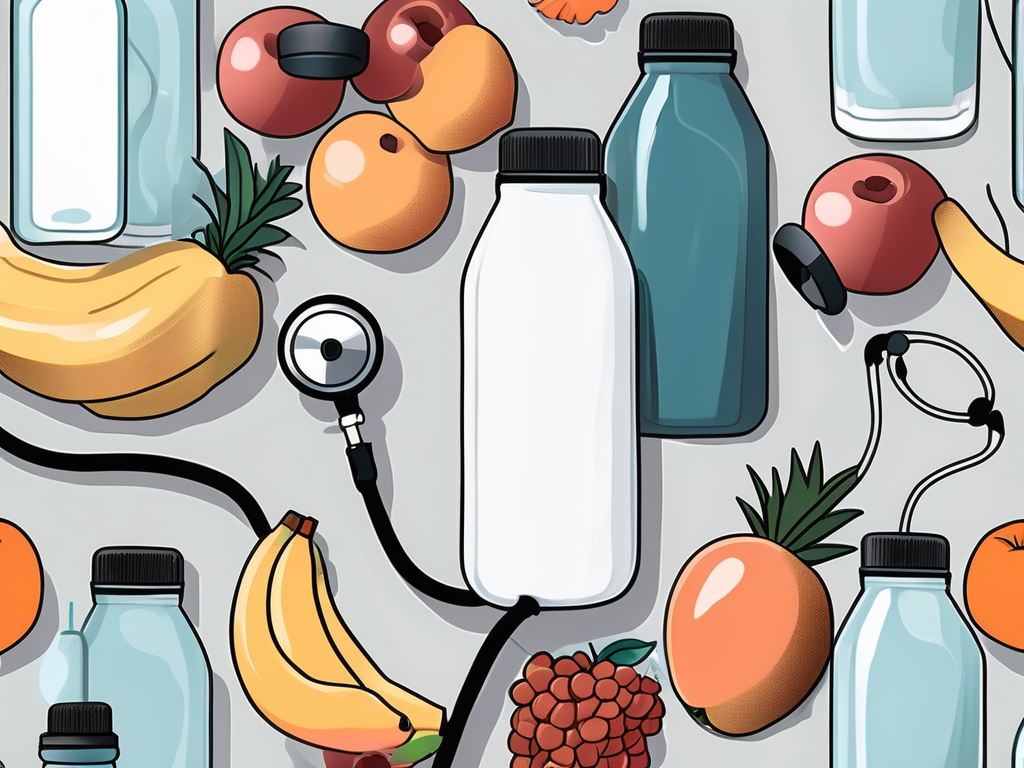
A collection of water bottles

Excessive thirst, or polydipsia, can disrupt daily life and signal underlying health issues. Understanding its causes, triggers, and management strategies is crucial for maintaining optimal health. This blog explores the science behind thirst, common triggers, hydration strategies, dietary influences, medical conditions, lifestyle changes, and when to seek professional help. By addressing these factors, you can effectively manage excessive thirst and improve your well-being.

What Causes Excessive Thirst?

Why do I feel thirsty all the time? Thirst is the body’s natural signal for hydration, regulated by the hypothalamus in response to fluid imbalances. Excessive thirst, however, may indicate underlying issues. Common causes include dehydration, medical conditions like diabetes, or environmental factors like heat. Persistent thirst disproportionate to fluid intake warrants medical attention.

Key Triggers:

  • Dehydration: Loss of fluids from sweating, illness, or inadequate water intake.
  • Medical Conditions: Diabetes mellitus, diabetes insipidus, or kidney issues.
  • Medications: Diuretics or certain drugs that increase fluid loss.

How Does Hydration Affect Thirst?

Why is hydration important for thirst control? Hydration maintains fluid balance, supports bodily functions, and prevents excessive thirst. Water regulates body temperature, aids digestion, and eliminates waste. Insufficient hydration triggers the thirst response as the body signals a need for fluids.

Optimal Water Intake:

  • Adults should aim for about 2 liters (8 cups) of water daily, adjusted for activity level, climate, and health.
  • Monitor urine color (pale yellow indicates good hydration).
  • Include hydrating foods like fruits and vegetables to supplement water intake.

What Environmental and Lifestyle Factors Increase Thirst?

How do environmental factors cause excessive thirst? Hot climates, dry air, or high altitudes increase fluid loss through sweating, triggering thirst. Humidity can mask dehydration by slowing sweat evaporation, making it essential to stay vigilant about hydration in such conditions.

Physical Activity and Thirst: Exercise increases fluid needs due to sweat loss. Endurance athletes or those in intense workouts require more water to maintain hydration. Factors like fitness level and activity type also influence fluid demands.

Lifestyle Tips:

  • Carry a water bottle for consistent hydration.
  • Limit diuretic beverages like alcohol and caffeine.
  • Create a cool environment to reduce sweating.

How Does Diet Influence Thirst Levels?

Which foods and drinks increase thirst? Certain foods and beverages exacerbate thirst due to their diuretic or high-sodium properties:

  • Alcohol and Caffeine: These act as diuretics, increasing fluid loss.
  • Salty or Processed Foods: High sodium levels prompt the body to crave water.
  • Spicy Foods: These stimulate saliva production, leading to thirst.

Hydrating Foods and Drinks: Incorporate water-rich foods like watermelon, cucumbers, and oranges to boost hydration. Herbal teas, infused water, and natural fruit juices (without added sugars) are excellent choices to maintain fluid balance while adding flavor and nutrients.

What Medical Conditions Are Linked to Excessive Thirst?

Why is excessive thirst a symptom of diabetes? In diabetes mellitus, high blood sugar levels increase urination, leading to fluid loss and thirst. Diabetes insipidus, a different condition, affects the body’s ability to regulate water, causing persistent thirst and frequent urination.

Other Conditions:

  • Kidney Issues: Impaired kidney function can disrupt fluid balance.
  • Hormonal Imbalances: Conditions like hyperthyroidism may increase thirst.
  • Medications: Certain drugs, like antipsychotics, can cause dry mouth or thirst.

When to Seek Help: Consult a doctor if excessive thirst persists alongside symptoms like frequent urination, fatigue, or unexplained weight loss.

How Can Lifestyle Changes Help Manage Thirst?

What lifestyle habits reduce excessive thirst? Adopting healthy habits can control thirst and improve hydration:

  • Stay Consistent: Drink water regularly throughout the day.
  • Monitor Intake: Track fluid consumption to ensure adequate hydration.
  • Avoid Diuretics: Reduce alcohol, caffeine, and high-sodium foods.
  • Manage Stress: Stress can trigger thirst in some individuals; practice relaxation techniques like meditation.
  • Stay Cool: Minimize fluid loss by maintaining a comfortable environment.

When Should You Seek Medical Attention?

When is excessive thirst a cause for concern? Occasional thirst is normal, but persistent or unexplained thirst requires evaluation. Seek medical attention if you experience:

  • Thirst that persists despite adequate fluid intake.
  • Symptoms like frequent urination, fatigue, or weight changes.
  • Signs of dehydration, such as dizziness or dark urine.

Diagnostic Tests: Doctors may use:

  • Blood Tests: To check glucose and electrolyte levels.
  • Urine Tests: To assess kidney function and hydration status.
  • Imaging or Hormonal Tests: To identify underlying conditions.

What Are the Treatment Options for Excessive Thirst?

How is excessive thirst treated? Treatment depends on the underlying cause:

  • Diabetes Management: Controlling blood sugar with diet, medication, or insulin.
  • Hormonal Imbalances: Addressing conditions like diabetes insipidus with specific therapies.
  • Kidney Issues: Treating underlying kidney problems to restore fluid balance.
  • Medication Adjustments: Modifying drugs causing thirst under medical supervision.

A healthcare provider will create a personalized plan to address the root cause and alleviate symptoms.

How to Incorporate Hydration into Daily Life

What are practical ways to stay hydrated?

  • Carry a Reusable Water Bottle: Ensures easy access to water.
  • Set Reminders: Use apps or alarms to drink water regularly.
  • Flavor Water Naturally: Add fruits like lemon or berries for taste.
  • Eat Hydrating Foods: Include water-rich fruits and vegetables in meals.
  • Monitor Hydration Cues: Check urine color and frequency to gauge hydration.

Why Is Early Intervention Important?

Why should you address excessive thirst early? Early intervention prevents complications from underlying conditions like diabetes or kidney issues. Prompt medical evaluation can identify causes, while proactive hydration and lifestyle changes improve overall health. Ignoring persistent thirst may lead to dehydration or worsening of medical conditions.

Conclusion

Excessive thirst, or polydipsia, can stem from dehydration, environmental factors, diet, or medical conditions. By understanding its causes, adopting healthy hydration habits, and seeking medical advice when needed, you can manage thirst effectively. Incorporate water-rich foods, monitor fluid intake, and address lifestyle triggers to maintain optimal hydration. If thirst persists or is accompanied by concerning symptoms, consult a healthcare professional for proper diagnosis and treatment. Taking proactive steps ensures better health and well-being.

Tags
blood sugar test diabetes foot care insulin sensitivity diabetes warning signs diabetes myths weight loss diabetes Indian foods for insulin resistance diabetic foot ulcer diabetes lipid profile insulin resistance fatty liver diabetes urine infection diabetic leg cramps blood glucose monitoring diabetes and constipation diabetes foot swelling can diabetics eat dates can diabetics eat sweet potato paneer diabetes amla for diabetes is avocado good for diabetes rava upma diabetes prediabetes diabetic foot type 2 diabetes risk normal blood sugar levels diabetes facts insulin resistance weight loss improve insulin sensitivity diabetes foot wound cholesterol in diabetes diabetes skin problems frequent UTI diabetes diabetes nerve pain legs metformin for diabetes constipation diabetes can diabetics eat banana dates for diabetes sweet potato blood sugar poha for diabetes amla juice diabetes avocado blood sugar makhana for diabetes Medicine diabetes prevention foot health diabetes and sleep fasting blood sugar diabetes misconceptions diabetes medicine safety diabetic neuropathy symptoms diabetic foot ulcer warning signs can diabetics eat mango diabetes itching urinary infection diabetes diabetes slow wound healing metformin side effects diabetes numbness in hands banana for diabetes dates blood sugar jaggery for diabetes is poha good for diabetes amla blood sugar chia seeds for diabetes fox nuts diabetes Health A1C gestational diabetes poor sleep blood sugar HbA1c diabetes symptoms in women diabetes medicines diabetes nerve damage diabetes and blood pressure mango and diabetes dark patches diabetes diabetes stomach problems diabetes wounds metformin safety diabetes tingling hands banana blood sugar papaya for diabetes is jaggery good for diabetes poha blood sugar guava for diabetes chia seeds blood sugar makhana blood sugar Lifestyle blood sugar pregnancy diabetes sleep and diabetes diabetes in India women diabetes signs diabetes treatment advice tingling feet diabetes high blood pressure diabetes mango sugar diabetes walking after meals for diabetes diabetic gastroparesis diabetic wound care diabetes ketoacidosis warning signs diabetic neuropathy hands coconut water and diabetes is papaya good for diabetes gur for diabetes sprouts for diabetes can diabetics eat guava are chia seeds good for diabetes Home remedies fasting glucose blood sugar pregnancy diabetes and stress diabetes risk factors India diabetes risk women Indian diabetic diet chart diabetes eye disease diabetes heart kidney risk diabetes reversal vs remission post meal walk diabetes diabetes bloating nausea diabetes yeast infection DKA symptoms fasting with diabetes coconut water for diabetes papaya blood sugar watermelon for diabetes are sprouts good for diabetes guava blood sugar quinoa for diabetes Fitness A1C test low blood sugar stress blood sugar diabetes prevention India diabetes symptoms in men diabetic meal plan diabetic eye test borderline HbA1c diabetes remission walking lowers blood sugar diabetes sick day rules diabetes fungal infection ketones diabetes diabetes fasting safety can diabetics drink coconut water oats for diabetes can diabetics eat watermelon sprouts blood sugar orange for diabetes is quinoa good for diabetes Prevention diabetes diet hypoglycemia cortisol diabetes best fruits for diabetes men diabetes signs HbA1c test high protein breakfast for diabetes HbA1c 5.7 to 6.4 reverse type 2 diabetes diabetes grocery list India diabetes during illness diabetes vaginal itching diabetes blurry vision can diabetics fast curd for diabetes oatmeal diabetes watermelon blood sugar methi seeds for diabetes can diabetics eat oranges quinoa blood sugar Hygiene balanced meals diabetes safety diabetes eye care diabetes fruits diabetes risk men HbA1c normal range diabetes breakfast India prediabetes HbA1c diabetes plate method diabetic food list India blood sugar fever infection diabetes night sweats high blood sugar blurry vision insulin injection sites is curd good for diabetes are oats good for diabetes apple for diabetes fenugreek for diabetes orange blood sugar dal for diabetes Ailments healthy eating diabetes heart health diabetic retinopathy fruit and blood sugar type 1 diabetes how to lower HbA1c diabetic breakfast ideas post-meal blood sugar Indian diabetes plate foods for diabetes shopping diabetes and alcohol low blood sugar at night diabetes excessive thirst insulin site rotation diabetes curd milk for diabetes can diabetics eat apple methi diabetes brown bread for diabetes lentils for diabetes Hindi why diabetes is considered as a lifestyle disease blood pressure diabetes eye test rice and diabetes type 1 diabetes symptoms fasting sugar normal range PCOS and diabetes blood sugar after food diabetes portion control diabetes kidney tests alcohol blood sugar diabetes diabetes sweating at night diabetes dry mouth insulin lumps tea and coffee in diabetes can diabetics drink milk apple blood sugar cinnamon for diabetes bread for diabetes which dal is good for diabetes skin diseases lifestyle diabetes cholesterol diabetes kidney care can diabetics eat rice insulin diabetes high fasting blood sugar PCOS insulin resistance postprandial glucose low glycaemic index foods for diabetes urine albumin diabetes can diabetics drink alcohol diabetes headache frequent urination diabetes diabetes weight gain coffee diabetes best milk for diabetes eggs for diabetes cinnamon blood sugar whole wheat bread diabetes idli for diabetes acne vulgaris symptoms type 2 diabetes lifestyle disease living with diabetes diabetic kidney disease diabetes diet India prediabetes diet reverse prediabetes naturally PCOS diabetes risk dawn phenomenon diabetes low GI foods India eGFR diabetes diabetes and dizziness high blood sugar headache diabetes fatigue diabetes and weight gain tea diabetes peanuts for diabetes are eggs good for diabetes dalchini for diabetes dosa for diabetes can diabetics eat idli AI Search exercise and diabetes diabetes habits kidney tests diabetes morning blood sugar prediabetes food prediabetes reversal gestational diabetes diet Indian morning sugar high diabetes low GI diet diabetes and dental problems dizziness diabetes low blood sugar headache diabetes tiredness insulin weight gain roti for diabetes are peanuts good for diabetes egg diabetes bitter gourd for diabetes can diabetics eat dosa idli blood sugar type 2 diabetes blood sugar control diabetes management high blood sugar symptoms fasting sugar high lower diabetes risk how to prevent type 2 diabetes pregnancy diabetes diet high fasting sugar in morning diabetes and fatty liver diabetes gum disease low sugar dizziness blood sugar monitoring at home high blood sugar tiredness diabetes swollen feet best roti for diabetes peanuts blood sugar paneer for diabetes karela juice diabetes dosa blood sugar upma for diabetes early signs of diabetes physical activity insulin resistance hyperglycemia symptoms dawn phenomenon diabetes and weight loss insulin resistance diet gestational diabetes meal plan diabetes and cholesterol fatty liver diabetes dry mouth diabetes diabetes leg pain when to check blood sugar diabetes constipation swollen feet diabetes chapati diabetes sweet potato for diabetes is paneer good for diabetes bitter gourd blood sugar avocado for diabetes is upma good for diabetes
More blogs
Varshitha Sotala
Varshitha Sotala
• June 4, 2026
• 19 min read

Upma for Diabetes: Blood Sugar Impact, Rava Portion Size, Vegetable Add-Ins, and Tips

A practical guide to upma for diabetes, including rava, blood sugar impact, portion size, vegetables, protein add-ins, and breakfast mistakes.

Diabetes
A collection of water bottles
Naimish Mishra
Naimish Mishra
• June 4, 2026
• 19 min read

Chia Seeds for Diabetes: Blood Sugar Benefits, Fibre, How to Use, and Safety Tips

A detailed guide to chia seeds for diabetes, including fibre, blood sugar effects, portion size, soaking, digestion, and medicine safety.

Diabetes
A collection of water bottles
Nishat Anjum
Nishat Anjum
• June 4, 2026
• 19 min read

Dal for Diabetes: Best Lentils, Blood Sugar Benefits, Portion Size, and Indian Meal Tips

A detailed Indian guide to dal for diabetes, including lentil types, protein, fibre, portion size, tadka choices, and meal balancing.

Diabetes
A collection of water bottles
Do you remember your last sugar reading?
Log and Track your glucose on the Tap Health App
All logs in one place
Smart trend graphs
Medicine Reminder
100% Ad Free
Download Now

Missed your diabetes meds

again? Not anymore.

Get medicine reminders on your phone.

✓ Glucose diary and Insights
✓ Smart Nudges
✓ All logs at one place
✓ 100% Ad free
Download Free
tap health
tap.health logo
copyright © 2025
2nd Floor,Plot No 4, Minarch Tower,
Sector 44,Gurugram, 122003,
Haryana, India
  • About Us
  • Blog
  • Doctor login
  • Contact Us
  • Privacy Policy
  • Return / Shipping Policy
  • Terms and Conditions
Get Your Free AI Diabetes Coach