tap.health logo
  • Diabetes Management
  • Health Assistant
  • About Us
  • Blog
  • Contact Us
Get Plan
  • Diabetes Management
  • Health Assistant
  • About Us
  • Blog
  • Contact Us
  • All Blogs
  • PCOS
  • Managing PCOS with a Balanced Diet: How to Control Symptoms Naturally

Managing PCOS with a Balanced Diet: How to Control Symptoms Naturally

PCOS
December 30, 2024
• 5 min read
Yasaswini Vajupeyajula
Written by
Yasaswini Vajupeyajula
ChatGPT Perplexity WhatsApp LinkedIn X Grok Google AI
Managing PCOS with a Balanced Diet: How to Control Symptoms Naturally

Polycystic Ovary Syndrome (PCOS) is a common hormonal disorder that affects many women worldwide. It can cause a range of symptoms, including irregular periods, acne, weight gain, and excessive hair growth. While medications are often used to treat PCOS, managing the condition with a balanced diet is a powerful and natural approach to alleviating symptoms. In this blog post, we’ll explore how a healthy diet can help manage PCOS and support overall well-being.

What is PCOS?

PCOS is a condition where the ovaries produce an excess amount of androgens (male hormones), disrupting the normal balance of reproductive hormones. This hormonal imbalance can cause problems with ovulation, resulting in irregular periods and infertility. Additionally, women with PCOS often experience insulin resistance, which can lead to higher blood sugar levels.

How a Balanced Diet Helps Manage PCOS

A balanced diet plays a crucial role in managing PCOS by addressing key symptoms such as insulin resistance, weight gain, and hormonal imbalance. Here’s how making mindful food choices can help:

  1. Insulin Resistance
    Women with PCOS are more likely to have insulin resistance, meaning their bodies don’t respond well to insulin. This can lead to higher levels of insulin in the blood, which in turn contributes to weight gain, increased androgen levels, and other symptoms. A balanced diet that focuses on low-glycemic foods (which don’t spike blood sugar levels) can help manage insulin levels and reduce symptoms of PCOS.
  2. Hormonal Balance
    Diet plays a significant role in maintaining hormonal balance. For example, consuming healthy fats (like those from avocados, nuts, and olive oil) can support the production of essential hormones. Avoiding processed foods and excessive sugar intake can prevent spikes in insulin and other hormones that worsen PCOS symptoms.
  3. Weight Management
    Maintaining a healthy weight is essential for managing PCOS. A balanced diet can help you lose or maintain weight, which in turn can improve insulin sensitivity and reduce the severity of symptoms like acne and excessive hair growth. Research shows that losing just 5-10% of your body weight can improve your hormonal balance and fertility.

Key Foods to Include in Your PCOS Diet

A balanced diet for managing PCOS should include nutrient-dense, whole foods. Here are some food groups that can help:

1. Lean Proteins

Proteins are essential for maintaining muscle mass and managing weight. Women with PCOS should focus on lean proteins such as chicken, turkey, tofu, beans, and fish. These foods help stabilize blood sugar and reduce insulin spikes.

2. Healthy Fats

Healthy fats play a vital role in regulating hormones. Foods like avocados, olive oil, nuts, and seeds are rich in omega-3 fatty acids, which can help lower inflammation and regulate hormones.

3. High-Fiber Foods

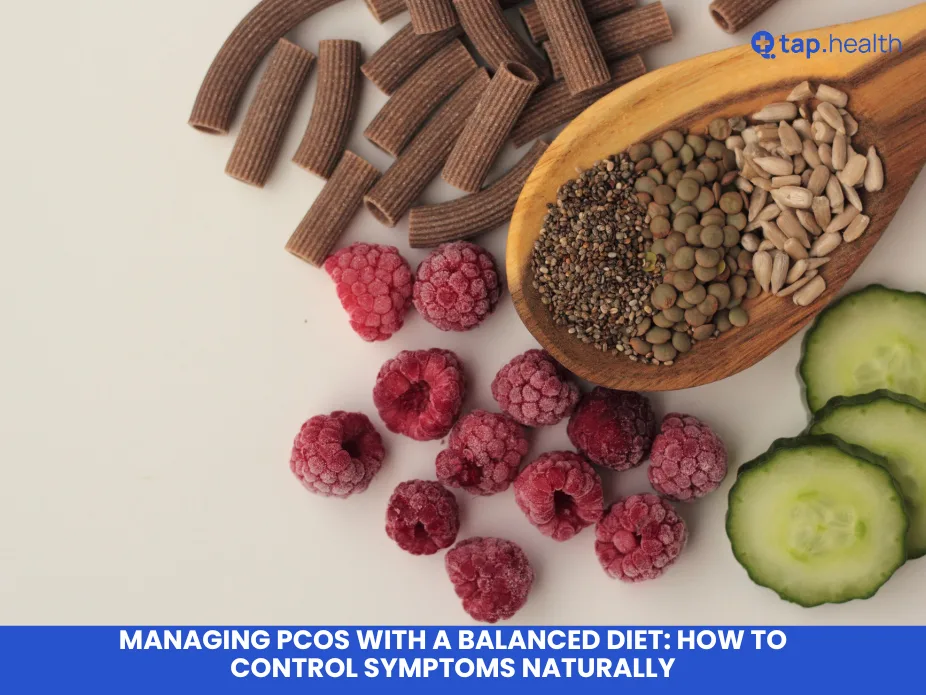
Fiber is beneficial for managing blood sugar levels and promoting digestive health. Include plenty of vegetables, fruits, legumes, and whole grains like quinoa, oats, and brown rice in your diet. Fiber-rich foods can also help you feel fuller for longer, preventing overeating and supporting weight management.

4. Low-Glycemic Foods

Choosing low-glycemic foods (foods that cause a slower, steadier rise in blood sugar) can help manage insulin resistance and PCOS symptoms. Opt for foods like leafy greens, berries, sweet potatoes, and whole grains over high-glycemic foods like white bread, sugary snacks, and refined carbohydrates.

5. Anti-Inflammatory Foods

PCOS is often linked with chronic low-grade inflammation. To reduce inflammation, incorporate anti-inflammatory foods like turmeric, ginger, garlic, and berries into your meals. These foods can help alleviate symptoms such as acne, fatigue, and mood swings.


Real-Life Scenarios

Many women with PCOS have successfully managed their symptoms by making dietary changes. For example, Jane, a 32-year-old woman diagnosed with PCOS, struggled with irregular periods and weight gain. After working with a nutritionist, she switched to a balanced diet rich in fiber, lean proteins, and healthy fats. Within three months, she lost 10 pounds, experienced more regular periods, and saw improvements in her skin.

Similarly, Sarah, a 28-year-old woman with PCOS, struggled with insulin resistance and fatigue. By incorporating more low-glycemic foods and anti-inflammatory ingredients into her diet, she was able to reduce her insulin levels and felt more energized throughout the day.

These real-life examples show that small dietary changes can lead to significant improvements in managing PCOS symptoms.


Expert Contributions

Dr. Sandra Frank, an endocrinologist specializing in PCOS, emphasizes the importance of diet in managing the condition. According to Dr. Frank, “A balanced diet not only helps manage insulin resistance but can also address inflammation, improve hormonal balance, and support overall reproductive health.” She encourages her patients to adopt a diet high in fiber, healthy fats, and lean proteins while avoiding processed foods and sugary snacks.

Johns Hopkins Medicine


Recommendations Grounded in Proven Research and Facts

Here are some dietary recommendations that are backed by research and proven to support women with PCOS:

1. Low-Carb Diet

Research suggests that a low-carb diet can improve insulin sensitivity and reduce symptoms of PCOS. By focusing on healthy, whole foods and limiting processed carbohydrates, women with PCOS can better manage their blood sugar levels and reduce the risk of developing type 2 diabetes.

2. Regular Meals and Portion Control

Eating regular meals throughout the day helps regulate blood sugar levels and prevent overeating. Portion control is key to managing weight and ensuring that you’re getting the right nutrients without consuming excess calories.

3. Exercise and Physical Activity

While diet is essential, regular physical activity also plays a crucial role in managing PCOS. Combining a balanced diet with regular exercise can help improve insulin sensitivity, support weight management, and enhance mood.

4. Supplements

Some studies suggest that certain supplements, such as inositol, vitamin D, and omega-3 fatty acids, can help manage PCOS symptoms. However, it’s important to consult with a healthcare provider before starting any supplements.


Factual and Reliable Information

It’s important to remember that while a balanced diet can help manage PCOS symptoms, it’s not a cure. PCOS is a complex condition that requires a comprehensive approach, including lifestyle changes, medical treatment, and ongoing management. Always consult with a healthcare provider or registered dietitian to create a personalized plan that works for you.

Read this – Can a Gluten-Free Diet Help Manage PCOS?


FAQ on Managing PCOS with a Balanced Diet: How to Control Symptoms Naturally

1. Can managing PCOS with a balanced diet help me lose weight?
Yes, a balanced diet can help regulate blood sugar levels, reduce inflammation, and support metabolic health, which can lead to more effective weight management.

2. What are the best foods to reduce insulin resistance?
Foods that are high in fiber and low on the glycemic index, such as whole grains, legumes, and vegetables, are excellent for improving insulin sensitivity.

3. Are there any foods I should avoid if I have PCOS?
Yes, you should minimize processed foods, sugary snacks, and refined carbohydrates, as these can worsen insulin resistance and inflammation.

4. Can I still eat carbohydrates with PCOS?
Yes, but it’s best to focus on low-GI carbohydrates like whole grains, sweet potatoes, and legumes, which have a gentler effect on blood sugar.

5. How long does it take to see results from dietary changes for PCOS?
Results vary, but many women see improvements in symptoms like more regular periods and weight loss within a few months of adopting a balanced diet.

6. Should I consult a doctor before changing my diet for PCOS?
It’s always a good idea to speak with a healthcare provider or dietitian before making significant changes to your diet, especially if you have underlying health conditions.

References-

Johns Hopkins Medicine: This resource emphasizes the importance of incorporating omega-3 rich fish, olive oil, beans, non-starchy vegetables, and whole grains into the diet for managing PCOS.

Johns Hopkins Medicine

Mass General Brigham: This article recommends consuming whole, natural foods that fuel the body over longer periods, including green, leafy vegetables and fiber-rich foods like berries, whole grains, beans, and apples.

Mass General Brigham

Tags
A1C gestational diabetes poor sleep blood sugar HbA1c diabetes symptoms in women diabetes medicines diabetes nerve damage diabetes and blood pressure mango and diabetes dark patches diabetes diabetes stomach problems diabetes wounds metformin safety diabetes tingling hands banana blood sugar papaya for diabetes is jaggery good for diabetes poha blood sugar orange for diabetes blood sugar pregnancy diabetes sleep and diabetes diabetes in India women diabetes signs diabetes treatment advice tingling feet diabetes high blood pressure diabetes mango sugar diabetes walking after meals for diabetes diabetic gastroparesis diabetic wound care diabetes ketoacidosis warning signs diabetic neuropathy hands coconut water and diabetes is papaya good for diabetes gur for diabetes sprouts for diabetes can diabetics eat oranges Medicine fasting glucose blood sugar pregnancy diabetes and stress diabetes risk factors India diabetes risk women Indian diabetic diet chart diabetes eye disease diabetes heart kidney risk diabetes reversal vs remission post meal walk diabetes diabetes bloating nausea diabetes yeast infection DKA symptoms fasting with diabetes coconut water for diabetes papaya blood sugar watermelon for diabetes are sprouts good for diabetes orange blood sugar Health A1C test low blood sugar stress blood sugar diabetes prevention India diabetes symptoms in men diabetic meal plan diabetic eye test borderline HbA1c diabetes remission walking lowers blood sugar diabetes sick day rules diabetes fungal infection ketones diabetes diabetes fasting safety can diabetics drink coconut water oats for diabetes can diabetics eat watermelon sprouts blood sugar brown bread for diabetes Lifestyle diabetes diet hypoglycemia cortisol diabetes best fruits for diabetes men diabetes signs HbA1c test high protein breakfast for diabetes HbA1c 5.7 to 6.4 reverse type 2 diabetes diabetes grocery list India diabetes during illness diabetes vaginal itching diabetes blurry vision can diabetics fast curd for diabetes oatmeal diabetes watermelon blood sugar methi seeds for diabetes bread for diabetes Home remedies balanced meals diabetes safety diabetes eye care diabetes fruits diabetes risk men HbA1c normal range diabetes breakfast India prediabetes HbA1c diabetes plate method diabetic food list India blood sugar fever infection diabetes night sweats high blood sugar blurry vision insulin injection sites is curd good for diabetes are oats good for diabetes apple for diabetes fenugreek for diabetes whole wheat bread diabetes Fitness healthy eating diabetes heart health diabetic retinopathy fruit and blood sugar type 1 diabetes how to lower HbA1c diabetic breakfast ideas post-meal blood sugar Indian diabetes plate foods for diabetes shopping diabetes and alcohol low blood sugar at night diabetes excessive thirst insulin site rotation diabetes curd milk for diabetes can diabetics eat apple methi diabetes avocado for diabetes Prevention why diabetes is considered as a lifestyle disease blood pressure diabetes eye test rice and diabetes type 1 diabetes symptoms fasting sugar normal range PCOS and diabetes blood sugar after food diabetes portion control diabetes kidney tests alcohol blood sugar diabetes diabetes sweating at night diabetes dry mouth insulin lumps tea and coffee in diabetes can diabetics drink milk apple blood sugar cinnamon for diabetes is avocado good for diabetes Hygiene lifestyle diabetes cholesterol diabetes kidney care can diabetics eat rice insulin diabetes high fasting blood sugar PCOS insulin resistance postprandial glucose low glycaemic index foods for diabetes urine albumin diabetes can diabetics drink alcohol diabetes headache frequent urination diabetes diabetes weight gain coffee diabetes best milk for diabetes eggs for diabetes cinnamon blood sugar avocado blood sugar Ailments type 2 diabetes lifestyle disease living with diabetes diabetic kidney disease diabetes diet India prediabetes diet reverse prediabetes naturally PCOS diabetes risk dawn phenomenon diabetes low GI foods India eGFR diabetes diabetes and dizziness high blood sugar headache diabetes fatigue diabetes and weight gain tea diabetes peanuts for diabetes are eggs good for diabetes dalchini for diabetes travelling with diabetes Hindi exercise and diabetes diabetes habits kidney tests diabetes morning blood sugar prediabetes food prediabetes reversal gestational diabetes diet Indian morning sugar high diabetes low GI diet diabetes and dental problems dizziness diabetes low blood sugar headache diabetes tiredness insulin weight gain roti for diabetes are peanuts good for diabetes egg diabetes amla for diabetes diabetes travel checklist skin diseases blood sugar control diabetes management high blood sugar symptoms fasting sugar high lower diabetes risk how to prevent type 2 diabetes pregnancy diabetes diet high fasting sugar in morning diabetes and fatty liver diabetes gum disease low sugar dizziness blood sugar monitoring at home high blood sugar tiredness diabetes swollen feet best roti for diabetes peanuts blood sugar paneer for diabetes amla juice diabetes insulin travel storage acne vulgaris symptoms physical activity insulin resistance hyperglycemia symptoms dawn phenomenon diabetes and weight loss insulin resistance diet gestational diabetes meal plan diabetes and cholesterol fatty liver diabetes dry mouth diabetes diabetes leg pain when to check blood sugar diabetes constipation swollen feet diabetes chapati diabetes sweet potato for diabetes is paneer good for diabetes amla blood sugar diabetes hot weather AI Search diabetes foot care insulin sensitivity diabetes warning signs diabetes myths weight loss diabetes Indian foods for insulin resistance diabetic foot ulcer diabetes lipid profile insulin resistance fatty liver diabetes urine infection diabetic leg cramps blood glucose monitoring diabetes and constipation diabetes foot swelling can diabetics eat dates can diabetics eat sweet potato paneer diabetes guava for diabetes diabetes dehydration prediabetes diabetic foot type 2 diabetes risk normal blood sugar levels diabetes facts insulin resistance weight loss improve insulin sensitivity diabetes foot wound cholesterol in diabetes diabetes skin problems frequent UTI diabetes diabetes nerve pain legs metformin for diabetes constipation diabetes can diabetics eat banana dates for diabetes sweet potato blood sugar poha for diabetes can diabetics eat guava heat and blood sugar diabetes prevention foot health diabetes and sleep fasting blood sugar diabetes misconceptions diabetes medicine safety diabetic neuropathy symptoms diabetic foot ulcer warning signs can diabetics eat mango diabetes itching urinary infection diabetes diabetes slow wound healing metformin side effects diabetes numbness in hands banana for diabetes dates blood sugar jaggery for diabetes is poha good for diabetes guava blood sugar
More blogs
Fashtana Khan
Fashtana Khan
• June 4, 2026
• 19 min read

Travelling With Diabetes: Packing Checklist, Insulin Storage, Food Tips, and Blood Sugar Safety

A detailed guide to travelling with diabetes, including medicine packing, insulin storage, glucose monitoring, meals, airport security, and emergency planning.

Diabetes
Managing PCOS with a Balanced Diet: How to Control Symptoms Naturally
Isha Yadav
Isha Yadav
• June 4, 2026
• 19 min read

Diabetes in Hot Weather: Dehydration, Blood Sugar Changes, Heat Safety, and Summer Care Tips

A practical guide to diabetes in hot weather, including dehydration, blood sugar changes, medicine safety, exercise timing, hydration, and heat warning signs.

Diabetes
Managing PCOS with a Balanced Diet: How to Control Symptoms Naturally
Nishat Anjum
Nishat Anjum
• June 3, 2026
• 19 min read

Methi Seeds for Diabetes: Blood Sugar Benefits, How to Use, Dosage, and Safety

A practical guide to methi seeds for diabetes, including blood sugar effects, fibre, soaked seeds, powder, dosage cautions, and medicine safety.

Diabetes
Managing PCOS with a Balanced Diet: How to Control Symptoms Naturally
Do you remember your last sugar reading?
Log and Track your glucose on the Tap Health App
All logs in one place
Smart trend graphs
Medicine Reminder
100% Ad Free
Download Now

Missed your diabetes meds

again? Not anymore.

Get medicine reminders on your phone.

✓ Glucose diary and Insights
✓ Smart Nudges
✓ All logs at one place
✓ 100% Ad free
Download Free
tap health
tap.health logo
copyright © 2025
2nd Floor,Plot No 4, Minarch Tower,
Sector 44,Gurugram, 122003,
Haryana, India
  • About Us
  • Blog
  • Doctor login
  • Contact Us
  • Privacy Policy
  • Return / Shipping Policy
  • Terms and Conditions
Get Your Free AI Diabetes Coach